




















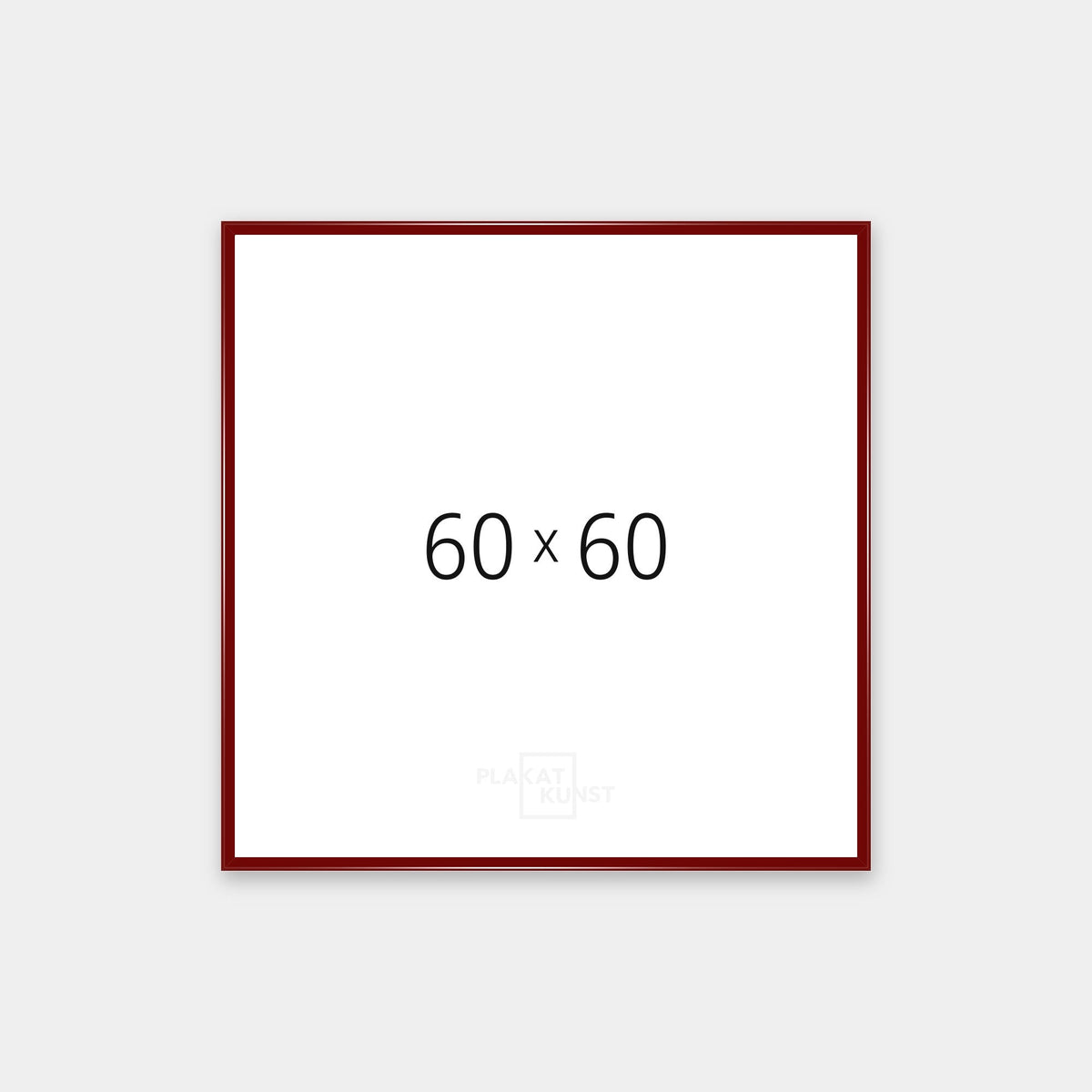


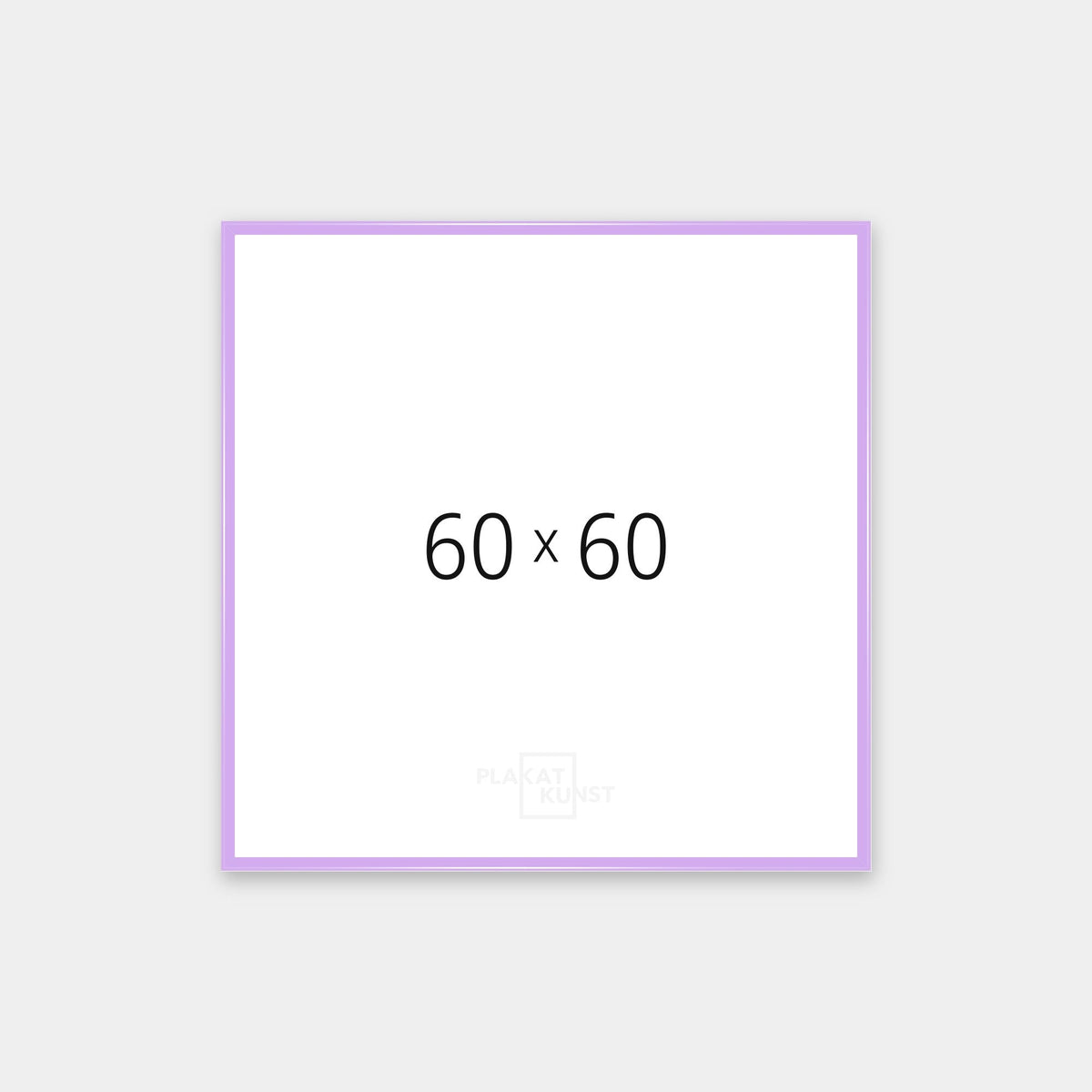
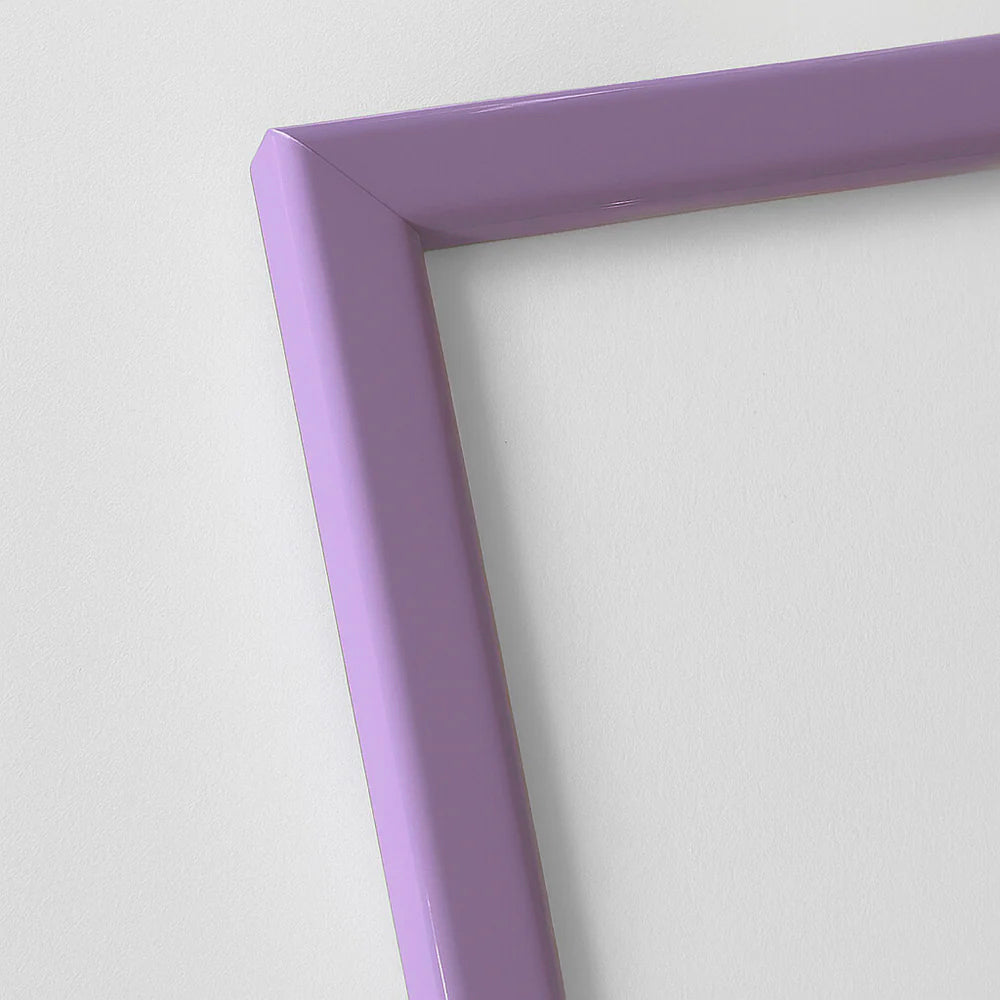


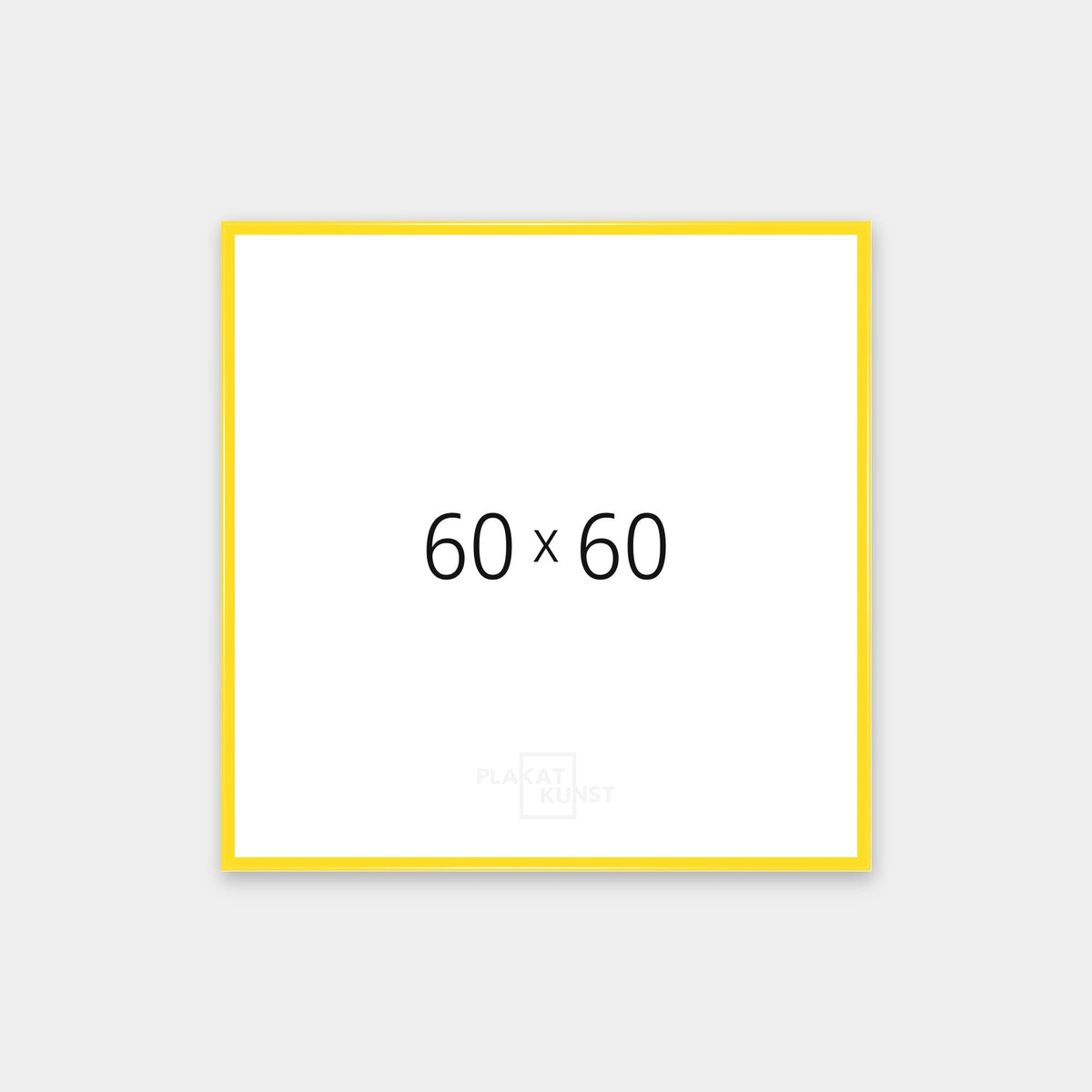










Create your own framing combination
Find the right look
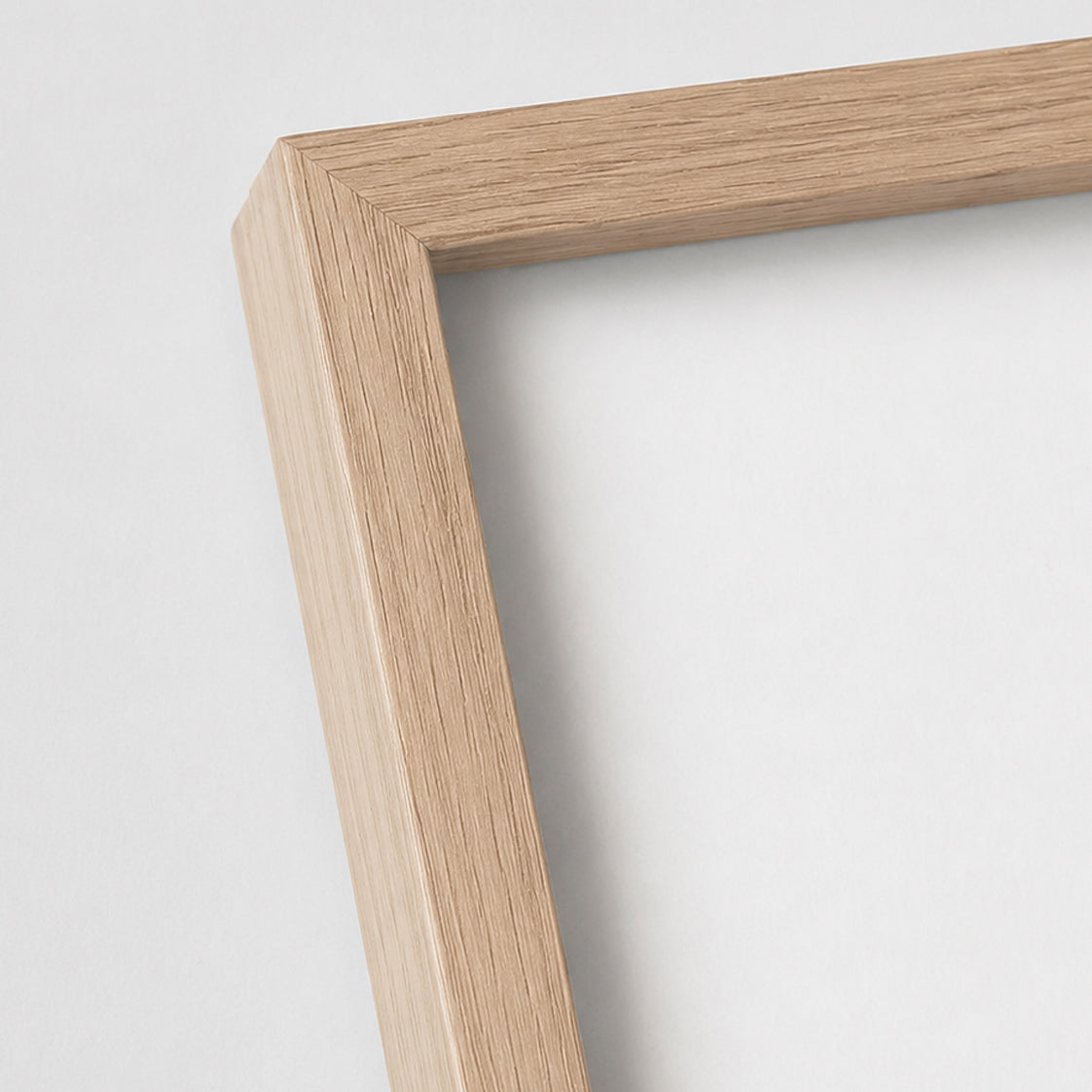
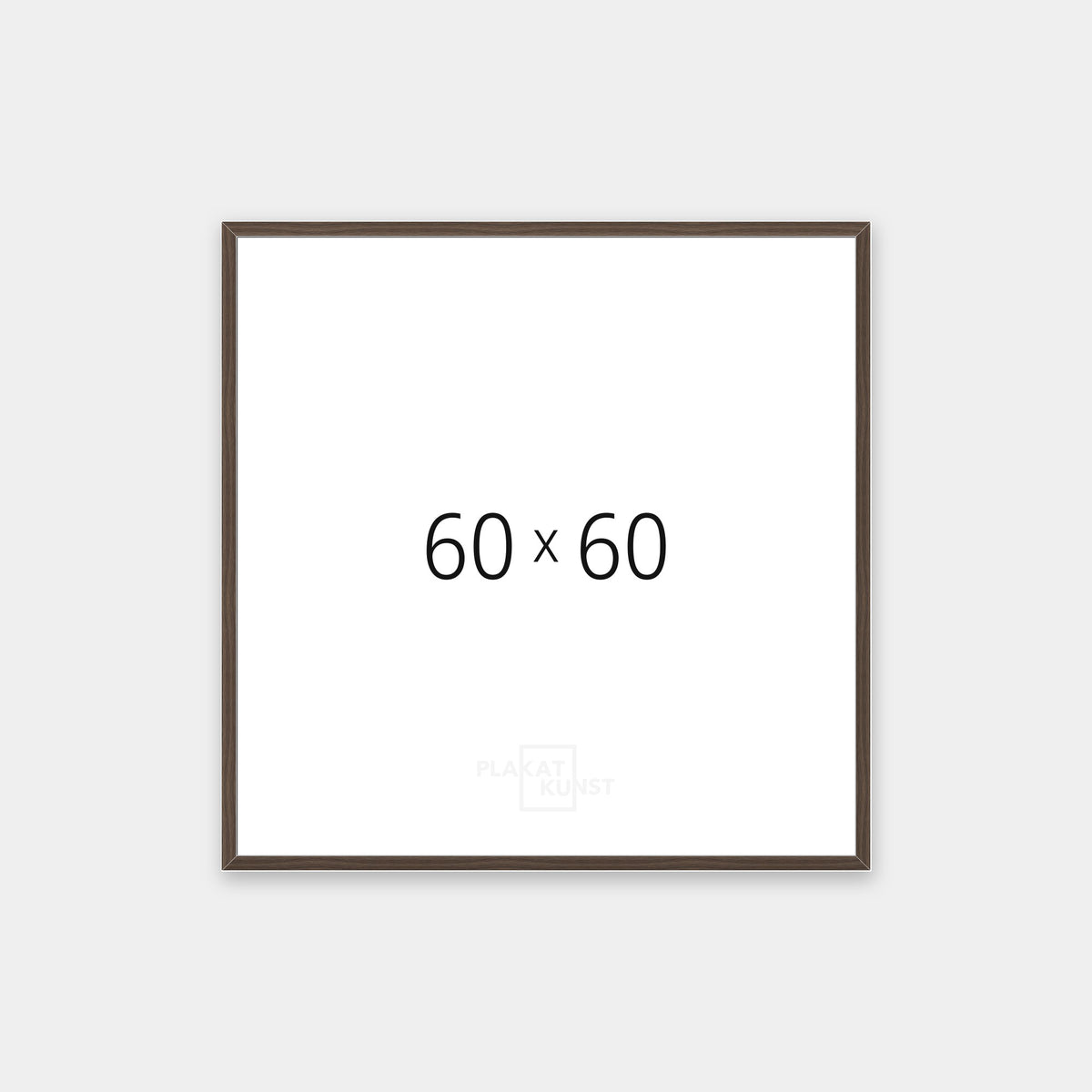
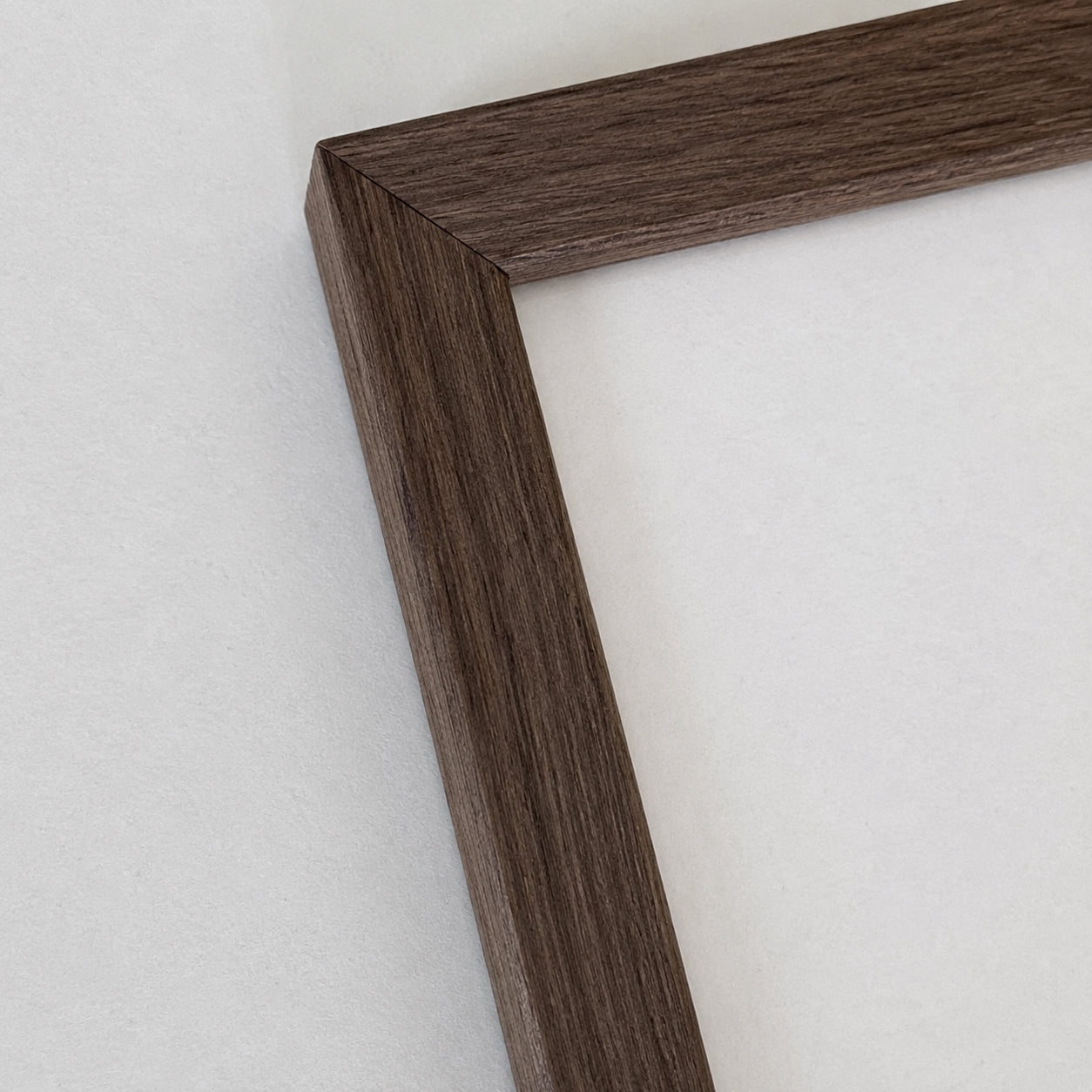
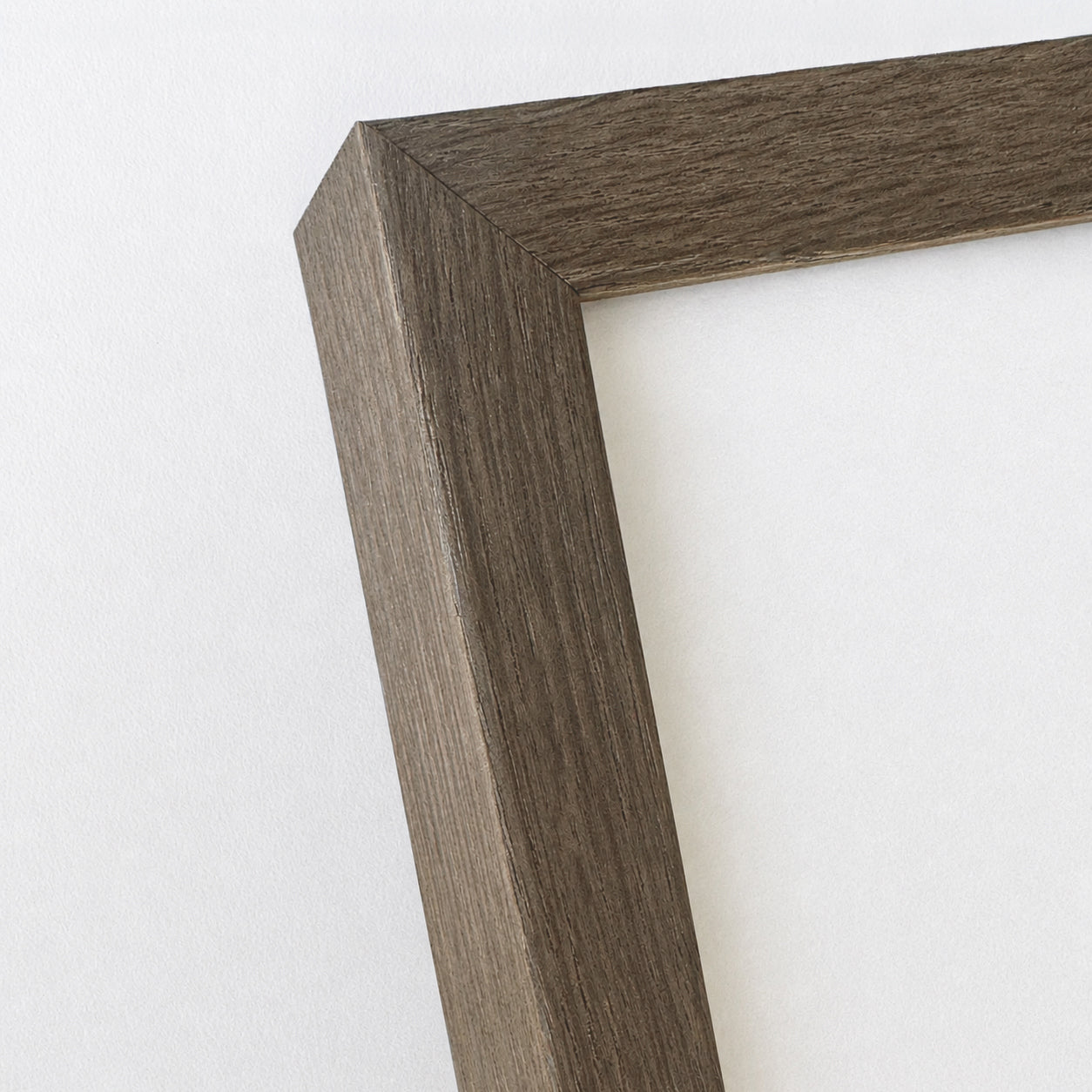
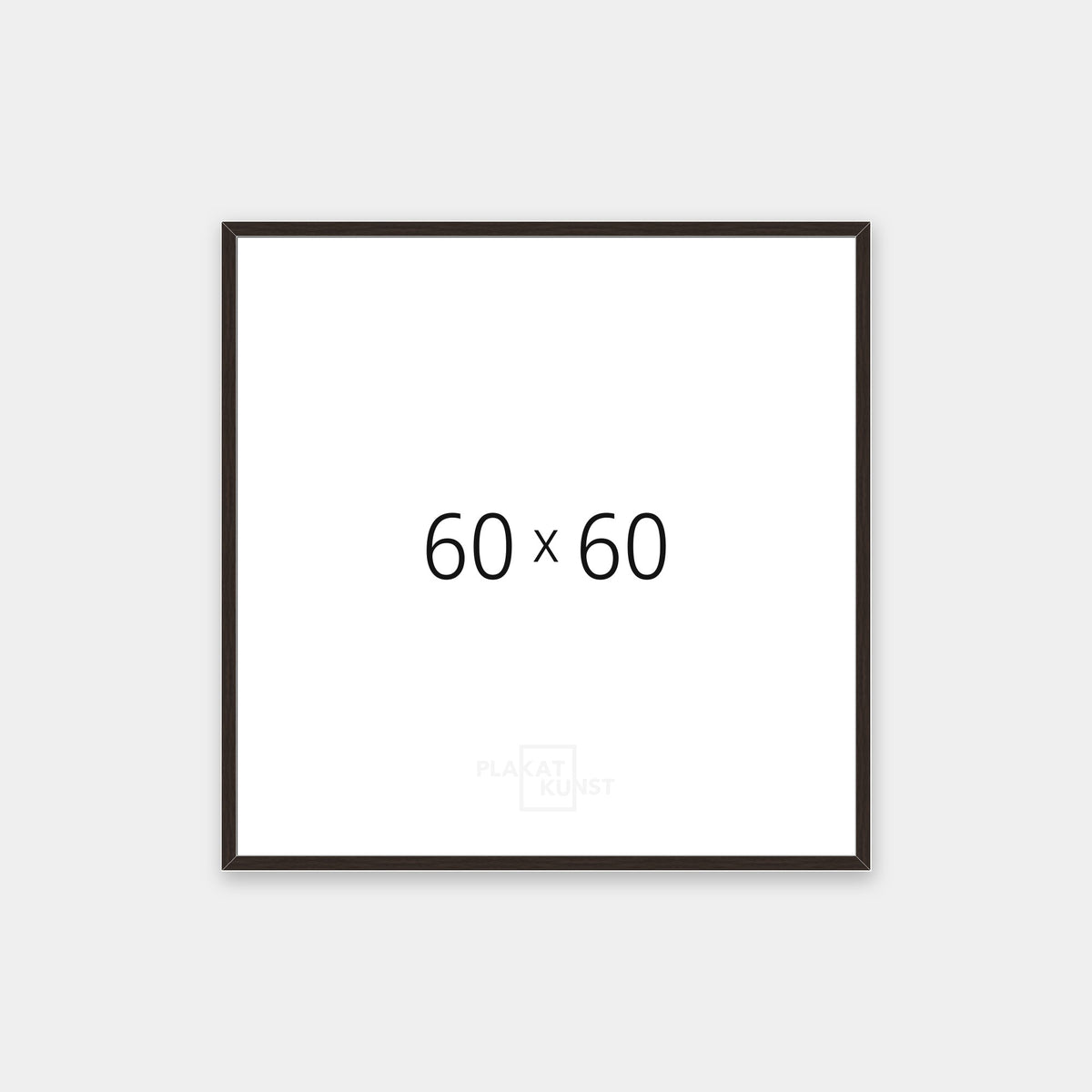
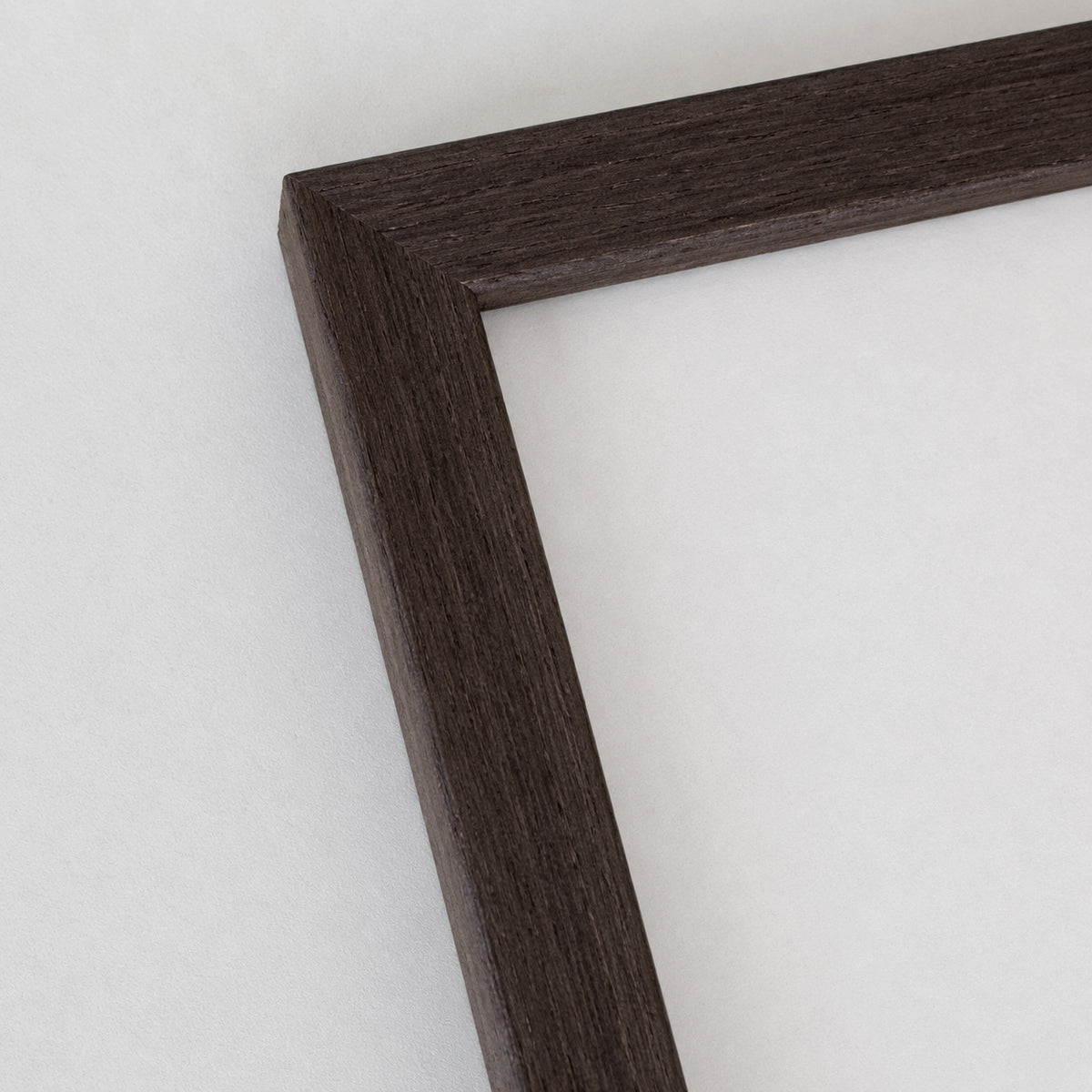
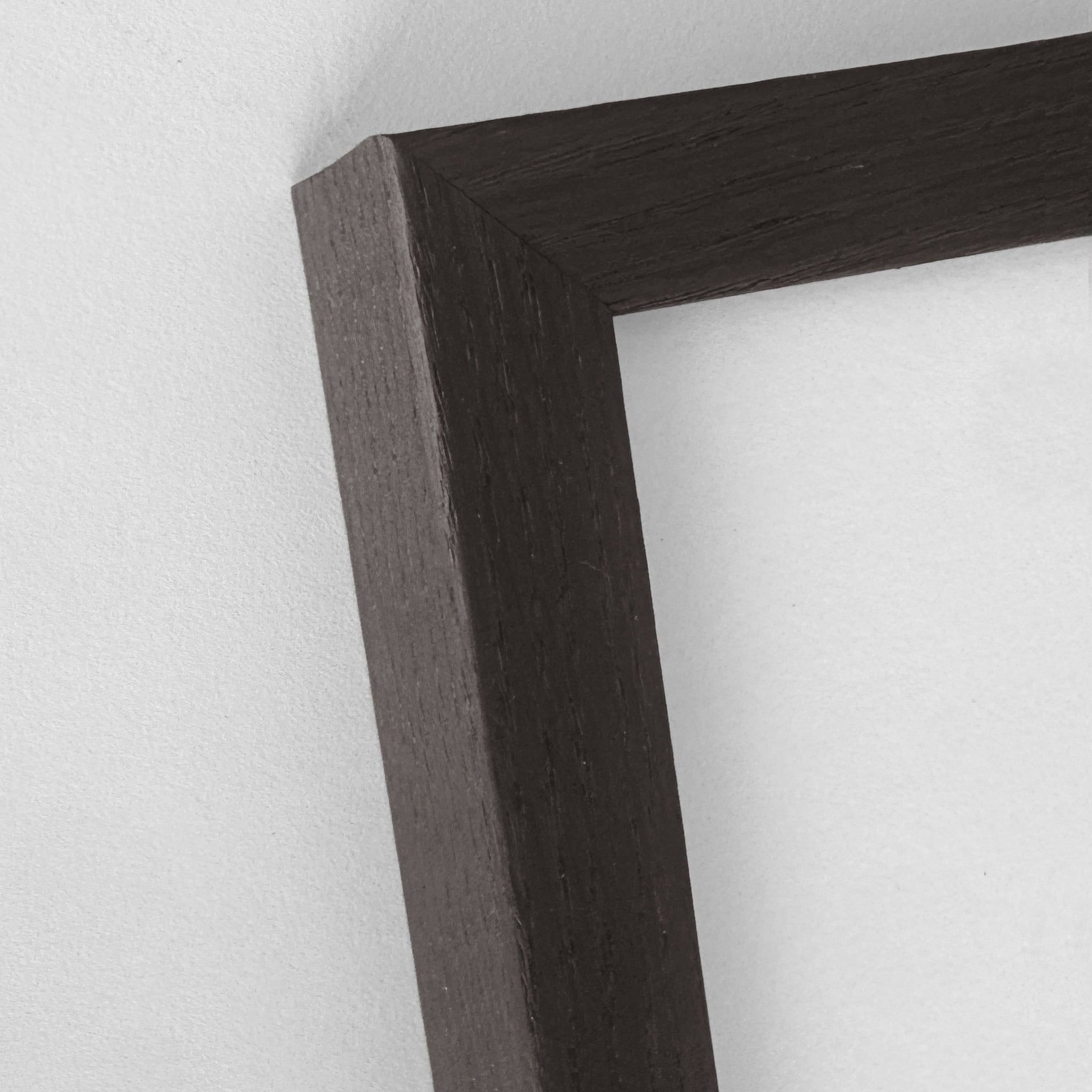
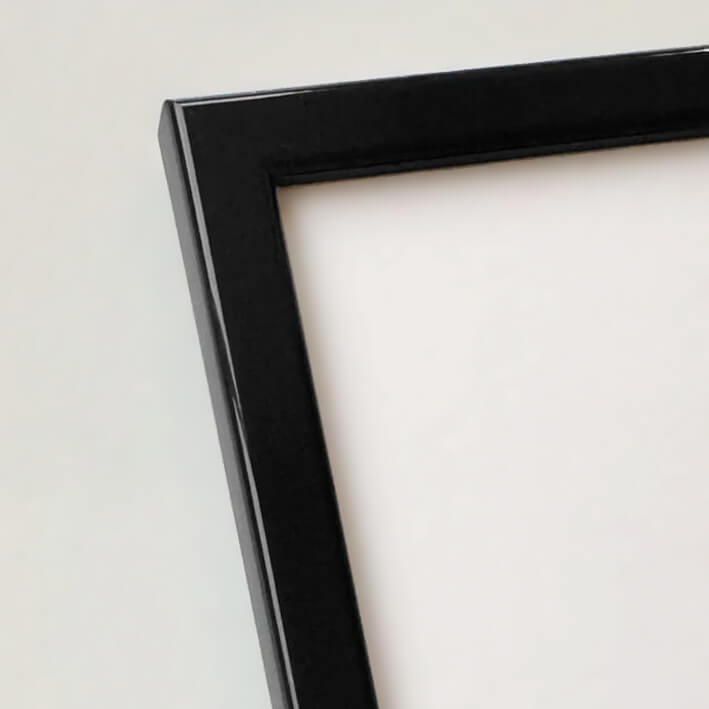
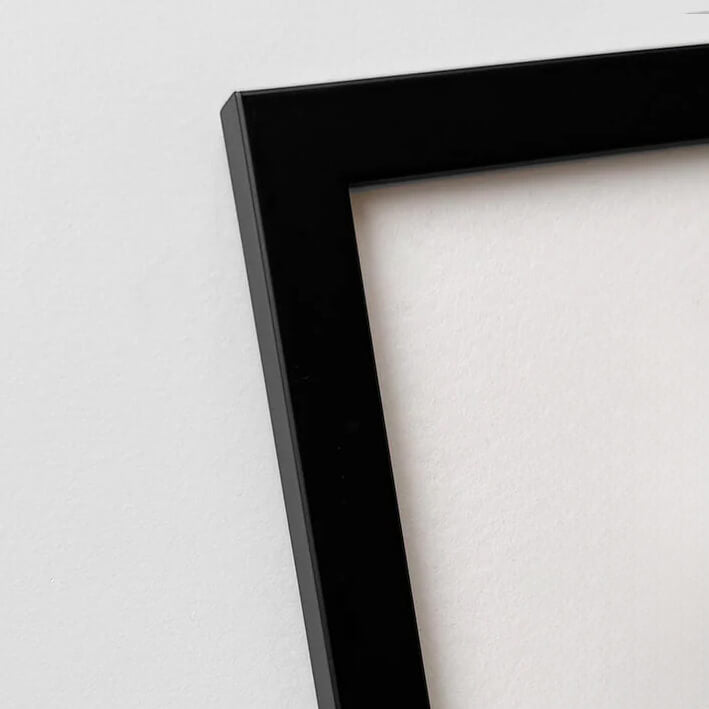
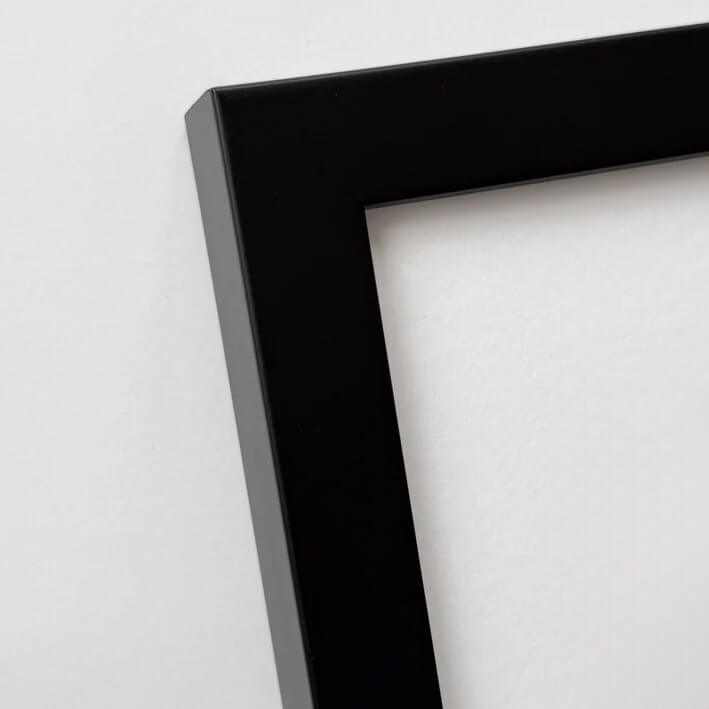
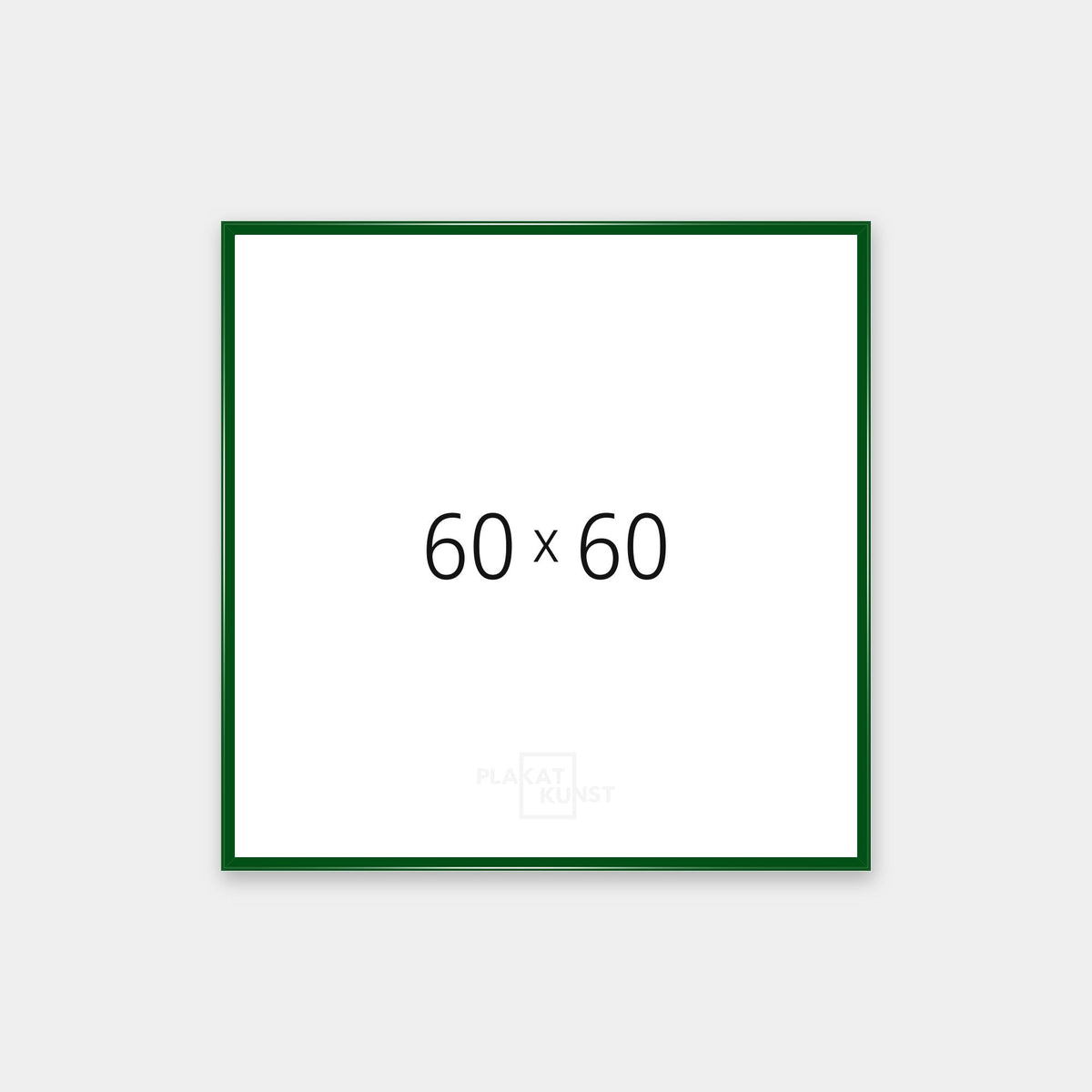
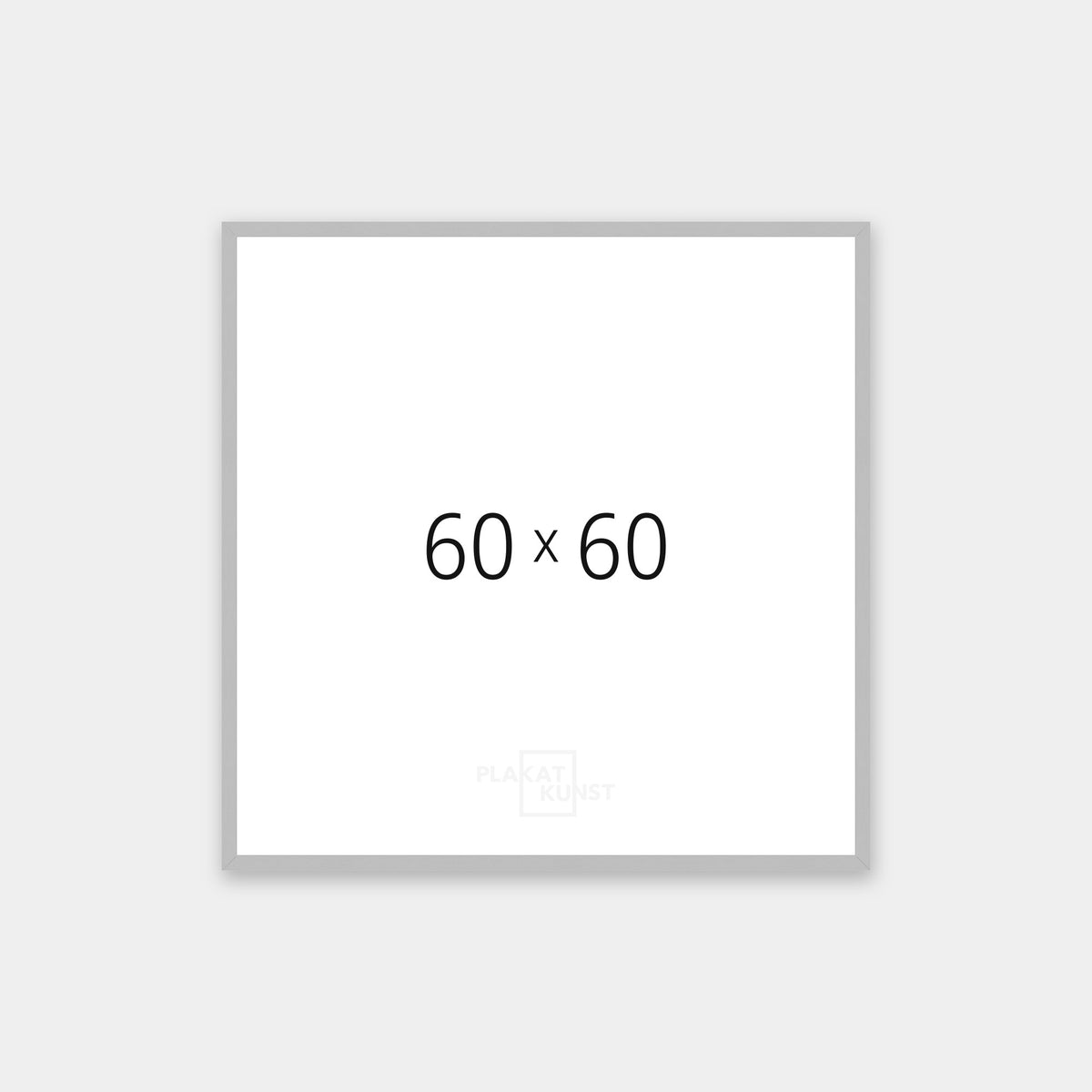
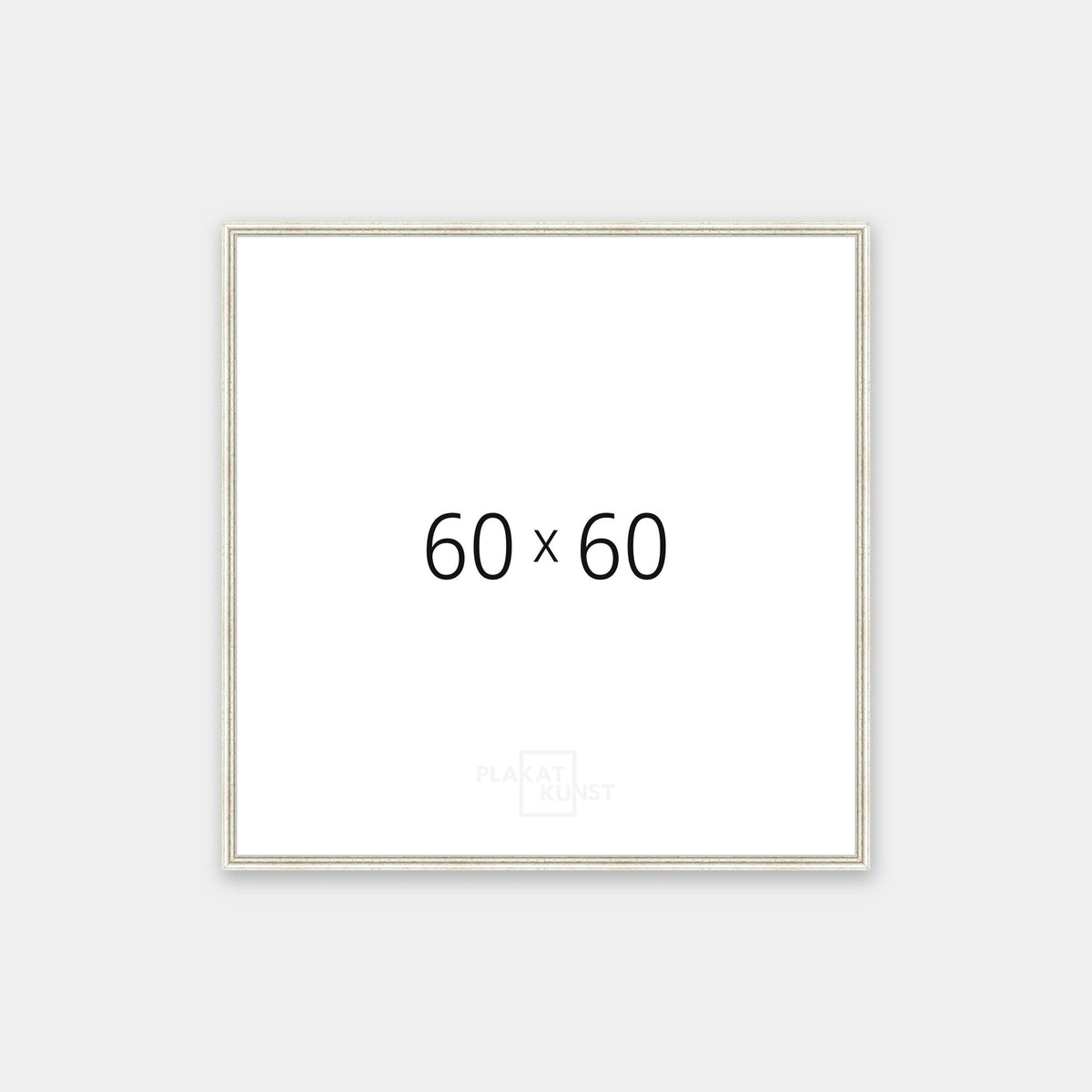
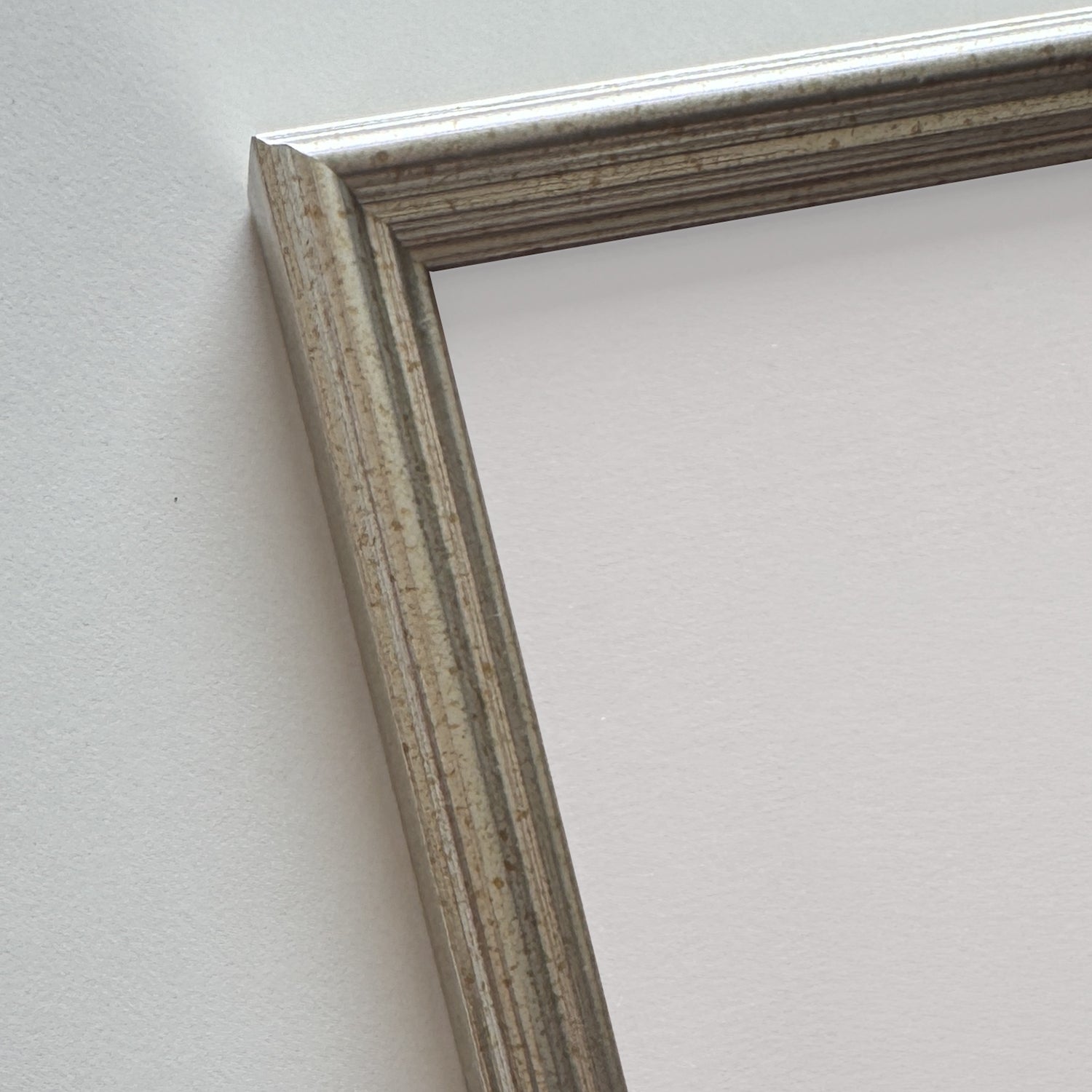
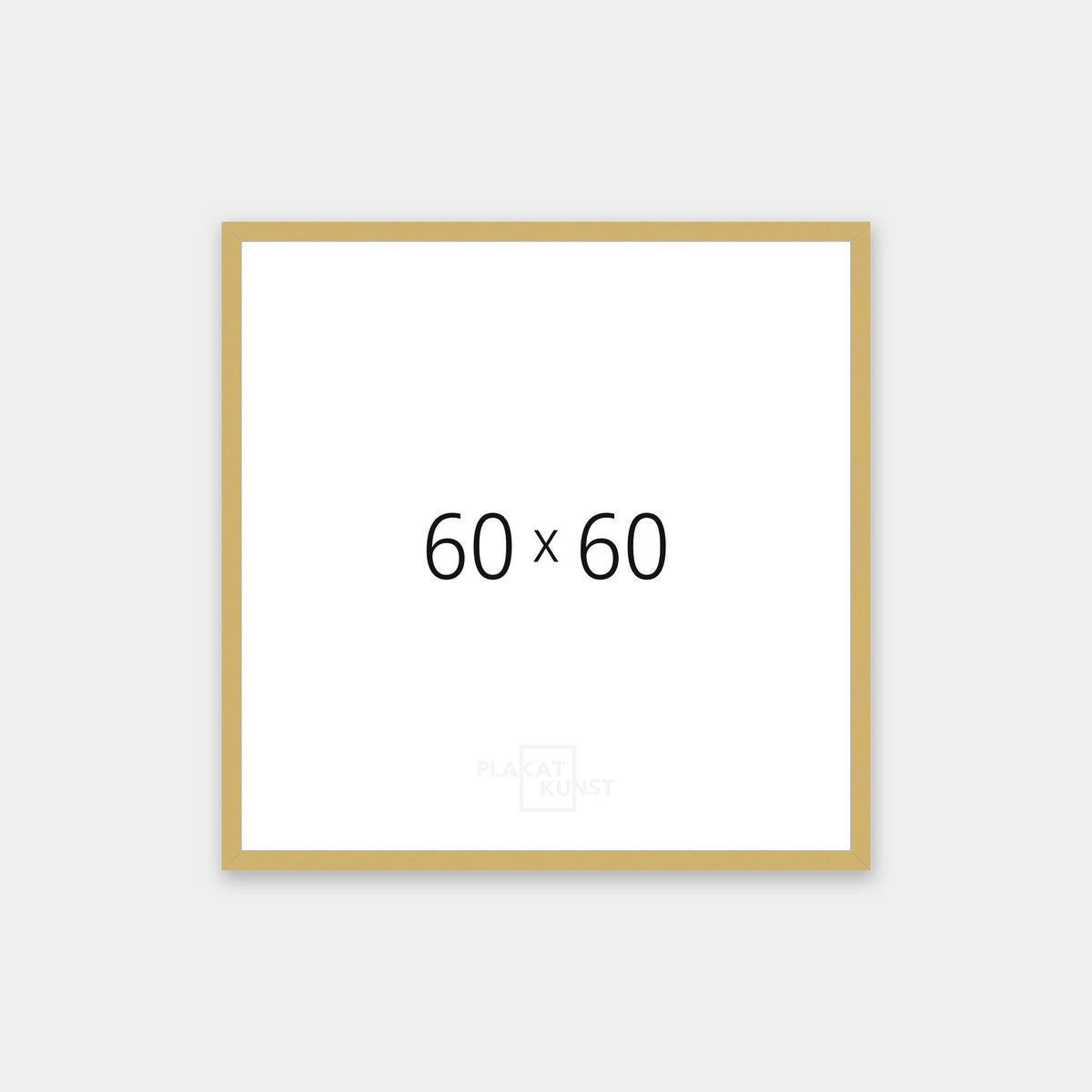
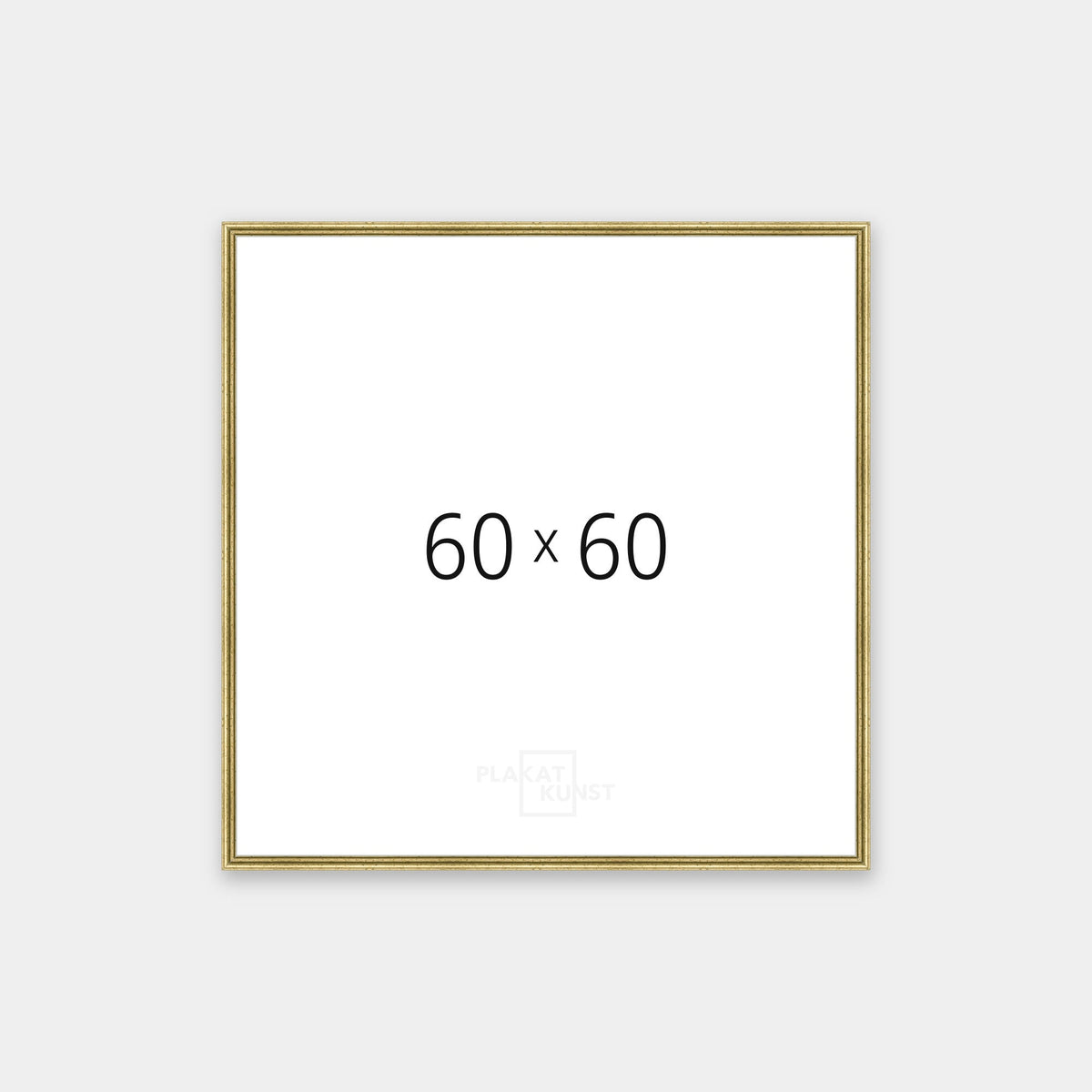
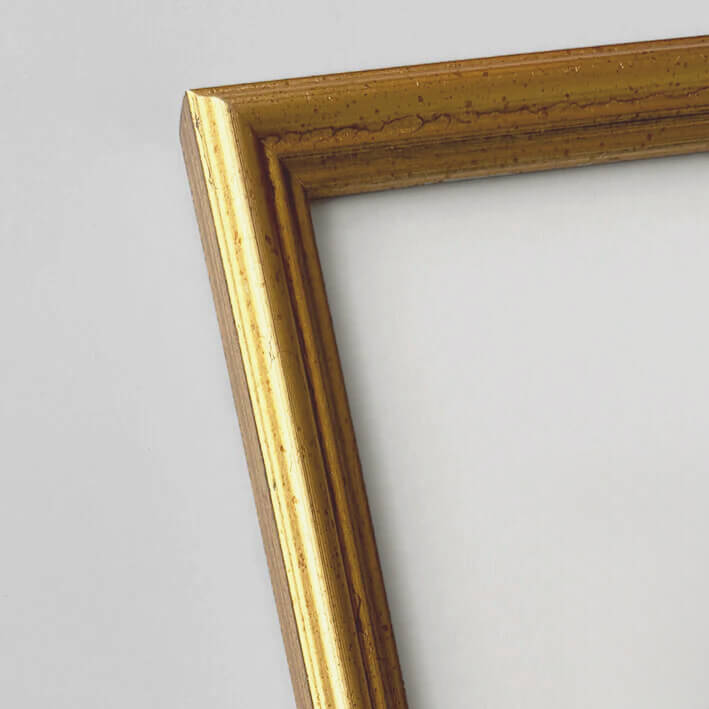
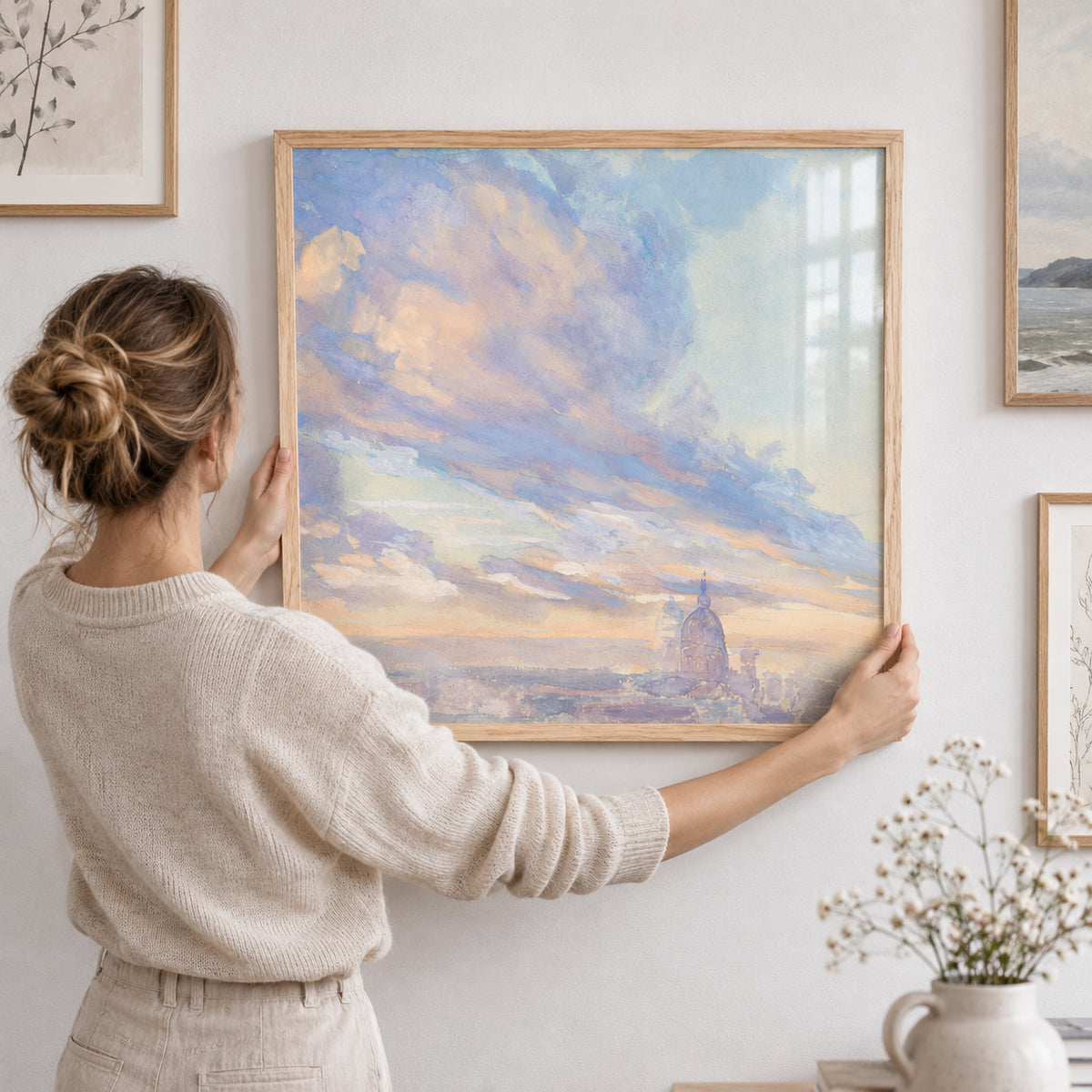
Your 60×60 cm poster can take on very different looks depending on how you frame it. Our frame designer lets you explore wood types, colours and profiles that complement the style of your artwork or add a personal touch of contrast.
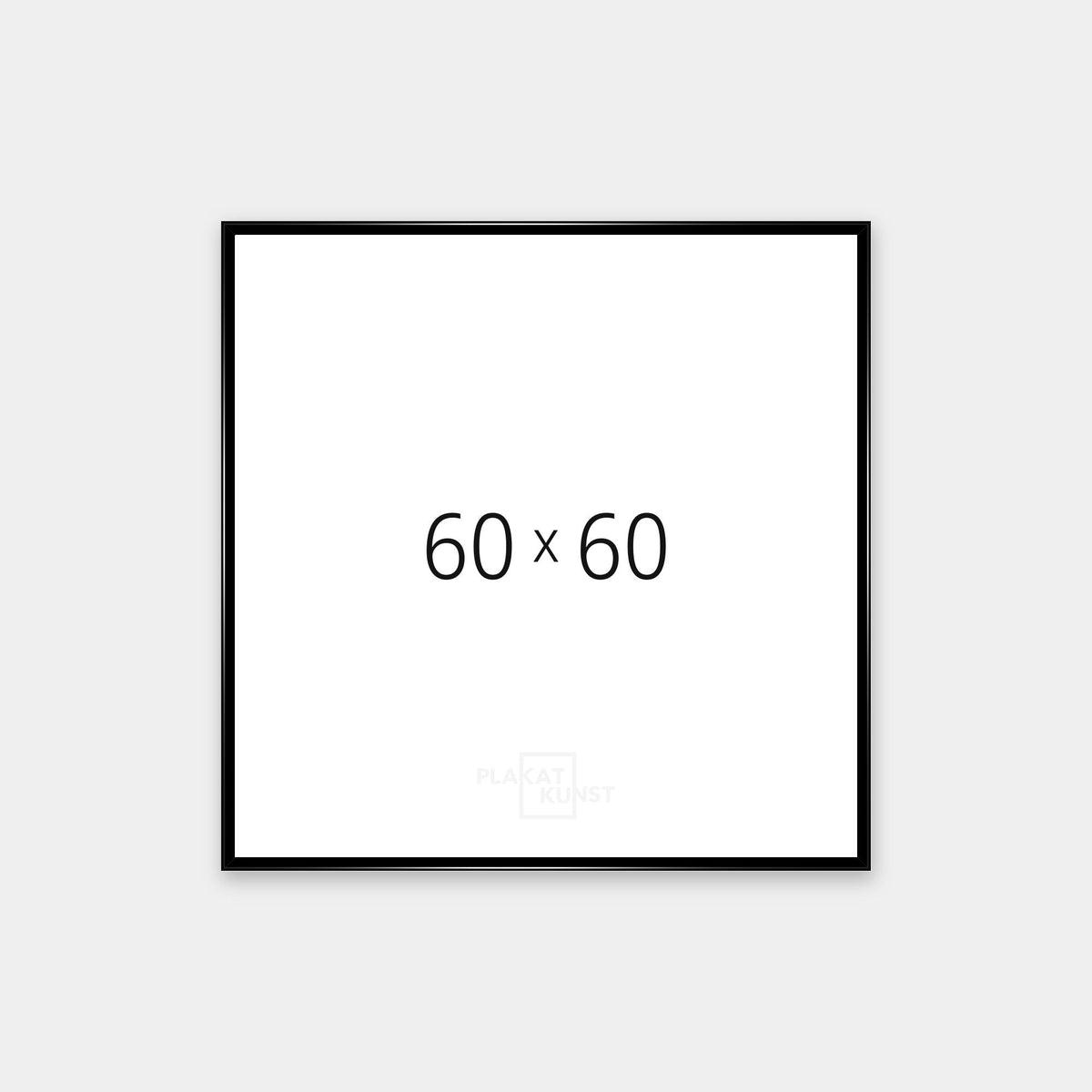
Choose a 60×60 cm frame for a close-fitting border around your poster, or give the artwork more breathing space with a passepartout in a larger frame. The square format creates a natural balance, while the colour and width of the passepartout can bring the whole composition together or highlight particular shades.
Upload an image of your poster to see how your choices work together. The preview updates as you make changes, allowing you to compare combinations and find the framing that suits both your poster and your home.
Recently seen
60x60 frames included
Passepartout
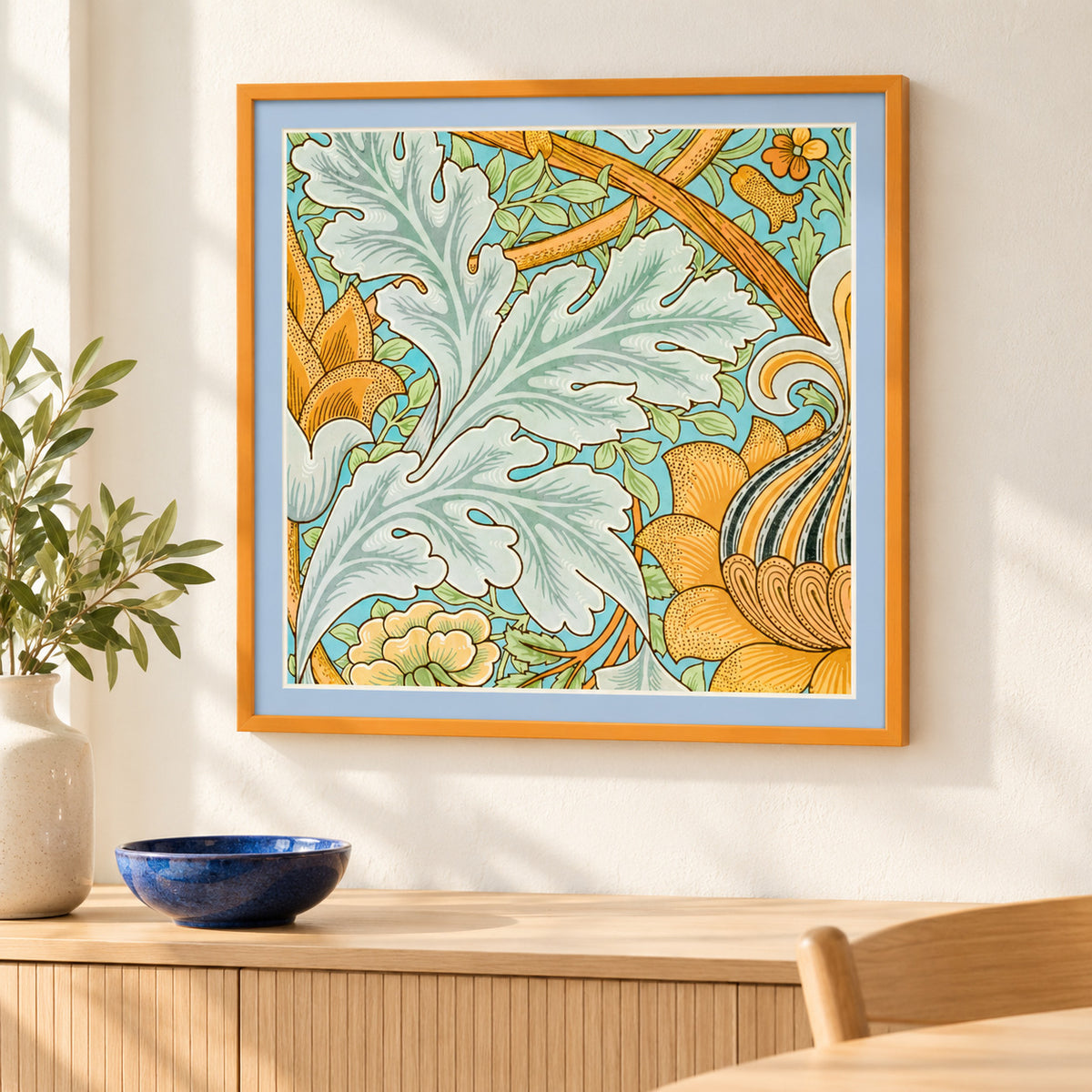
A passepartout (also known as a mount or mat) in a 60×60 cm frame is ideal for framing a 40×40 or 50×50 cm picture, for example. Made from 1.5 mm thick board, it creates space between the artwork and the frame, adding depth and a more refined finish.
If you would like to frame your 60×60 cm picture with a passepartout, you will need a larger frame. This could be a 70×70 cm frame, a 100×100 cm frame or a made-to-measure frame, depending on how wide you would like the passepartout border to be.
When adding a passepartout to your 60×60 cm frame, you can choose from 20 colours. Simply enter the dimensions of the picture you wish to frame. We automatically make the cutout 10 mm smaller in both width and height, so the passepartout overlaps your picture by 5 mm on each side. This makes it easy to secure the picture to the back of the passepartout with tape.
Select a 60×60 cm frame above to see how it looks with the different passepartout colours.
Should your 60x60 frame have
Real glass?
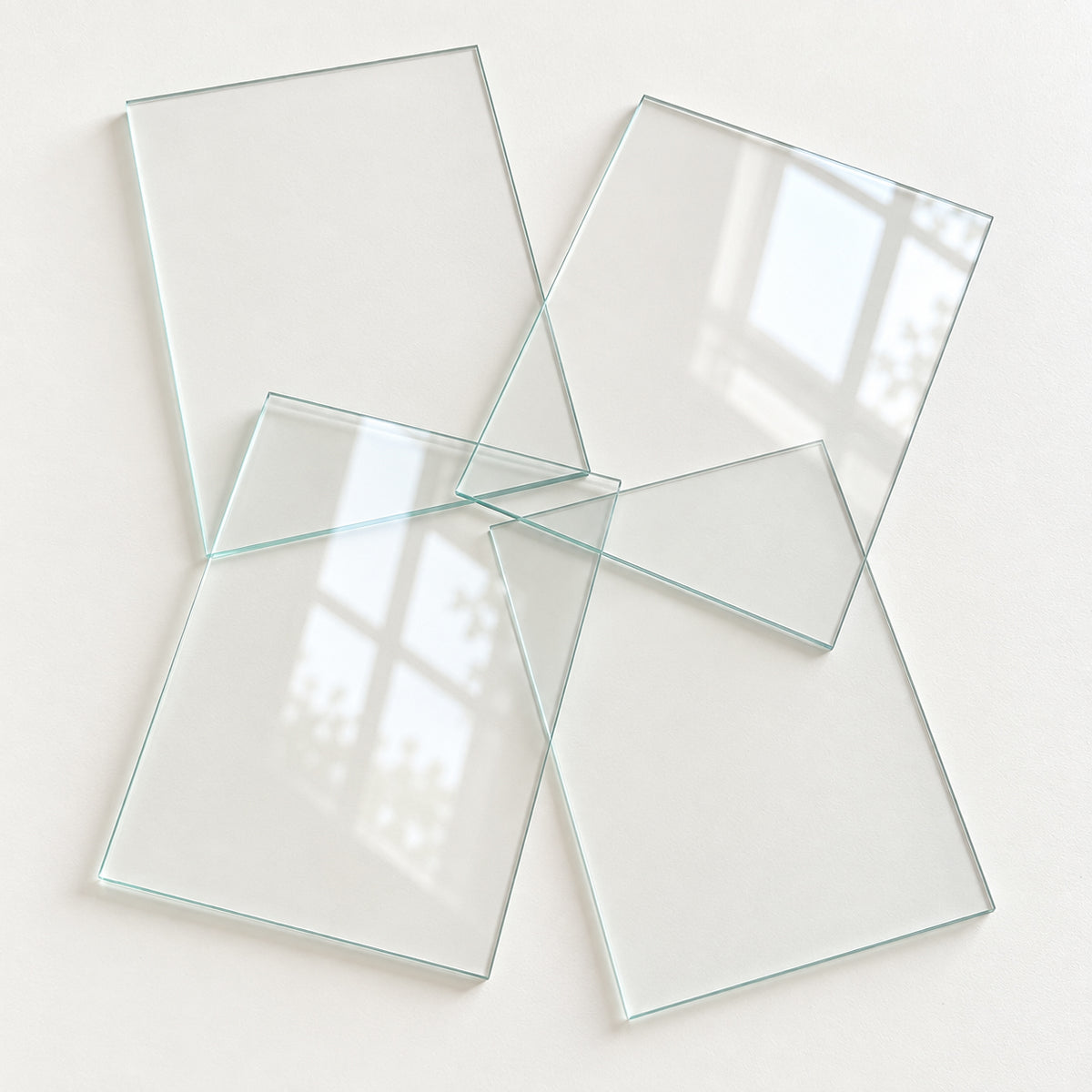
You can choose from four glazing options for your 60×60 cm frame. Your choice affects reflections, weight and the appearance of your artwork.
Standard glass displays colours and details clearly at an affordable price. Its surface is more resistant to scratches than acrylic glass, but it reflects light from windows and lamps. It is also heavier and can break if knocked or dropped.
Acrylic glass is lightweight and shatter-resistant, but produces reflections much like standard glass. Its surface scratches more easily and should be cleaned carefully with a soft cloth. Remember to remove the protective film from both sides before framing.
Non-reflective glass has a matt surface that reduces reflections. However, colours and details may appear slightly softer, particularly when a passepartout or spacer creates a gap between the glass and the artwork. It does not eliminate all reflections.
Museum glass combines excellent clarity with reduced reflections and UV protection to help limit fading. It brings out the colours and details of your artwork without the matt effect of non-reflective glass. It costs more, and faint reflections may still occur. Avoid direct sunlight, even with museum glass.
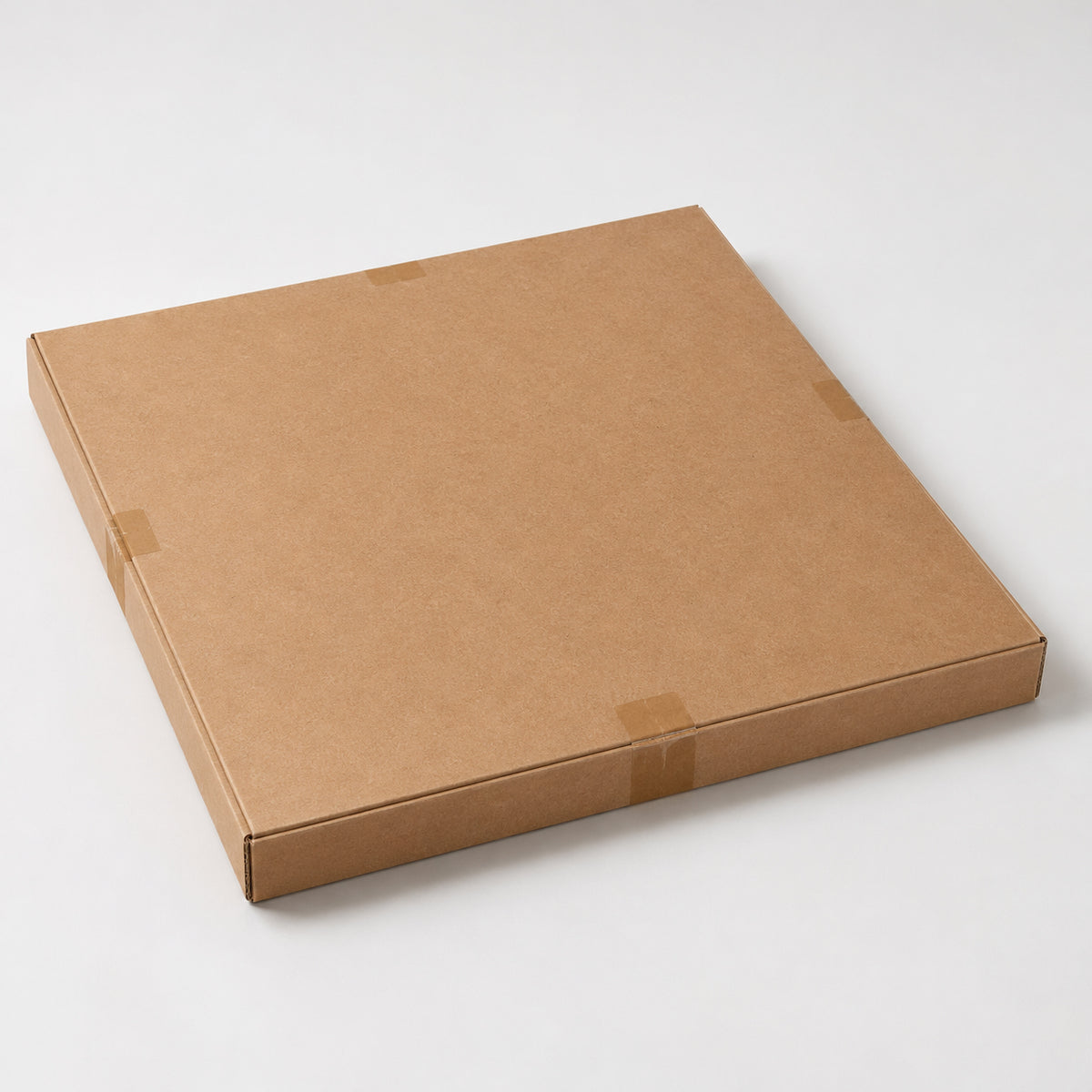
Shipping of 60x60 frames worldwide
FedEx or GLS
60×60 cm frames are delivered by GLS or FedEx worldwide. GLS deliver to a nearby parcel shops in Sweden, Belgium and Poland.
Choosing real glass instead of acrylic glass for your 60x60 frame drastically increases the shipping price of the frame. This is partly because glass weighs more and requires extra care during transport, increasing both our shipping costs and the risk of damage.
We pack your wooden frame carefully to keep both the frame and glass well protected in transit. As a result, the vast majority of our 60x60 frames with real glass arrive safely.
60x60 frames with or without
Backing paper
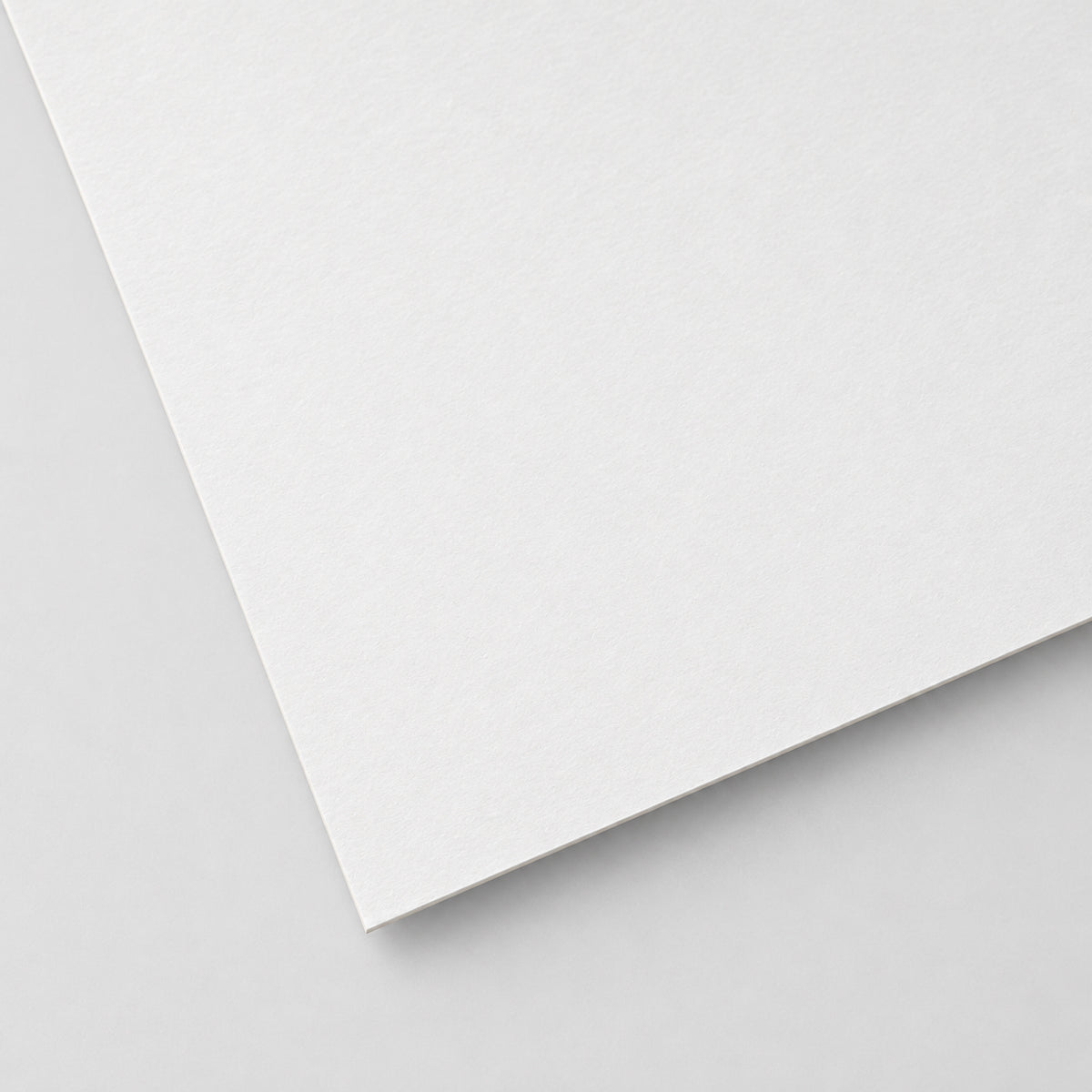
Your 60×60 cm frame is supplied without backing paper as standard, as most customers do not need it. However, you can add high-quality backing paper that is 1 mm thick, with a subtle off-white shade and a fine texture.
Backing paper allows you to frame pictures smaller than 60×60 cm with a visible background around the artwork. It is particularly suitable for works on paper with decorative or hand-torn edges that you would like to keep visible.
The paper also provides an extra layer between the artwork and the frame’s backing board. For delicate artwork, it is important that both the backing paper and the mounting materials are acid-free and suitable for conservation.

Framing and hanging of
60x60 frames
Unpack your 60×60 cm frame and carefully bend up the black metal tabs on the back so you can lift out the hardboard backing.
Before inserting your picture, remove any dust from the inside of the glass with a soft, dry cloth. If you have chosen acrylic glass, remove the protective film from both sides. Then replace the backing board and bend the tabs back down to hold it securely in place.
Gently tilt the hanging bracket on the backing board outwards so it can hook onto a screw or nail. Use a fixing suitable for your wall type and strong enough to support the weight of the frame. We do not recommend adhesive nails for a 60×60 cm frame.