


Transform your visual art with a
Hover frame
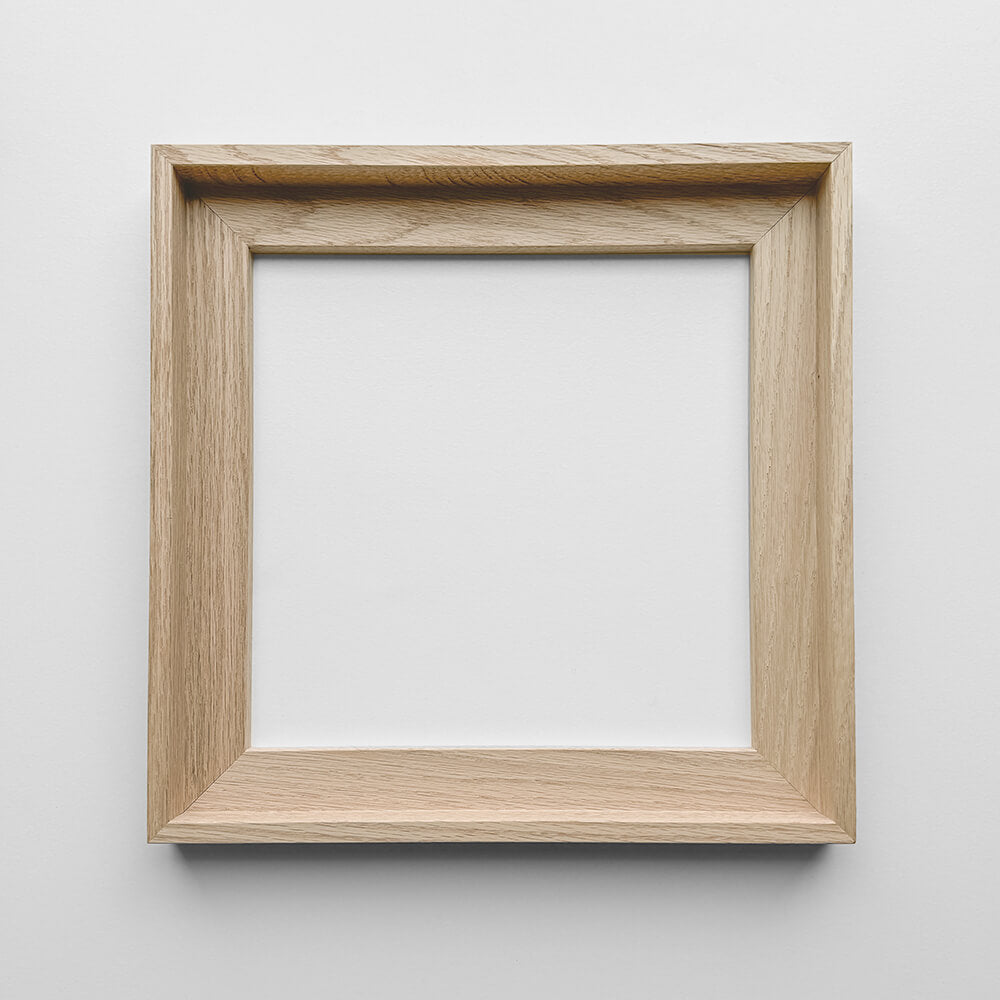
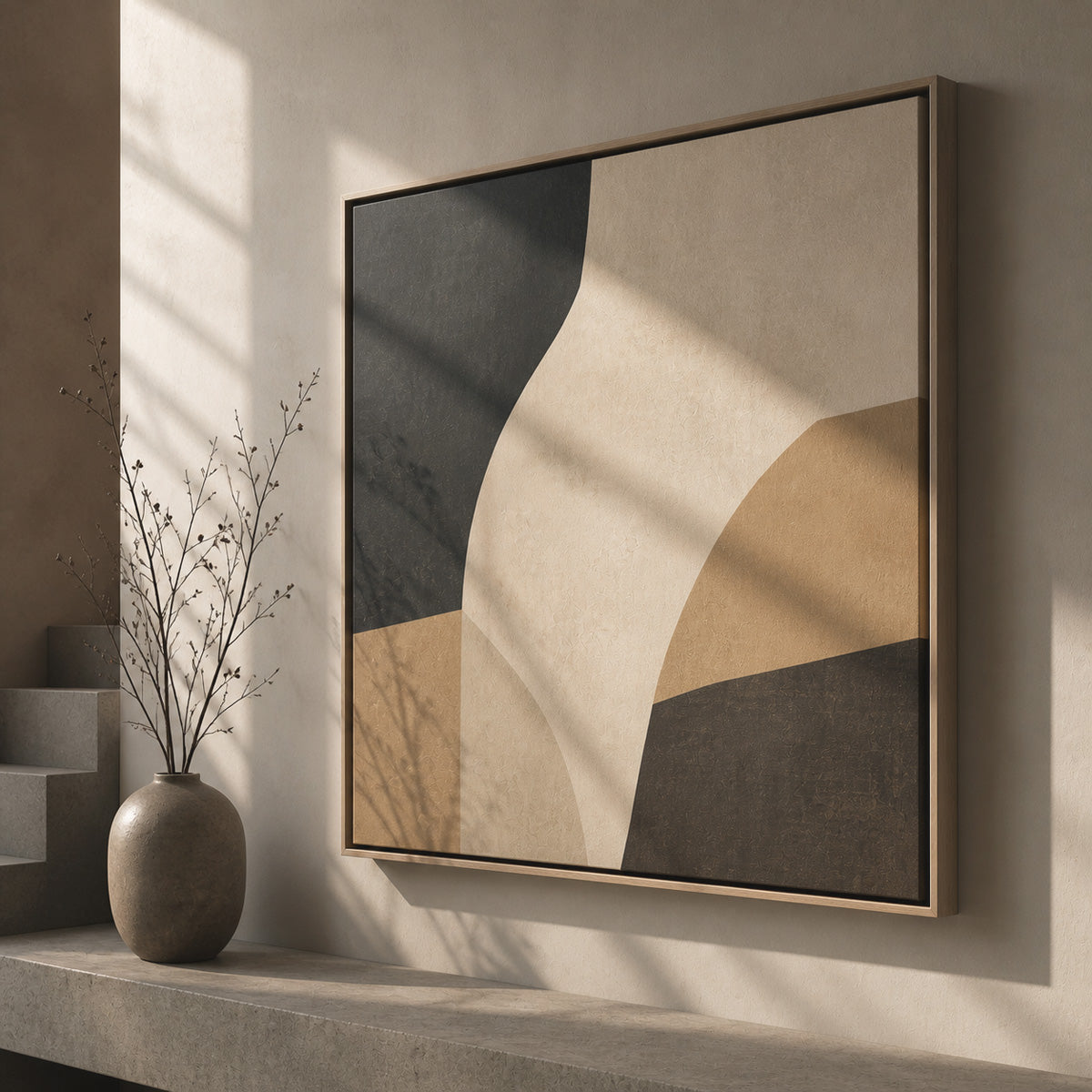
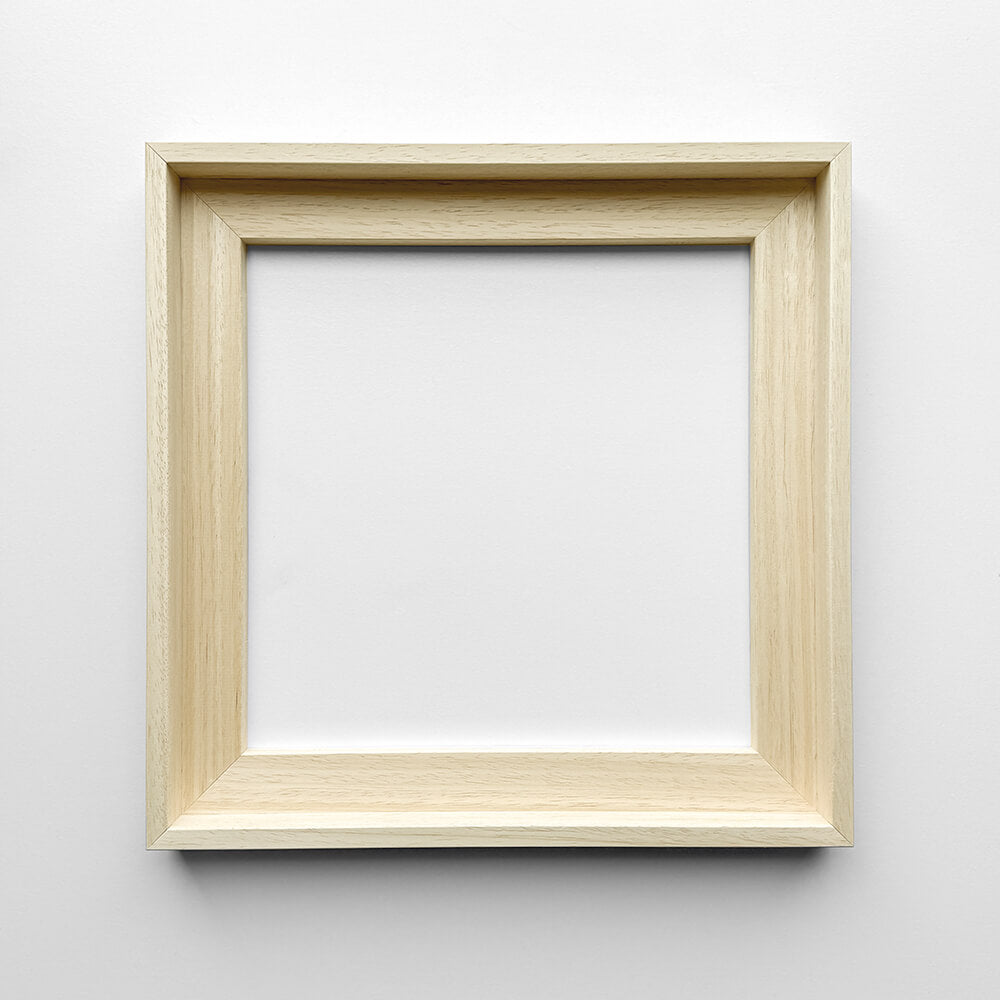
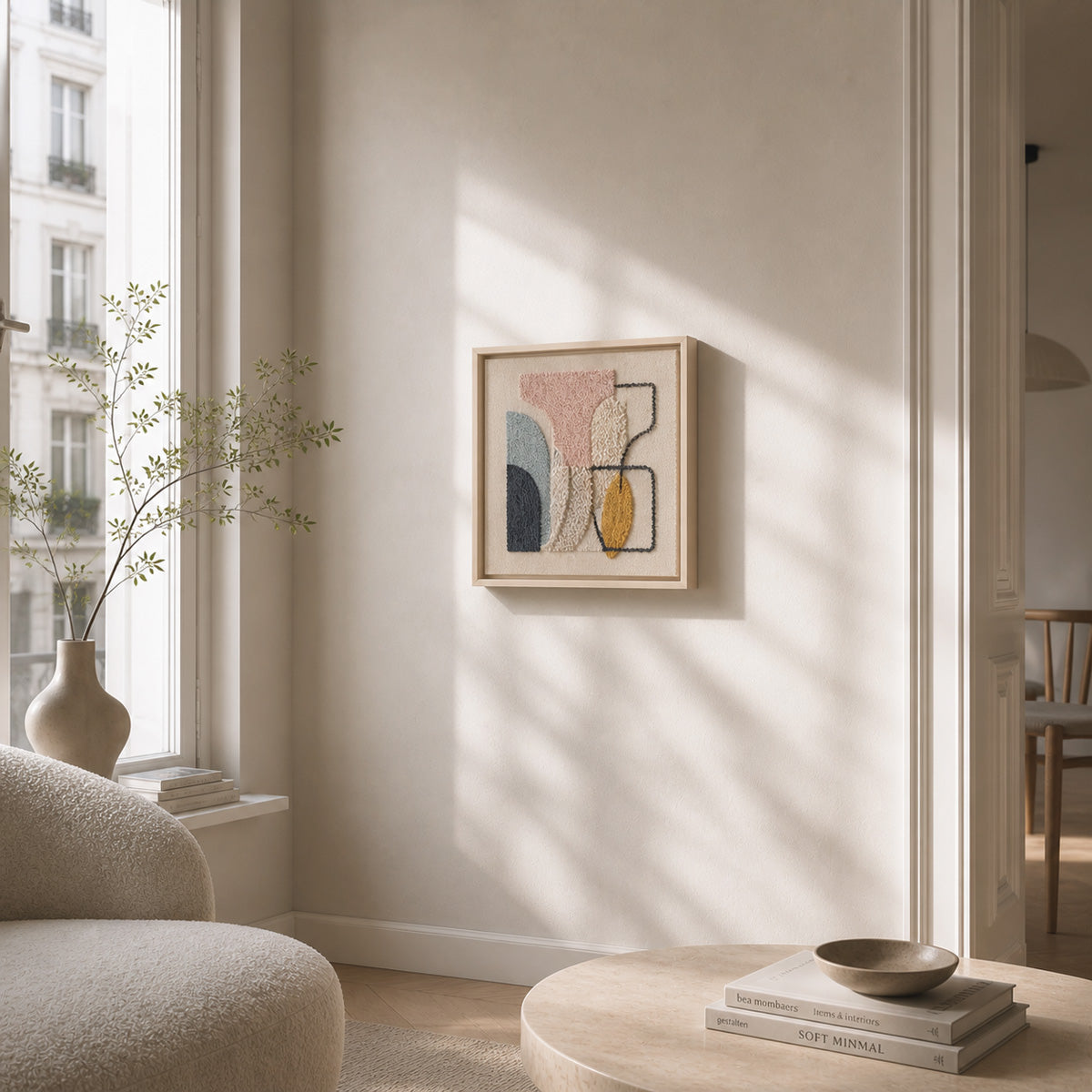
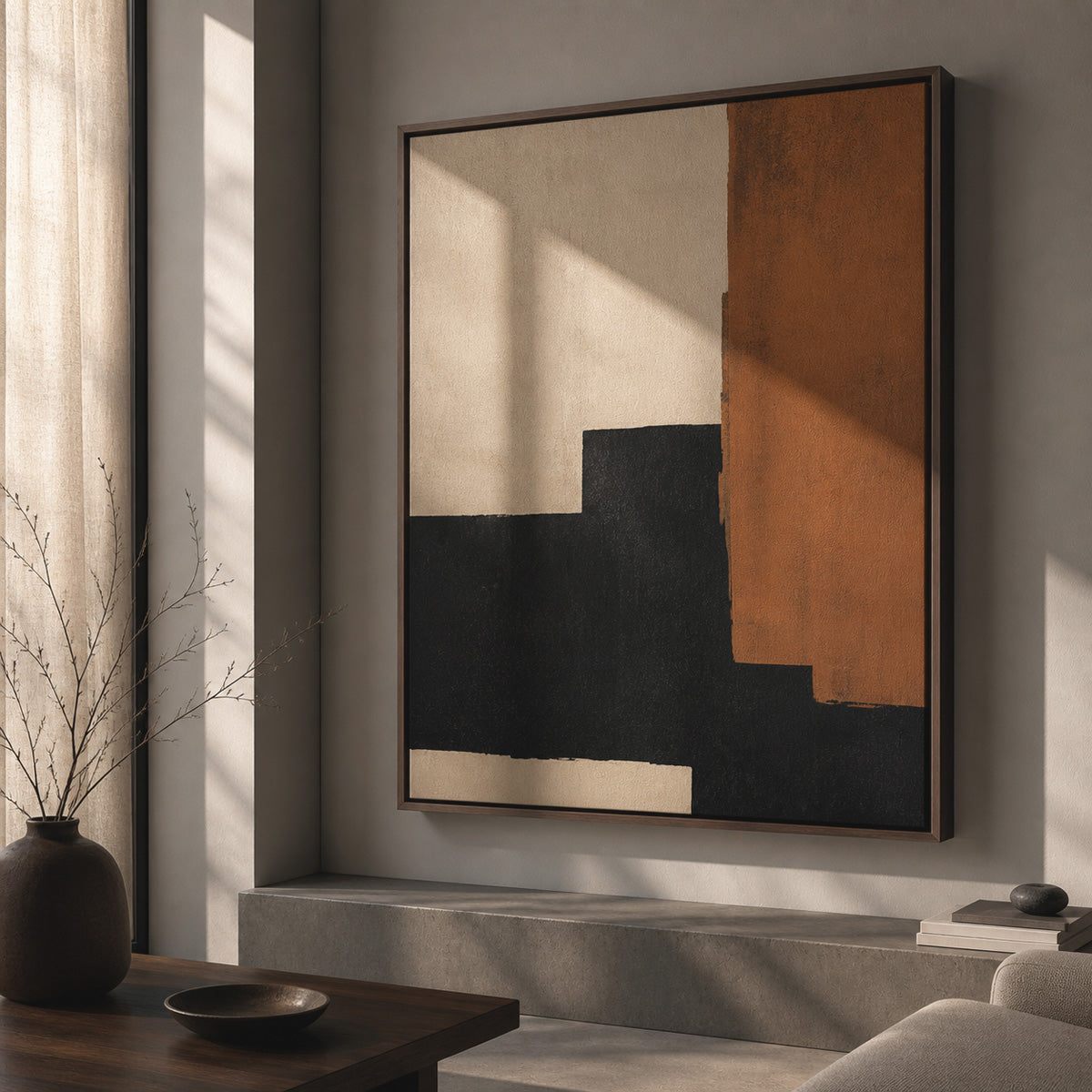
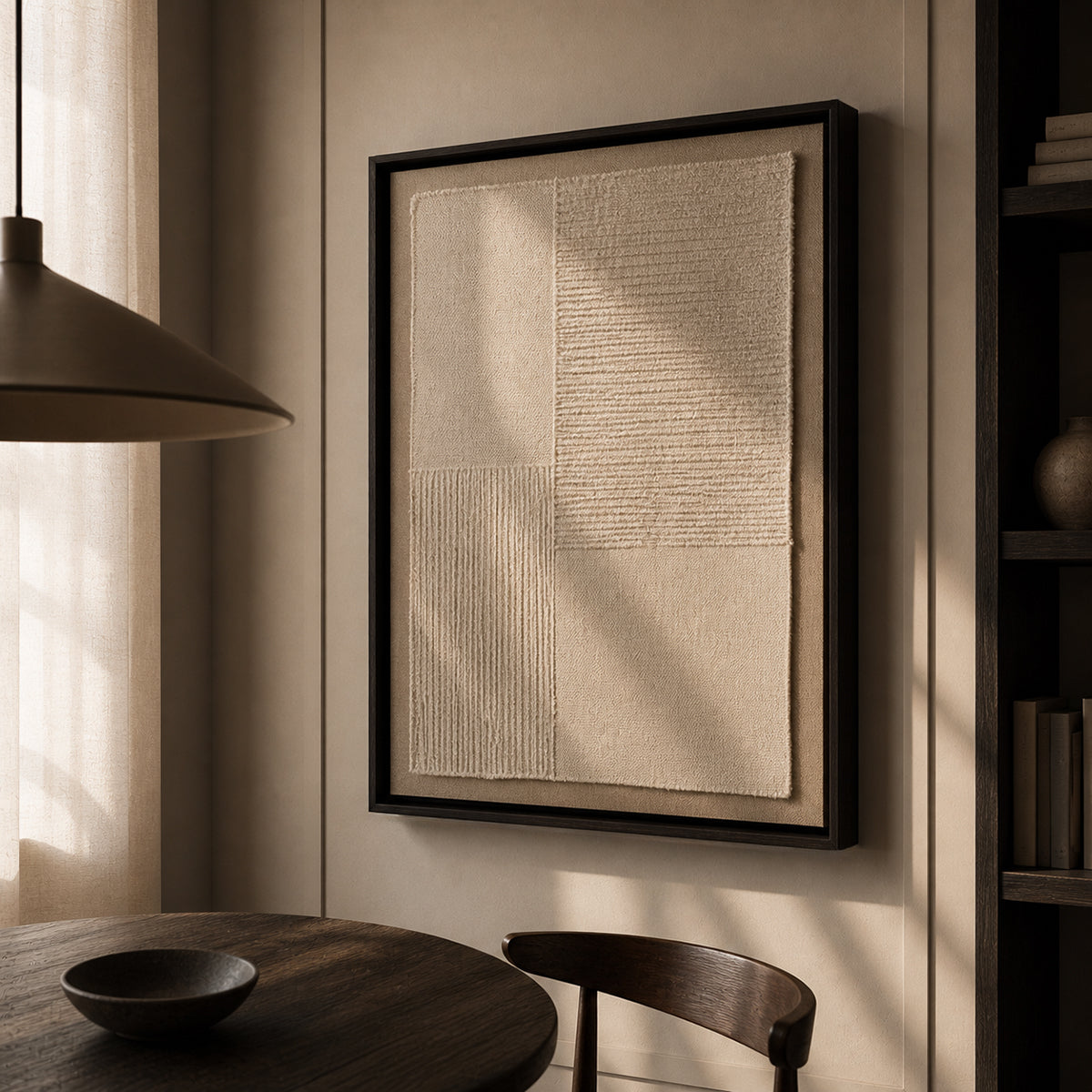
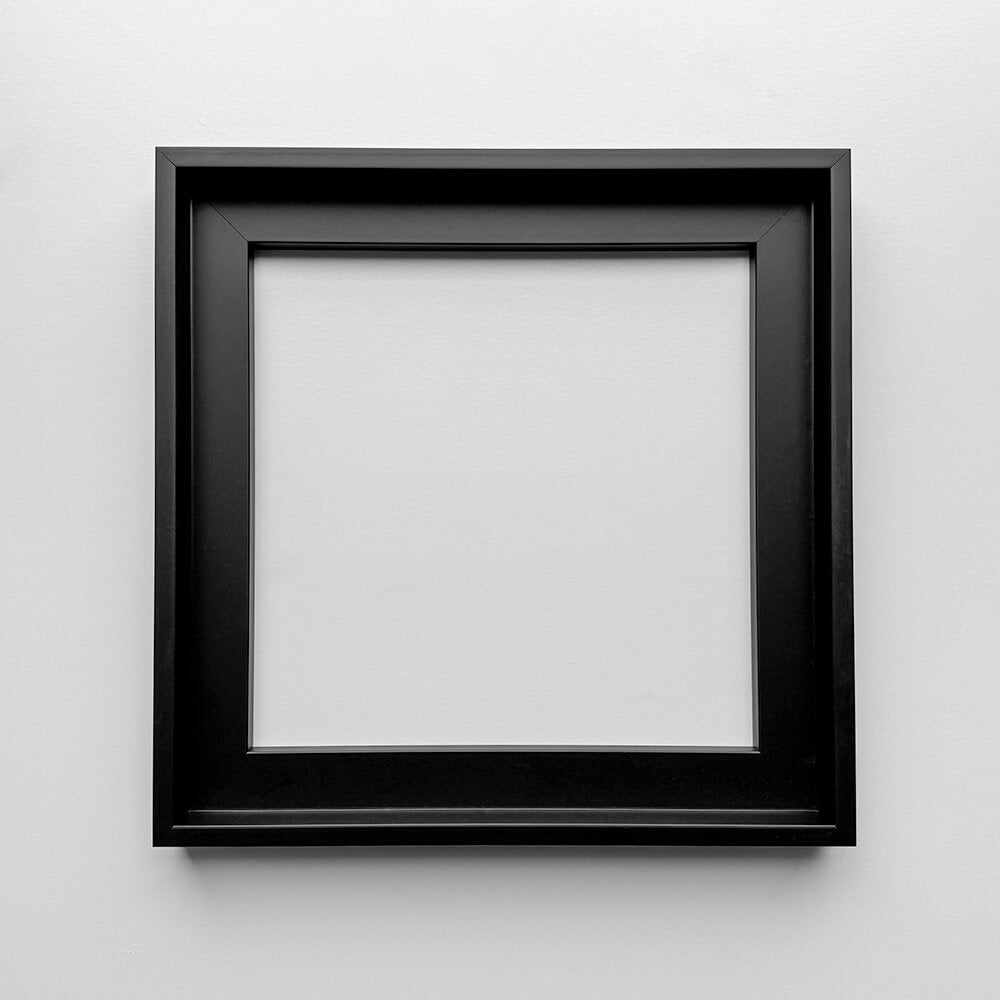
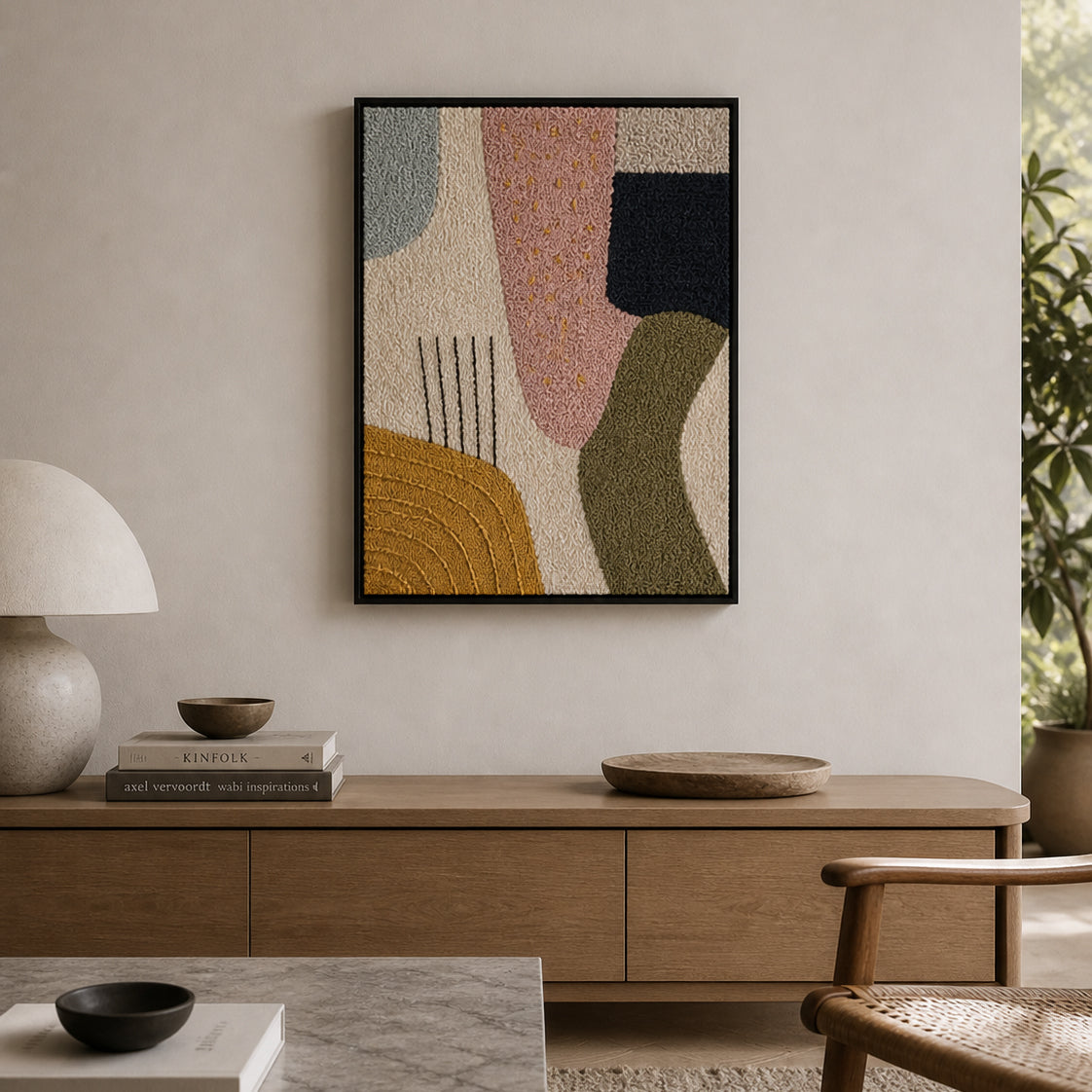
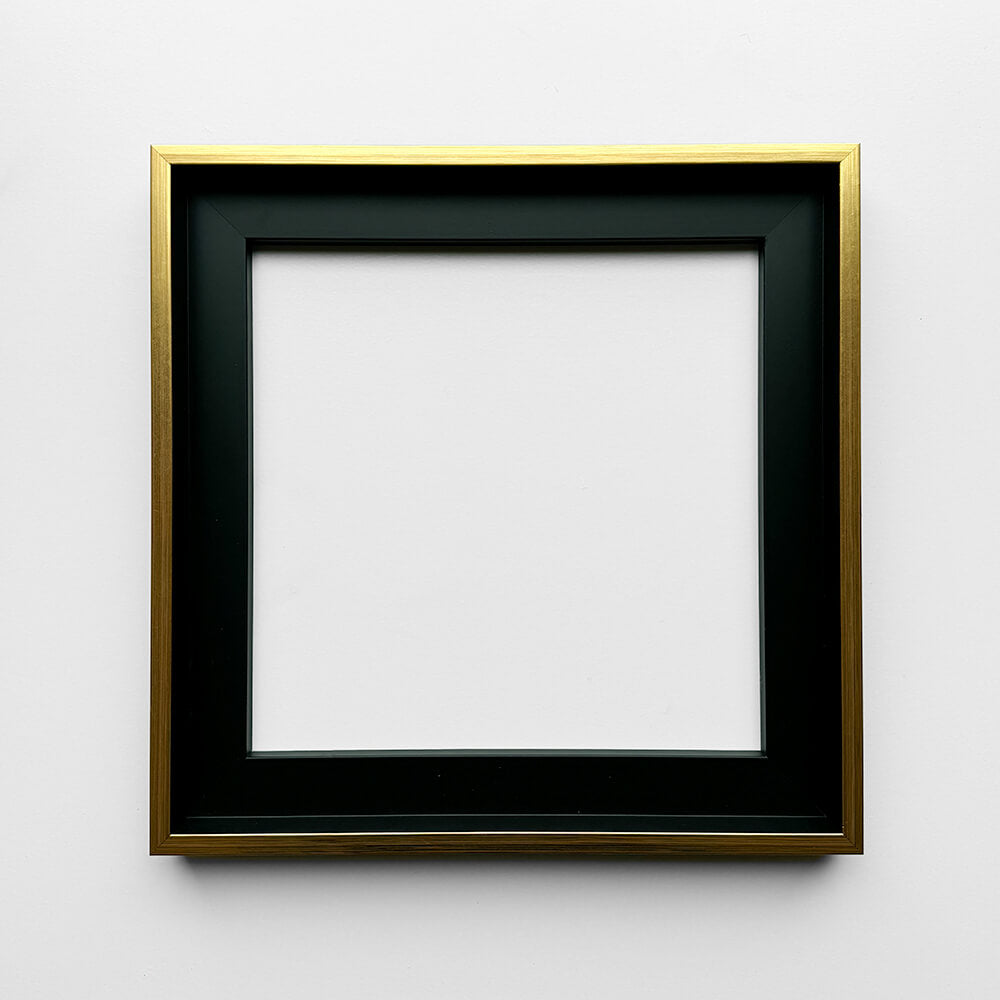
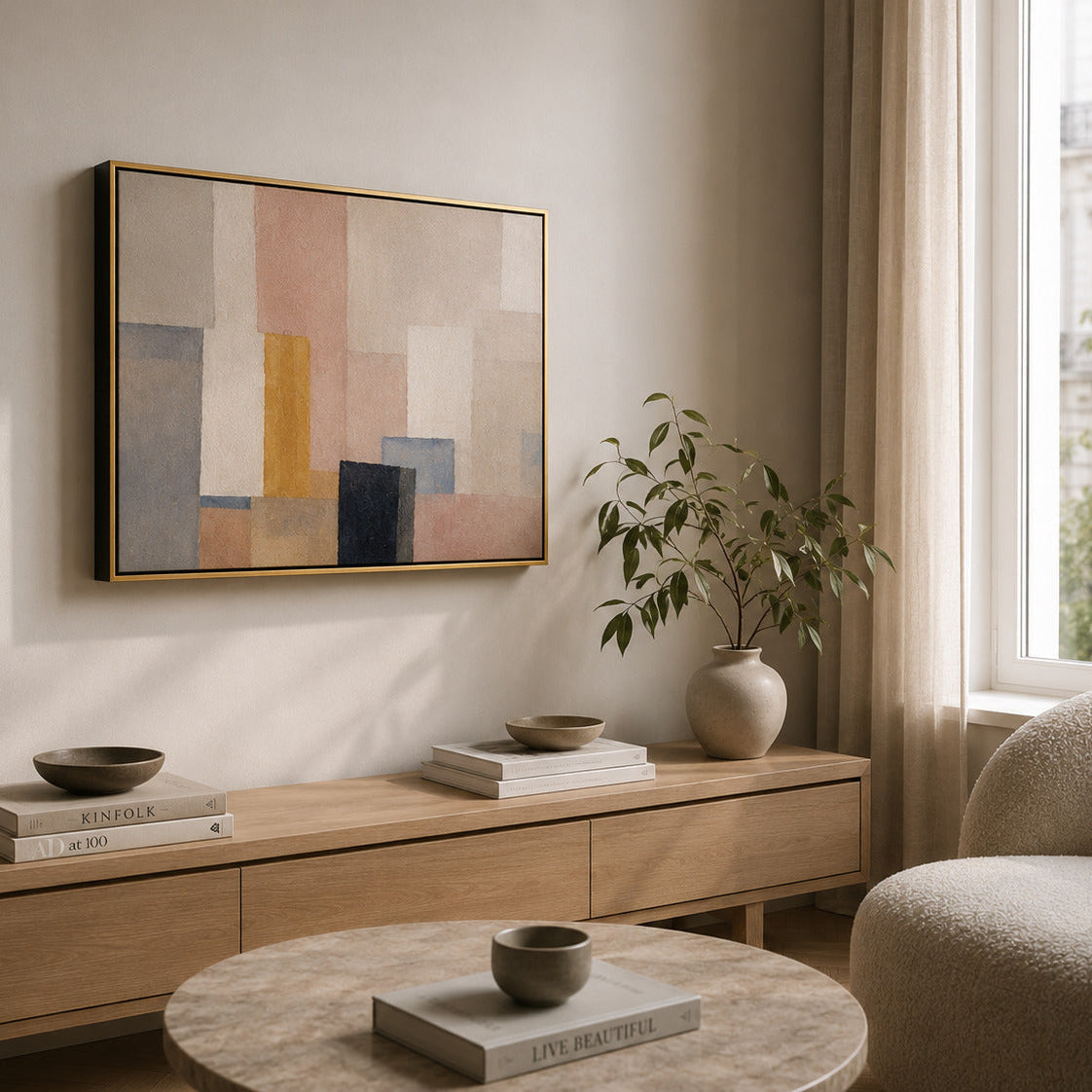
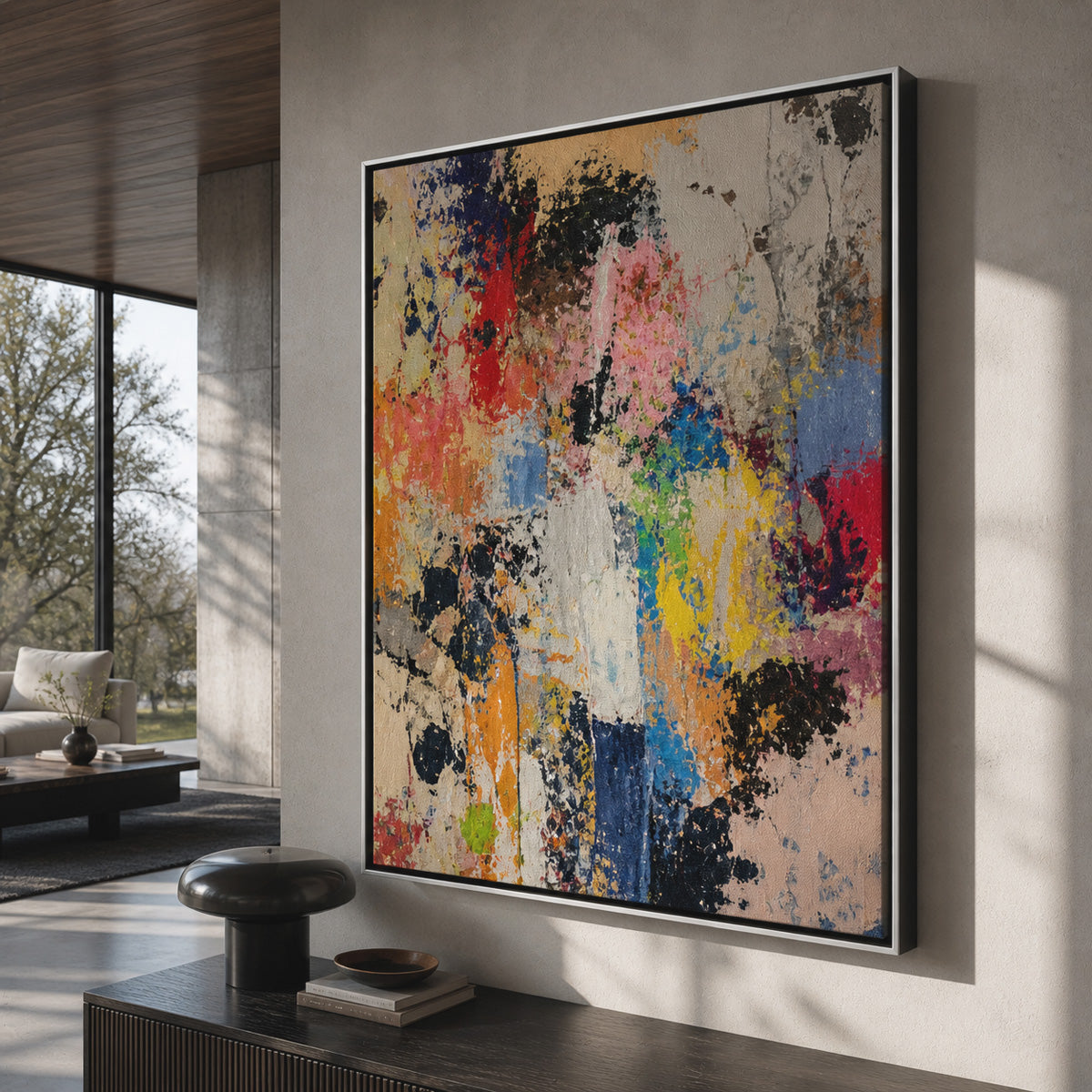
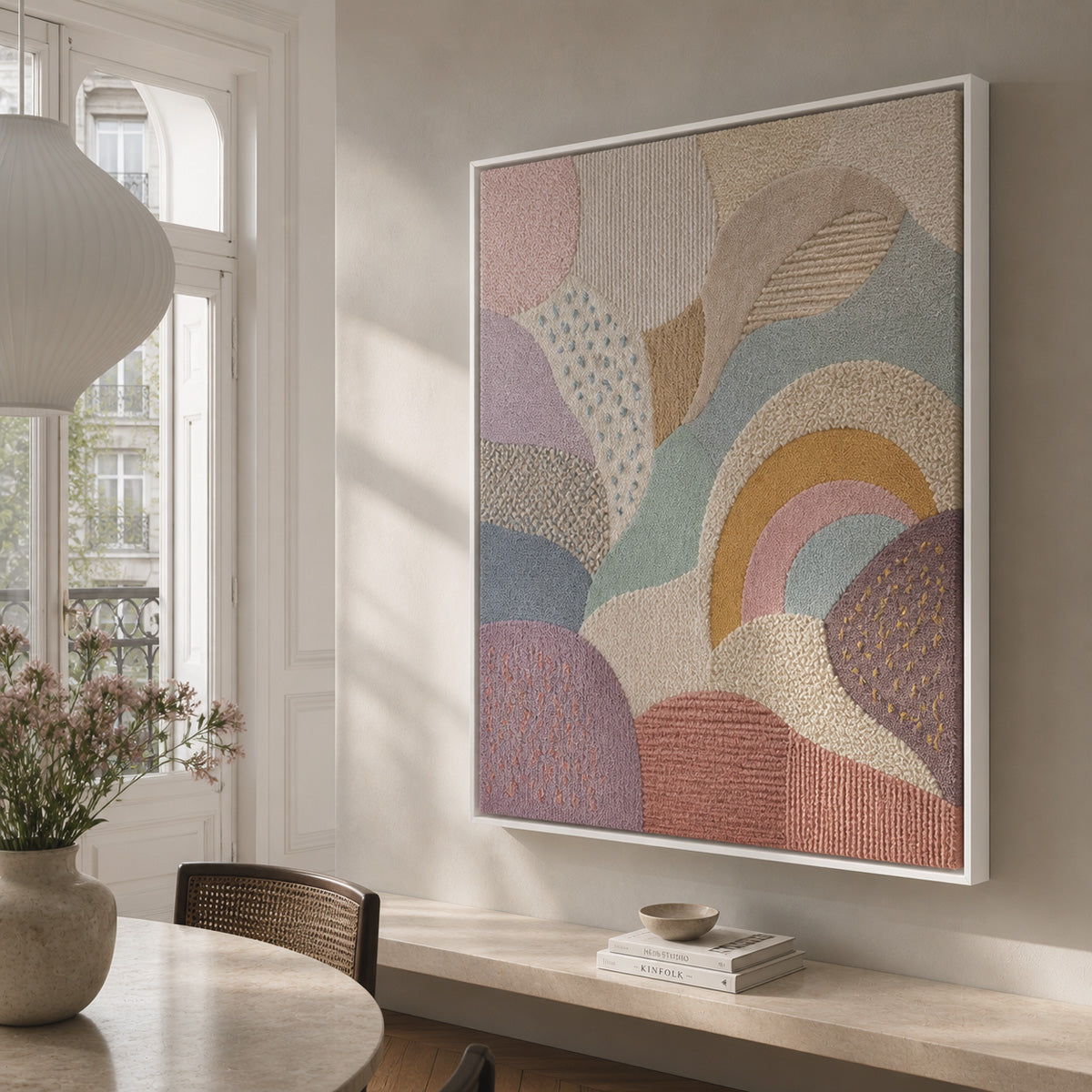
In the art world, presentation is as important as the work itself. Floating frames are an additional creative tool to transform your visual art with style and elegance. Whether you have just a single painting on canvas, are a professional artist or a passionate collector, the light, floating frames can lift your artwork in a new direction.
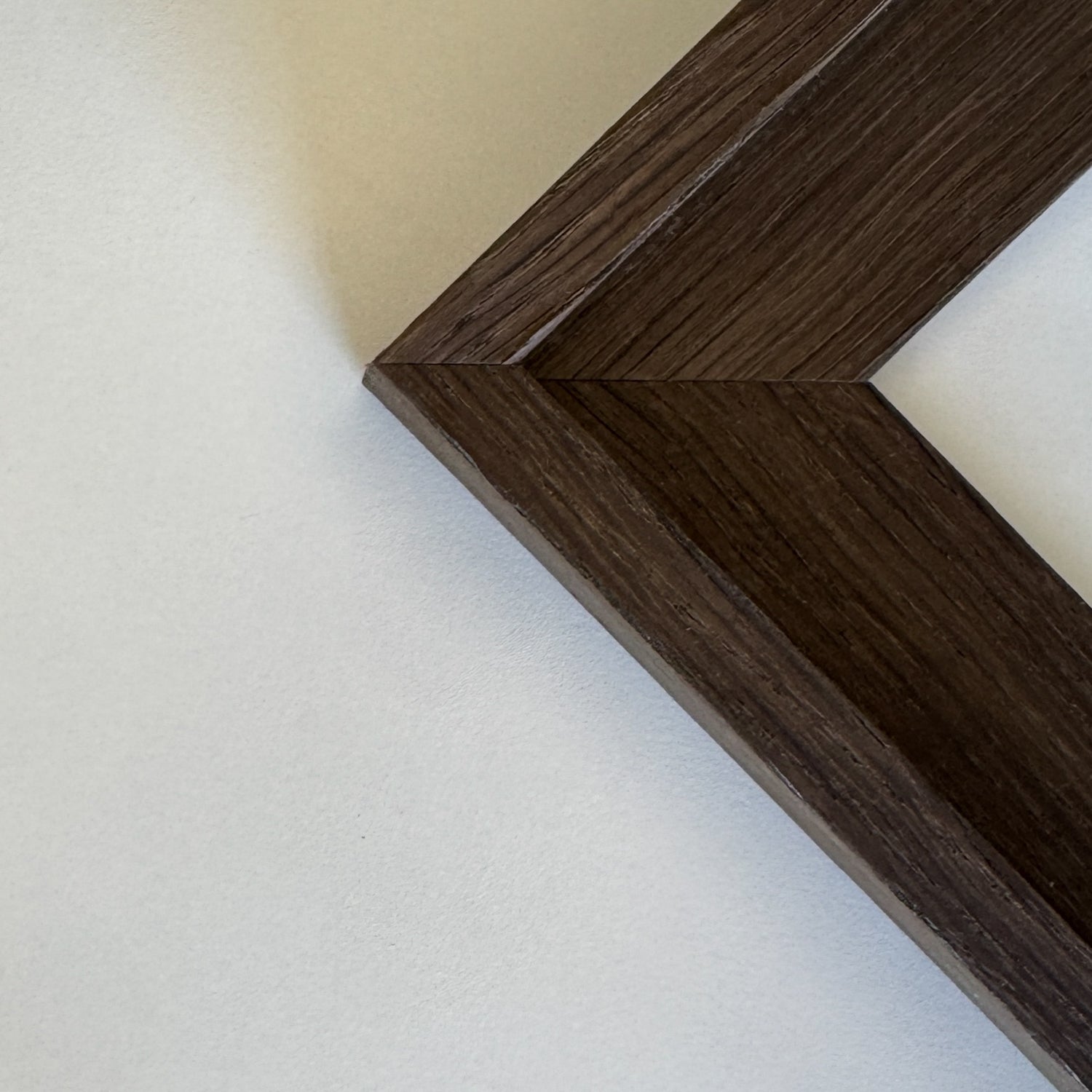
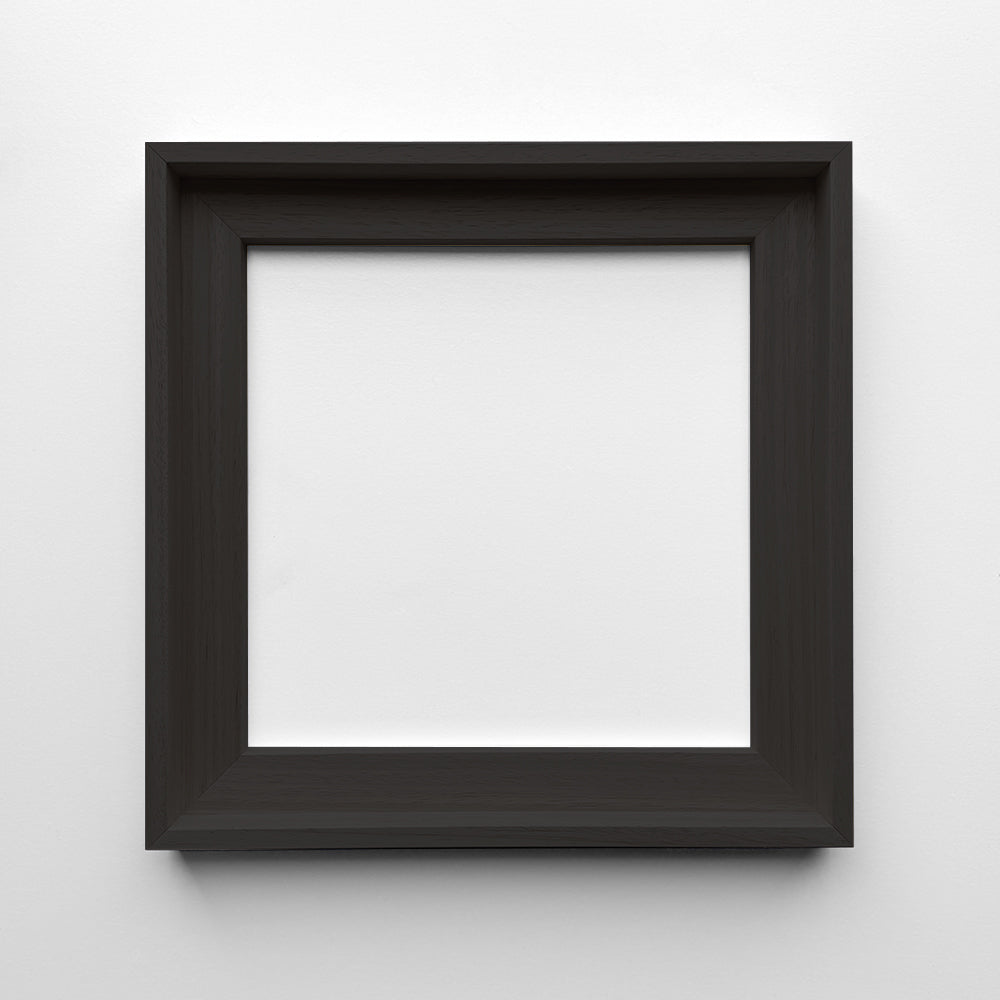
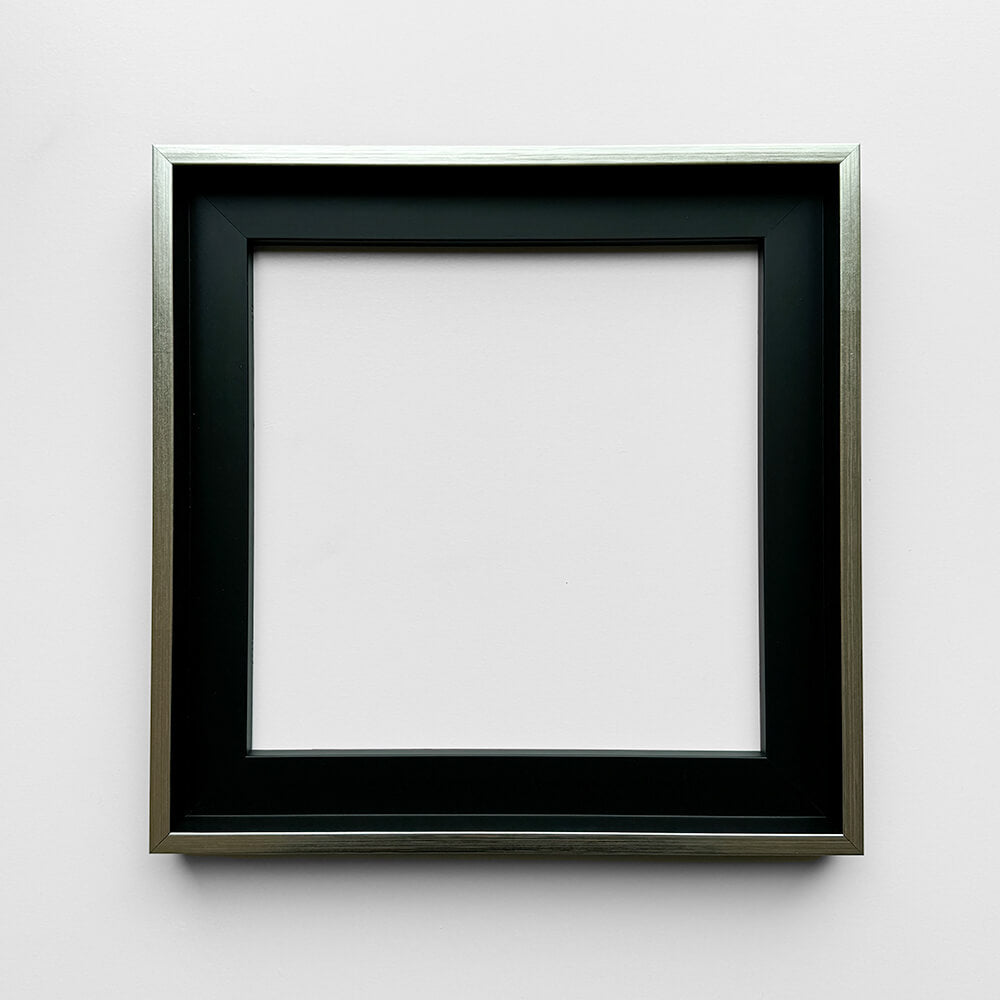
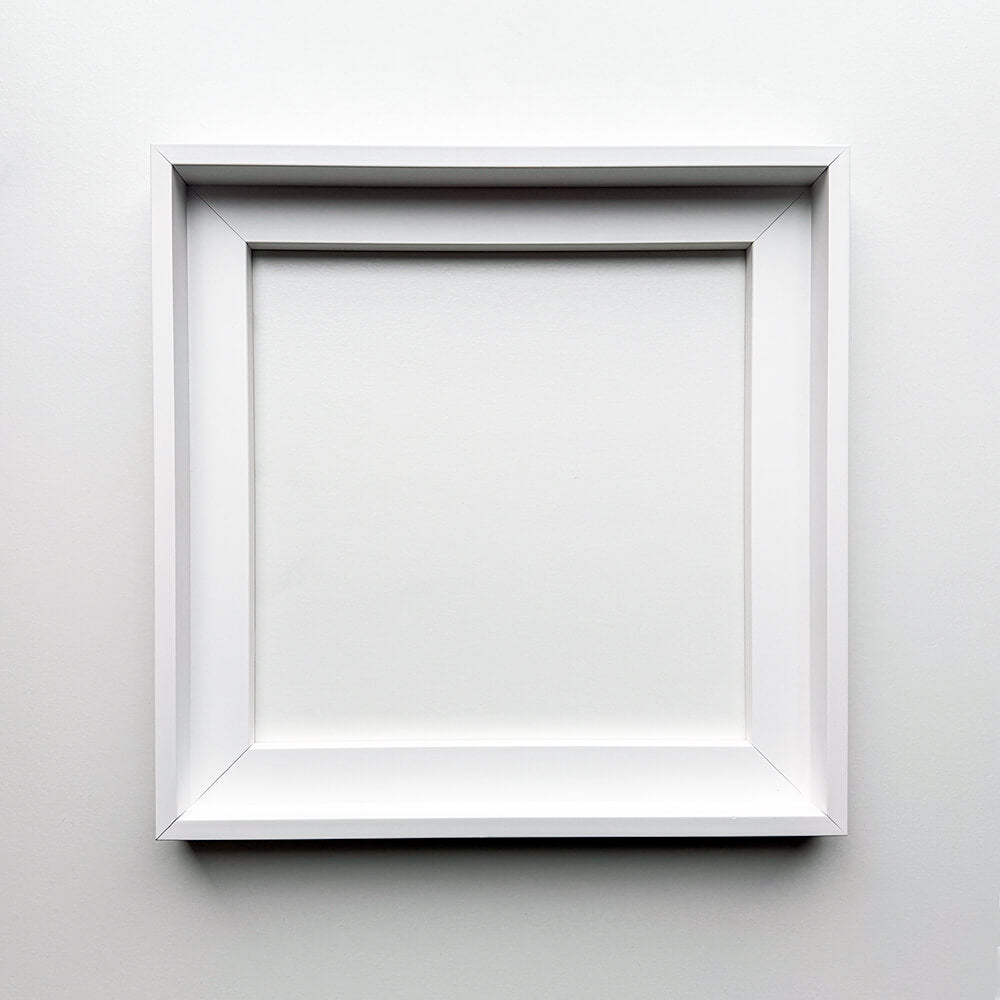
With a 10 mm narrow frame and 5 mm distance to your artwork, floating frames create the illusion that the image is floating freely.
Let's be inspired by how these frames can transform your art and create a visual narrative that stands the test of time.

What is
Floating frames
Floating frames are a special type of picture frame designed to create the illusion that the artwork is floating freely within the frame. This effect is achieved by leaving a small gap (typically 5 mm) between the artwork and the frame, resulting in a light and airy presentation.
Floating frames are often used for canvases and paintings, but can also be used for other forms of art.
One of the most striking features of floating frames is their ability to create a three-dimensional effect. By positioning the artwork slightly forward or backward in the frame, a depth is created that adds an extra dimension to the presentation. This depth can help highlight details and nuances in the artwork that might otherwise be lost in a traditional frame.
In addition to their aesthetic benefits, floating frames are also very practical. They are easy to mount and do not require glass or plexiglass, which makes them lighter and more manageable. Furthermore, floating frames protect the artwork by keeping it away from direct contact with the frame, which can be important for preserving the work's integrity over time. However, not having glass also exposes the work to UV rays.