







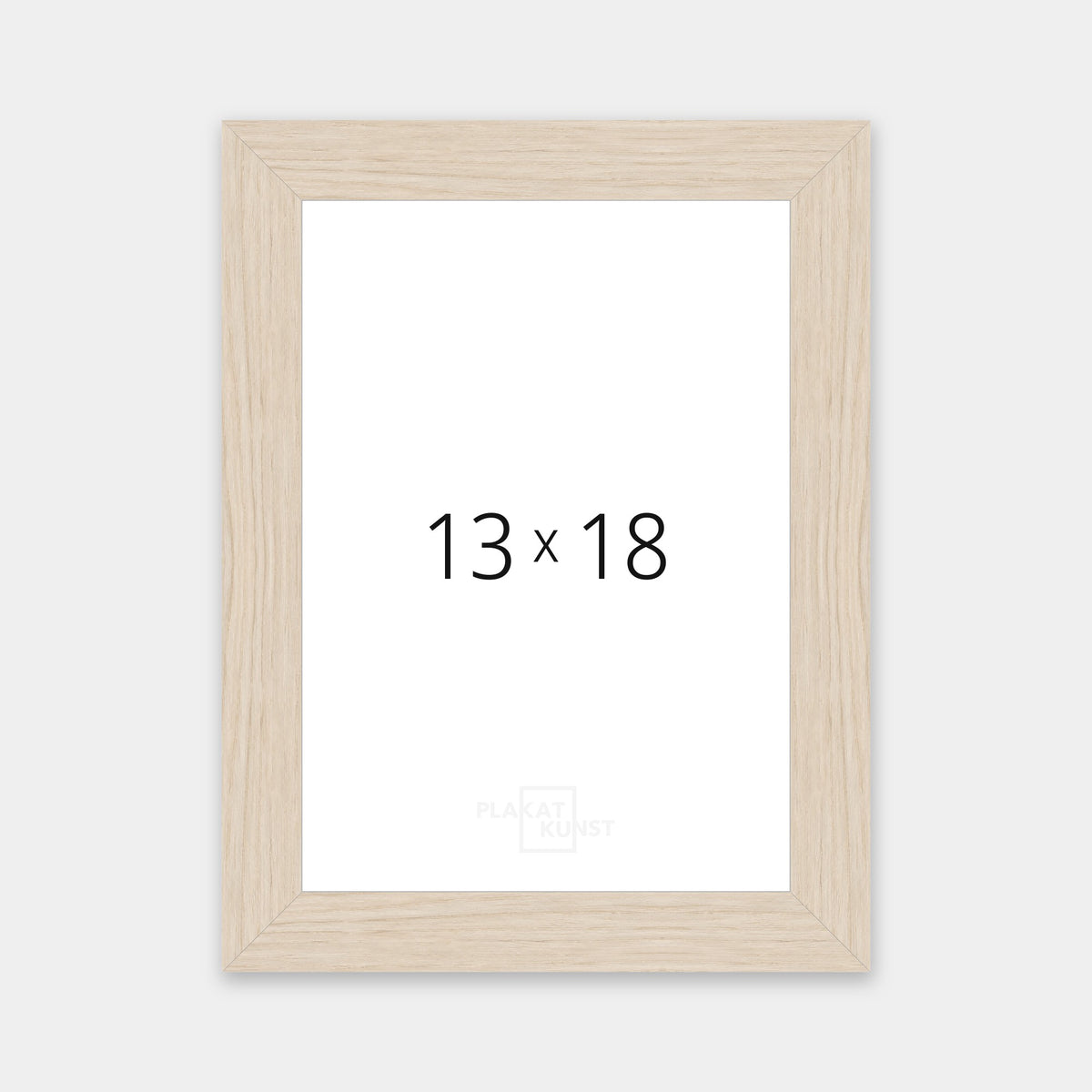

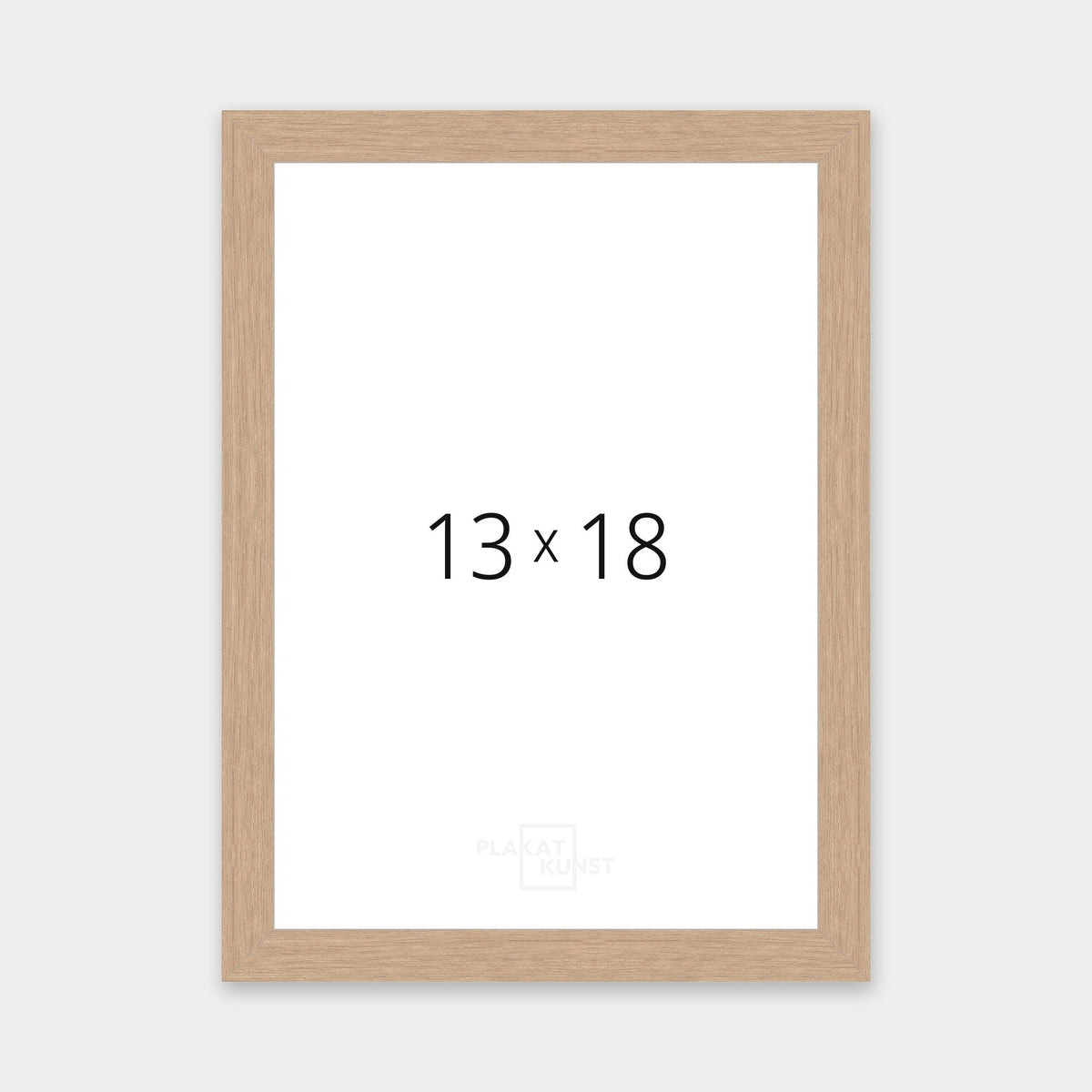

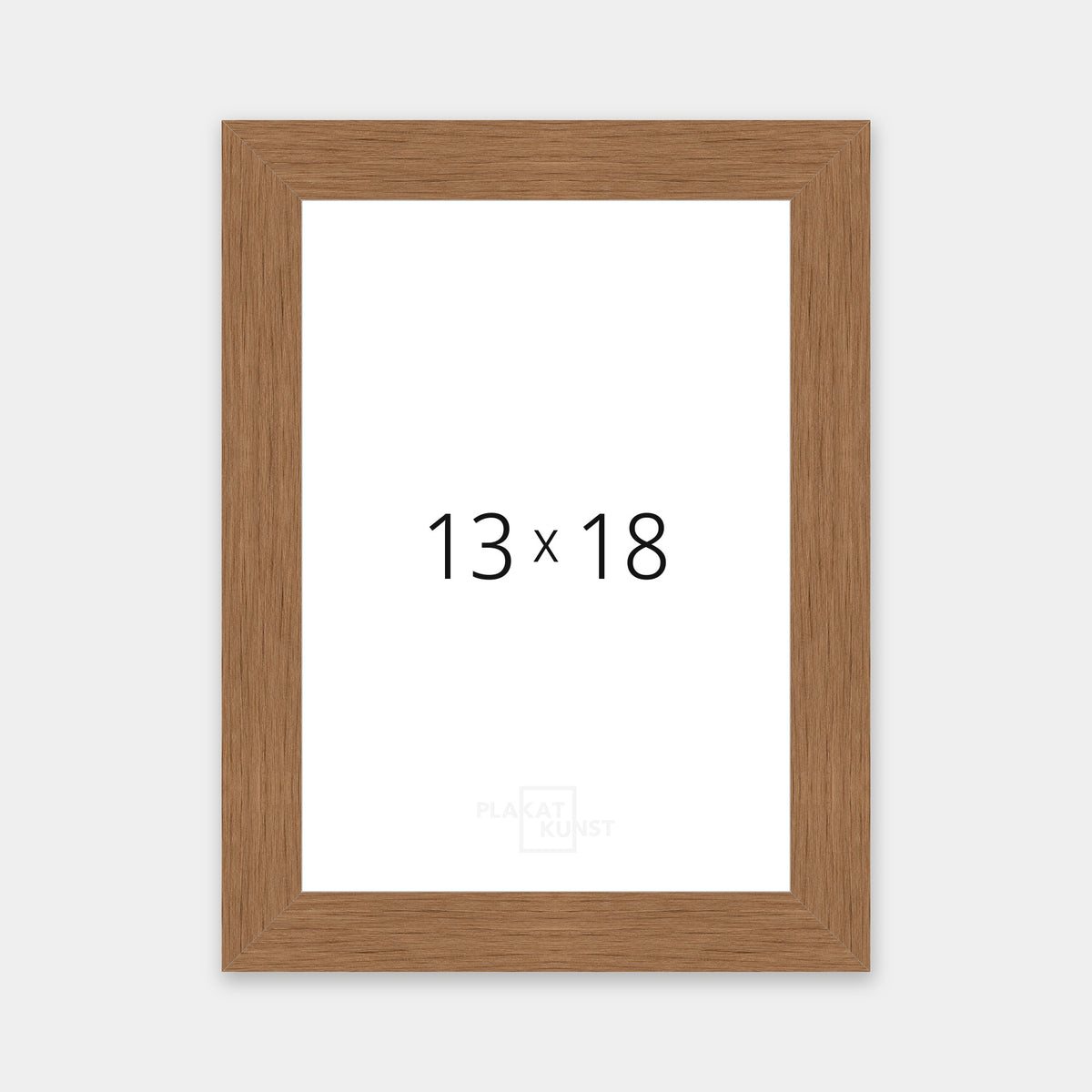

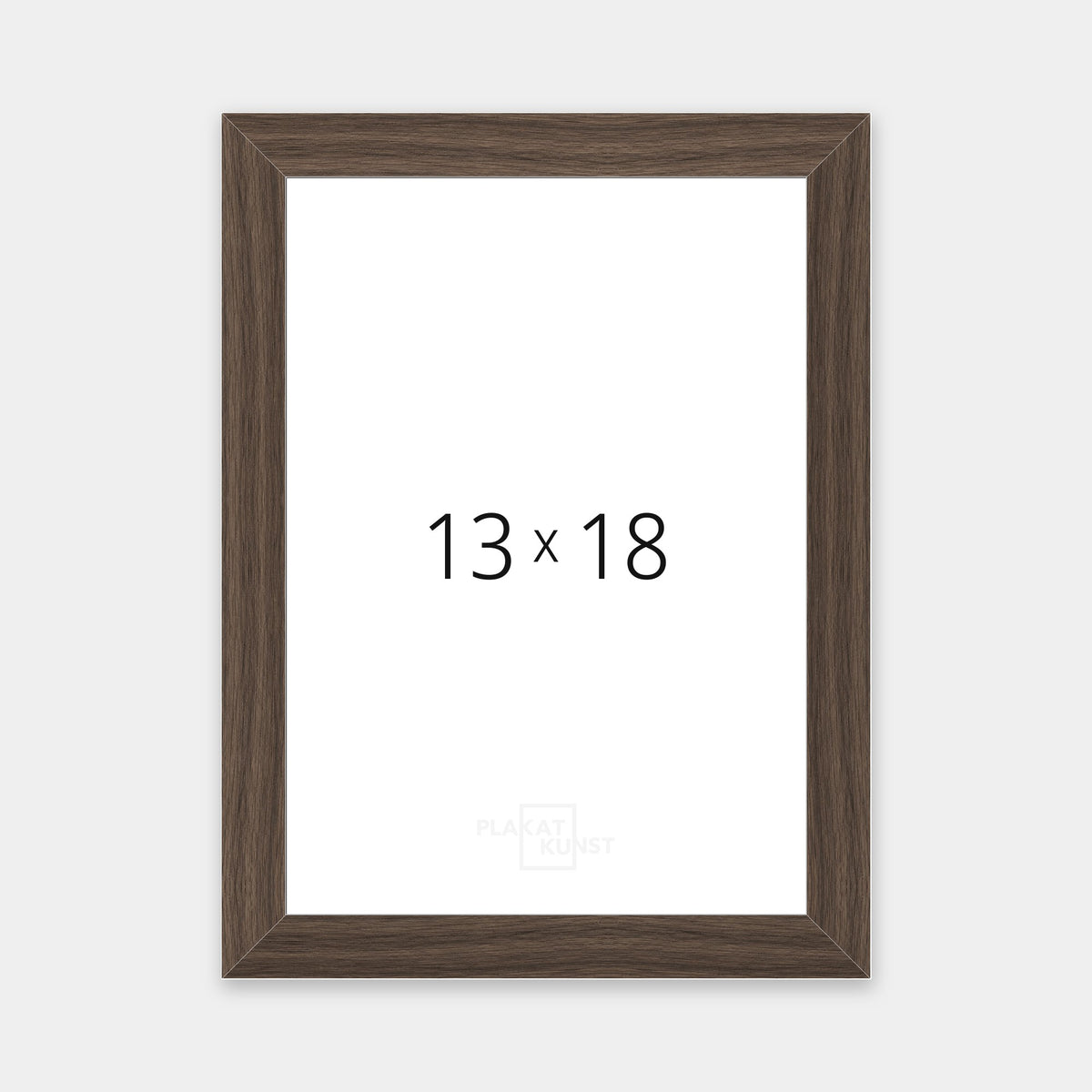

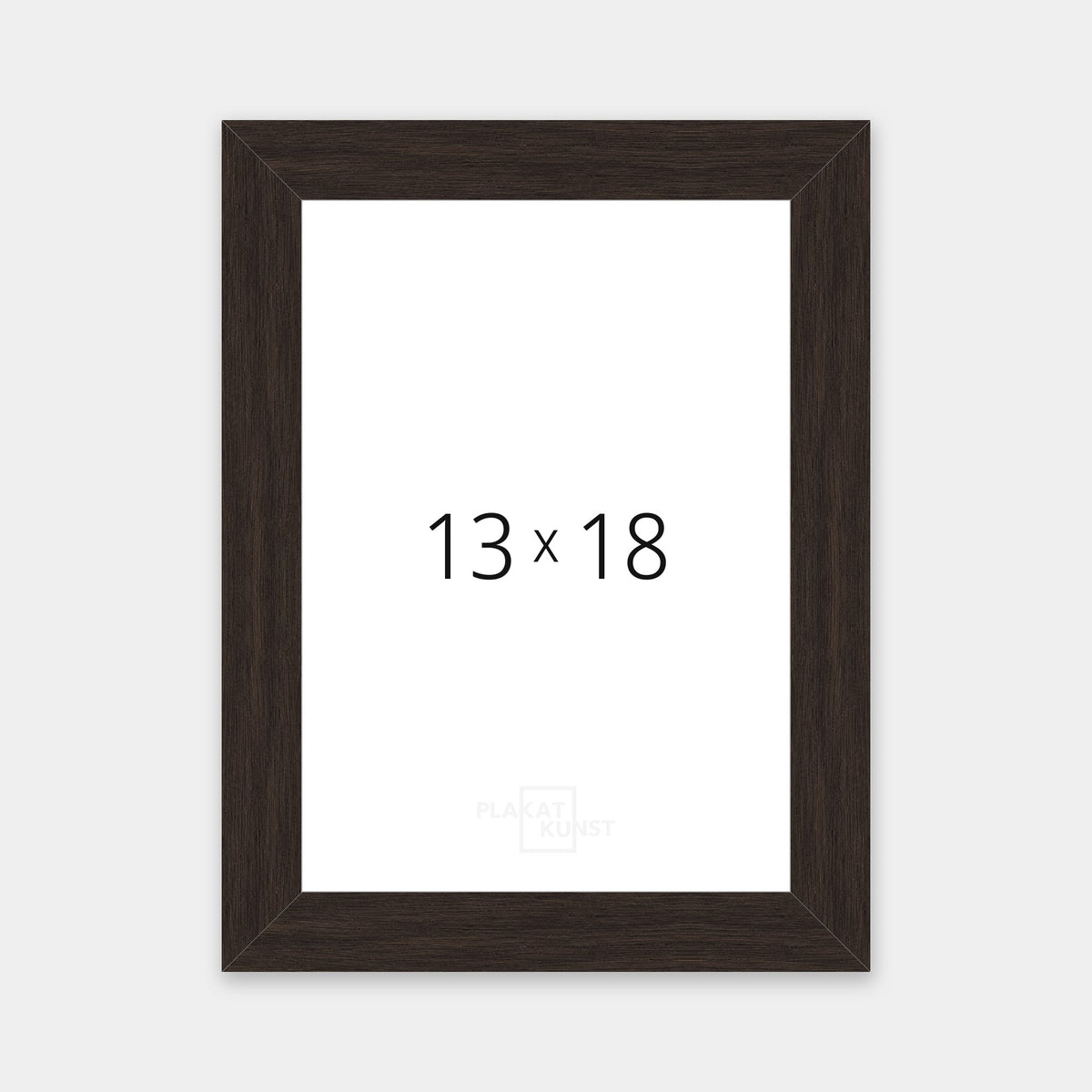
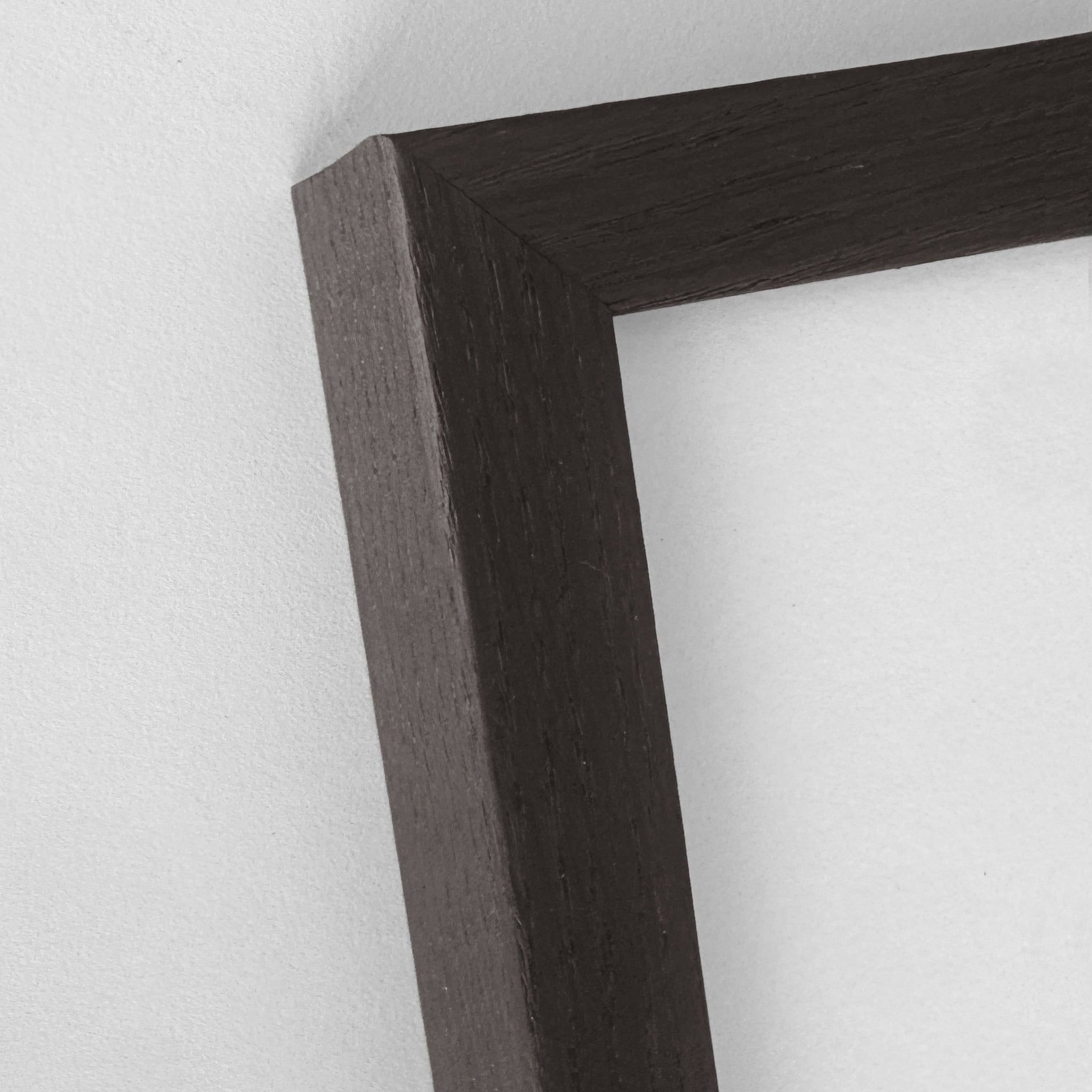
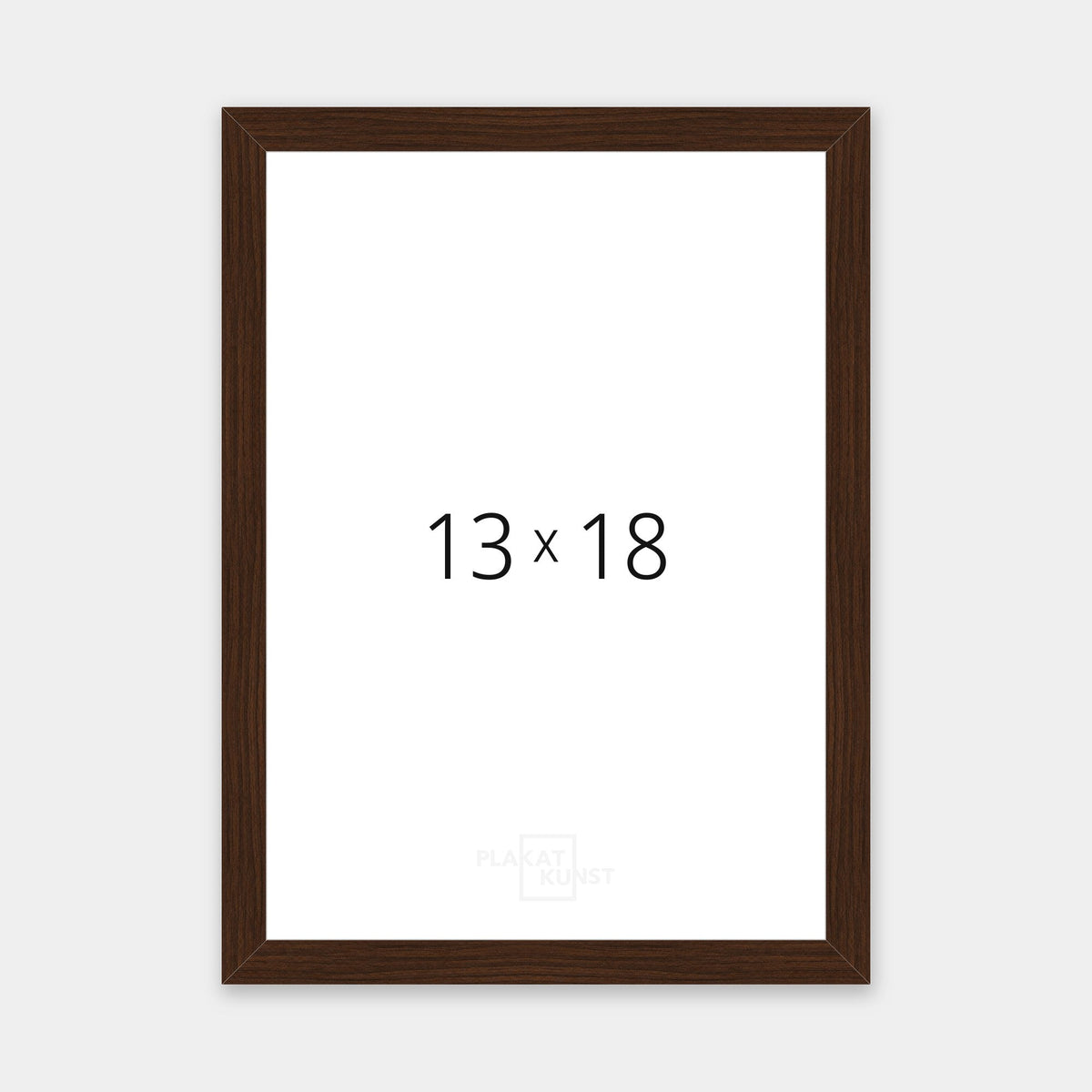

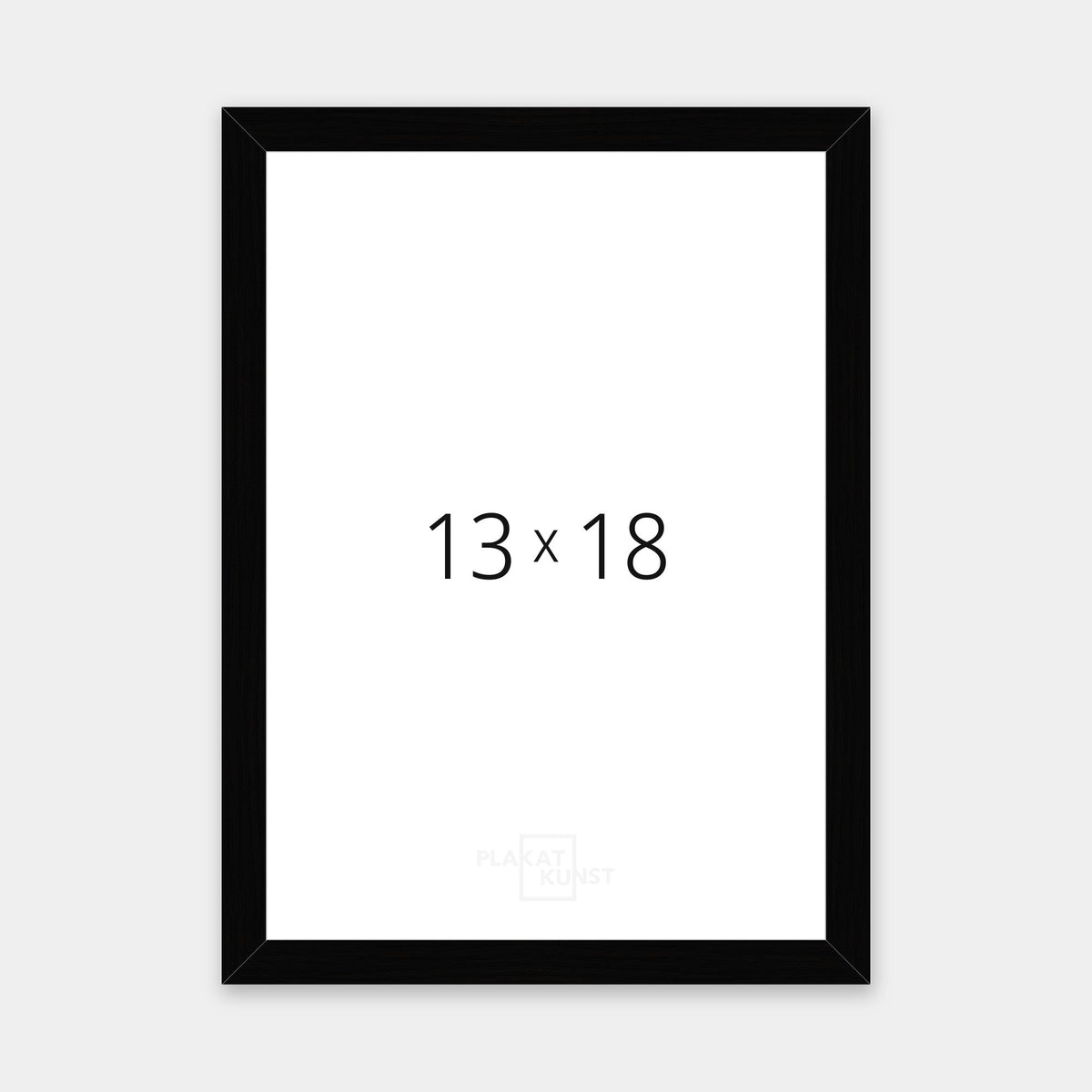







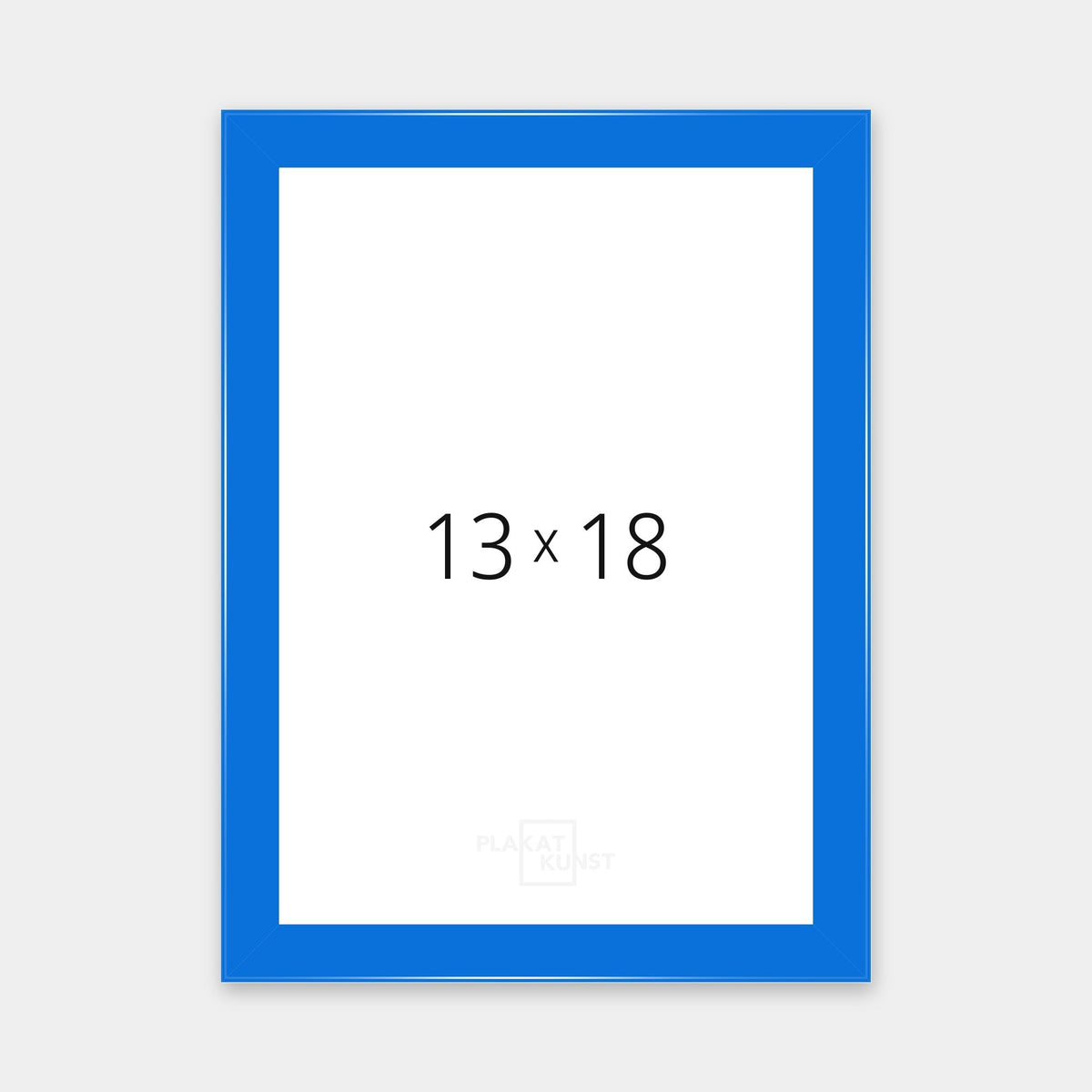


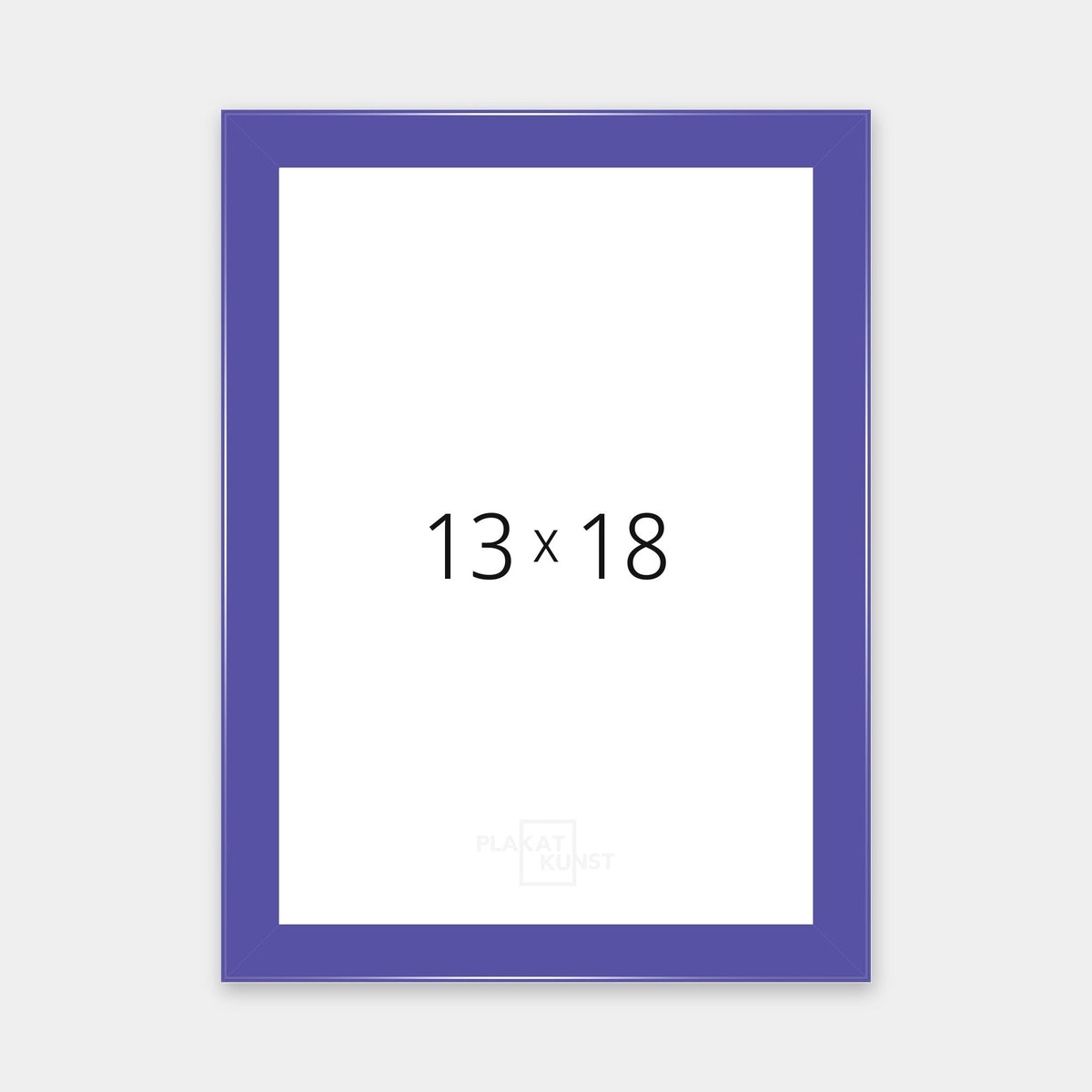


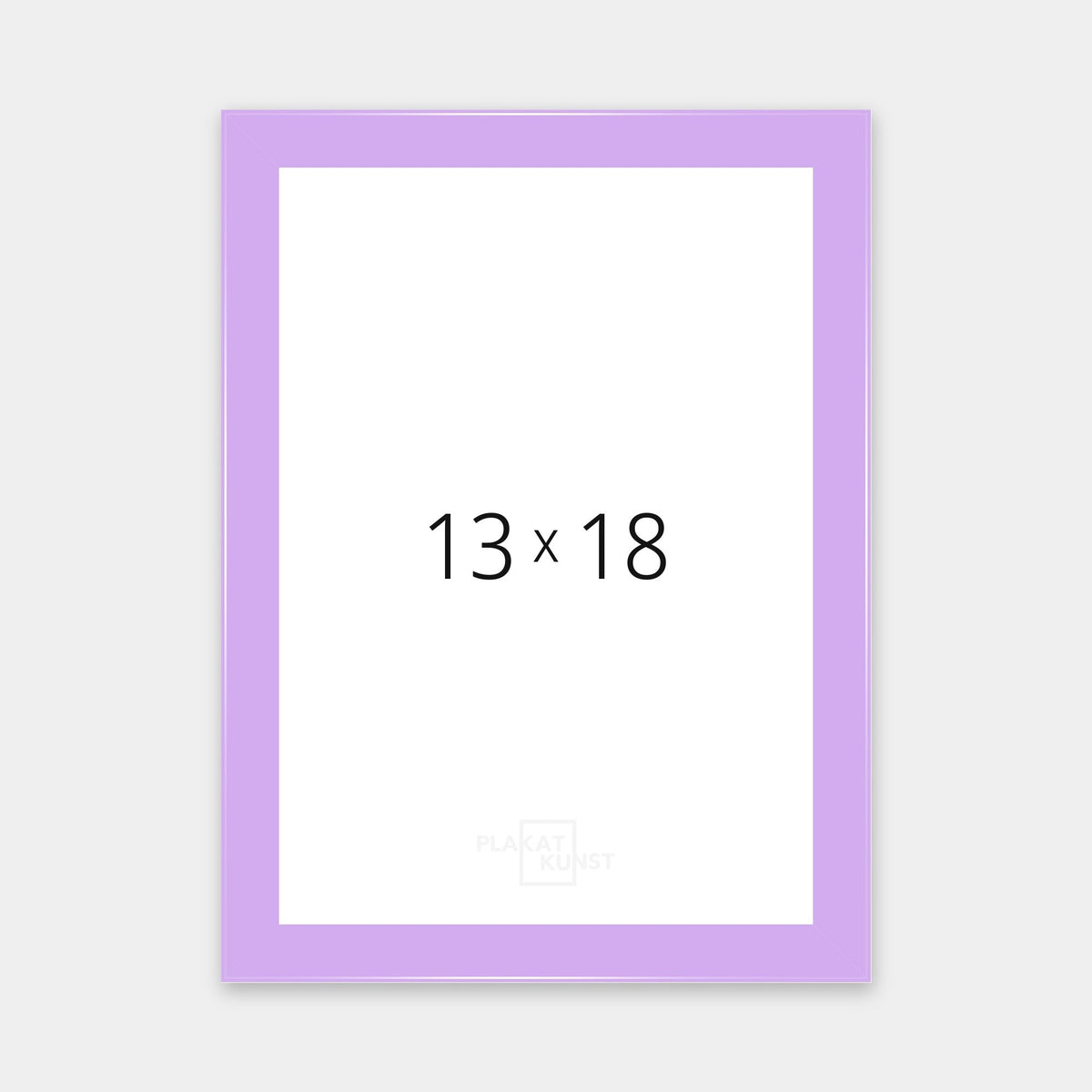












Give your photo the right frame
Combine and compare
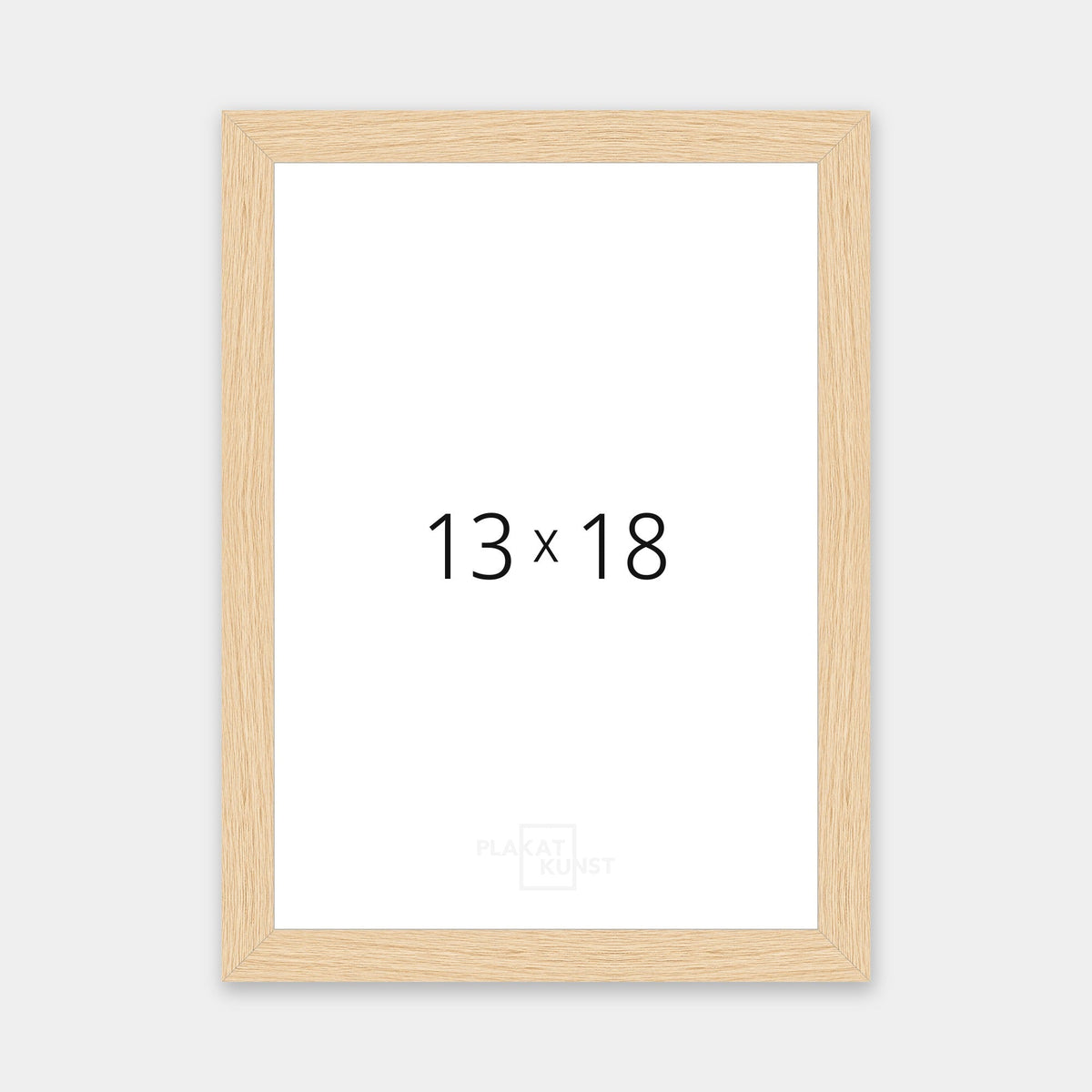
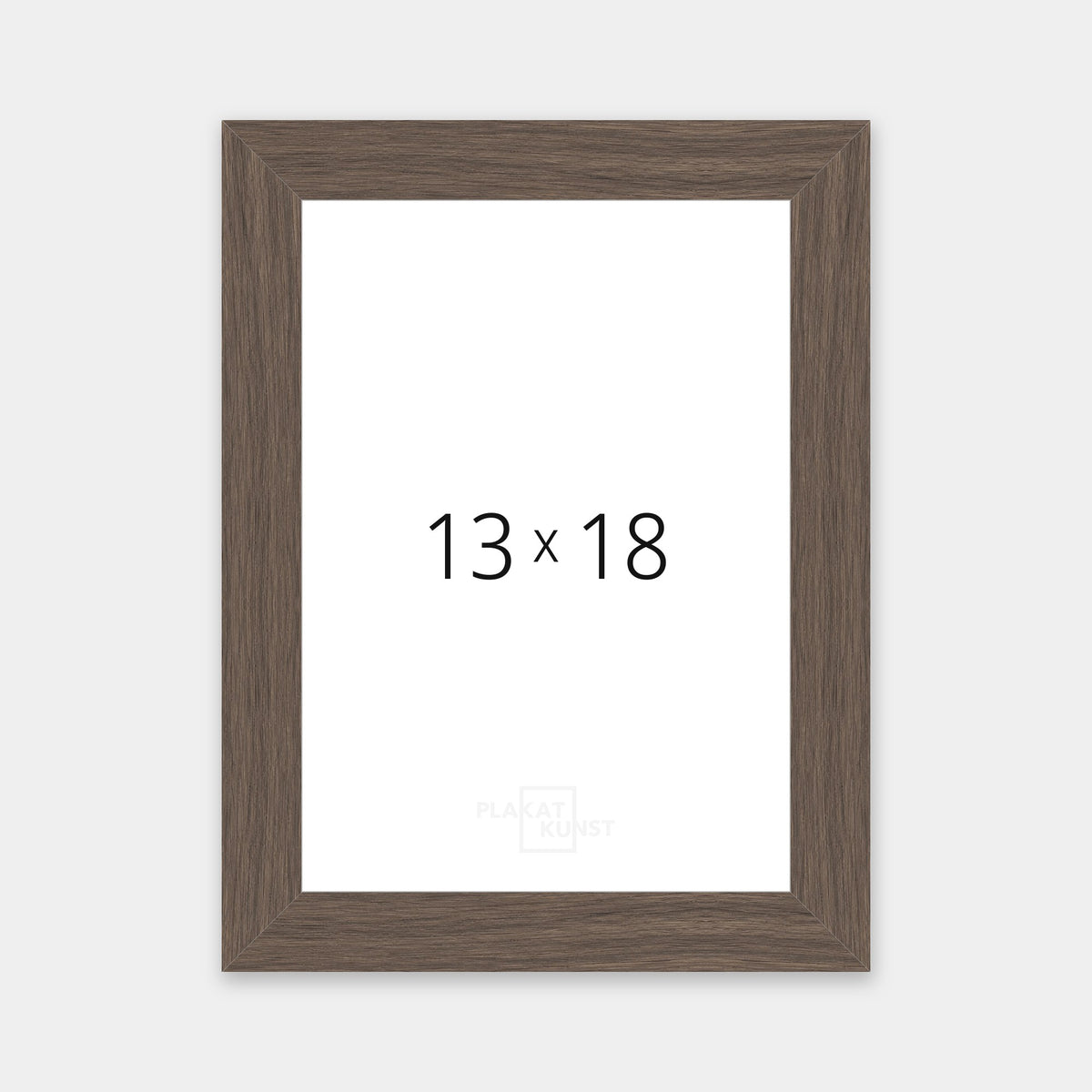
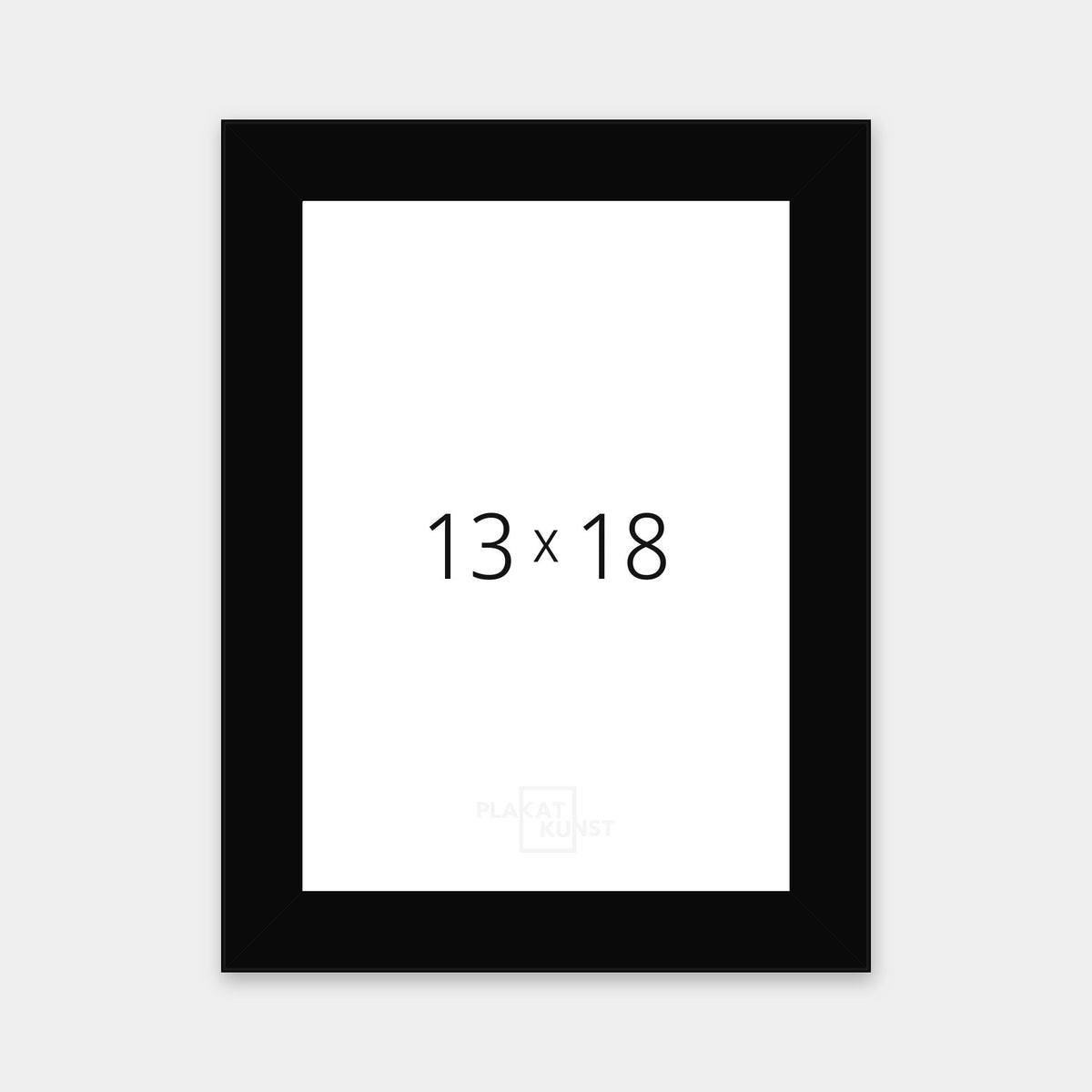
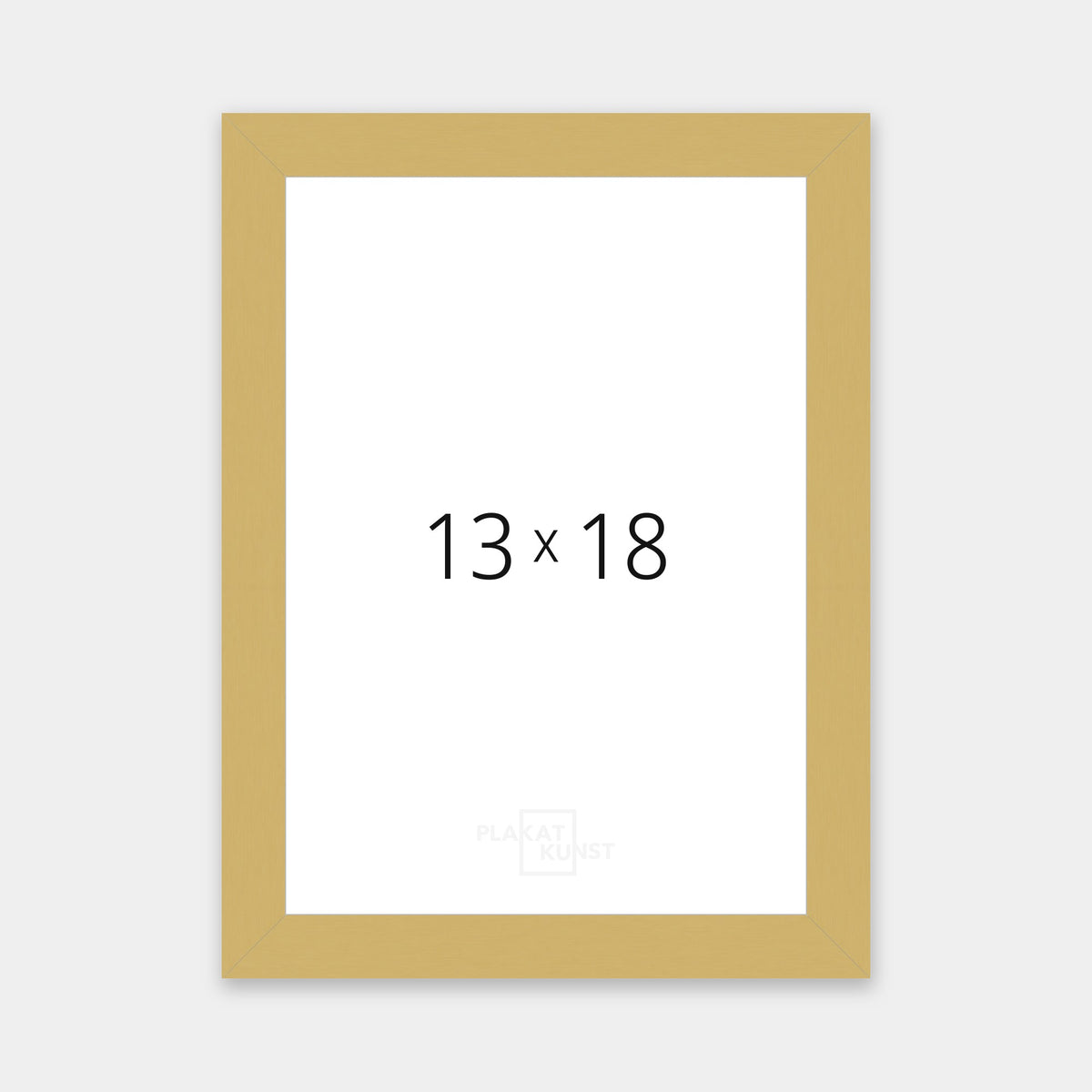
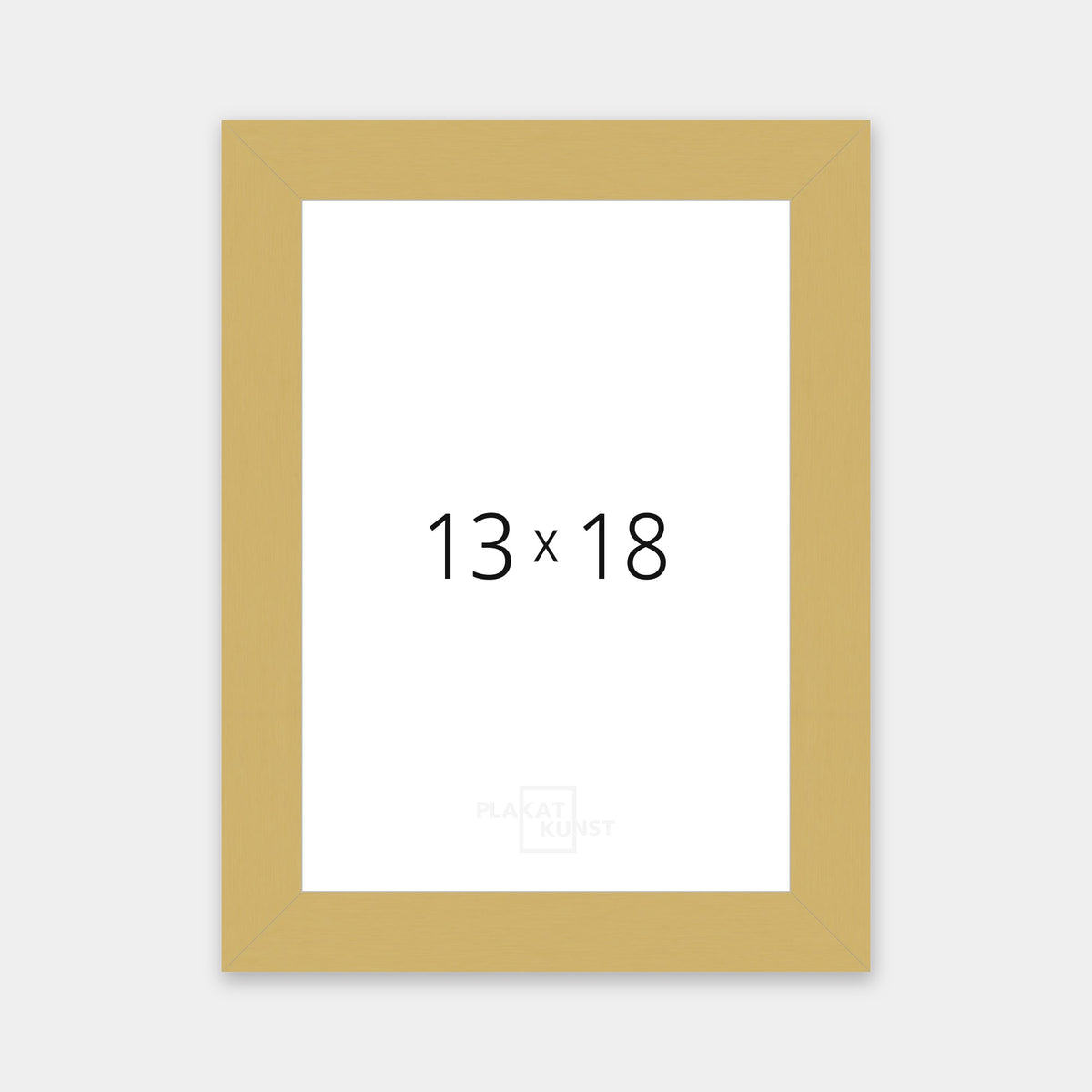
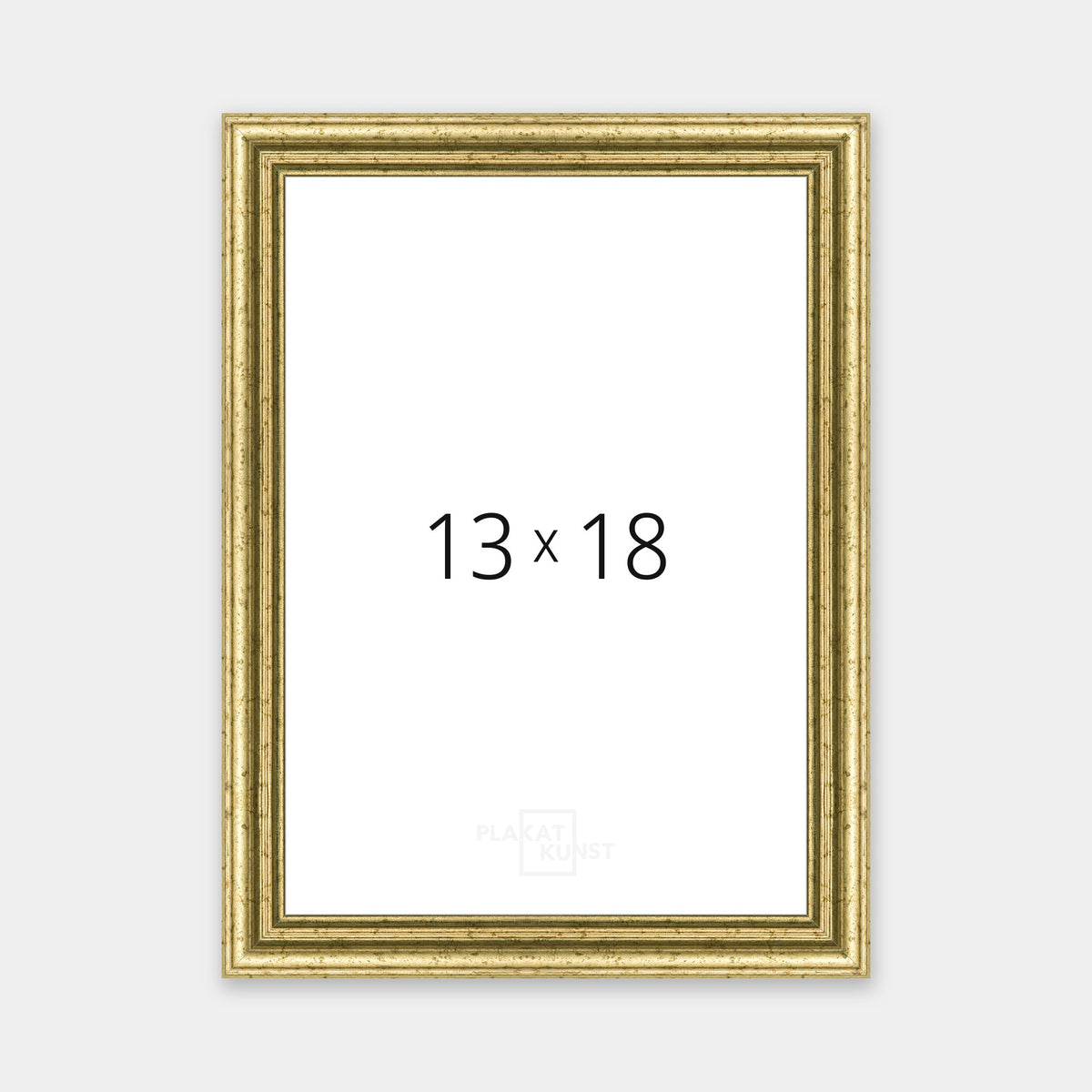
13×18 cm is slightly larger than the standard 10×15 cm photo and has long been a standard size at photo labs. The format works well for portraits, wedding and family photos and small art prints that will sit on a bedside table or bookshelf, or hang in a gallery wall.
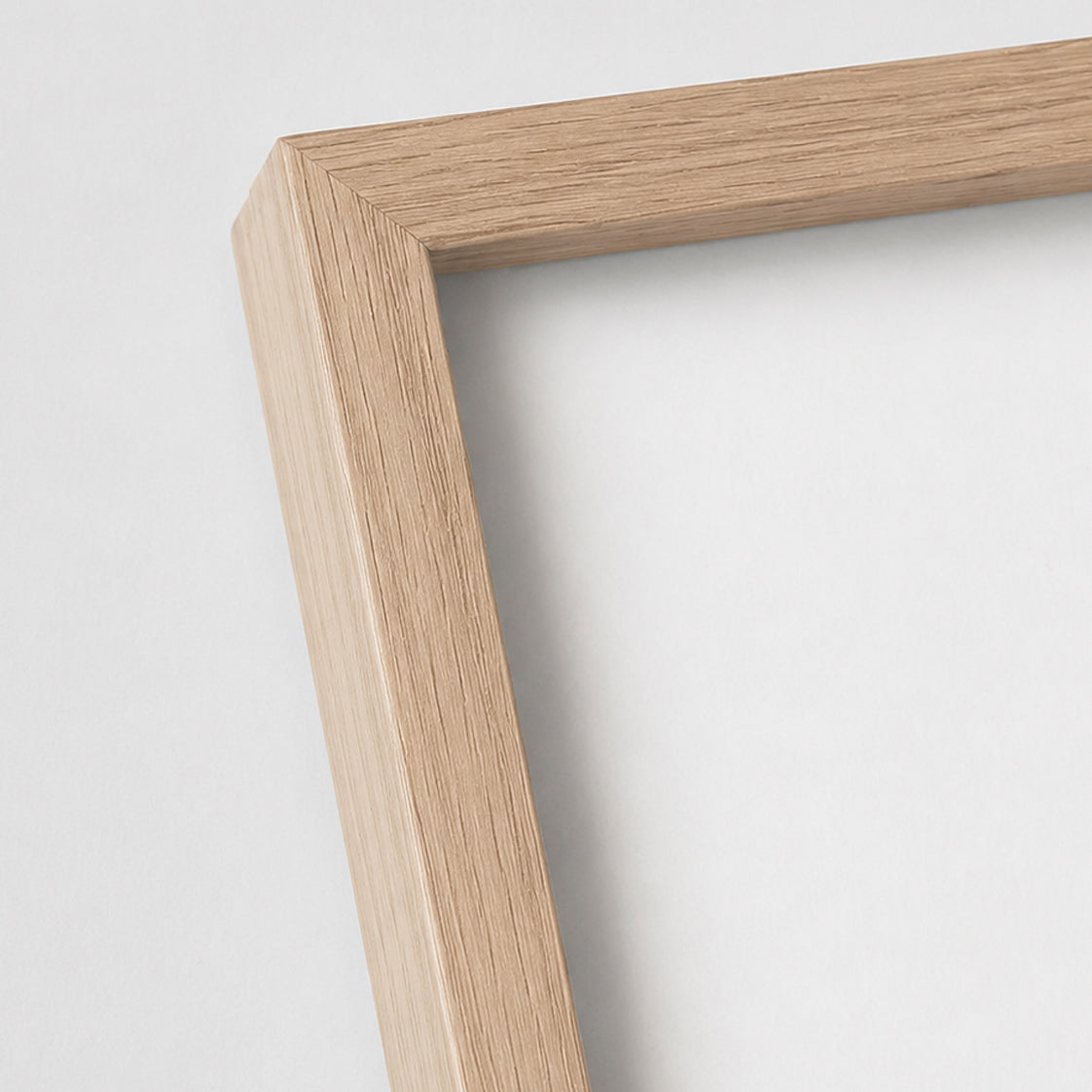
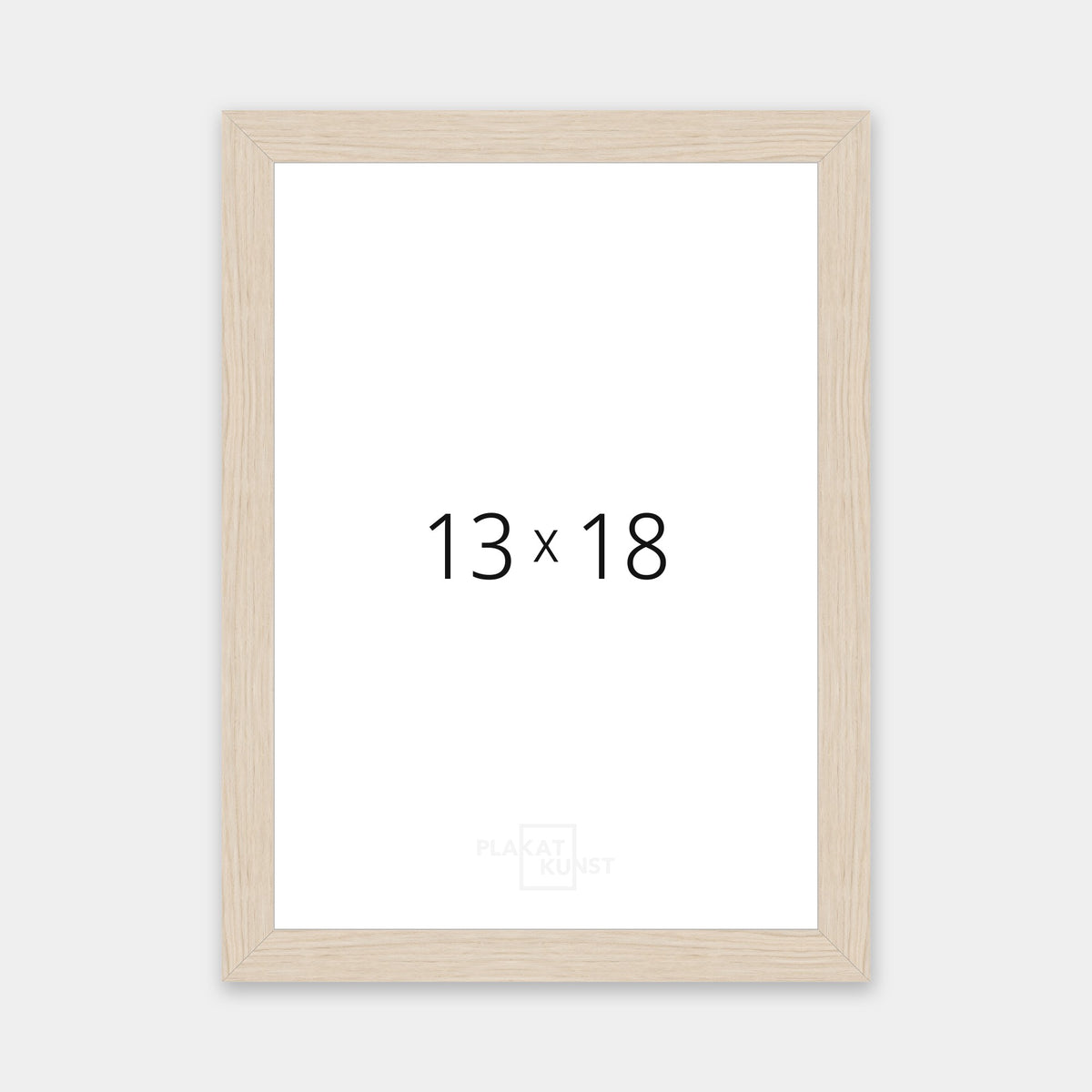
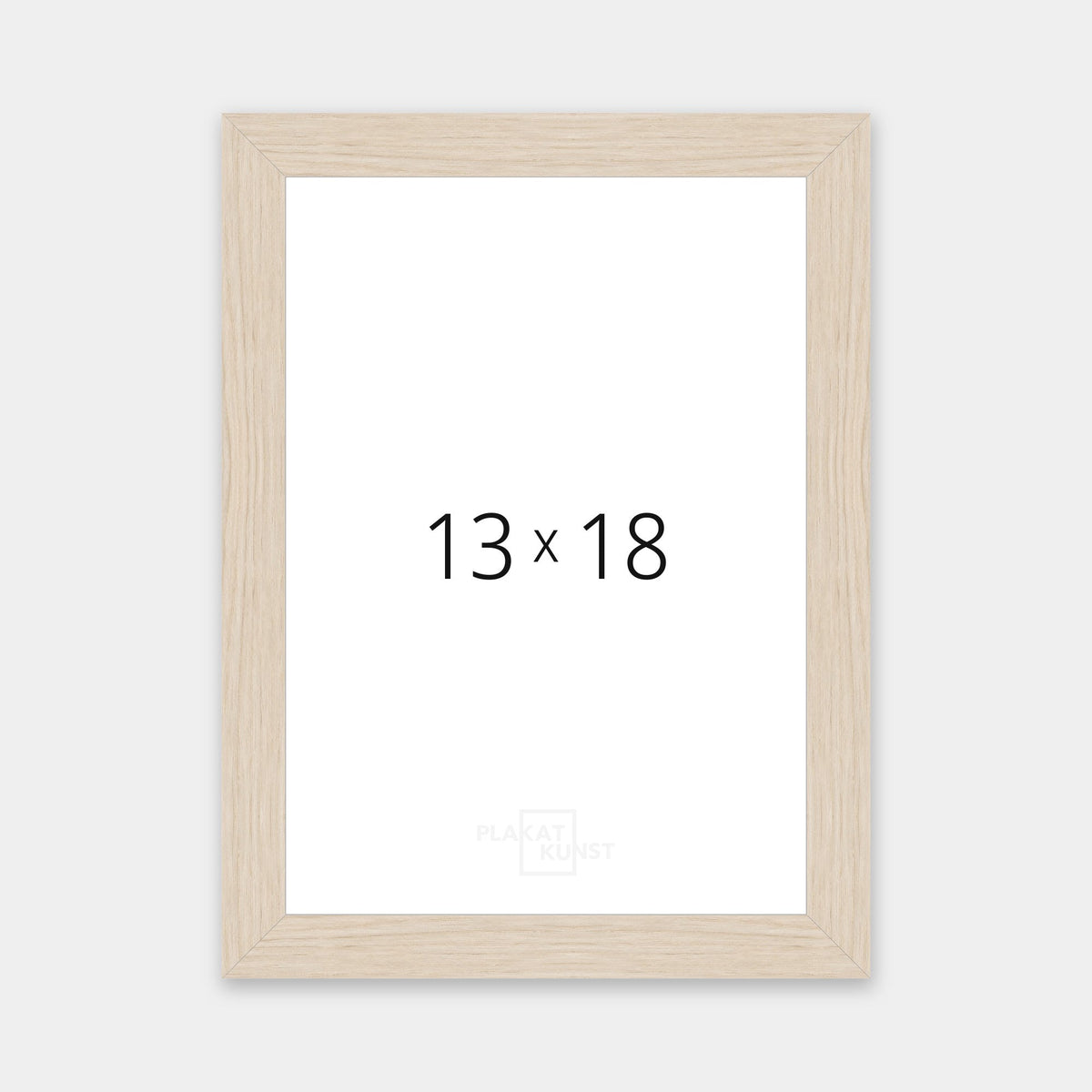
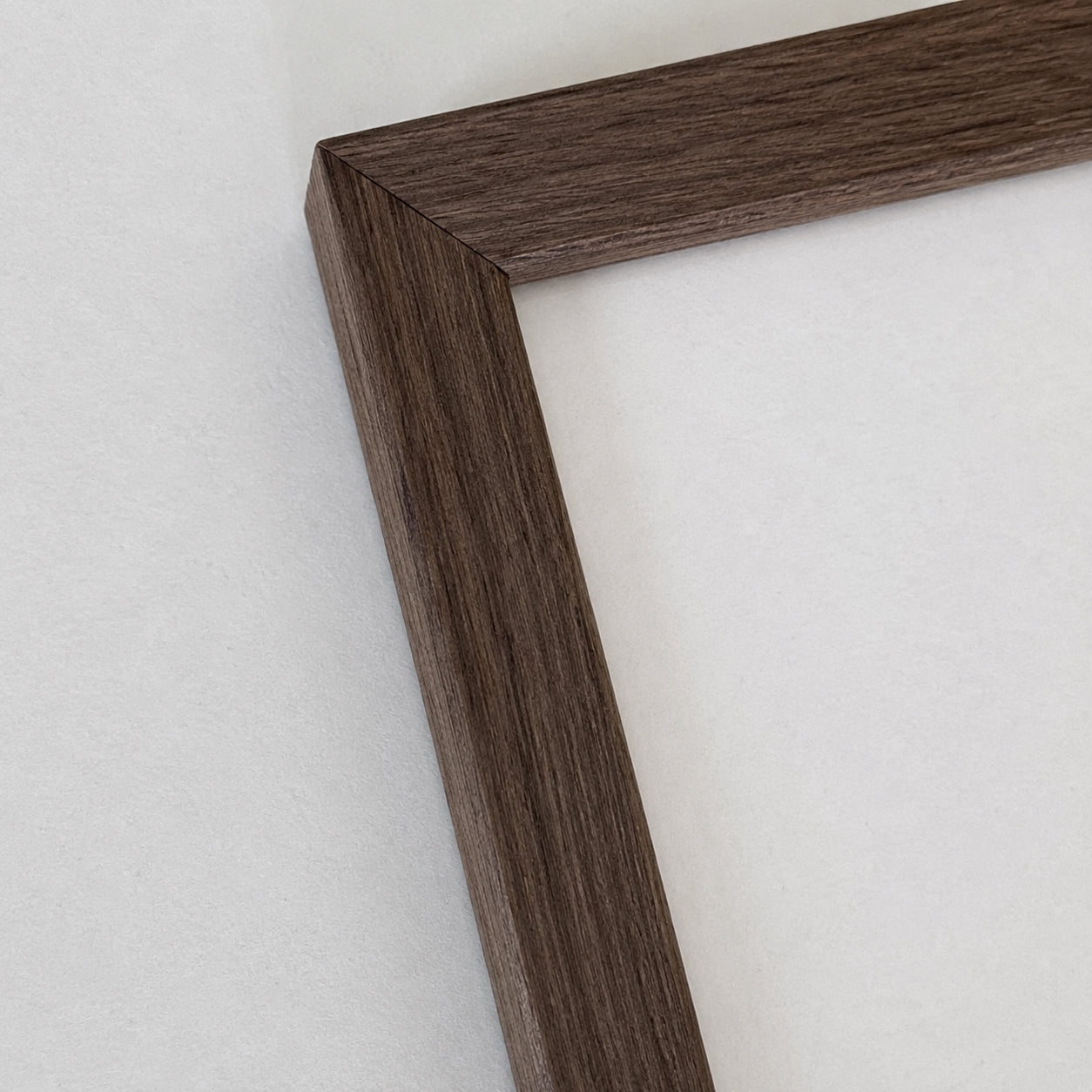
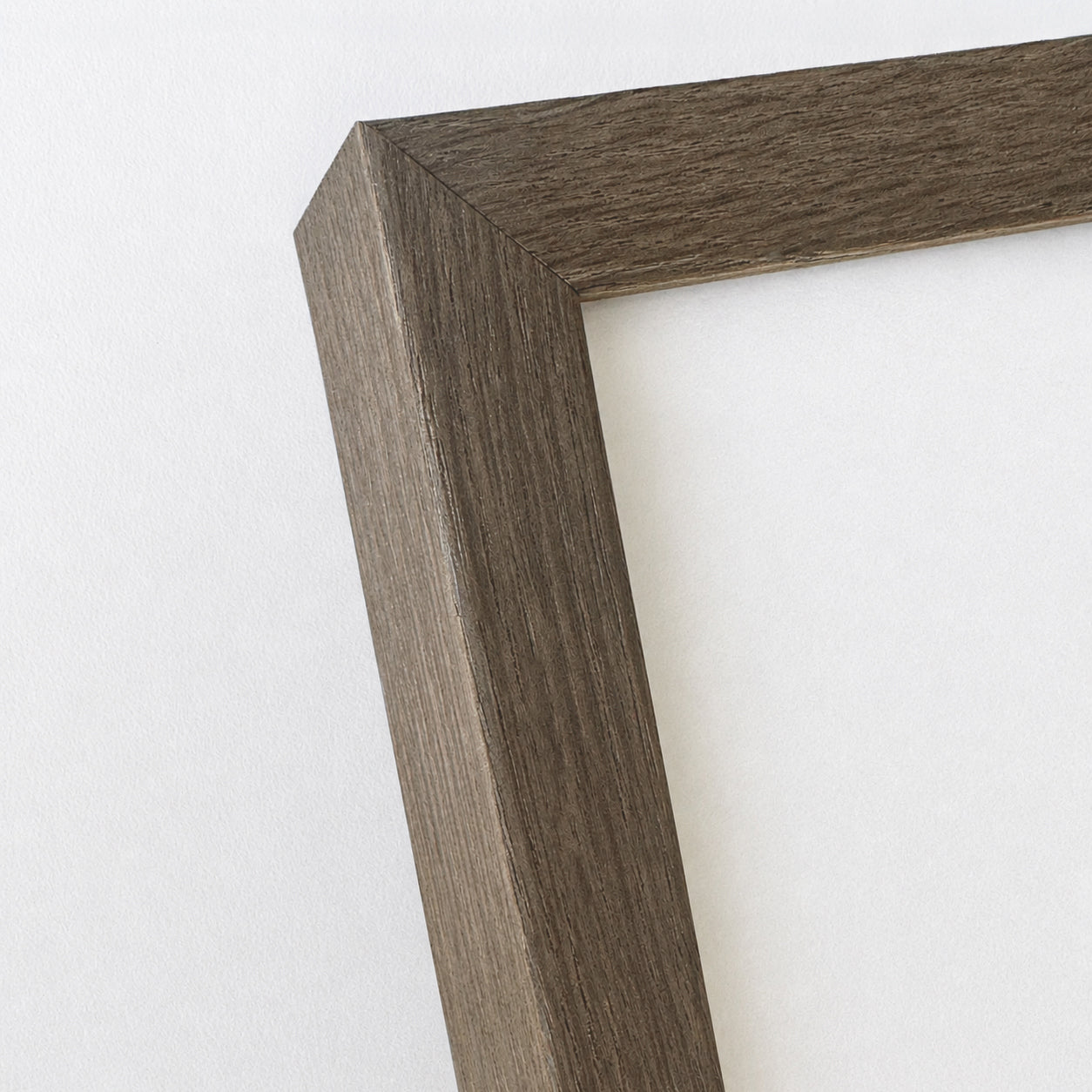
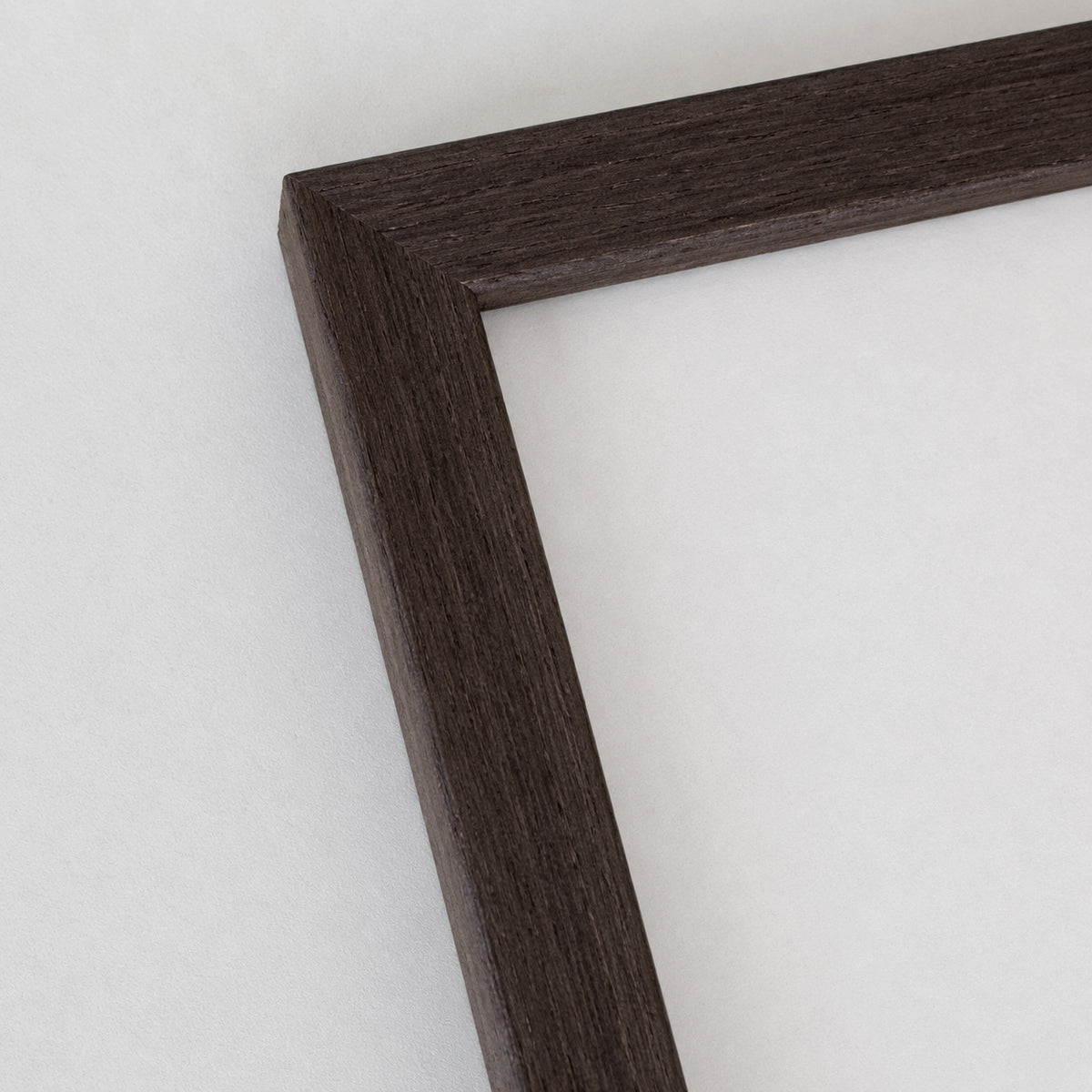
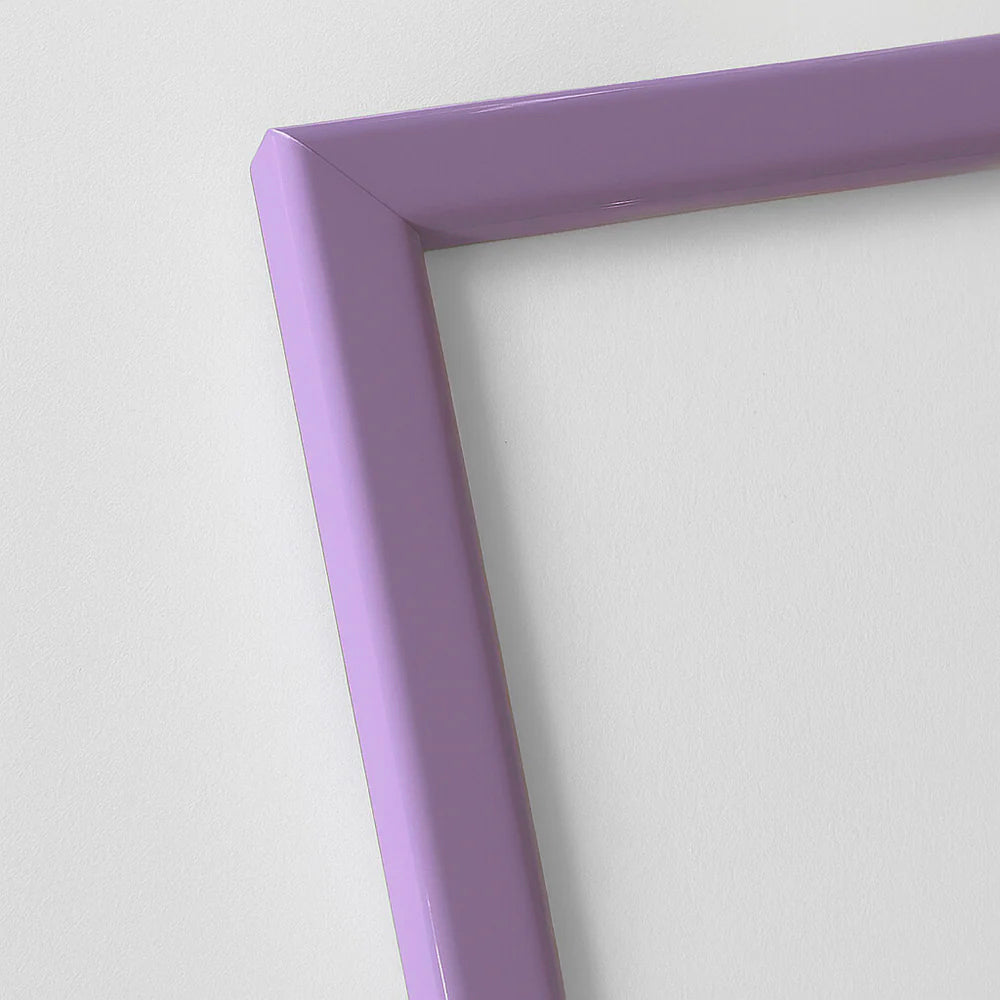
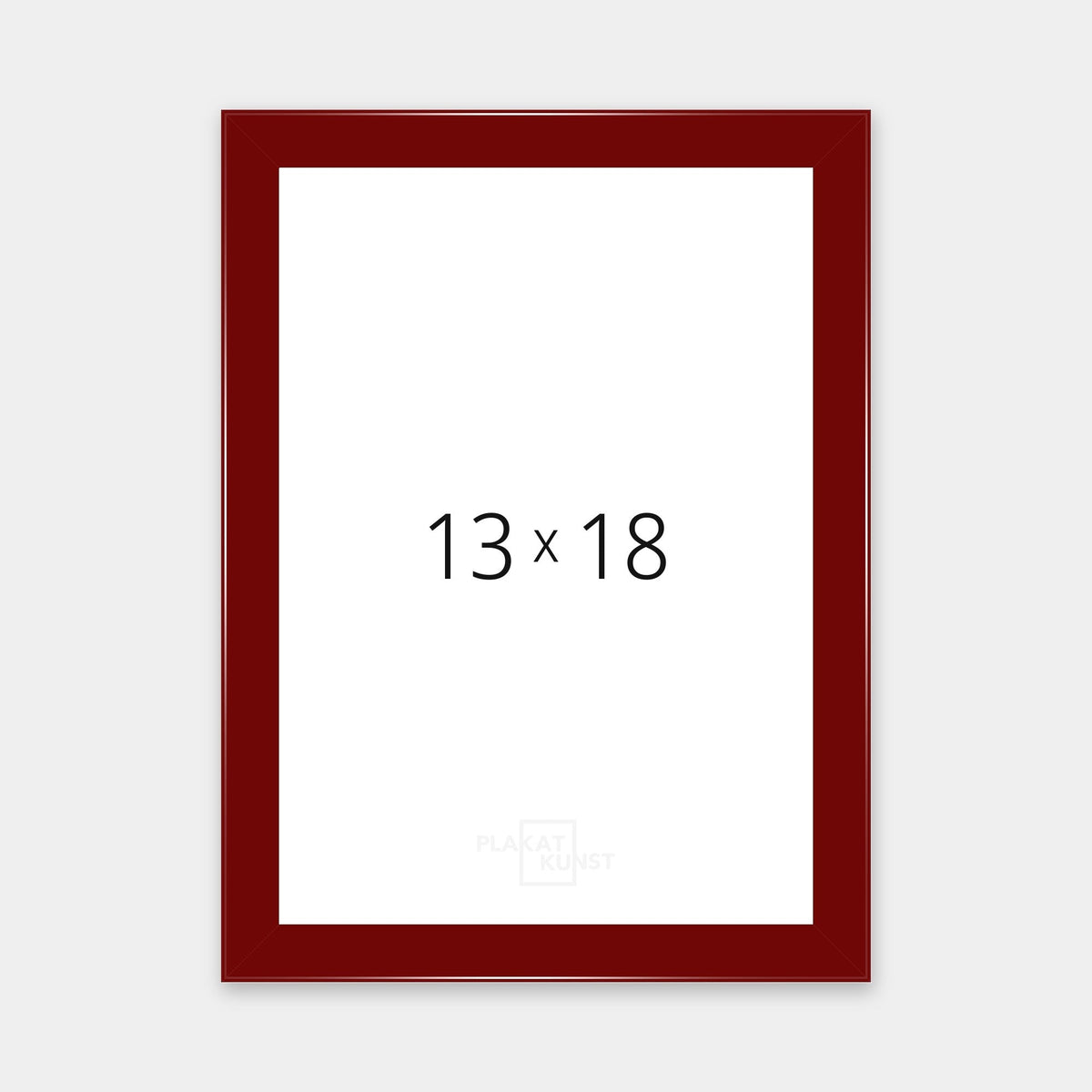
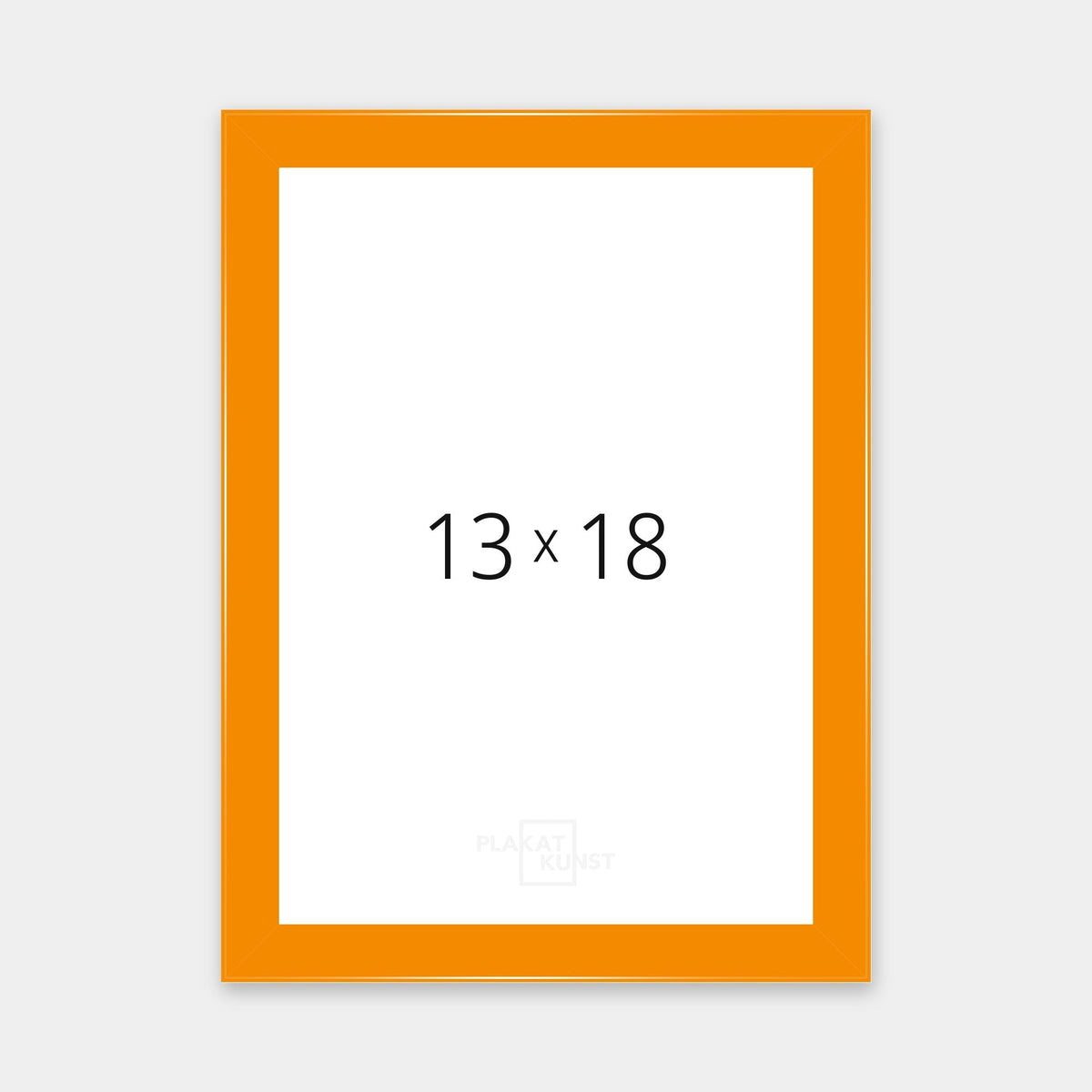
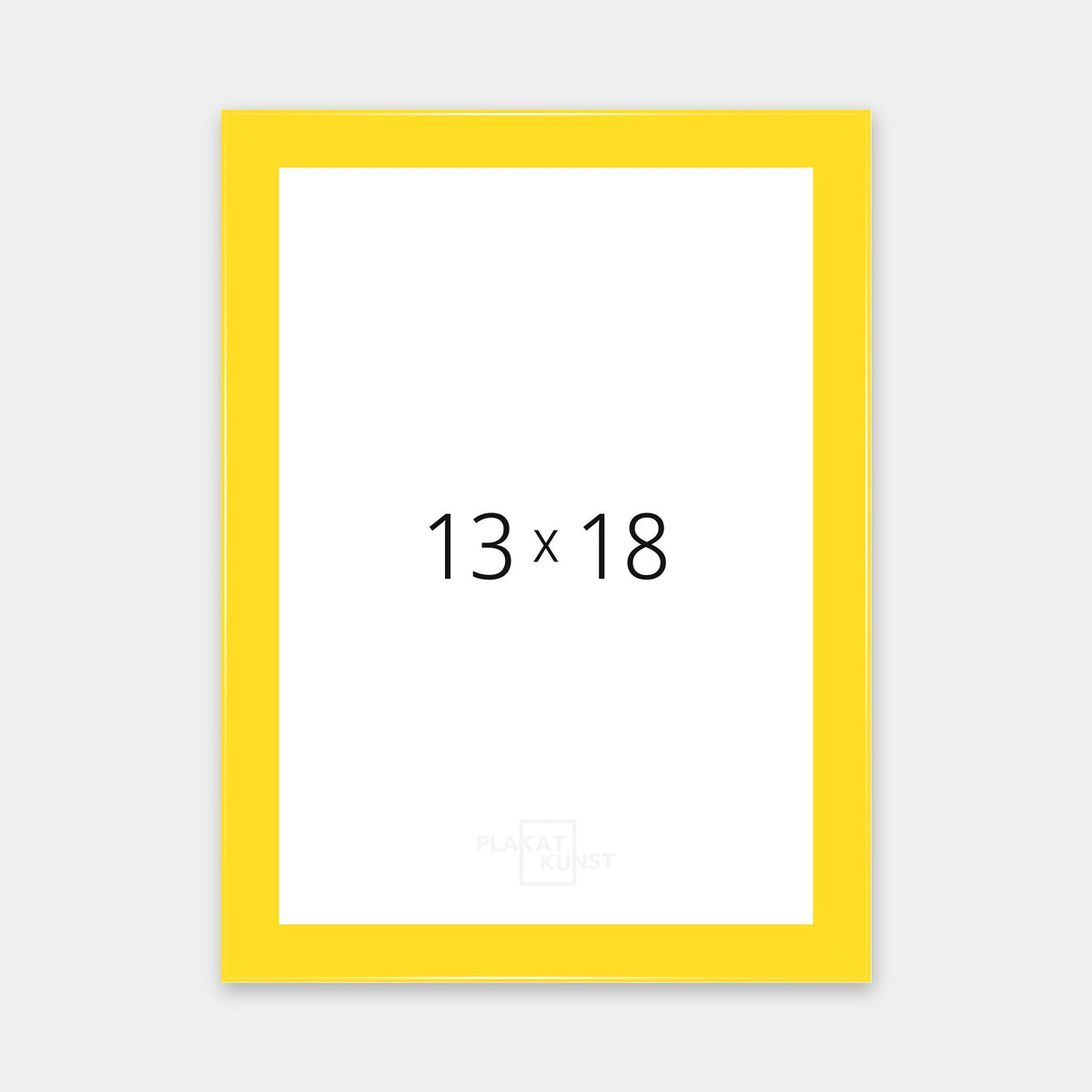
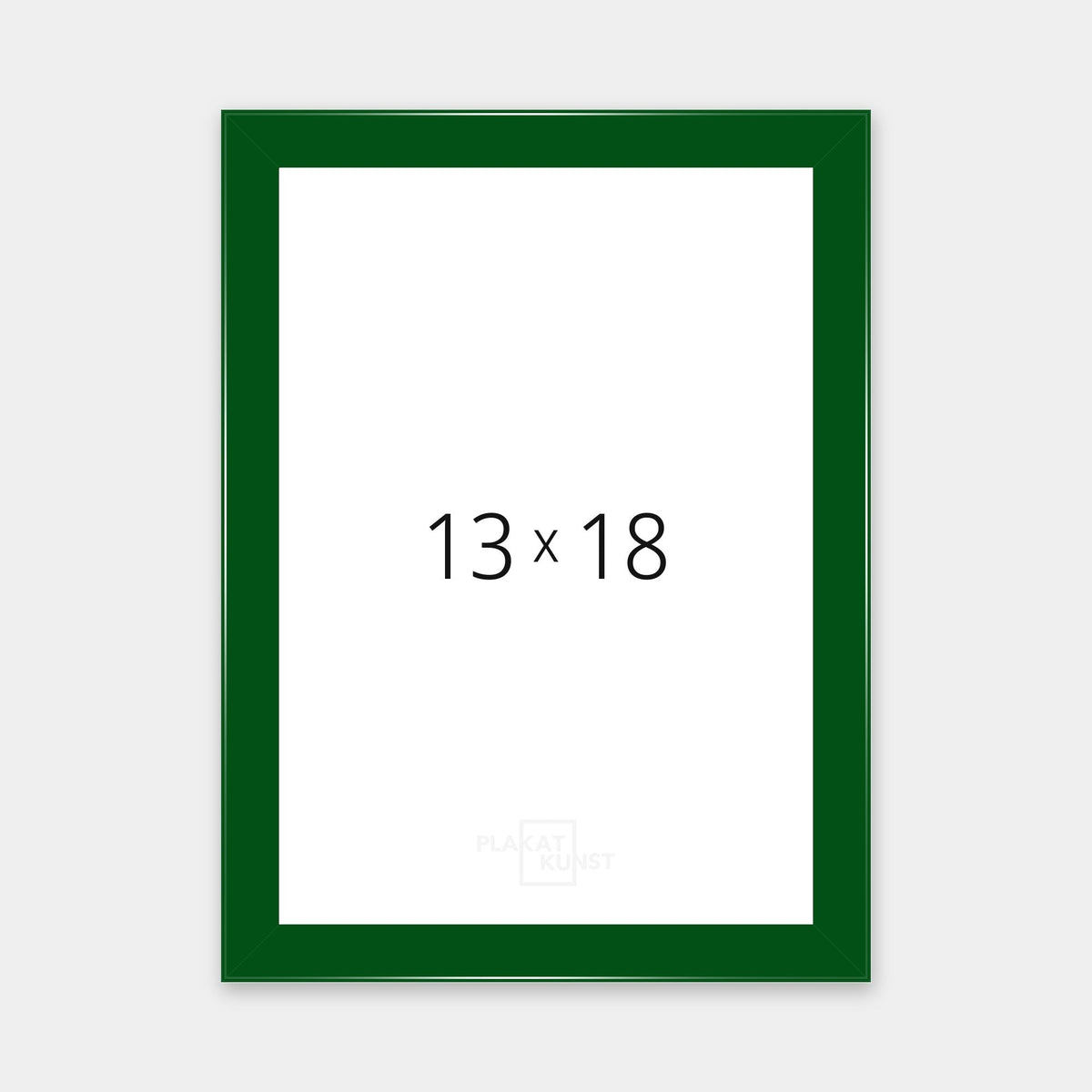
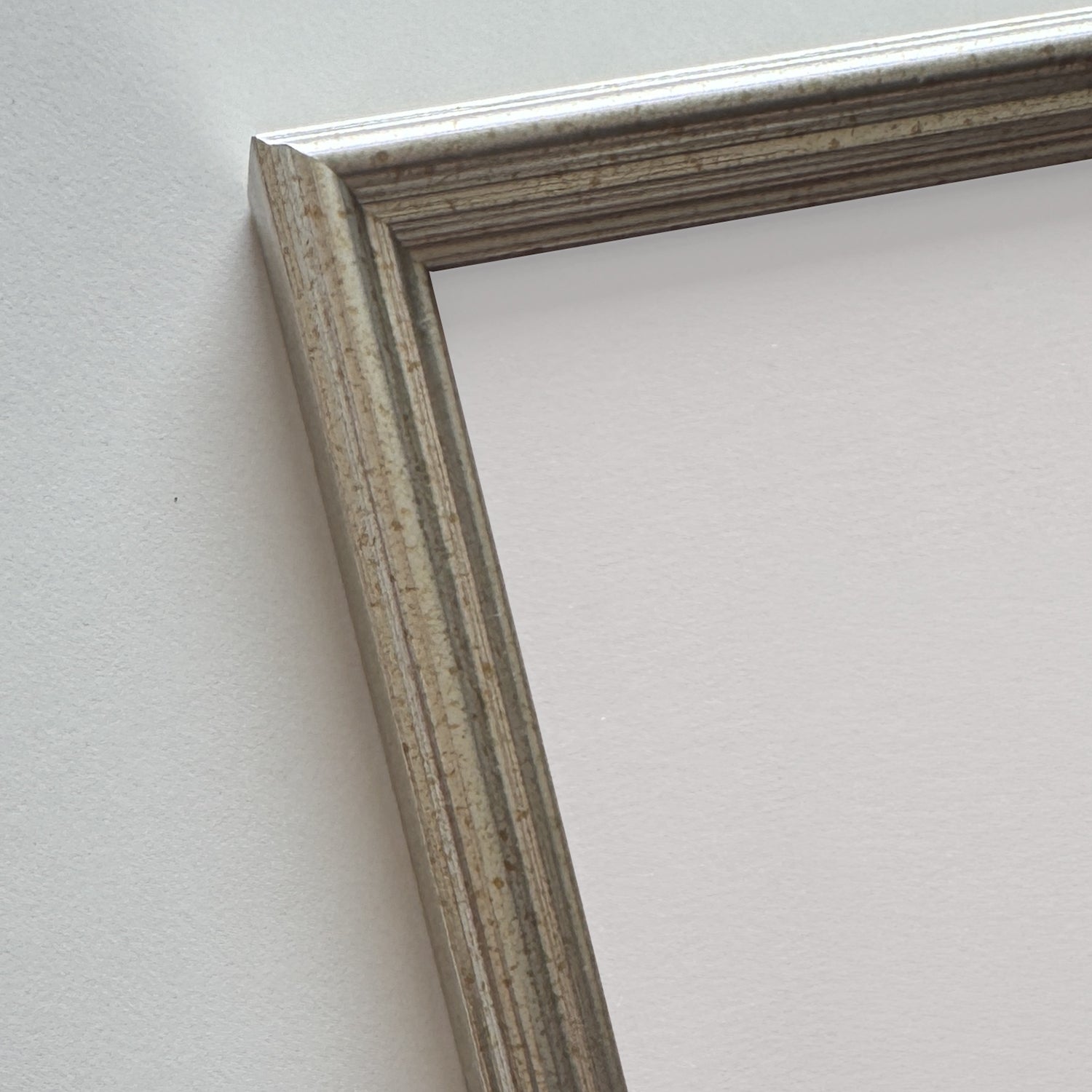
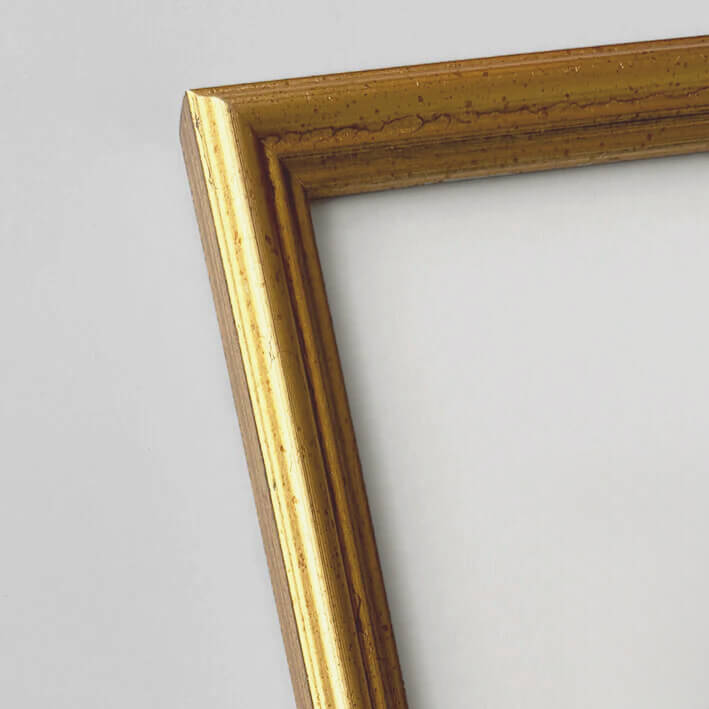
In the frame designer, you can upload your photo and see it with different wood types, colours and profiles. On a small picture, the frame takes up a relatively large share, so the width and colour of the profile largely decide whether the result looks light and discreet or more striking.
A 13x18 picture frame can be used in portrait or landscape format, depending on the subject. Add a passepartout if you like and switch between colours as the preview follows along, until you find a combination that suits the picture.
Recently seen
13x18 frames with
Passepartout
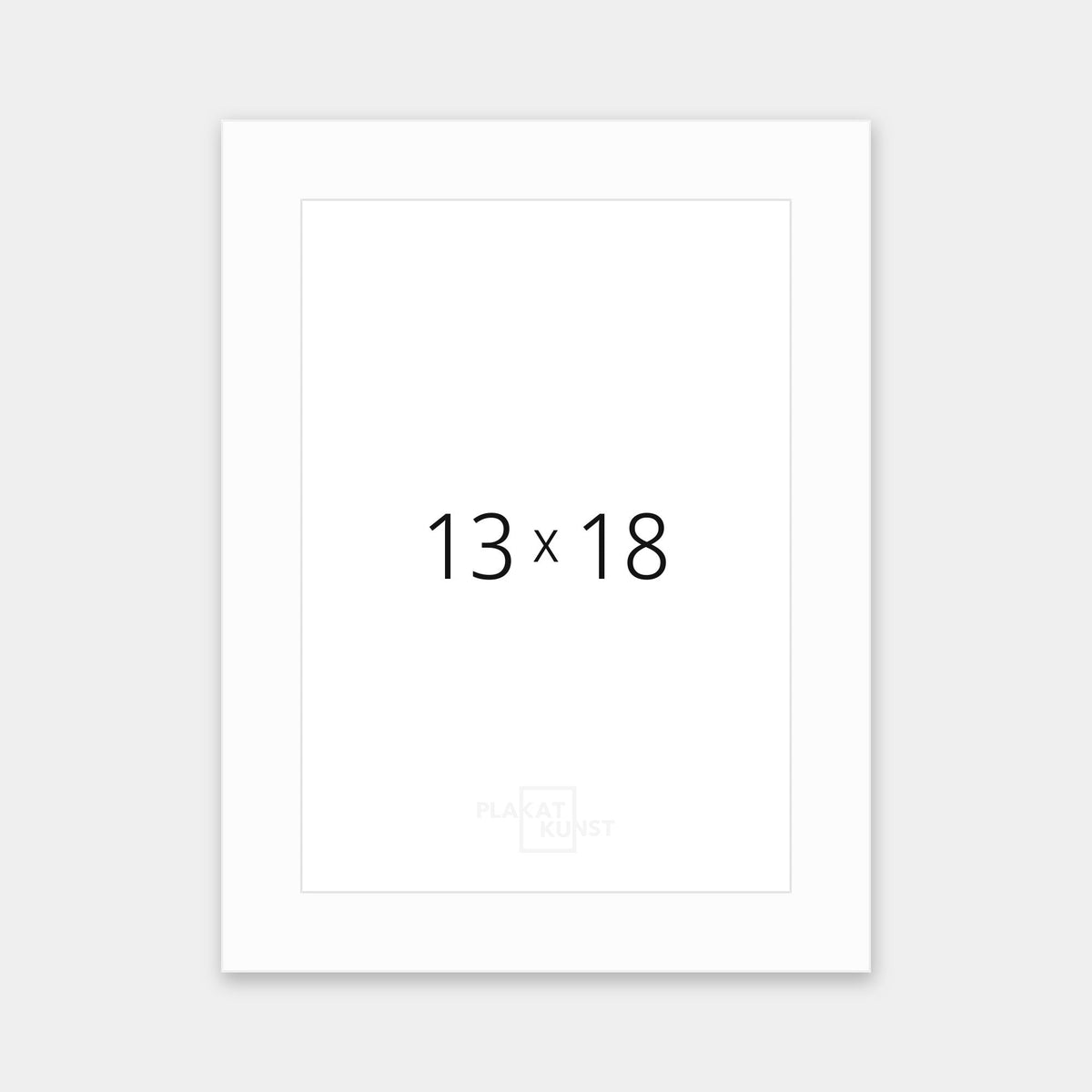
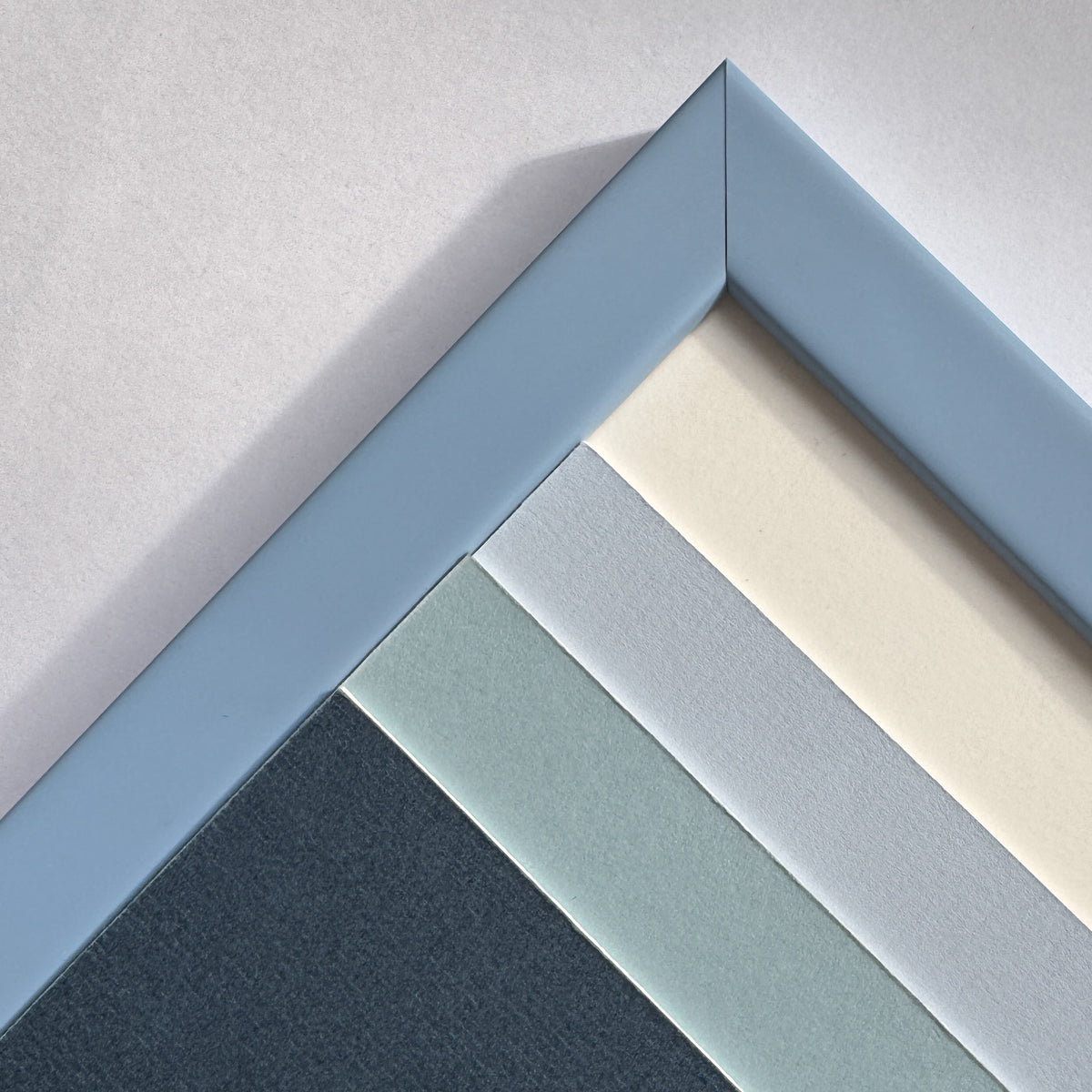
If you choose a passepartout (also known as a mount) in a 13x18 frame, a 10×15 cm photo fits with a narrow border of approx. 1.5 cm all round. A 10×13 cm picture gets approx. 1.5 cm at the sides and approx. 2.5 cm at the top and bottom.
The passepartout is cut from 1.5 mm thick board, and you can choose from 20 colours. Simply enter the dimensions of your picture, and we make the opening 10 mm smaller in both width and height. The picture then sits 5 mm under the passepartout on each side and can be taped to the back.
If the picture itself measures 13×18 cm and needs a passepartout, you will need a larger frame. In an 18×24 cm frame the border is approx. 2.5 cm at the sides and 3 cm at the top and bottom, in a 20×25 cm frame approx. 3.5 cm all round, and in an A4 frame approx. 4 and 6 cm. If none of these fit, you can order a made-to-measure frame.
Select a frame above to try it with the different passepartout colours.
Which glazing for your
13x18 frame?
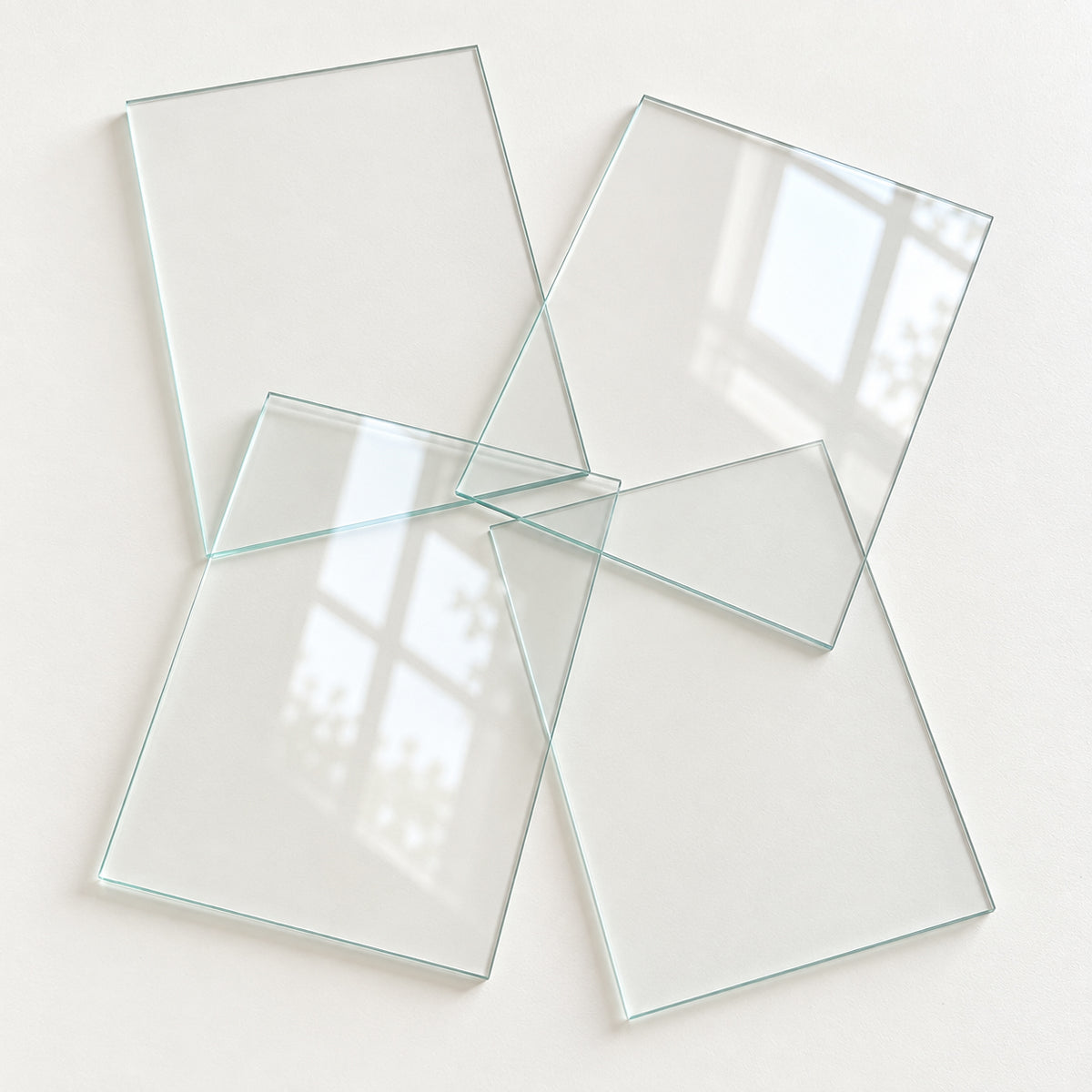
A 13×18 cm photo is usually viewed up close, on a desk or bedside table for example. That makes clarity important, while weight hardly matters. There are four types of glazing to choose from.
Standard glass is an affordable choice that shows colours and sharp details clearly. It resists scratches better than acrylic glass, but reflects light from lamps and windows and can break if the frame falls.
Acrylic glass is light and does not shatter, so it is ideal where the frame stands freely and may be knocked over, such as on a low shelf in a child’s room. It reflects light much like standard glass and scratches more easily, so clean it with a soft cloth. Remove the protective film from both sides.
Non-reflective glass softens reflections with its matt surface, but does not remove them completely. Fine details in a portrait may look slightly softer, especially when a passepartout creates a gap between the glass and the photo.
Museum glass is very clear, reflects less and offers UV protection that helps limit fading. This makes it a good choice for an old family photo you want to look after. It costs more, and faint reflections may occur. Even so, keep the frame out of direct sunlight.
Shipping of 13x18 frames worldwide
FedEx or GLS
Your 13×18 cm frame can be shipped worldwide with GLS or FedEx. In Sweden, Germany, Belgium and Poland, GLS can deliver to a parcel shop close to you.
If you choose real glass instead of acrylic glass, the shipping price rises considerably. Glass makes the parcel heavier and must be handled with extra care along the way, which means higher shipping costs and a greater risk of damage.
Every order is packed with care so that frame and glass are well protected in transit. As a result, the vast majority of frames with glass arrive undamaged.
13x18 frames with or without
Backing paper
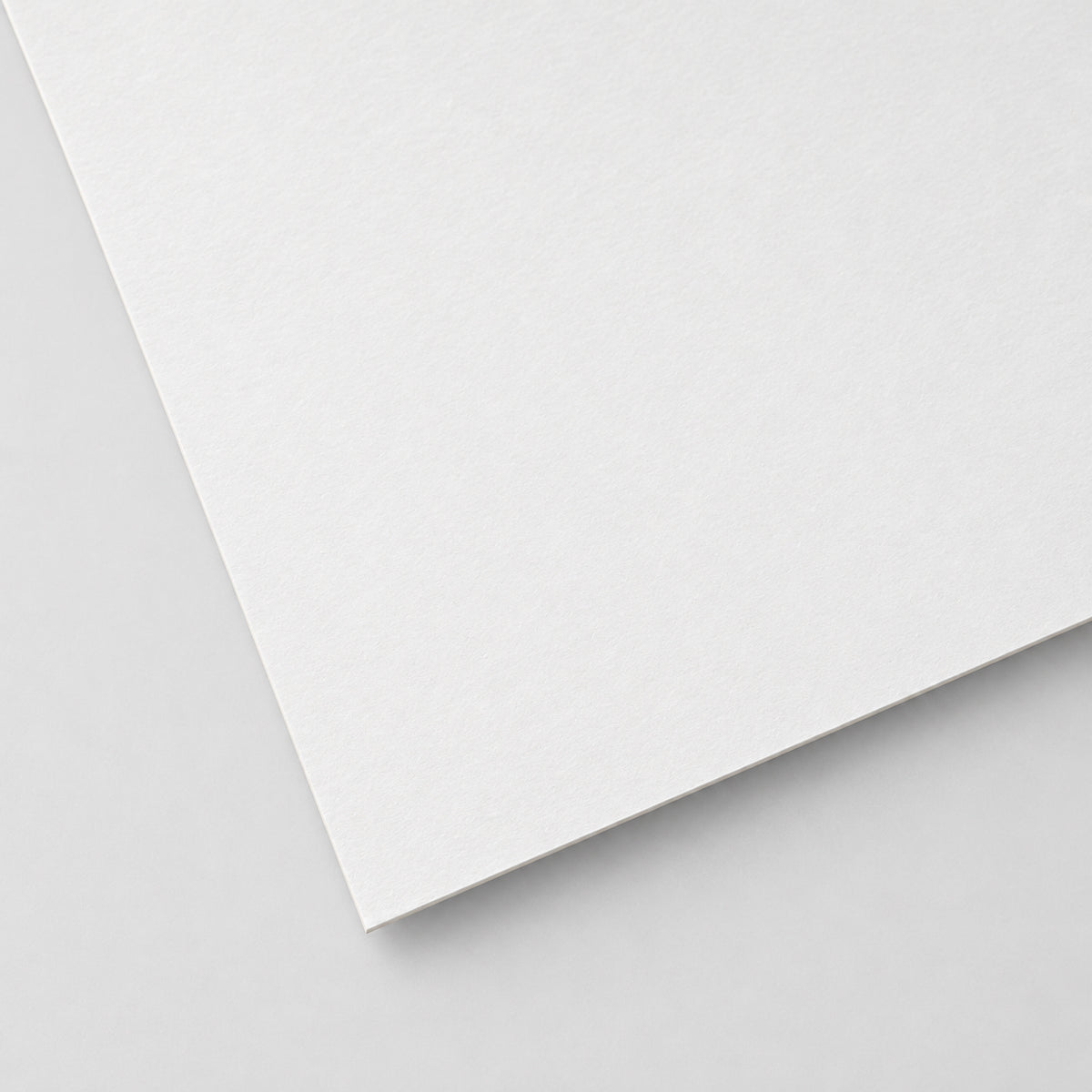
Backing paper is not included as standard, as most photos fill the whole frame. If you need a background, you can add 1 mm thick backing paper with a fine texture in a subtle off-white shade.
The paper makes room for a smaller motif with a visible background around it, such as a small print or a drawing on paper with hand-torn or decorative edges that should not be covered by a passepartout.
The paper also adds an extra layer against the backing board. If the artwork is delicate, both the paper and your mounting materials should be acid-free.

Standing and hanging
13x18 frames
Turn the frame over and carefully bend up the black tabs on the back. You can then lift out the hardboard backing and, if needed, wipe dust off the inside of the glass with a soft, dry cloth. If the frame has acrylic glass, remove the protective film from both sides.
Insert your photo, put the backing back in place and press the tabs down so it is held securely.
Your 13x18 frame has both a support stand and a hanging bracket, and it can be used in portrait or landscape format. Use the stand if the frame is to sit on a bedside table, chest of drawers or desk. To hang it, tilt the bracket out slightly so it hooks onto a screw or nail. Choose a fixing that suits your wall and can support the weight of the frame.