












Design your large framing
Try before you order
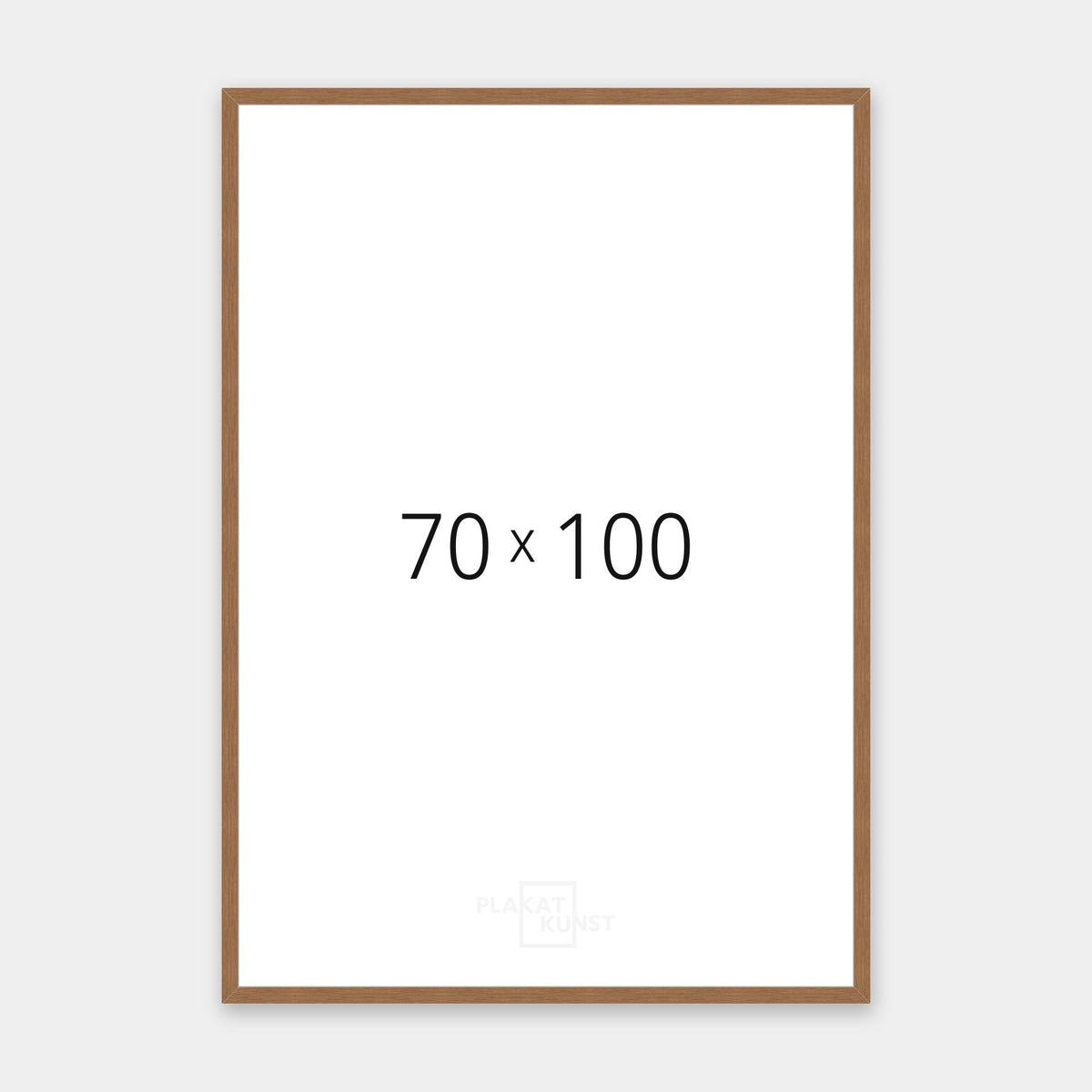
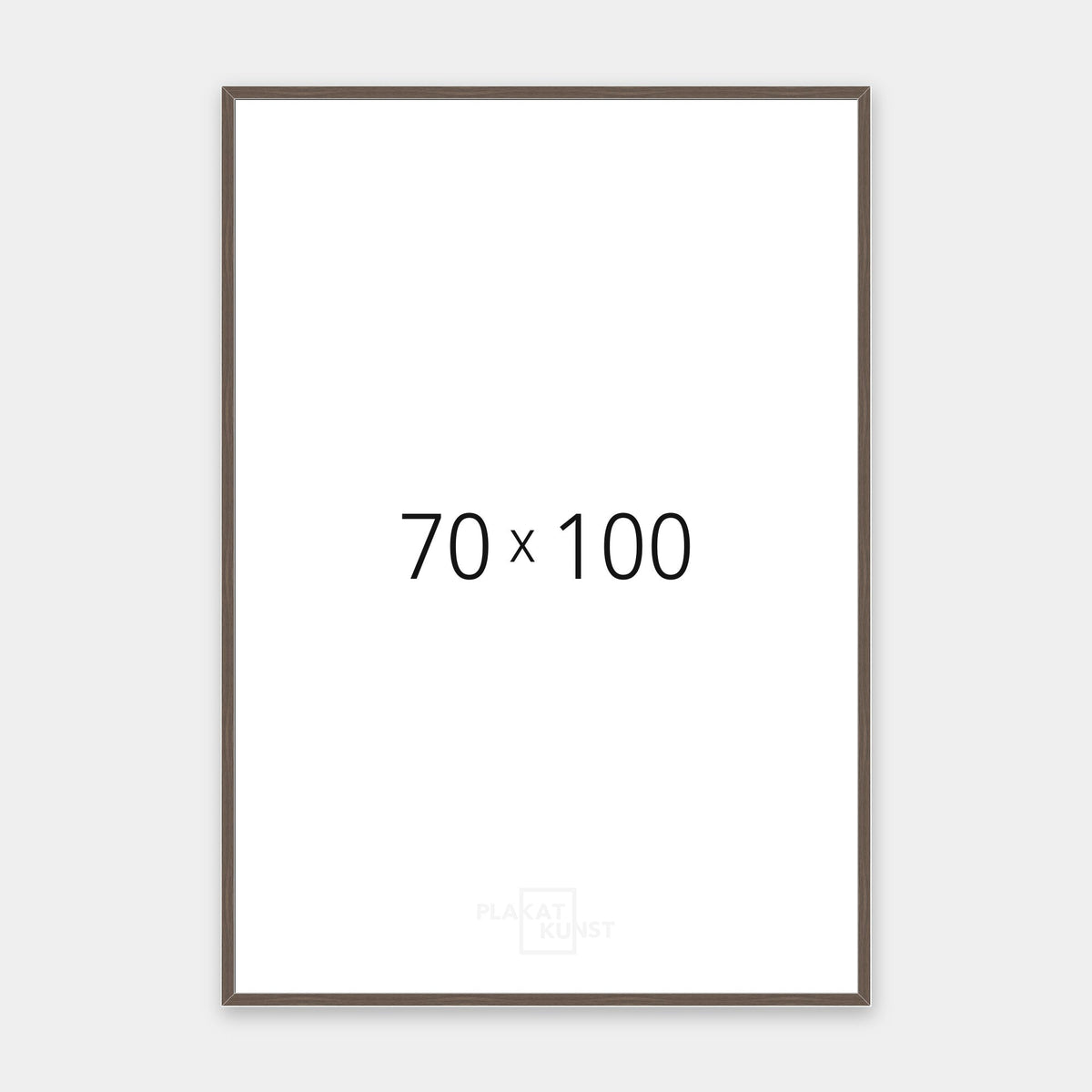
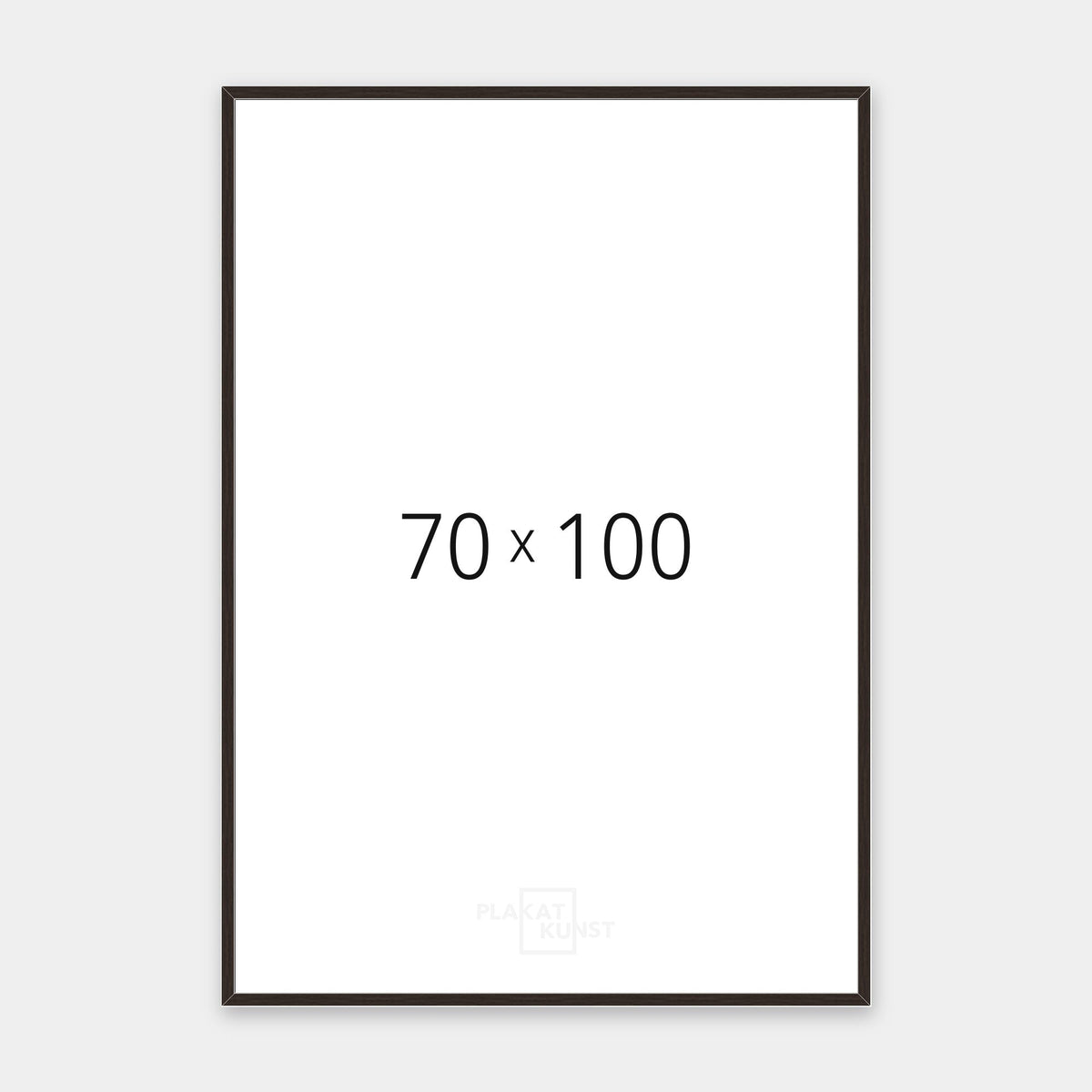
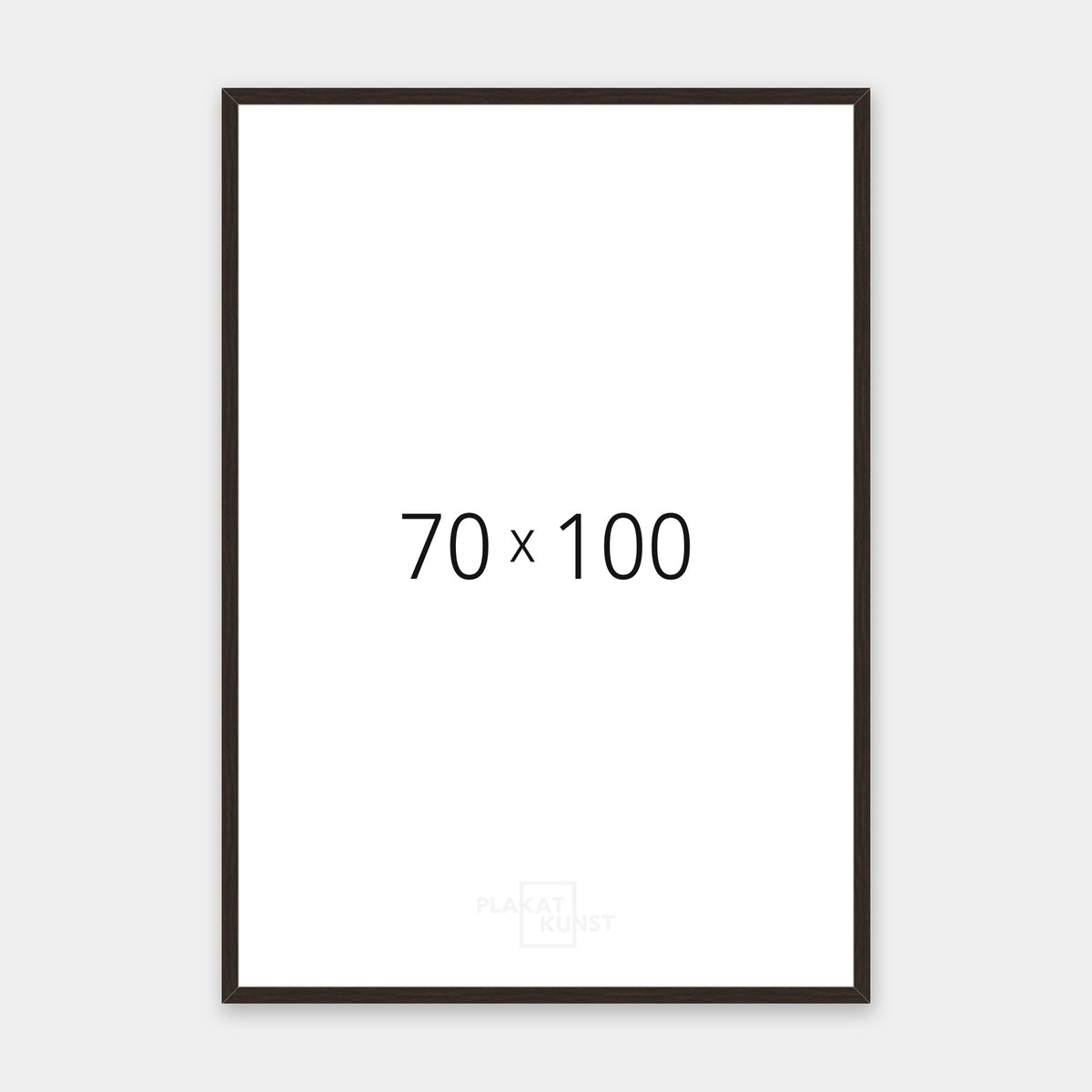
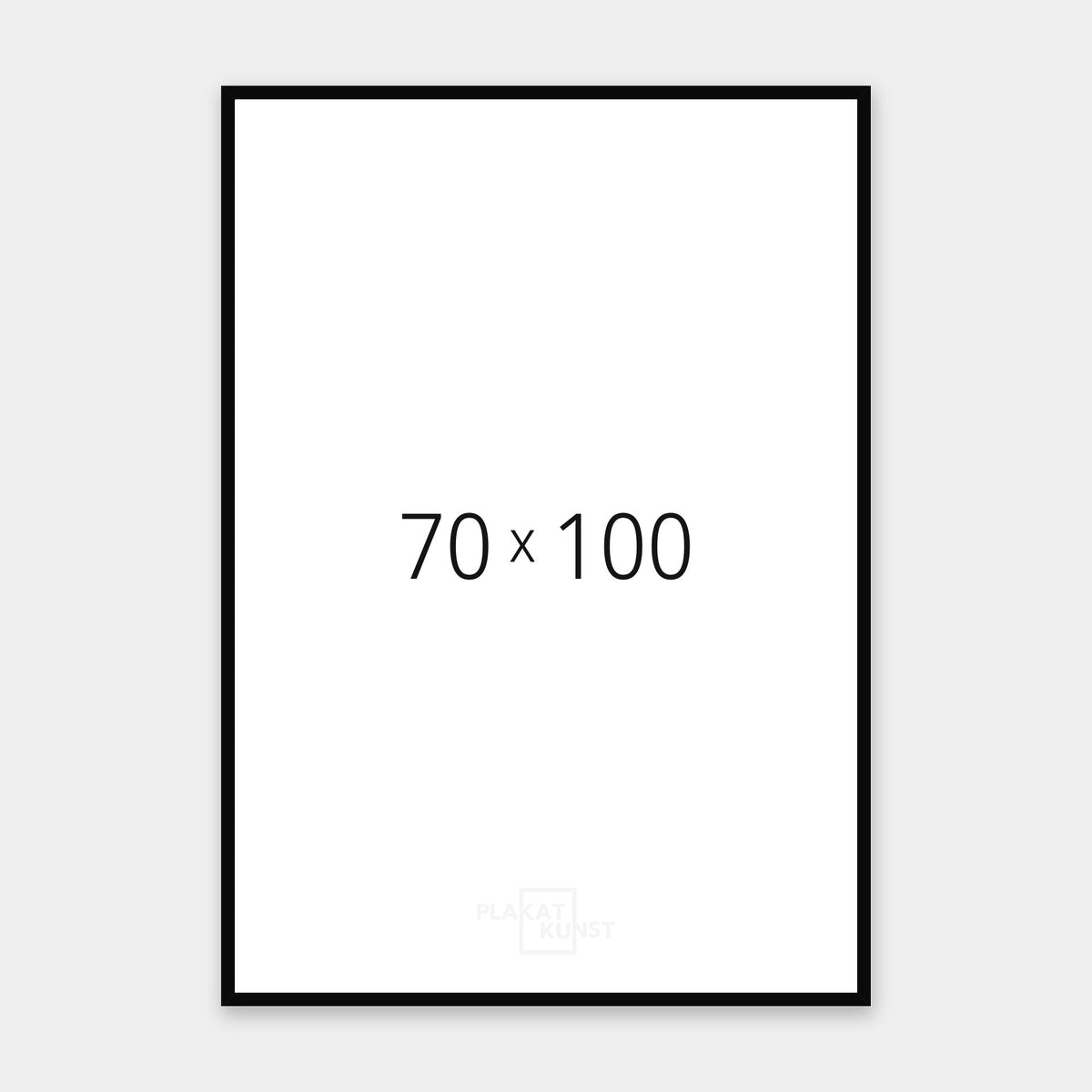
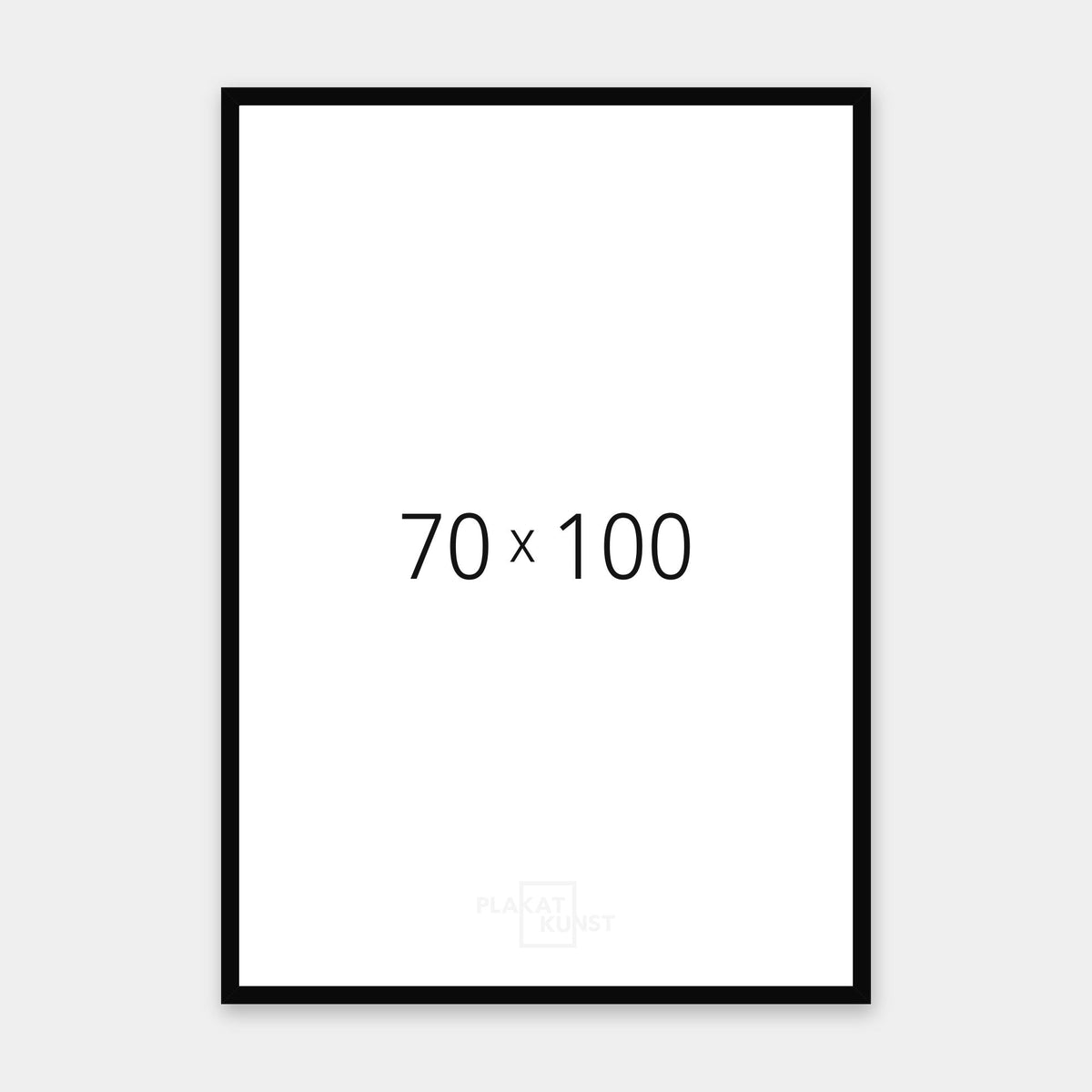
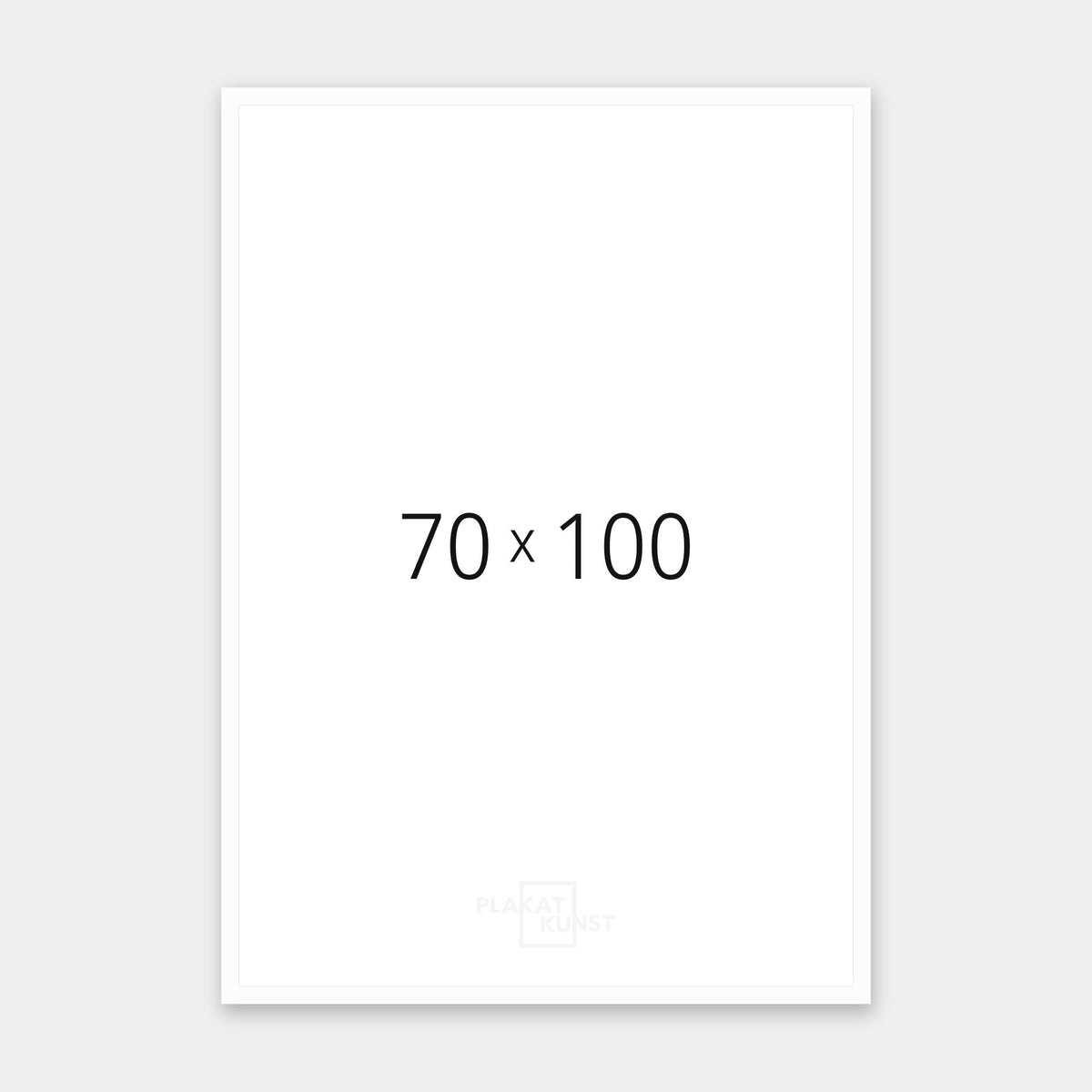
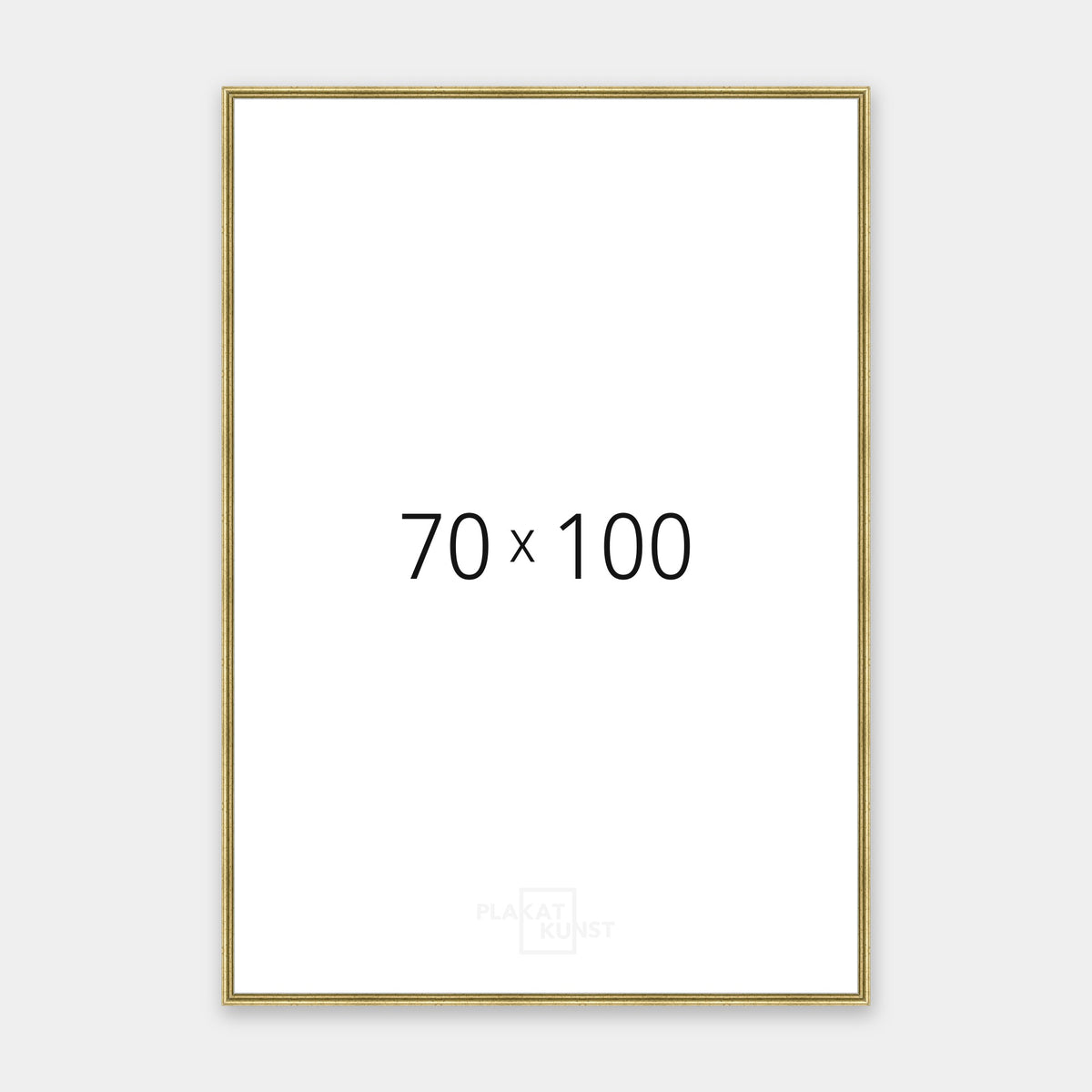
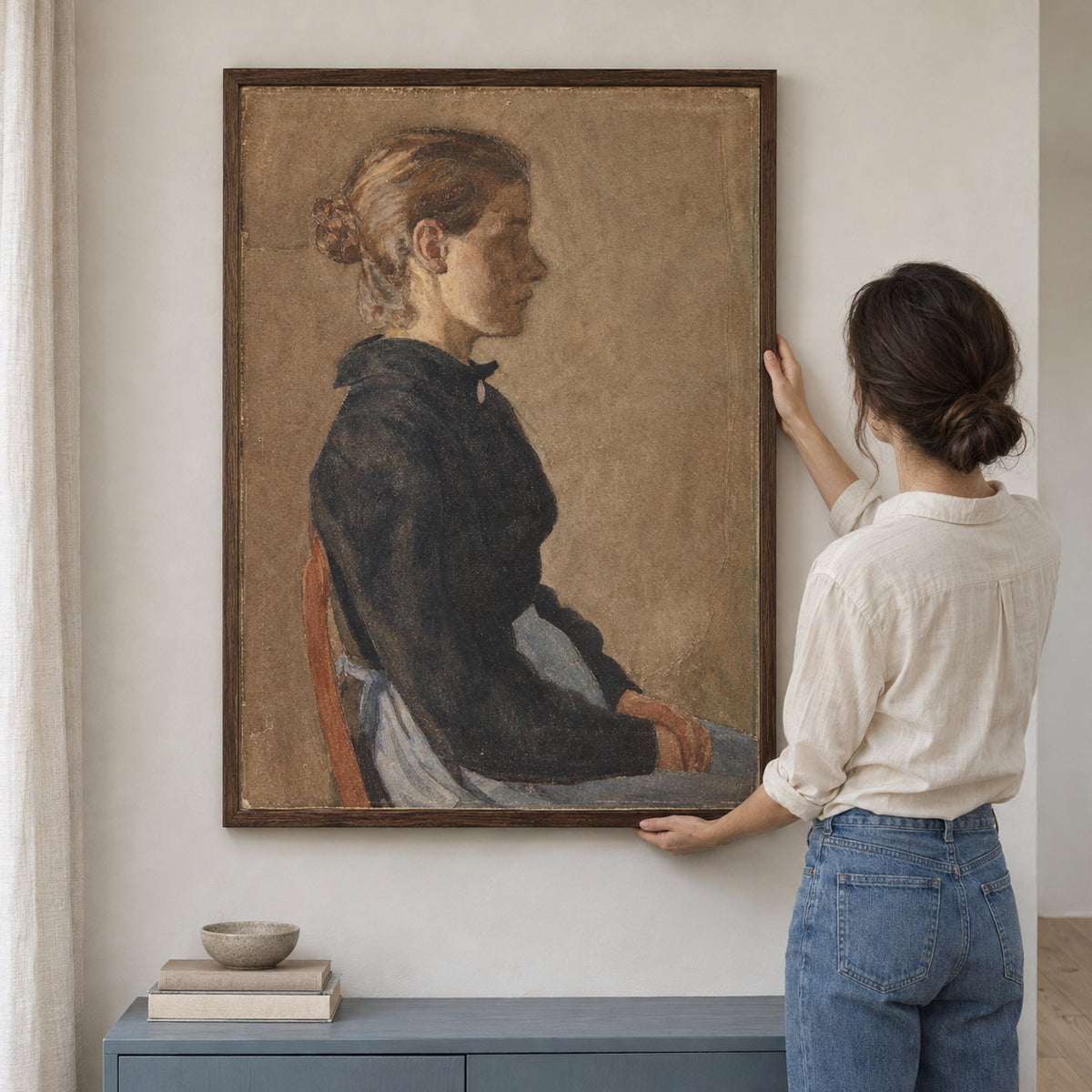
70×100 cm is the large, classic poster size, known in Denmark as B1. It is the format of many exhibition posters from museums and galleries, of film posters and of large art prints. A 70x100 picture frame can be used in portrait or landscape and easily becomes the focal point of a room.
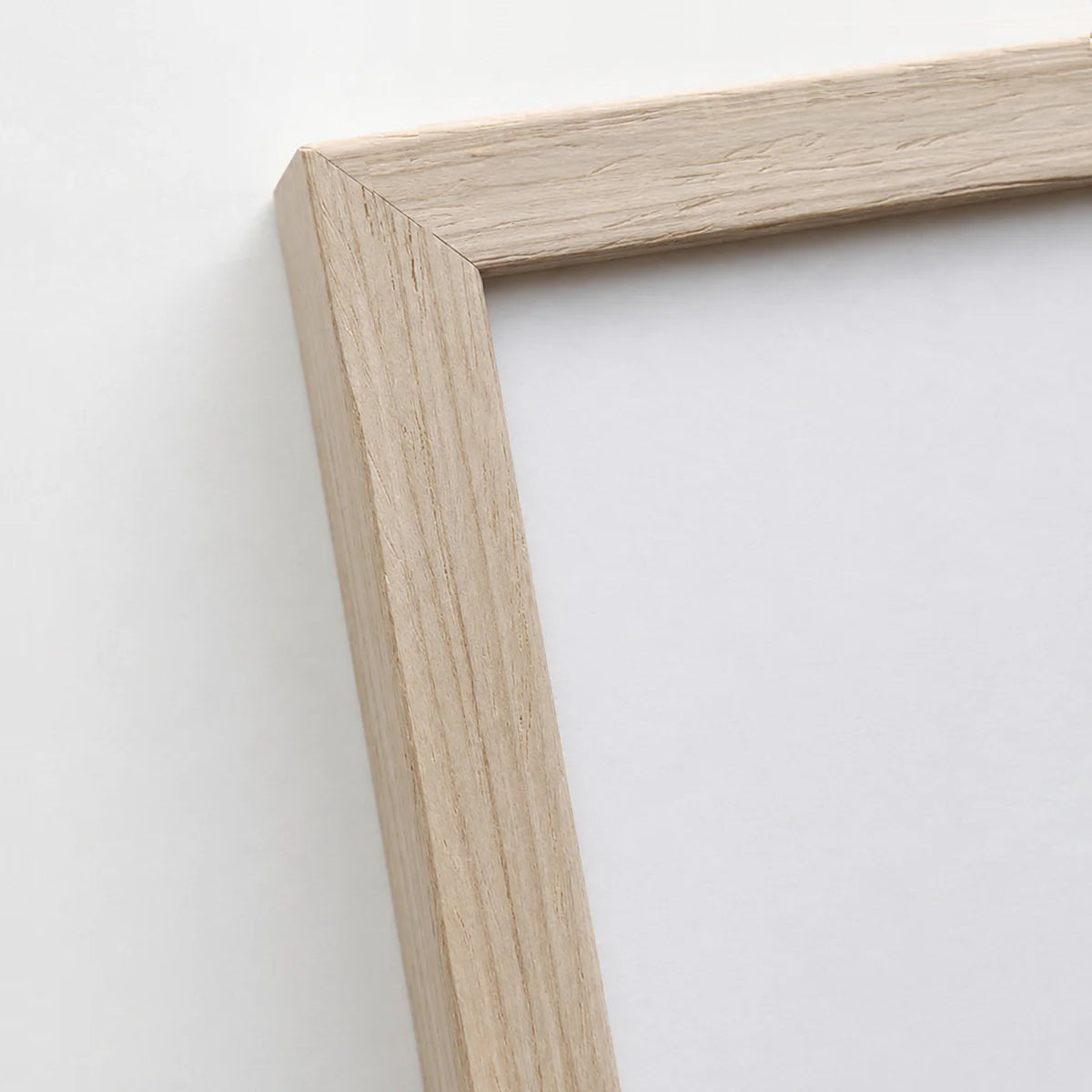
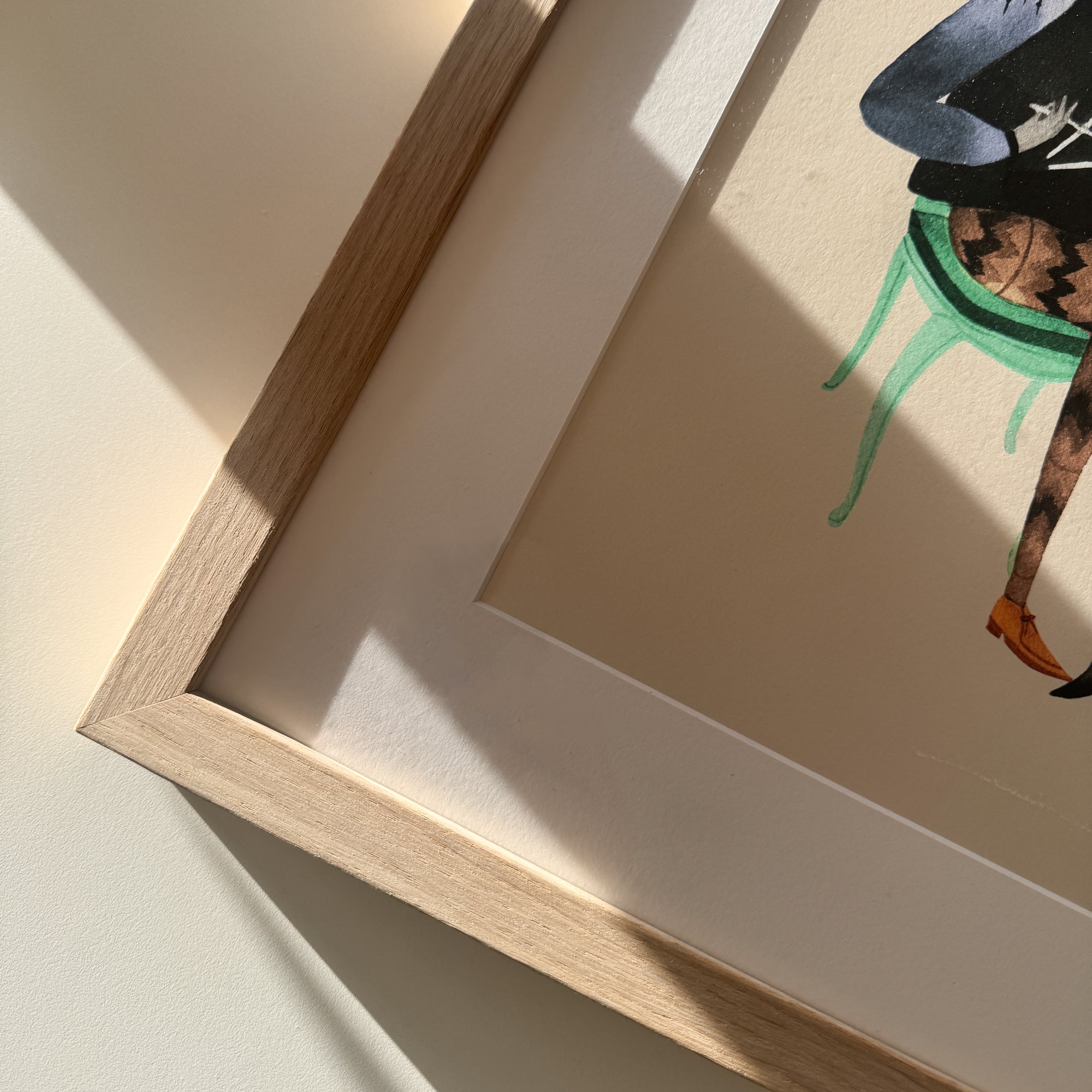
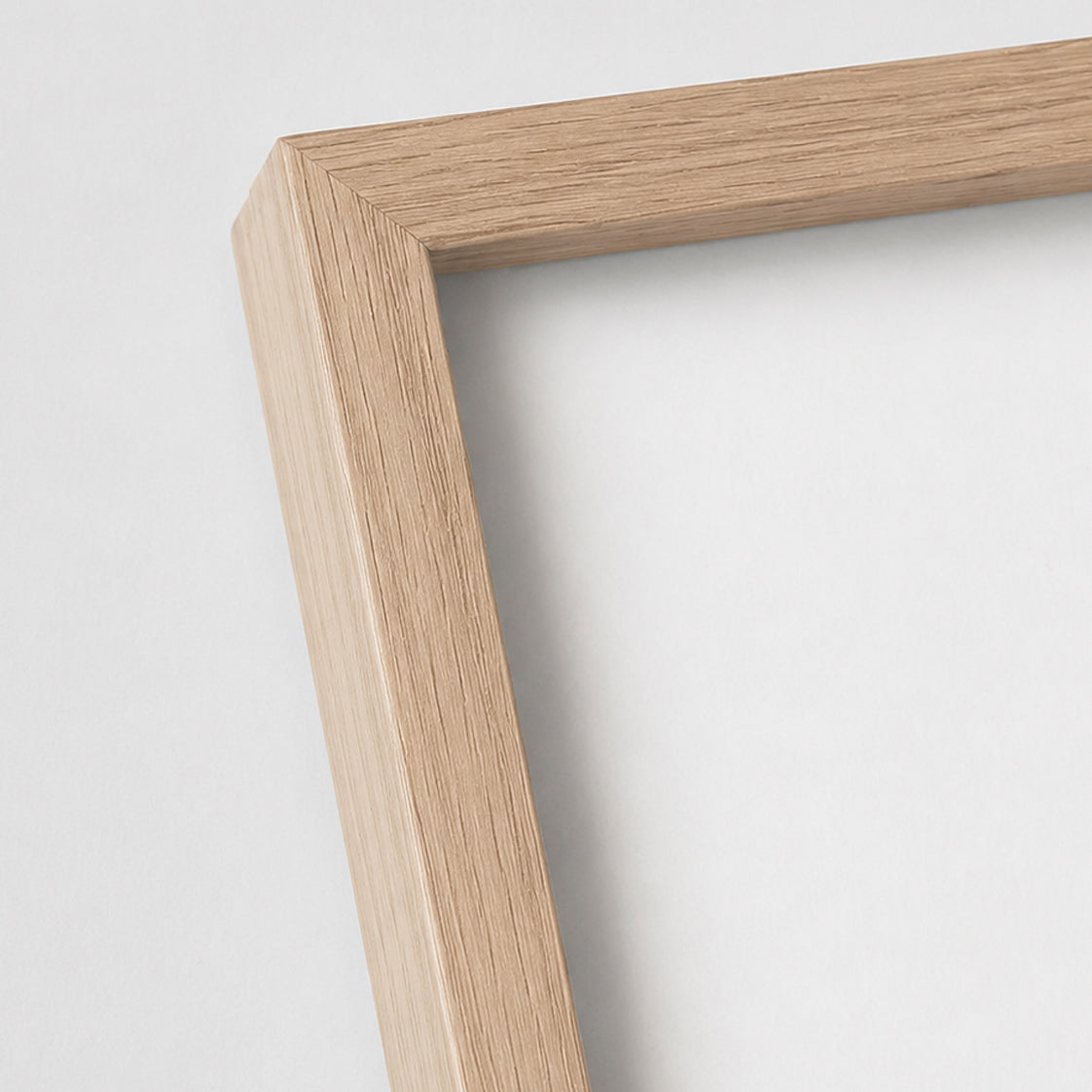
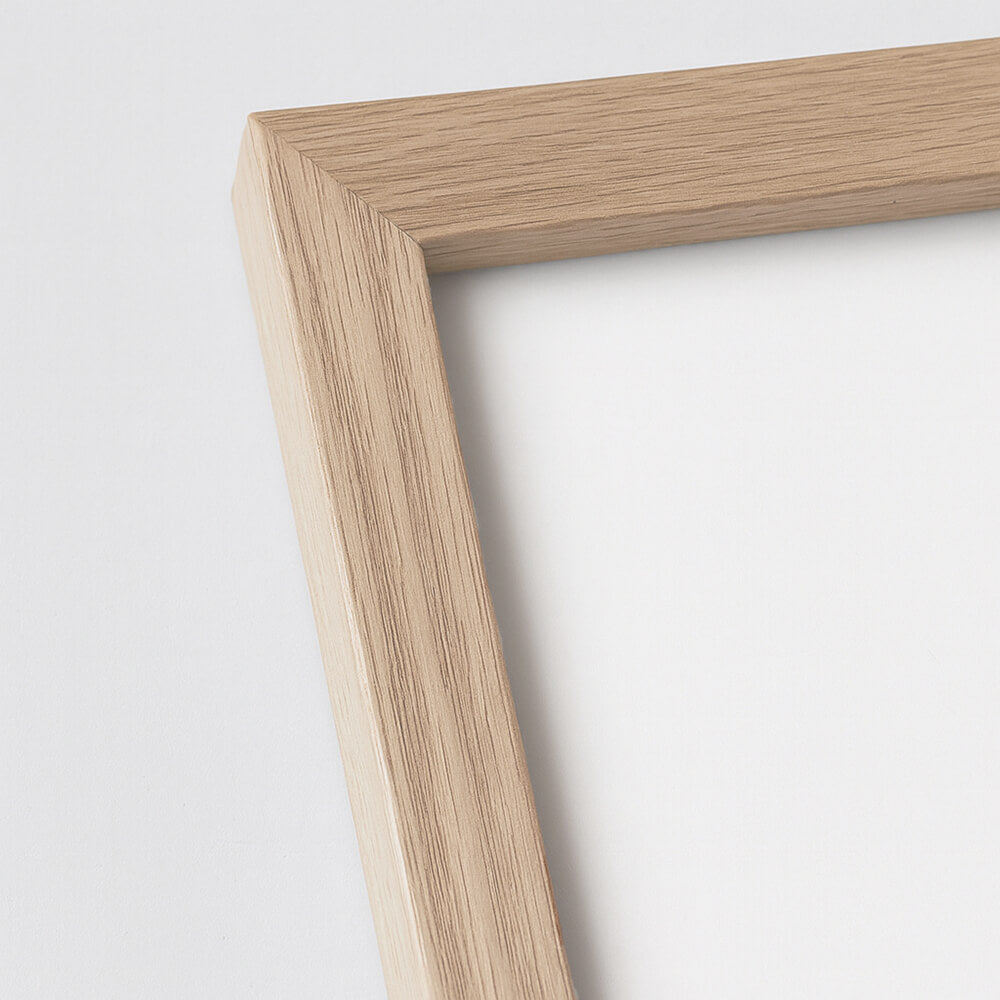
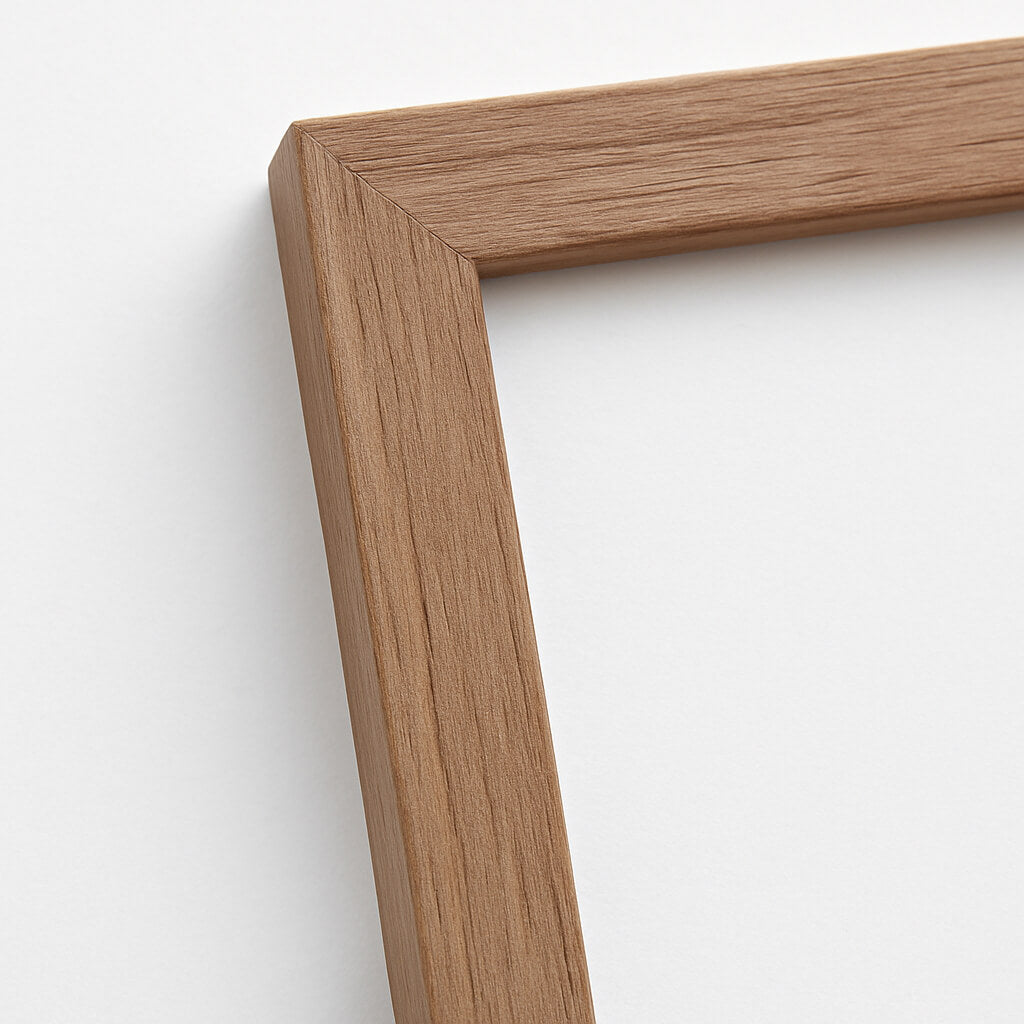
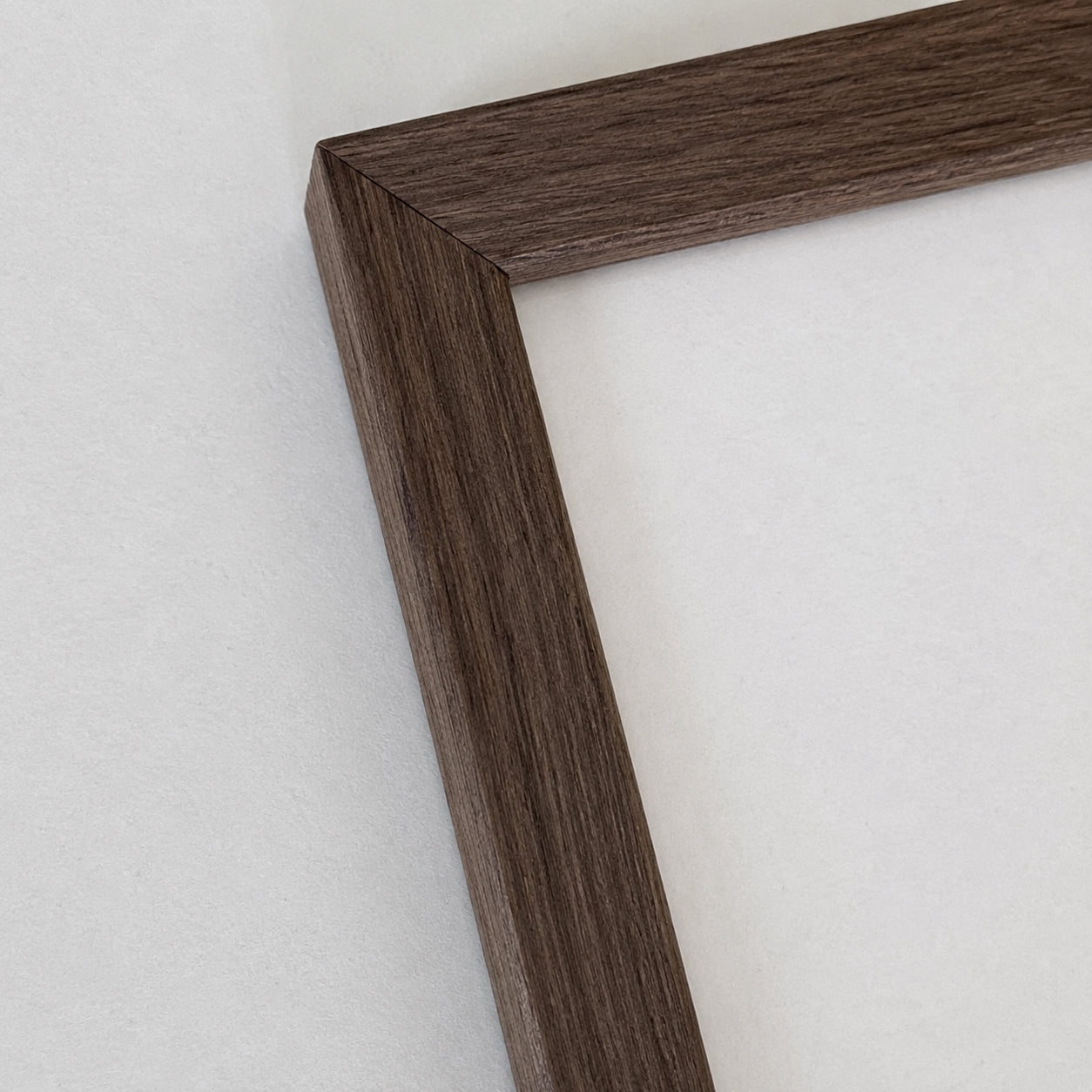
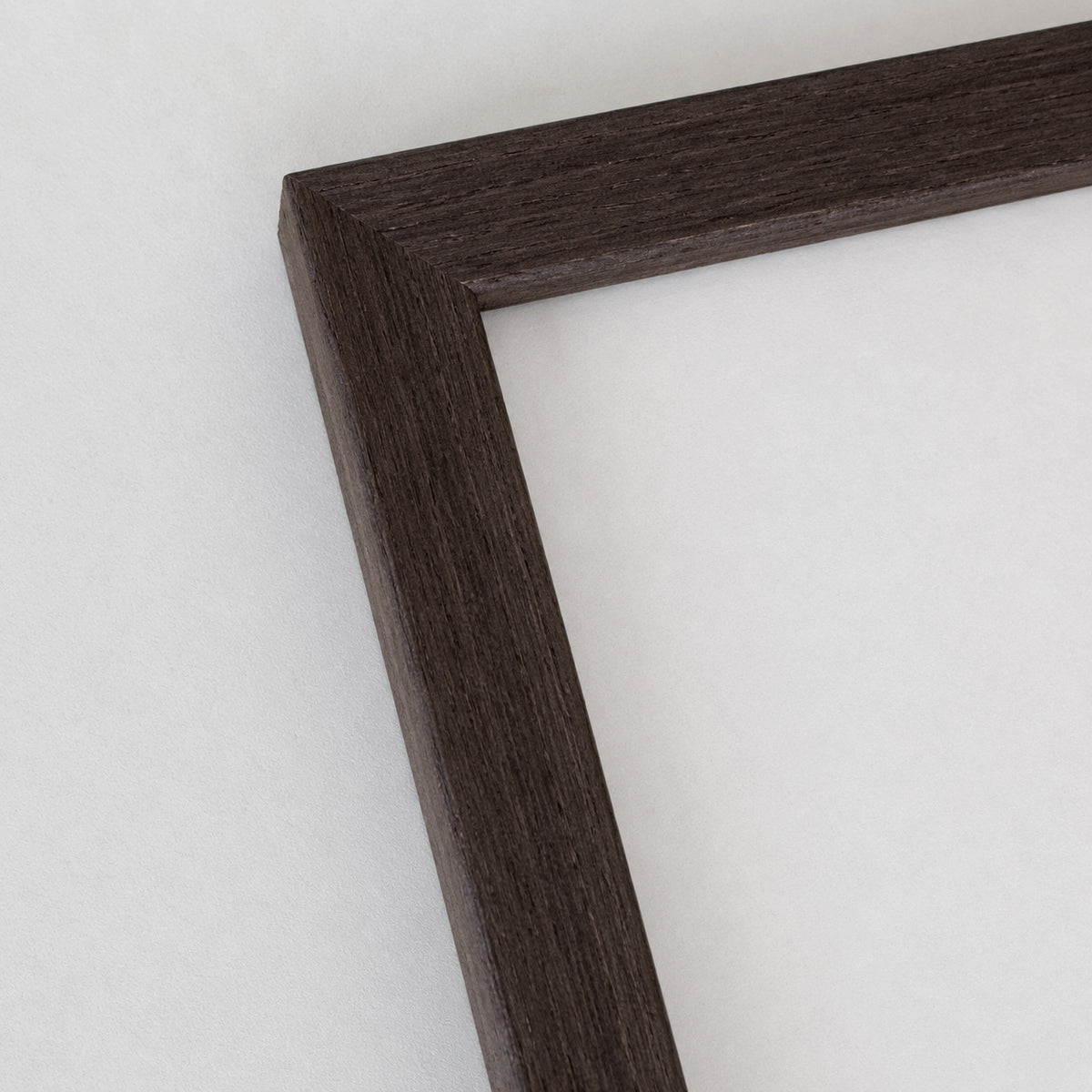
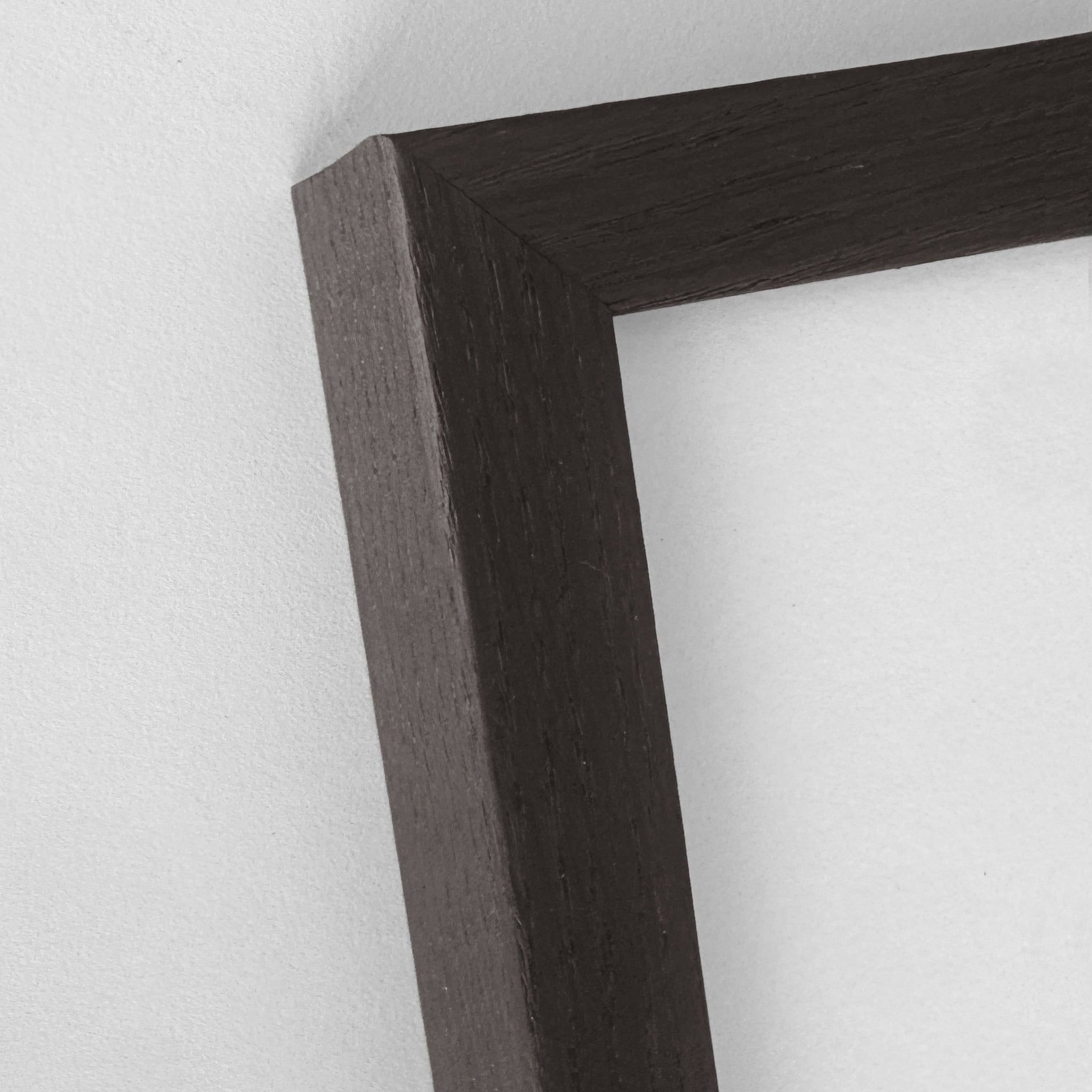
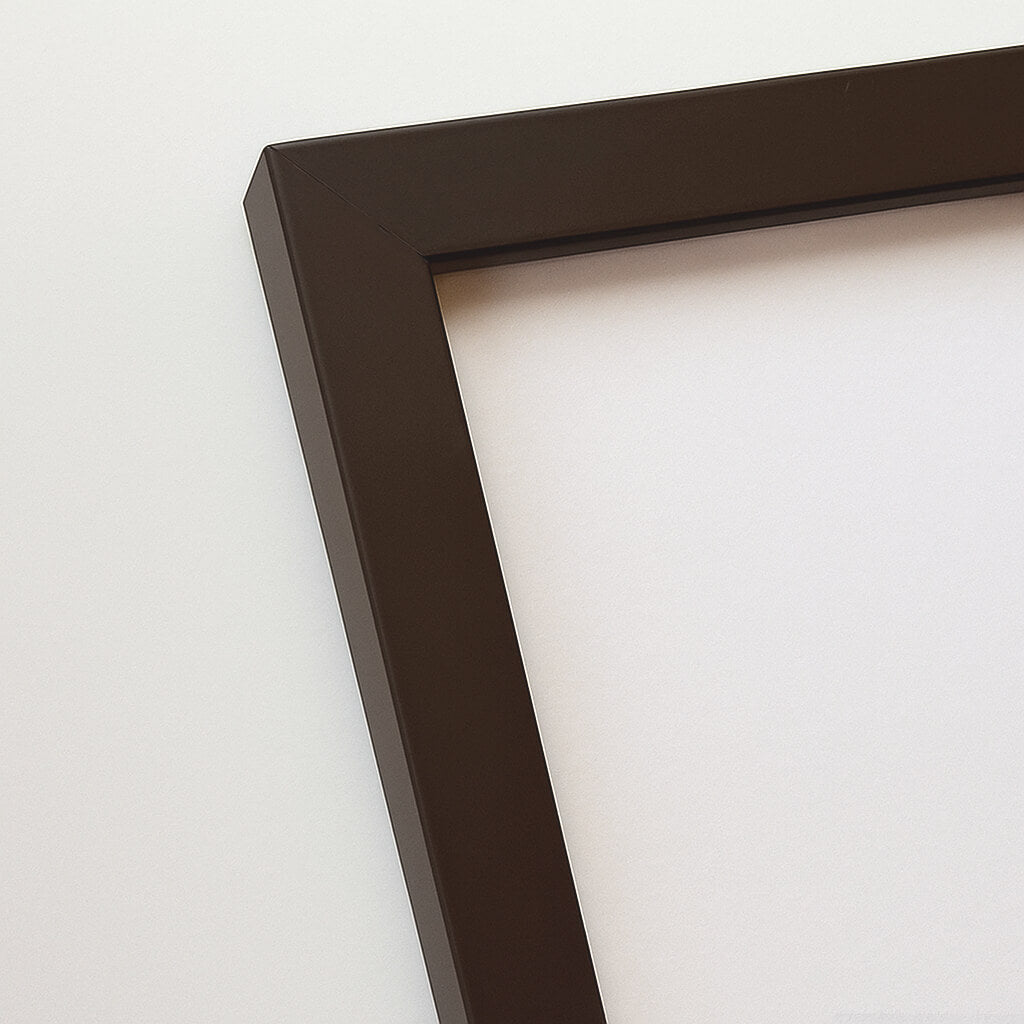
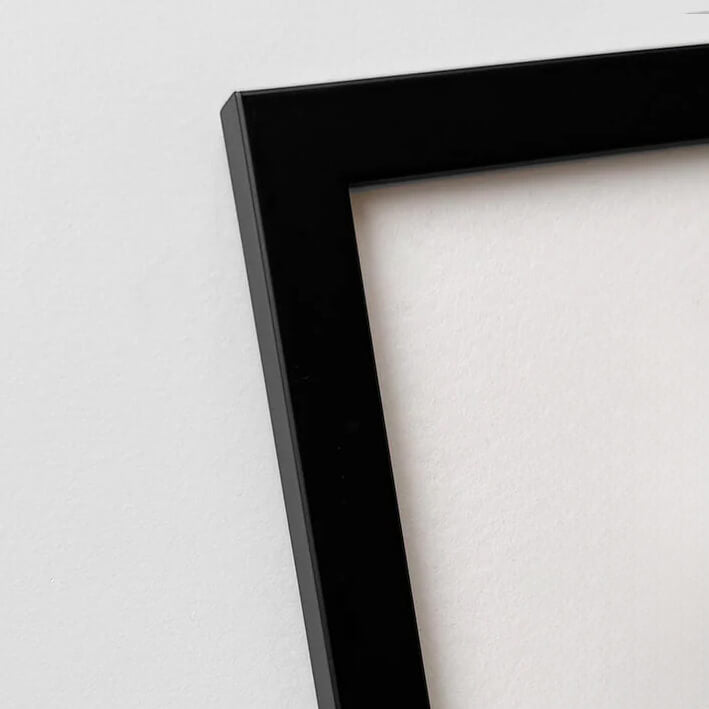
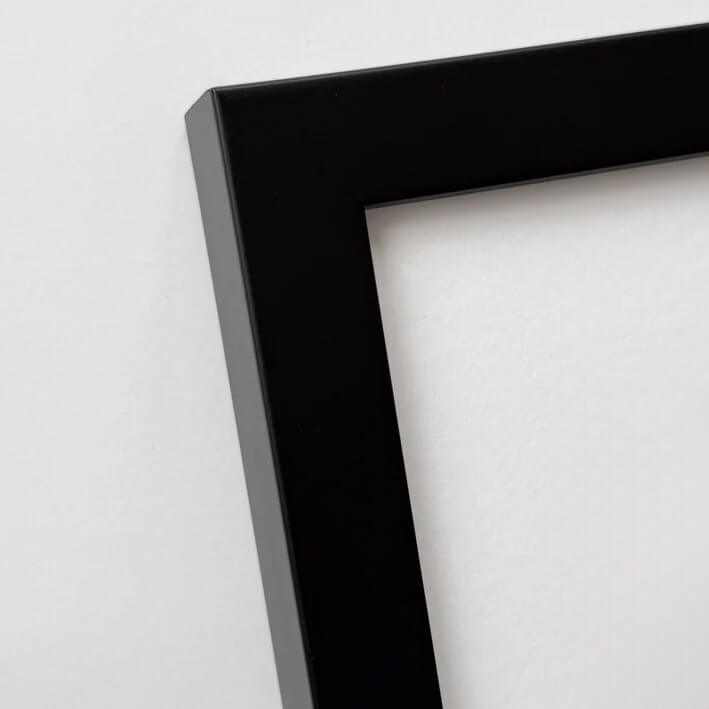
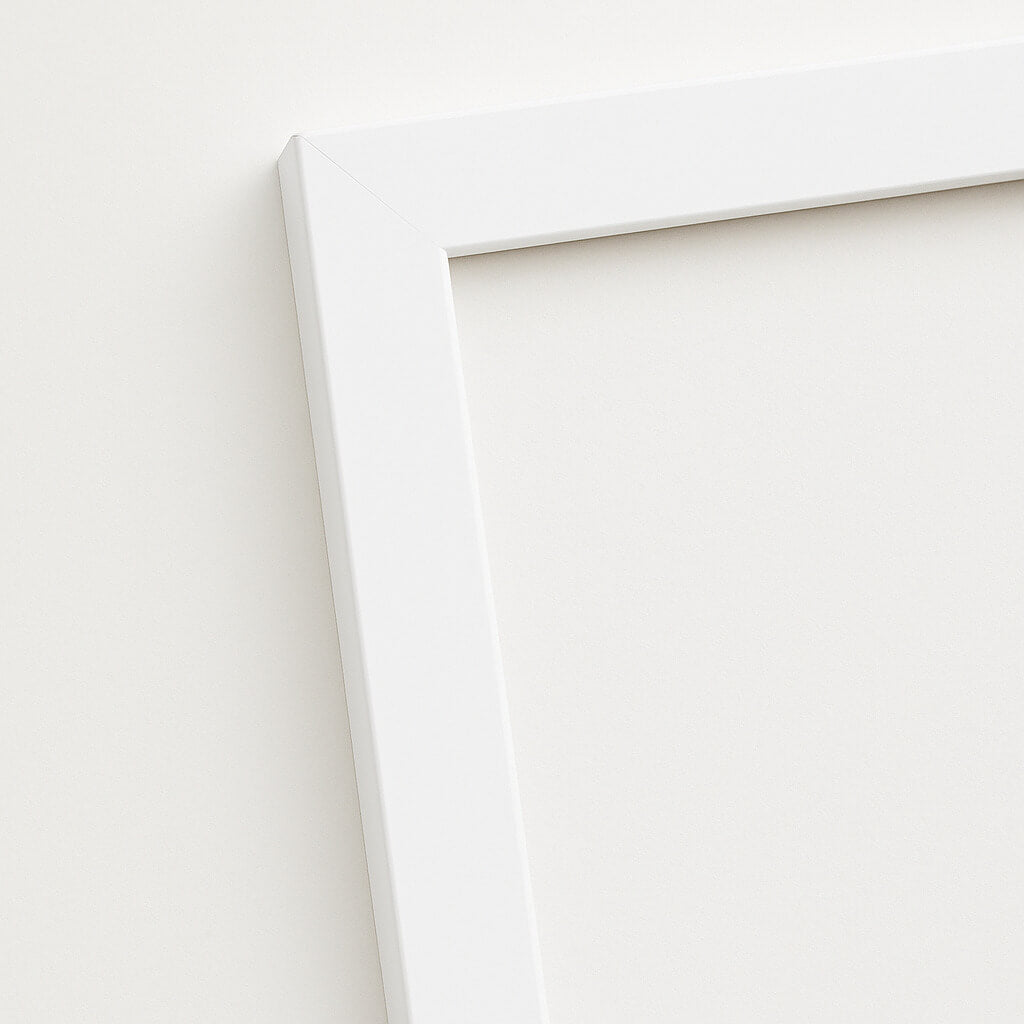
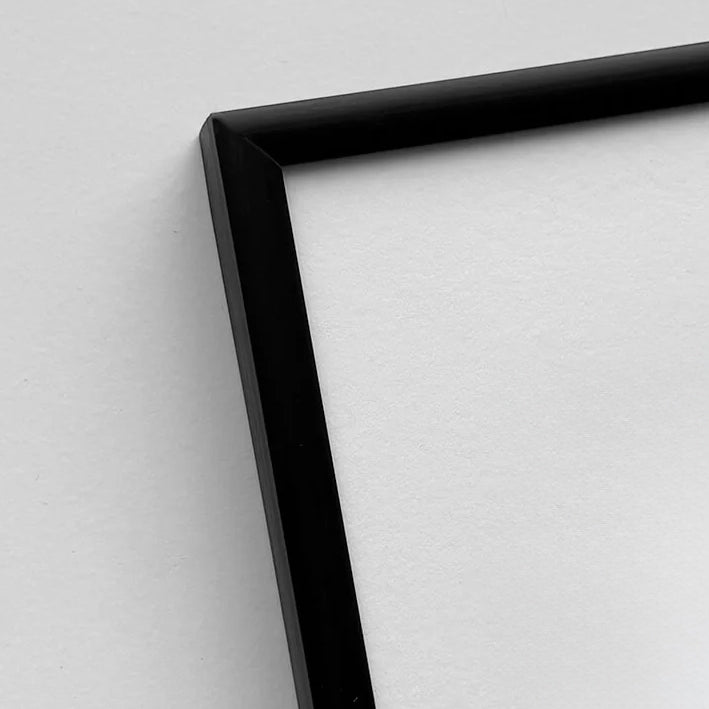
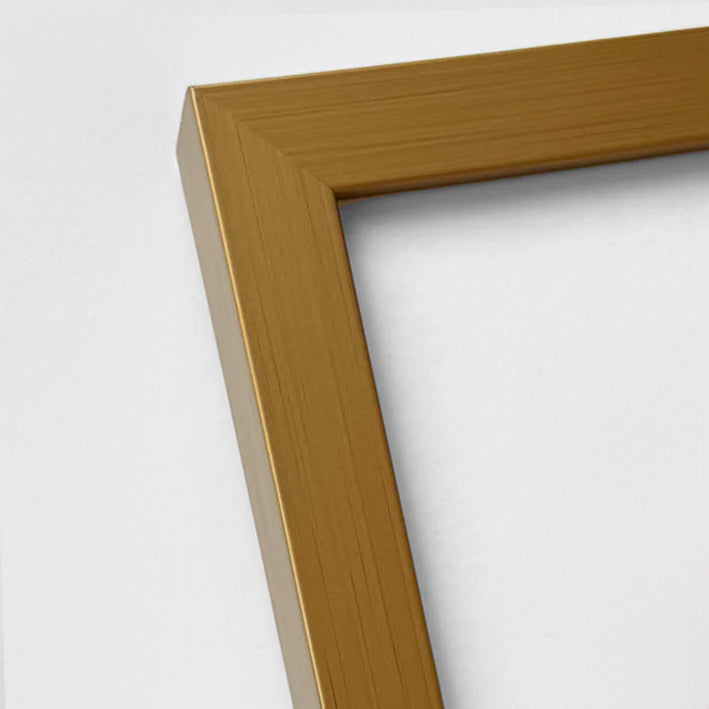
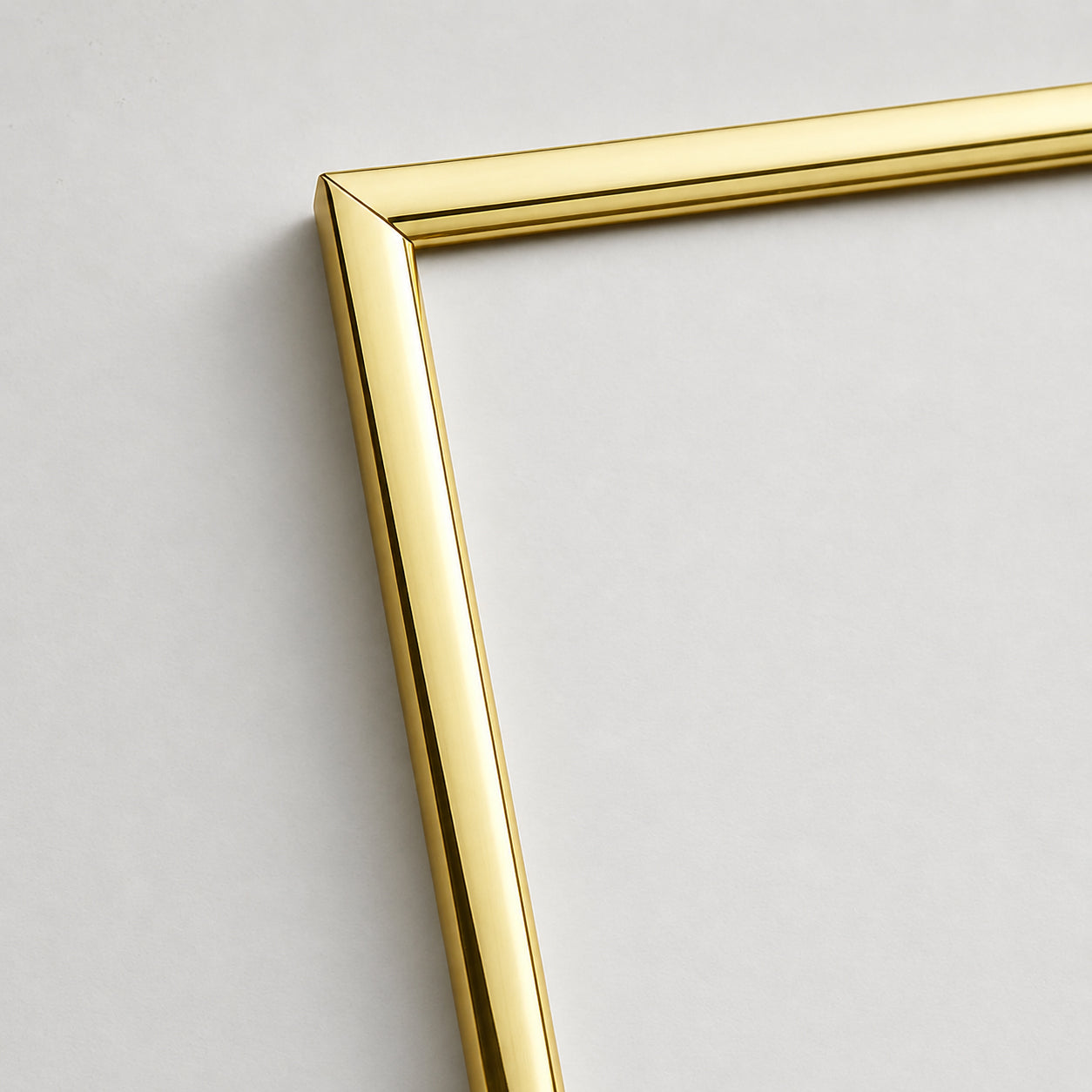
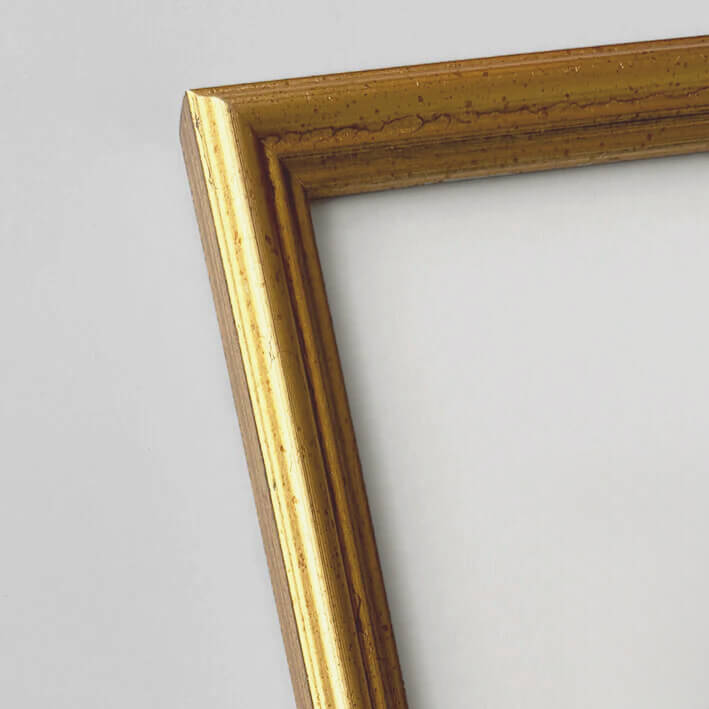
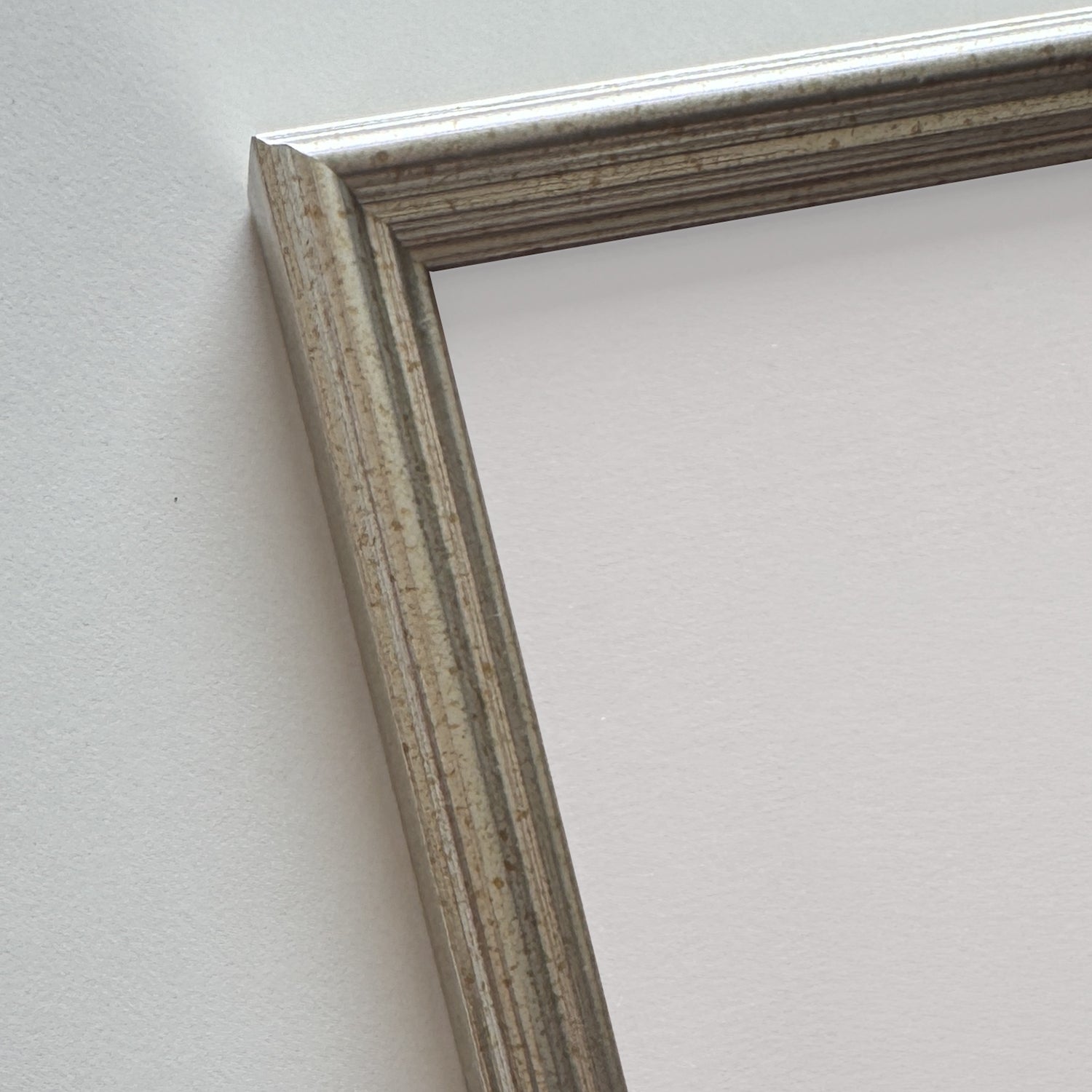
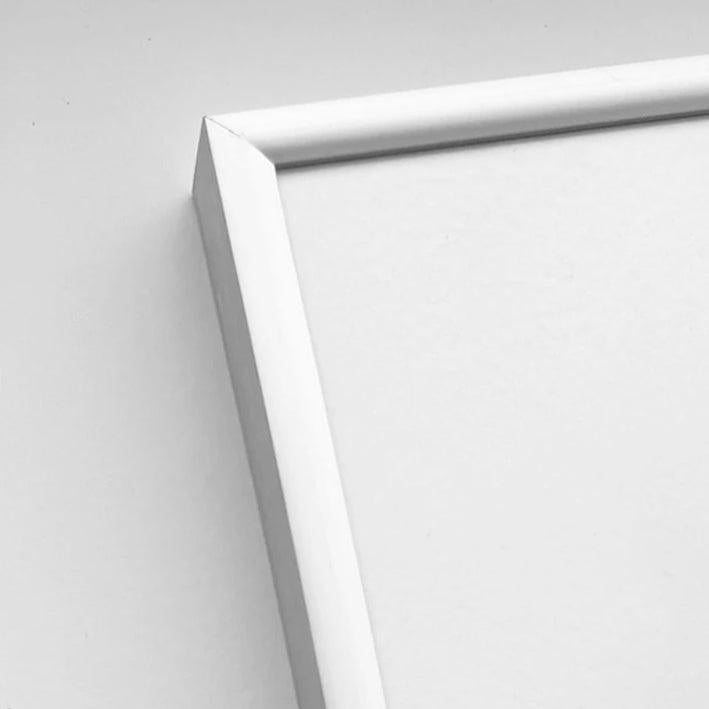
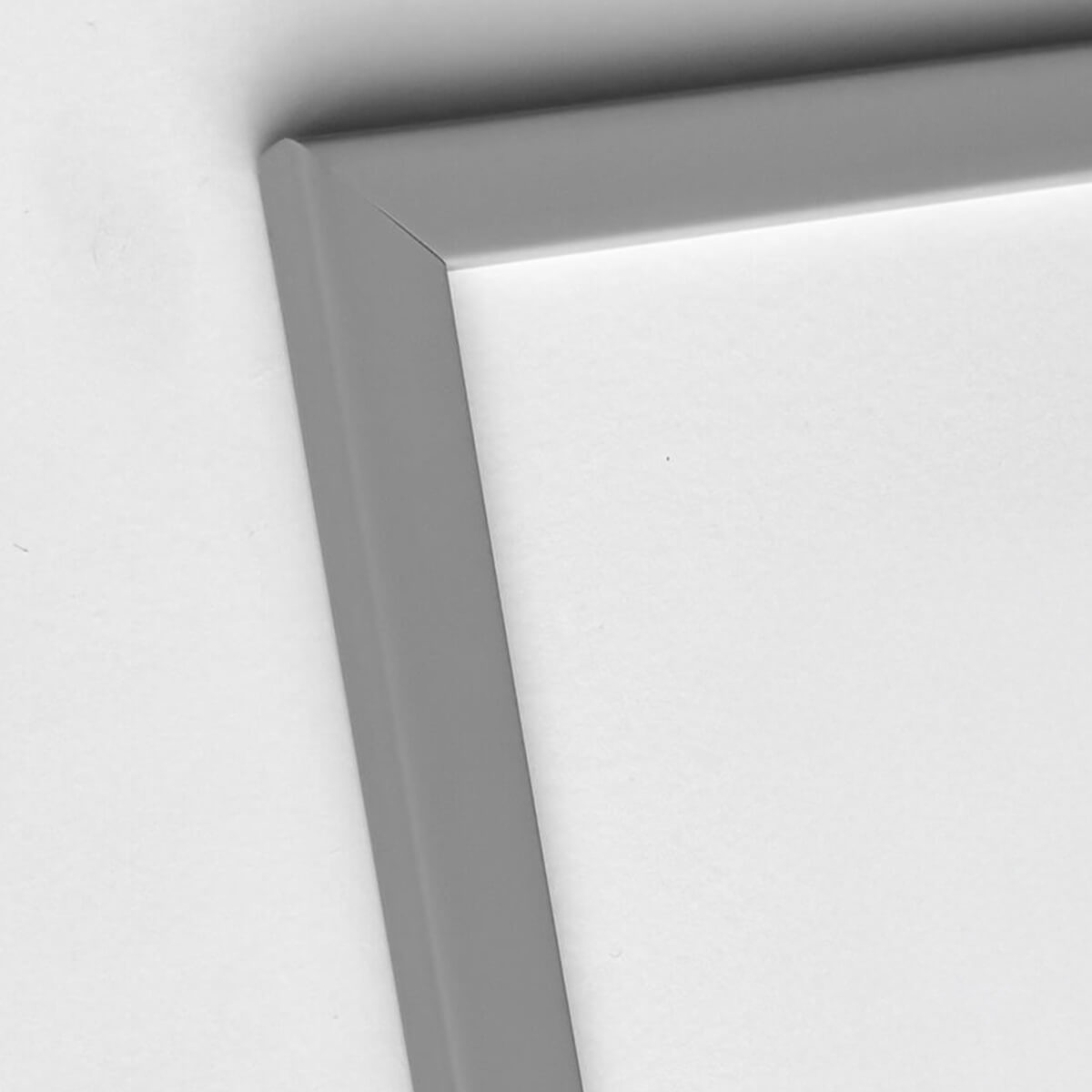
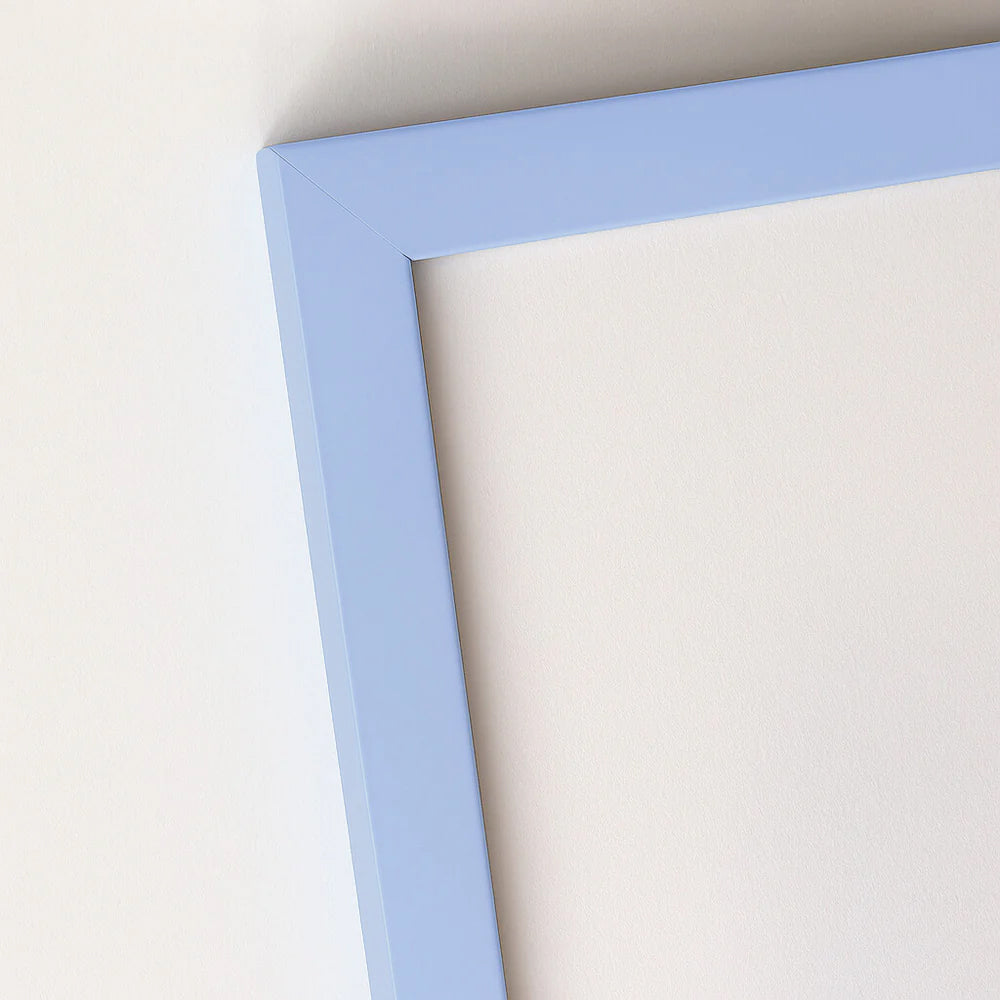
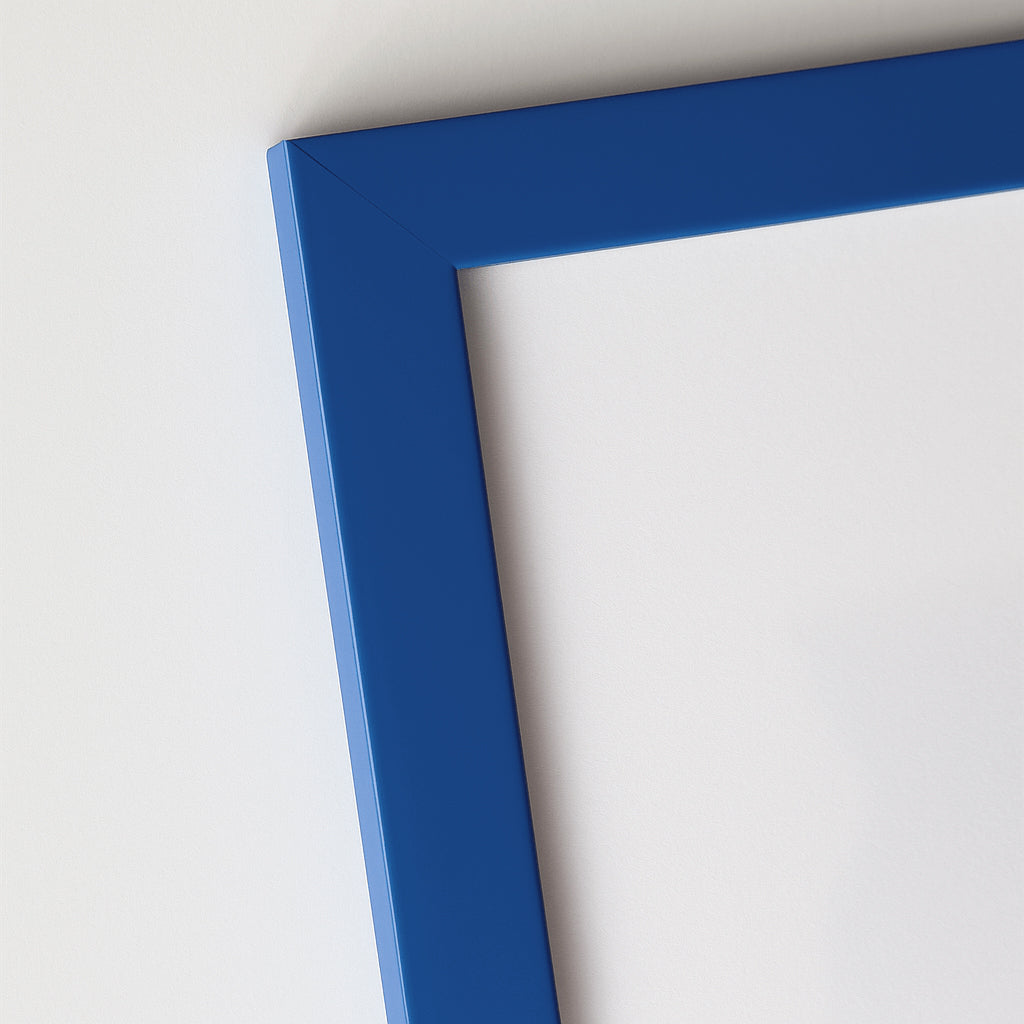
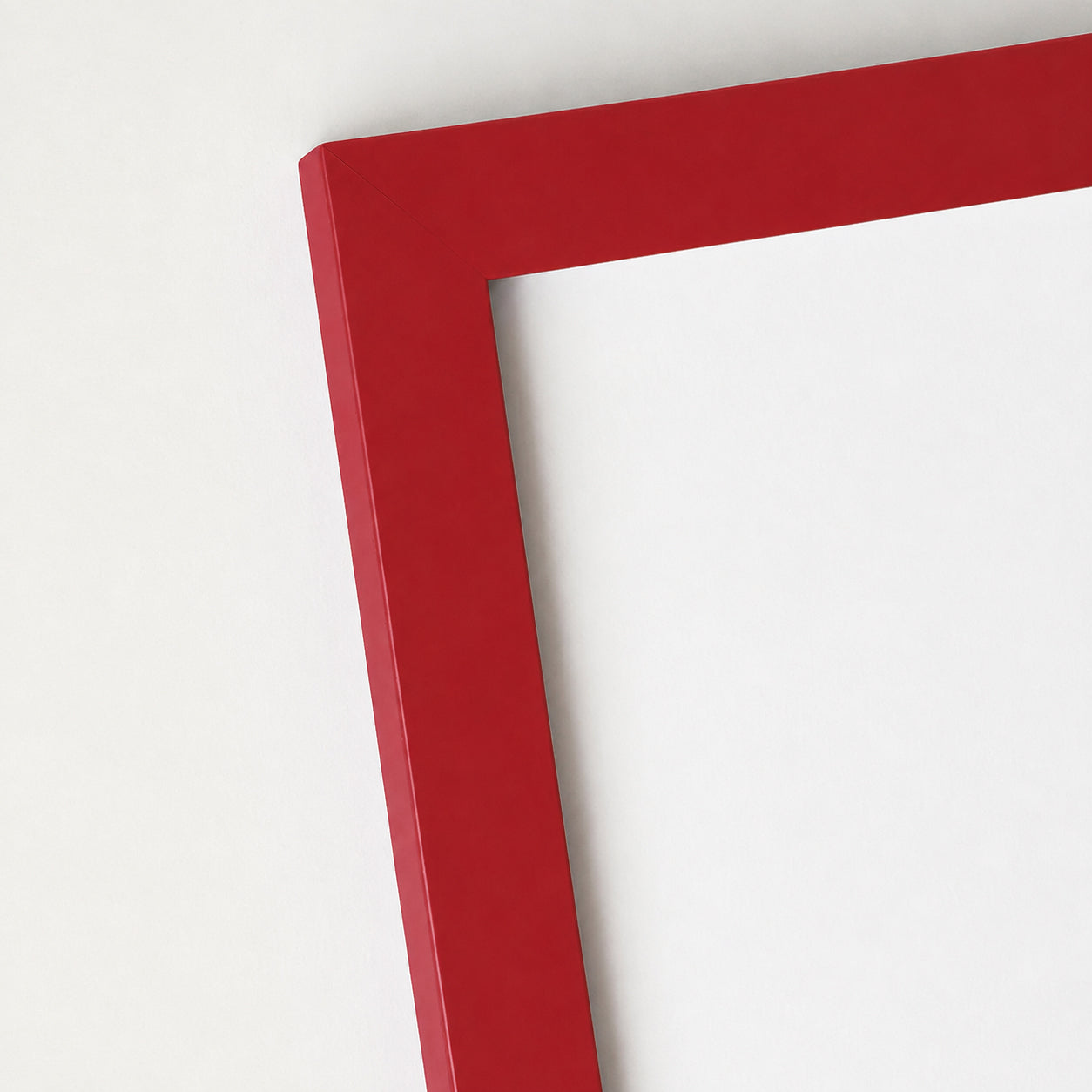
The larger the motif, the more the colour and width of the frame shape the overall look. A slim profile keeps the focus on the poster, while a wider profile can give an older exhibition poster a more classic feel. In our frame designer, you can upload an image of your poster and try out wood types, colours, profiles and passepartouts.
The preview follows every change you make, so you can compare several versions at your leisure.
Recently seen
70x100 frames with
Passepartout
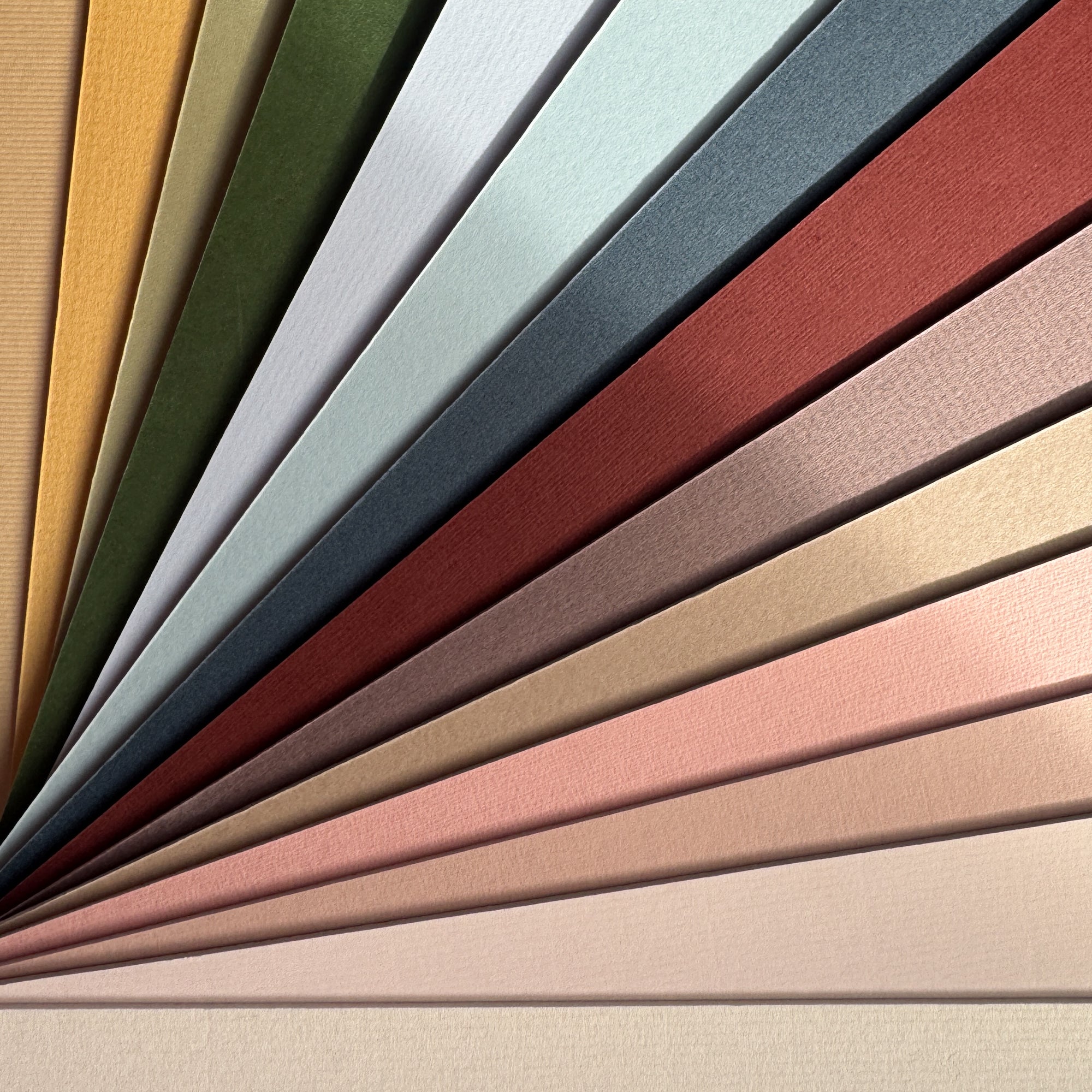
With a passepartout, a 70×100 cm frame suits a 50×70 cm poster, which gets a wide border of approx. 10 cm at the sides and approx. 15 cm at the top and bottom. The extra space gives even an ordinary poster the feel of an exhibition piece. An A1 print measuring 59.4×84.1 cm gets approx. 5.5 and 8 cm, while a 61×91.5 cm poster gets a narrow border of approx. 4.5 cm all round. The passepartout is made from 1.5 mm thick board.
If you would like a passepartout around a 70×100 cm poster, you will need a larger frame. An A0 frame gives approx. 7 cm at the sides and approx. 9.5 cm at the top and bottom, and a 100×140 cm frame gives approx. 15 and 20 cm. You can also choose a made-to-measure frame.
You can choose from 20 passepartout colours. Enter the dimensions of your picture, and we automatically make the cutout 10 mm smaller in both width and height. The passepartout then overlaps the picture by 5 mm on each side, and the picture is secured with tape to the back of the passepartout.
Select a frame above to see it with the different passepartout colours.
Glass or acrylic for
70x100 frames
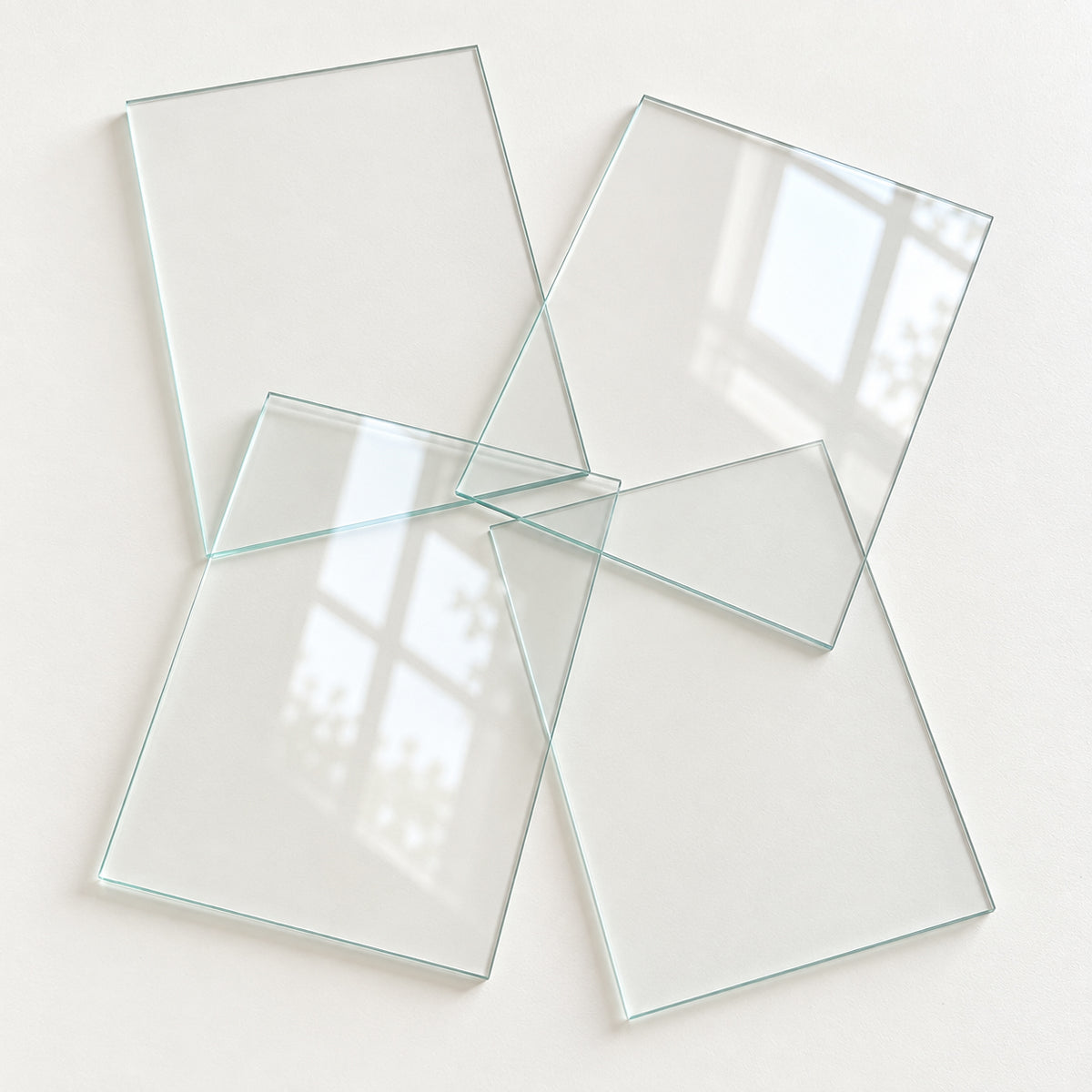
In a 70×100 cm frame, the glazing covers a large area, and your choice affects weight, safety and how much of the room is reflected in the poster. You can choose from four glazing options.
Acrylic glass is popular for large sizes like this. It weighs much less than glass and does not shatter, so the frame is easier to handle and safer to hang above a sofa or in a stairwell. Acrylic reflects light just like standard glass and scratches more easily, so only clean it with a soft cloth. Remove the protective film from both sides.
Standard glass reproduces colours clearly and has a scratch-resistant surface at an affordable price. At this size, however, the weight becomes considerable and reflections more visible, and the glass can break if knocked or dropped.
Non-reflective glass reduces reflections with a matt surface, which can help in a bright living room. Colours and details may look slightly softer, though, especially with a passepartout, and reflections are not removed entirely.
Museum glass offers high clarity with fewer reflections and UV protection that limits fading. It is an obvious choice for an original vintage poster or a signed print. It costs more, faint reflections can still occur, and direct sunlight should be avoided.
Shipping of 70x100 frames worldwide
Parcel or pallet
We deliver 70×100 cm frames worldwide with GLS or FedEx. With acrylic glass, GLS delivers to parcel shops in Sweden, Germany, Belgium and Poland.
If you choose real glass, the frame is shipped on a pallet by a private carrier directly to your address, as a pane this size is too heavy and fragile for a parcel shop. Pallet delivery is considerably more expensive, so acrylic is often the practical choice for international orders.
We pack every frame carefully so that frame and glazing are well protected. The vast majority therefore arrive safely.
70x100 frames with or without
Backing paper
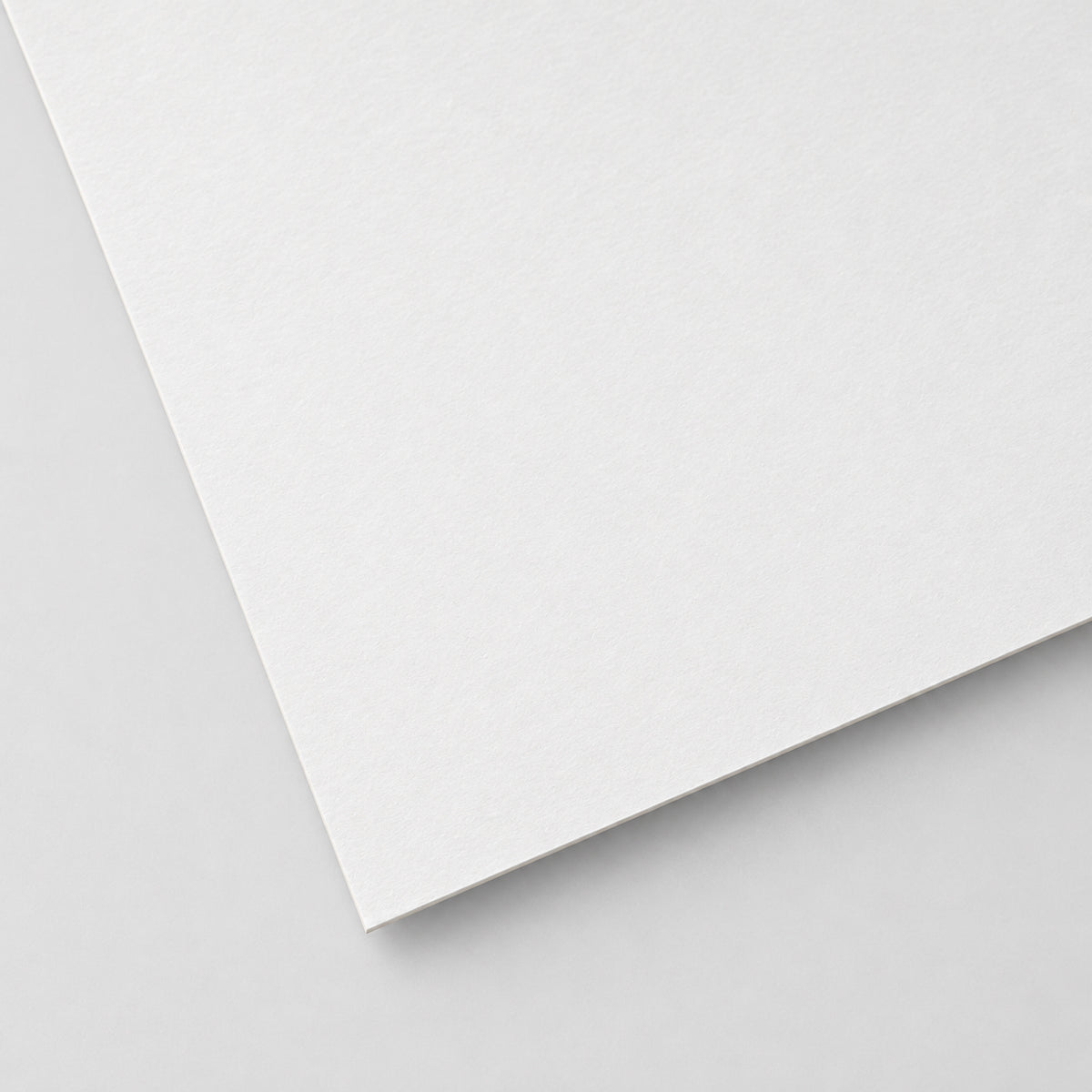
Your 70×100 cm frame is supplied without backing paper. A full-size poster does not need it. If you would like it, you can add 1 mm thick backing paper in a subtle off-white shade with a fine texture.
With backing paper, you can frame a smaller work against a visible background. It suits a large graphic sheet or a drawing with hand-torn or decorative edges, for example, that should be seen in full.
The paper also forms an extra layer against the backing board. If the work is delicate, both the paper and the mounting materials should be acid-free.
Framing and hanging
70x100 frames
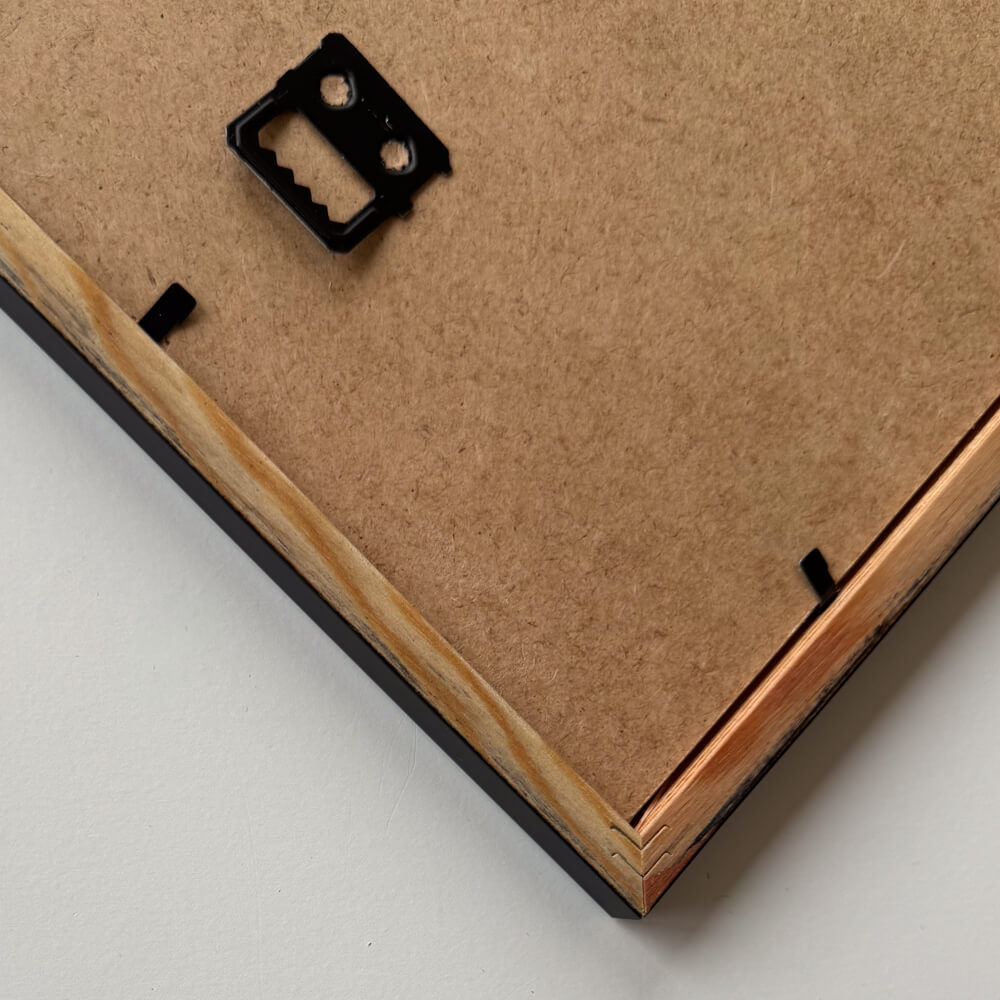
Clear a table or a section of floor before opening the frame, so there is room to lay it completely flat. It is easiest with two people. Bend up the black tabs on the back and lift out the hardboard backing.
Wipe the inside of the glass free of dust with a soft, dry cloth. If you have chosen acrylic glass, remove the protective film from both sides. Insert the poster, replace the backing and bend the tabs back into place.
When the frame is ready to go up, tilt the hanging bracket slightly outwards so it can hook onto a screw or nail. Lift the frame into place together, so no one has to hold it alone at arm's length. The fixing must suit your wall type and be able to support the weight of the frame. We do not recommend adhesive nails for a 70×100 cm frame.