





























Design your own mini framing
Details make the difference
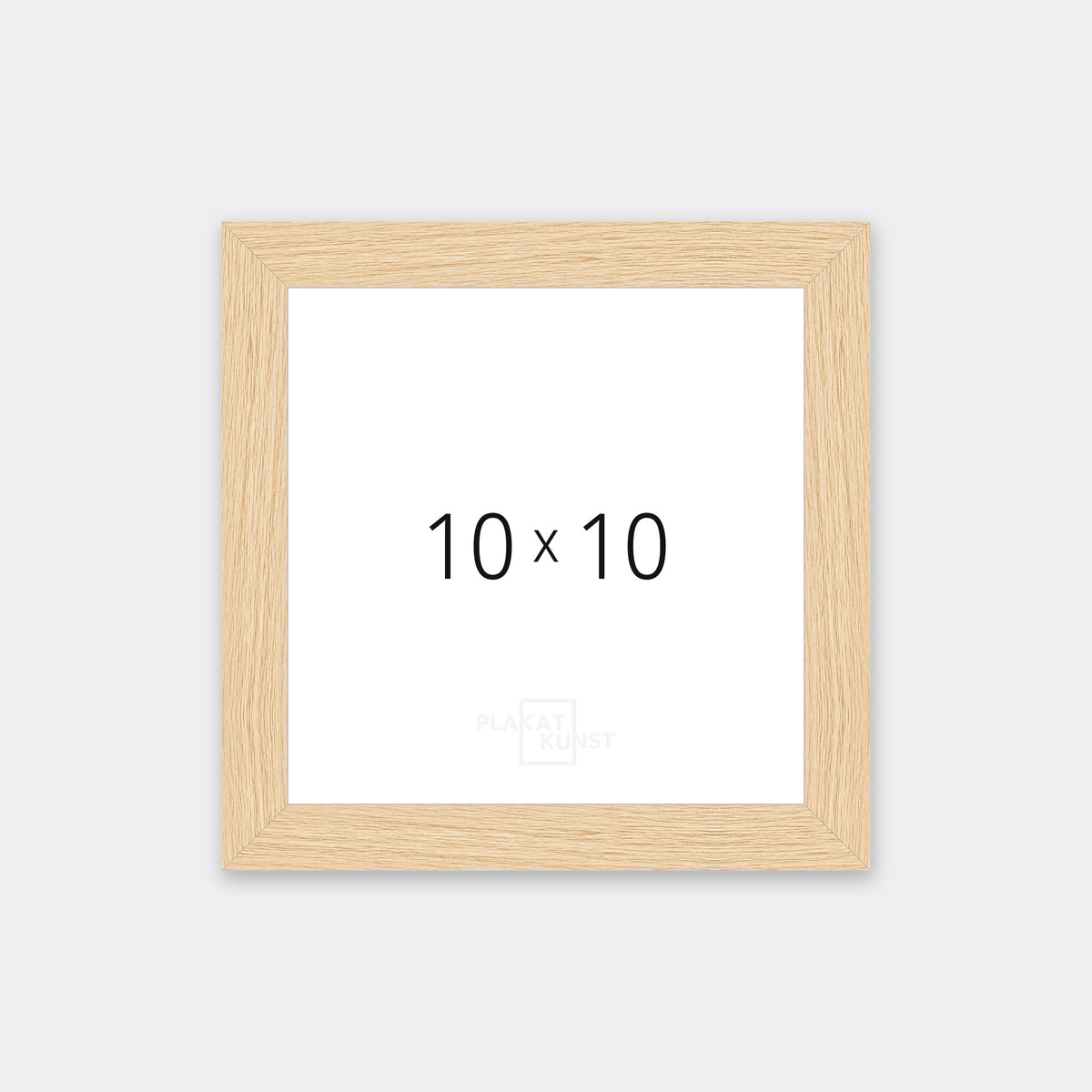
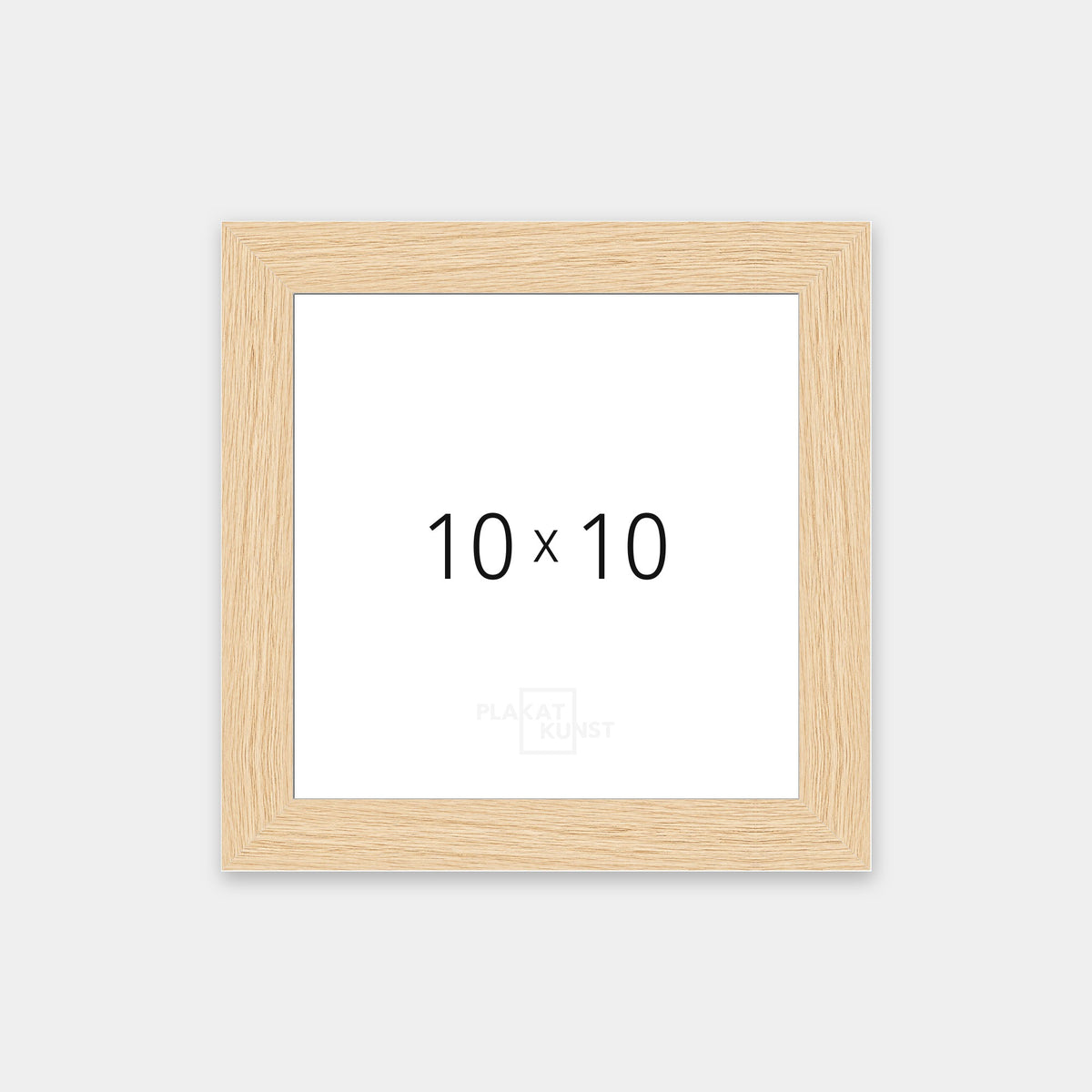
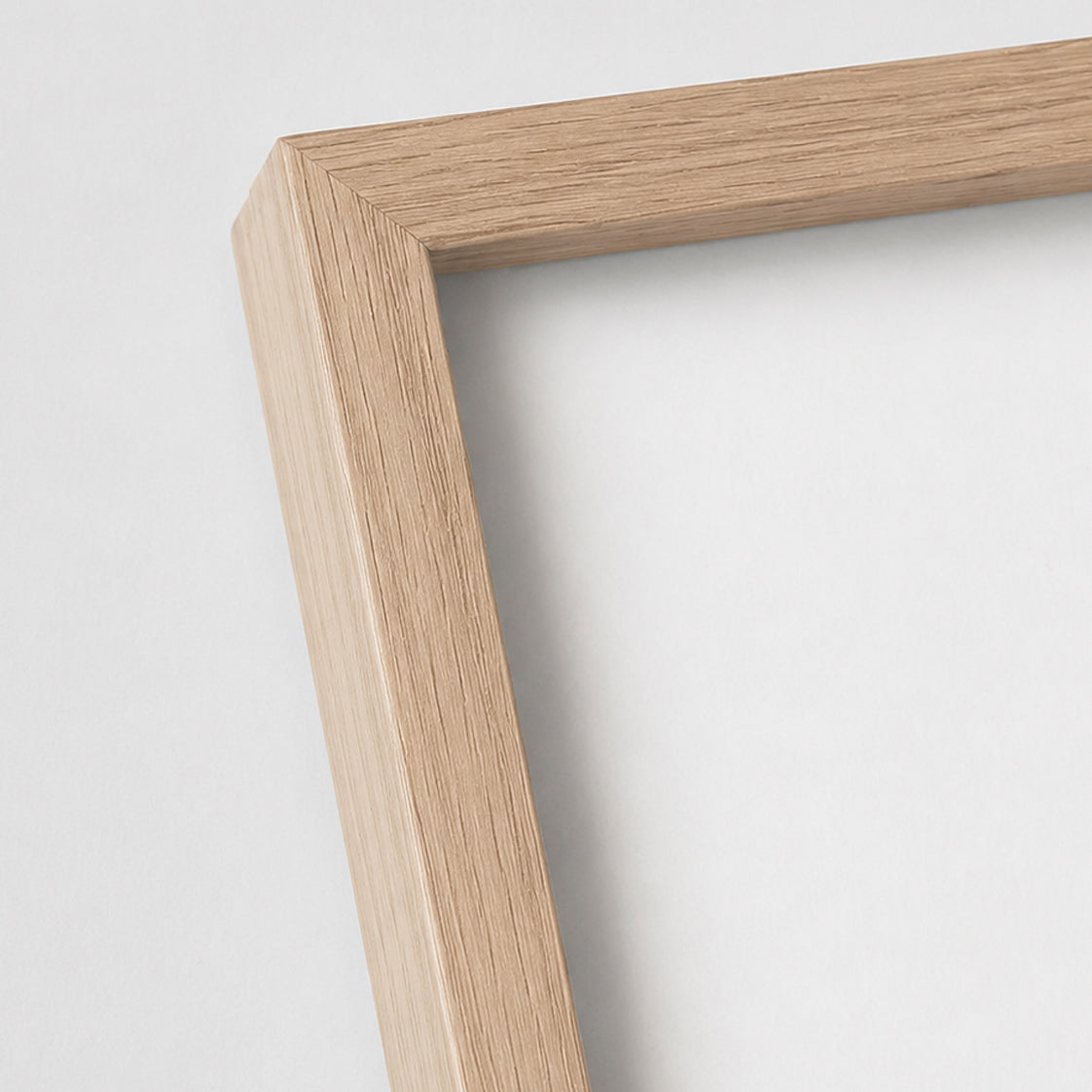
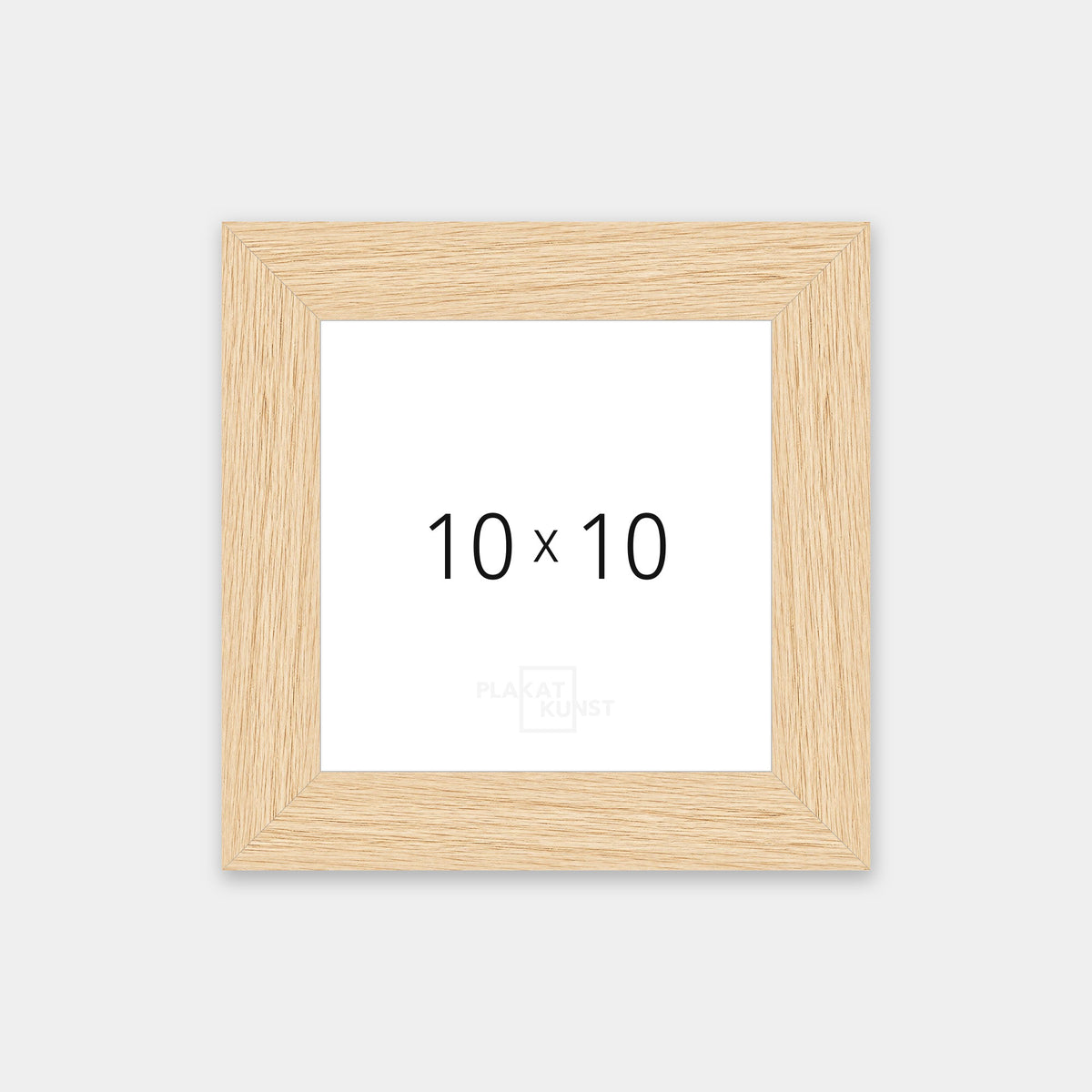
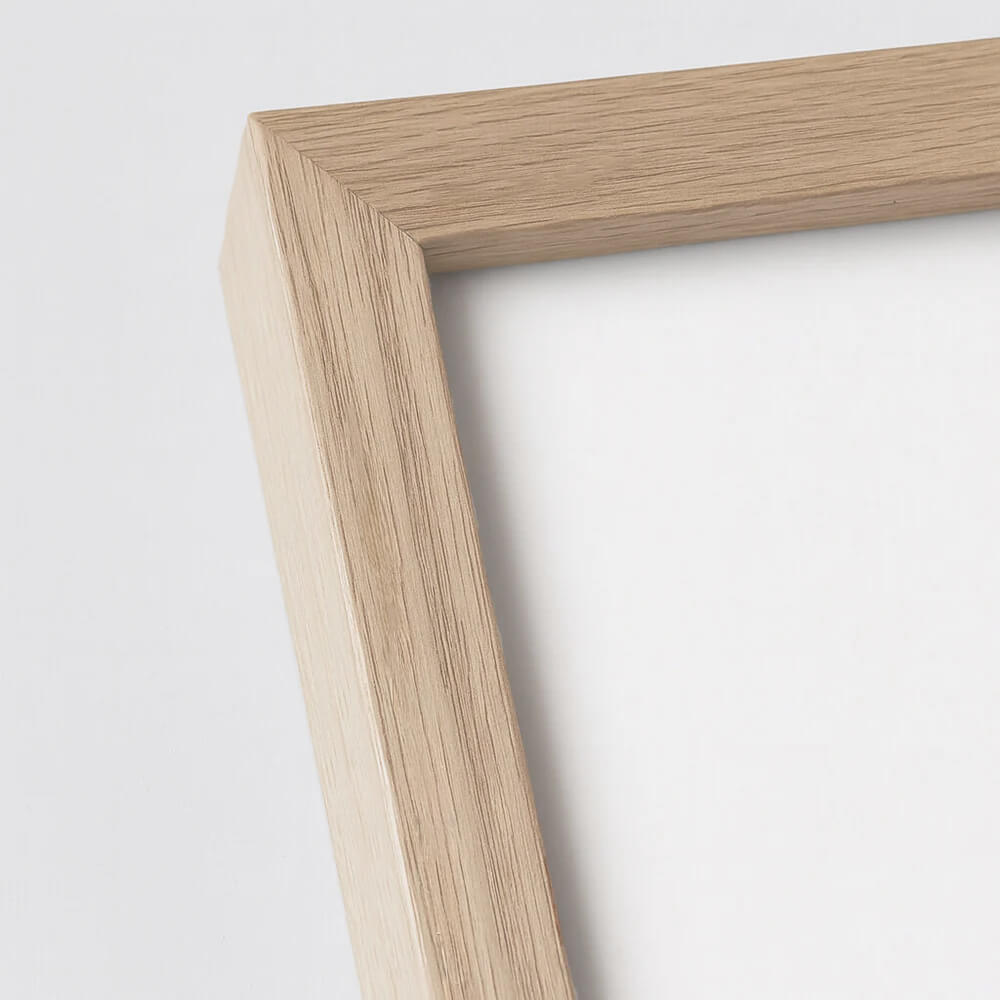
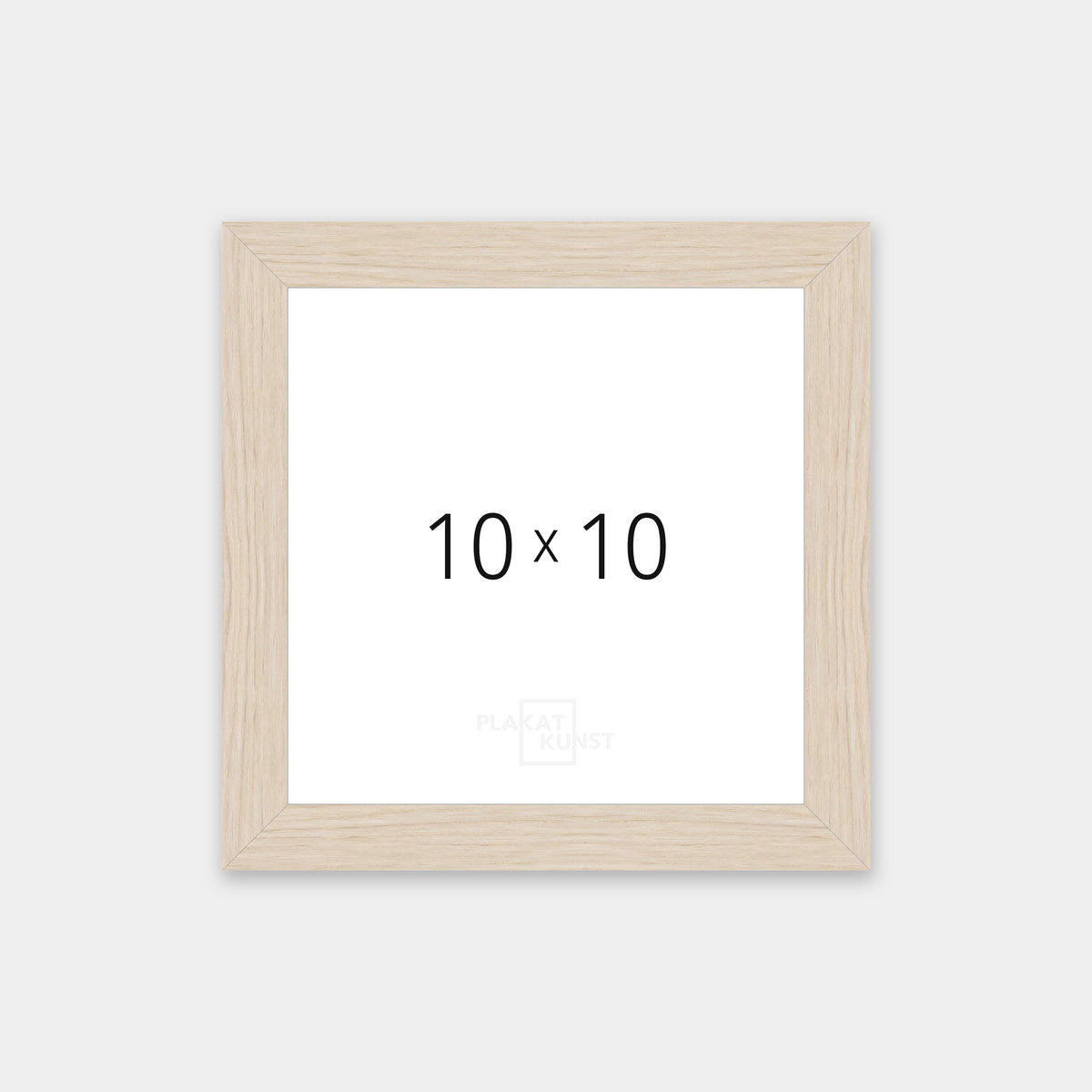
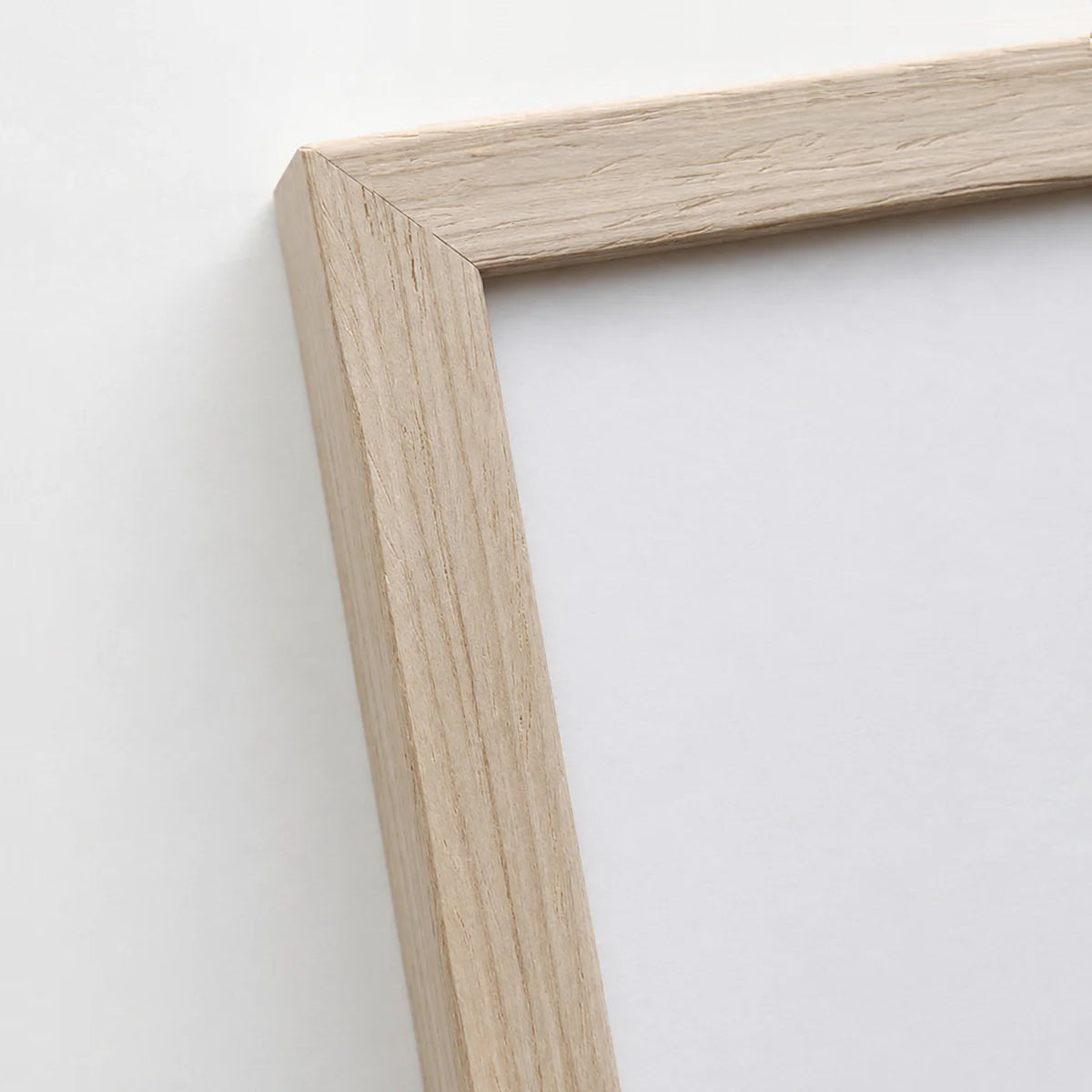
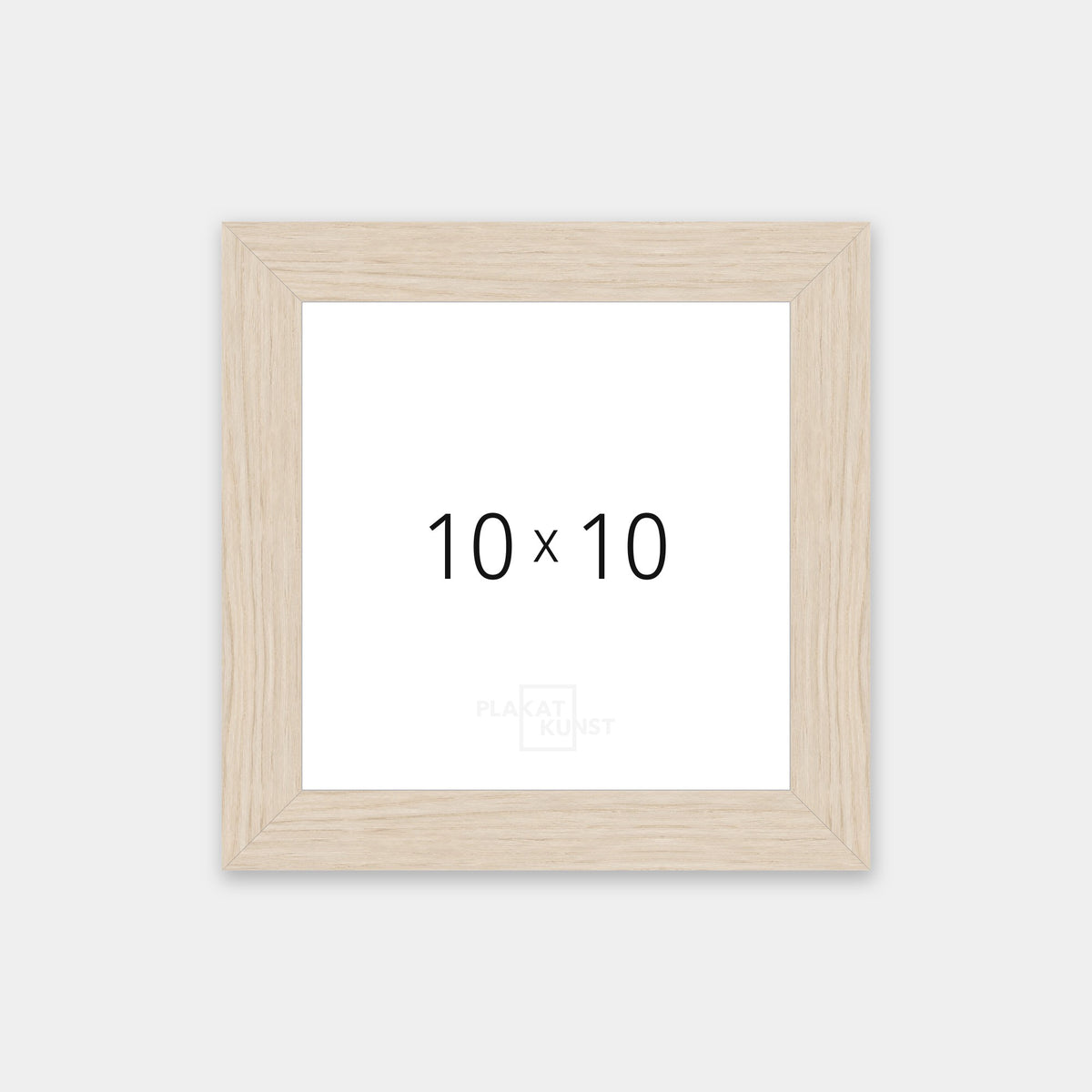
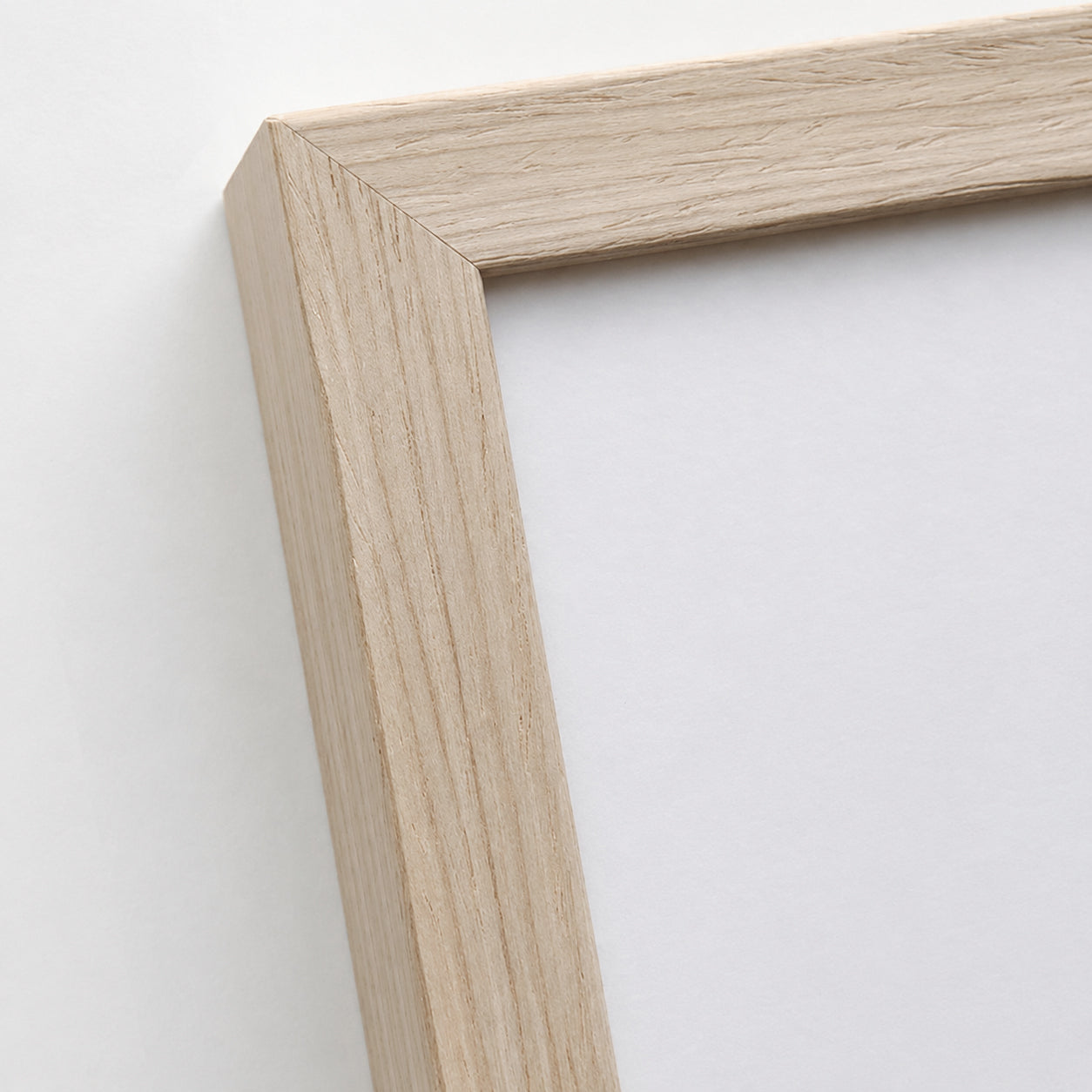
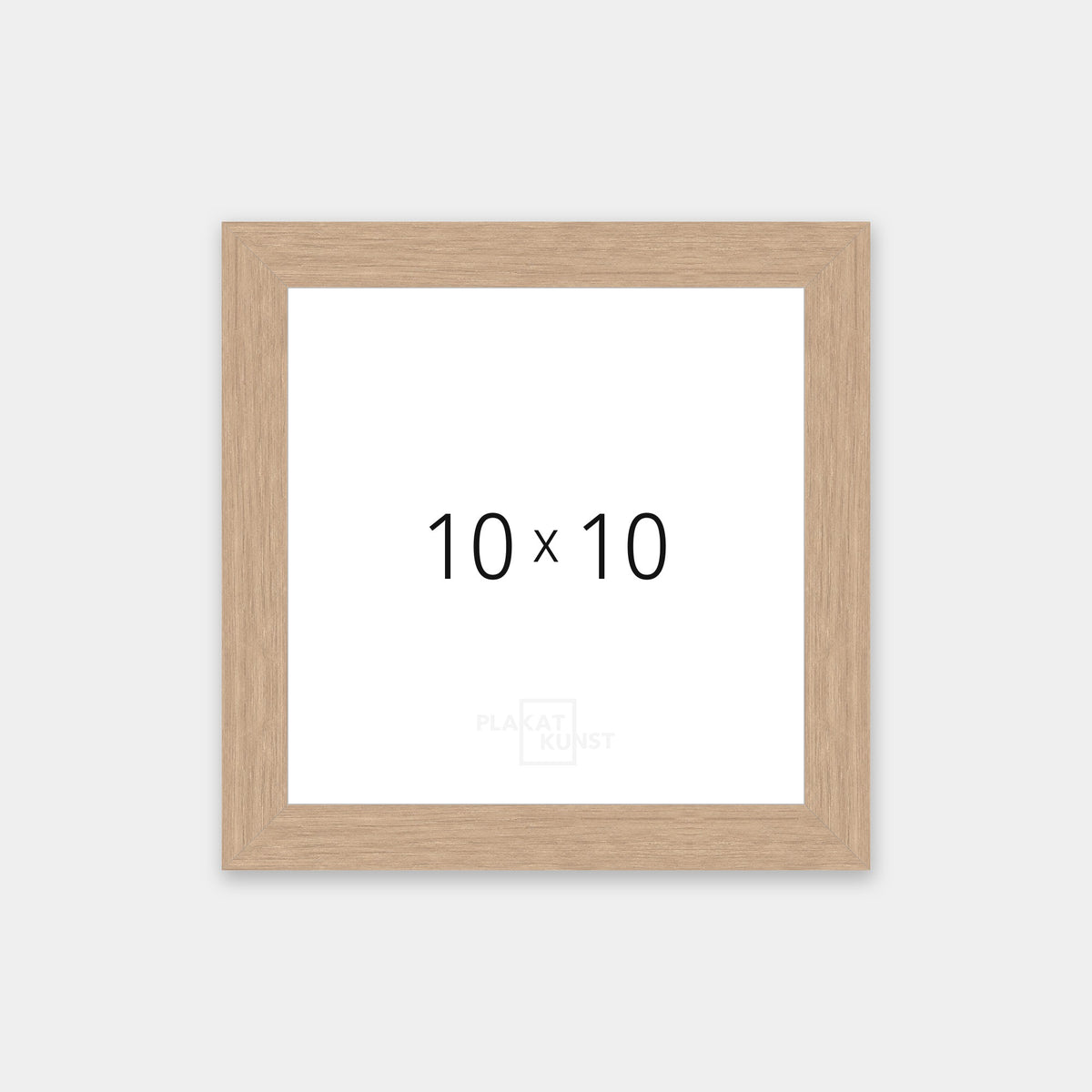
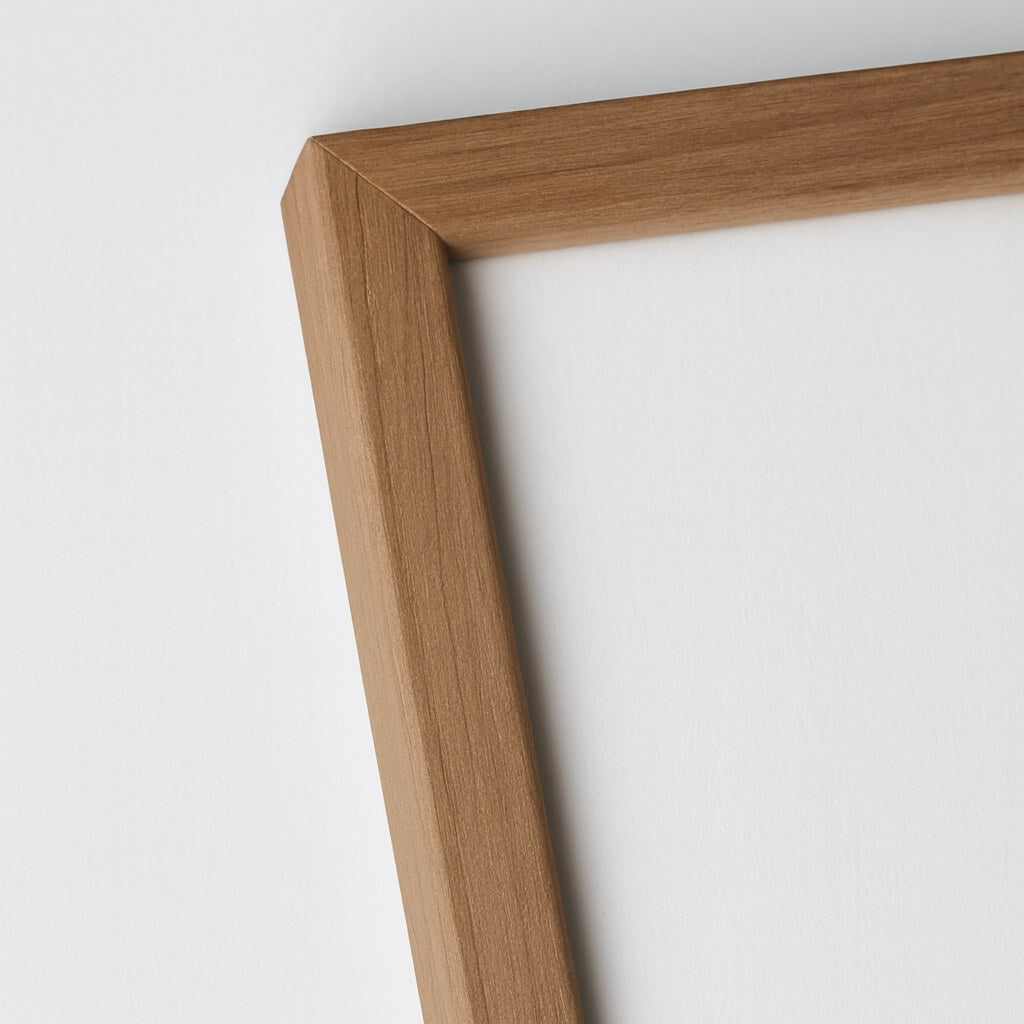
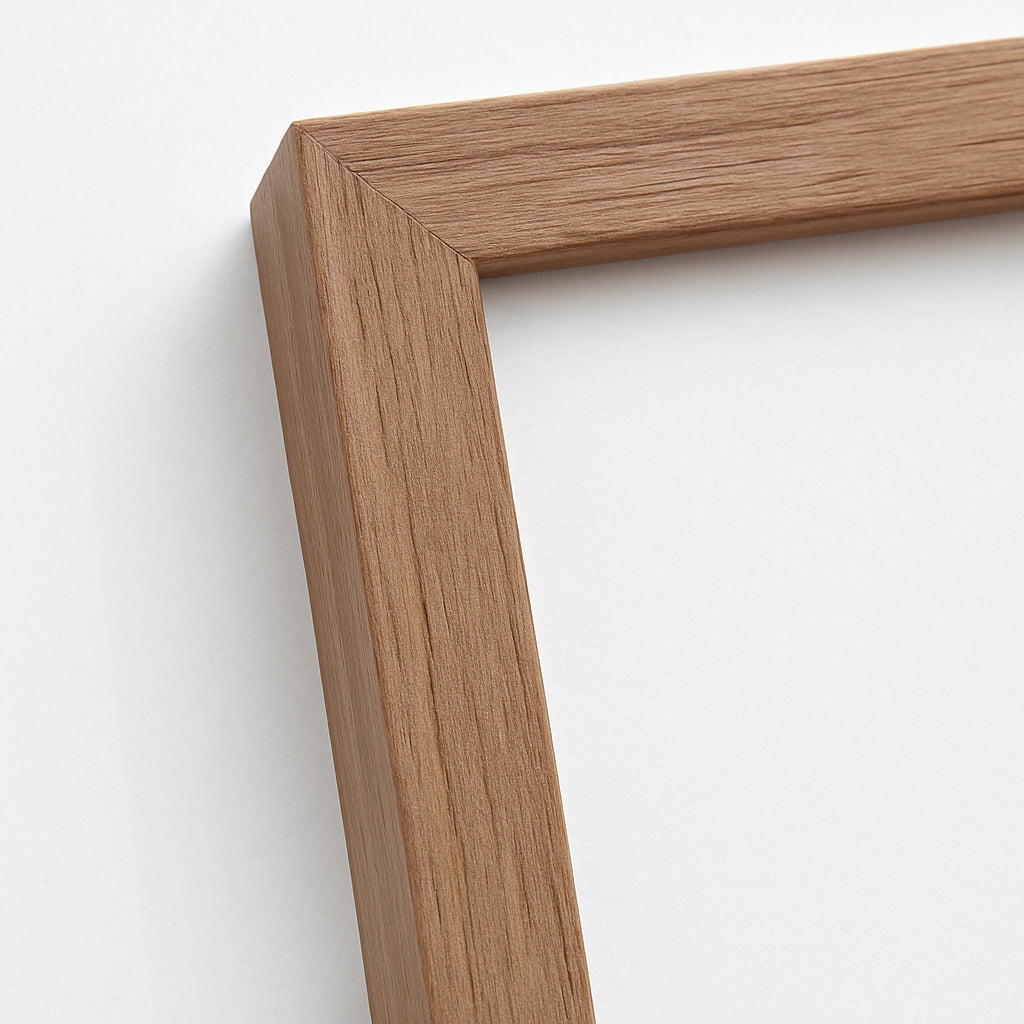
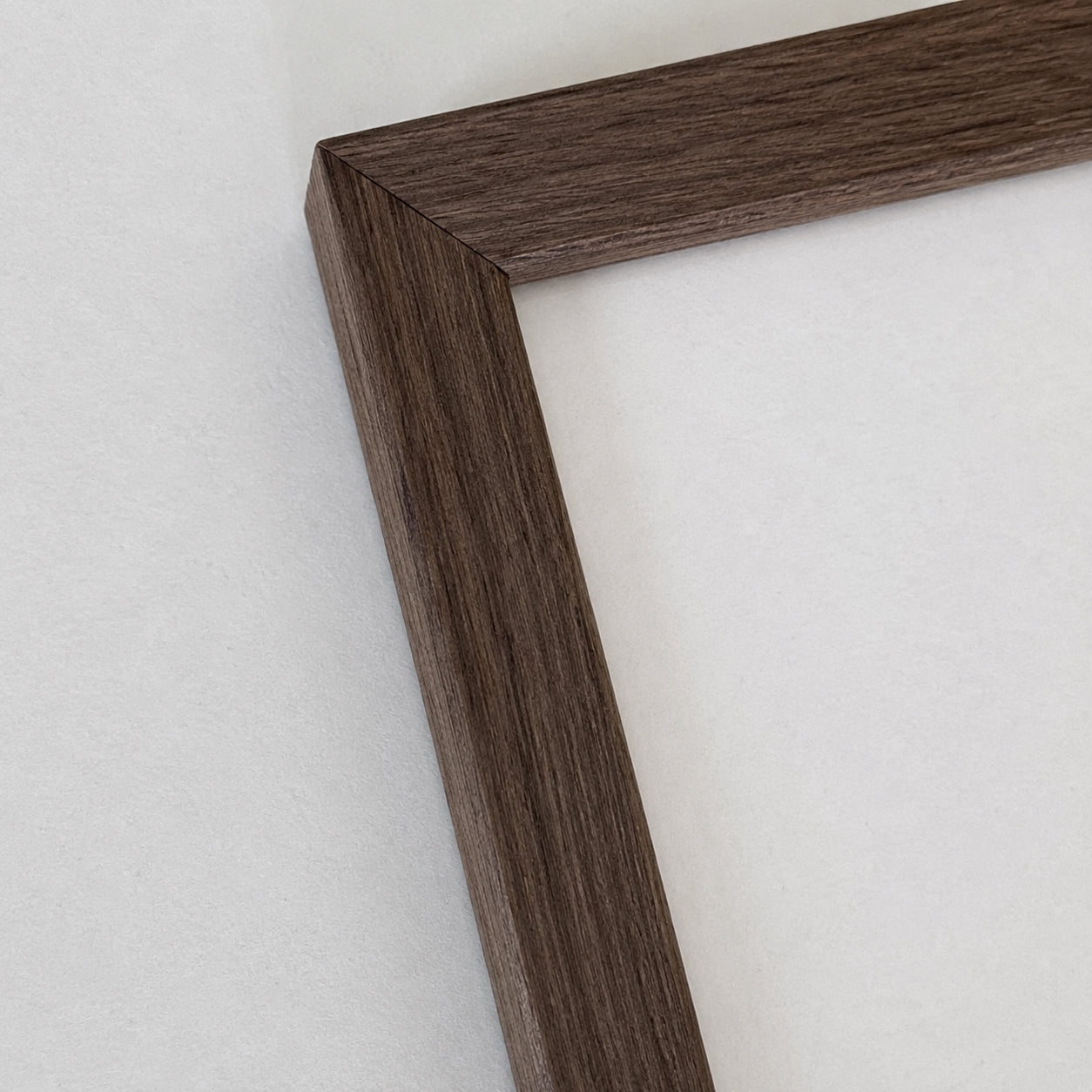
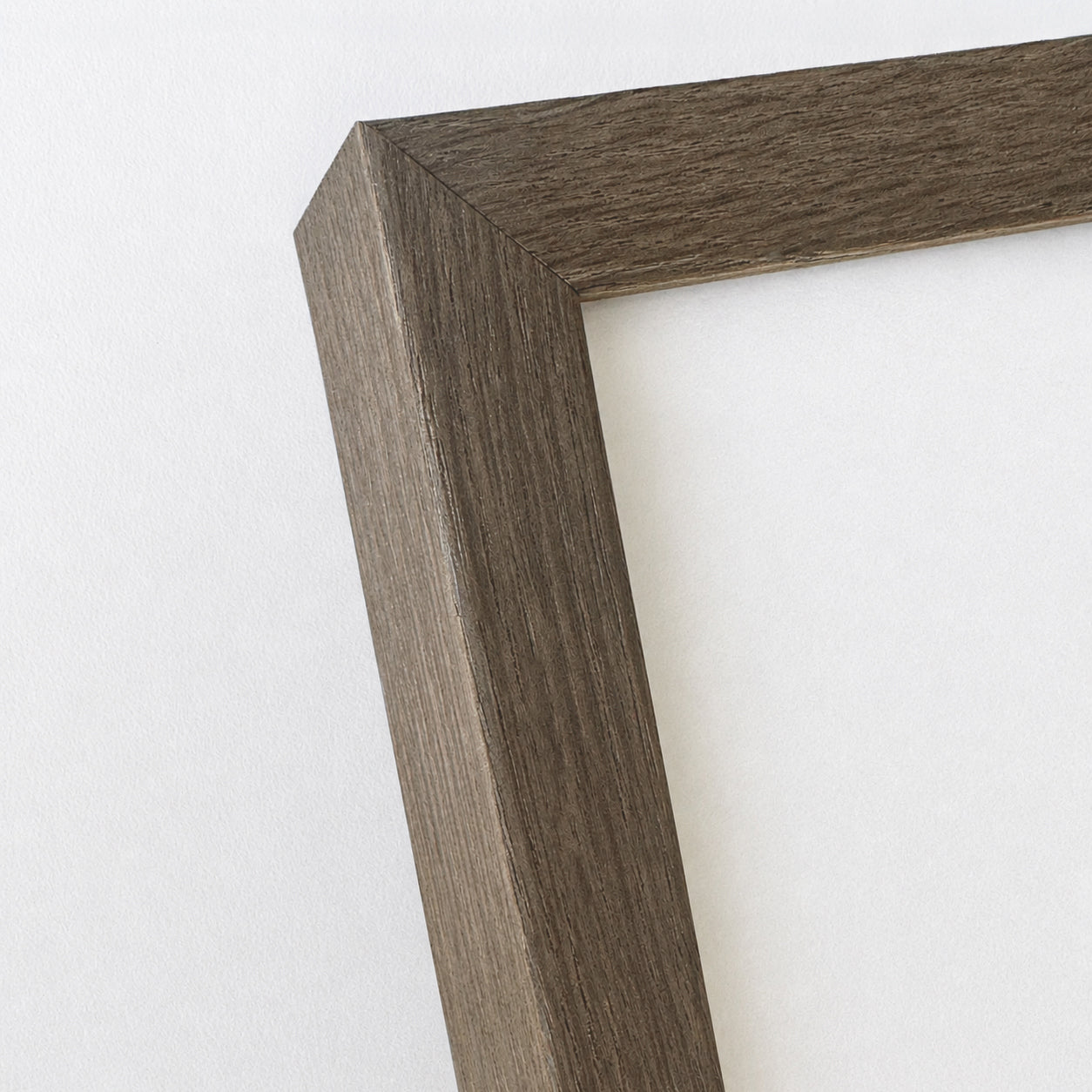
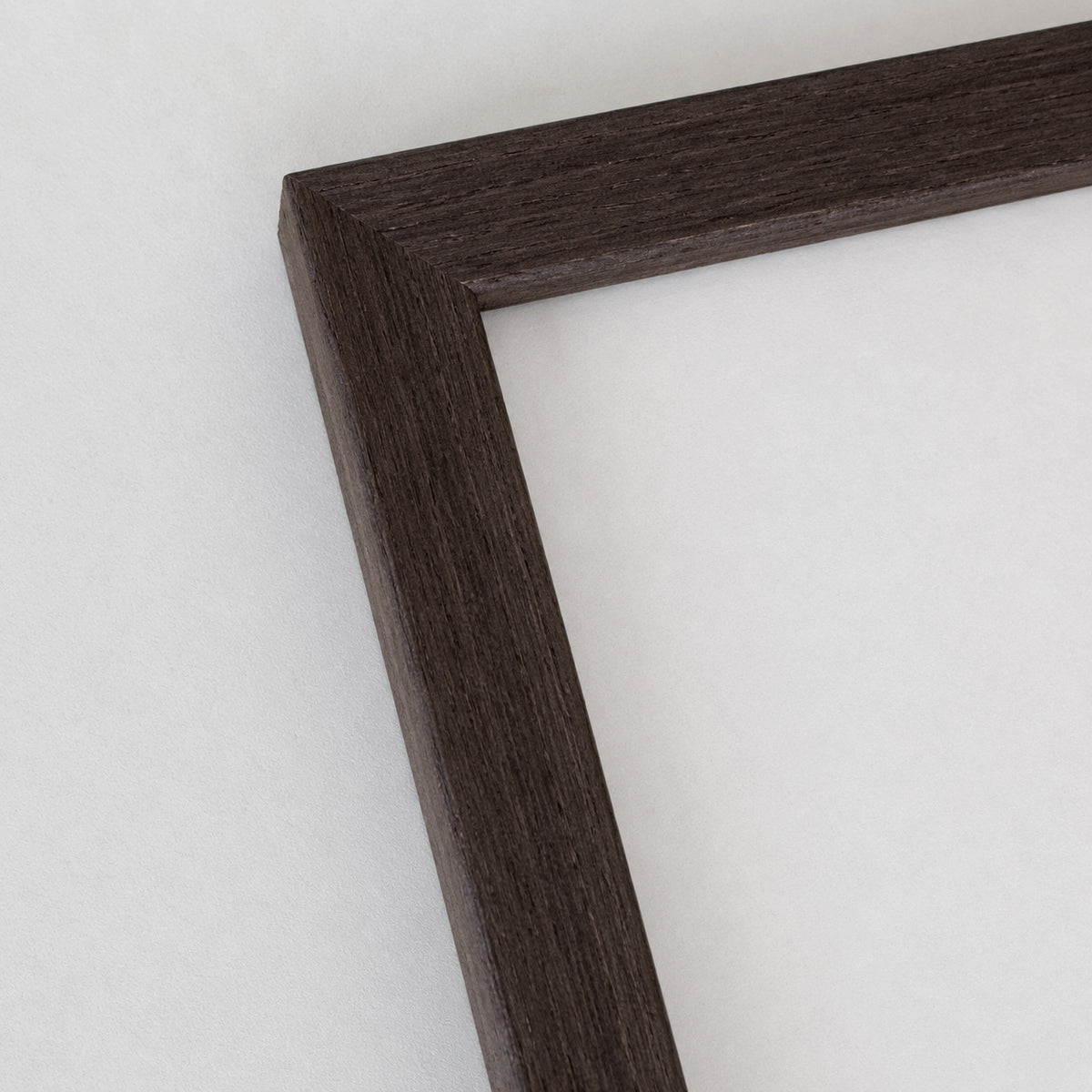
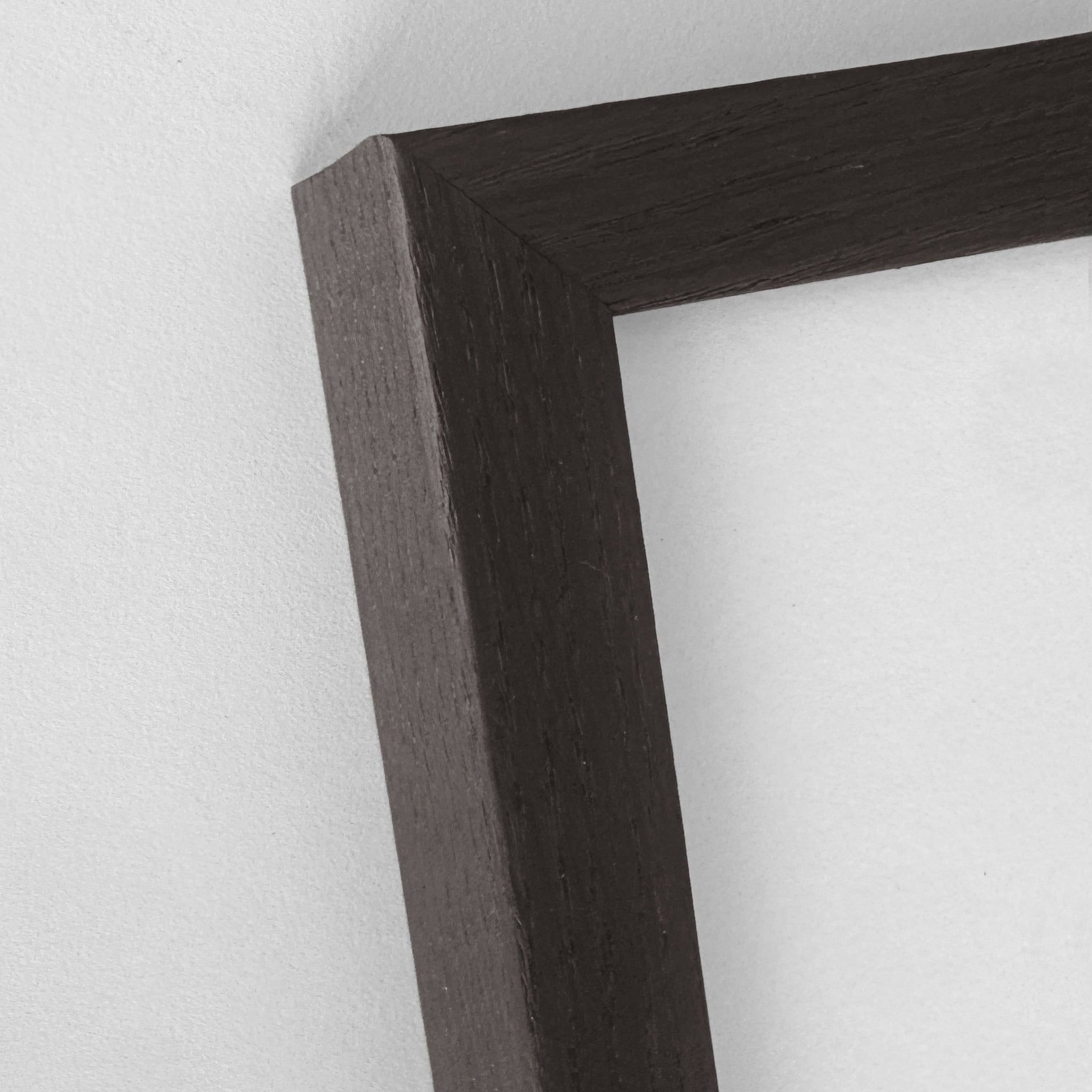
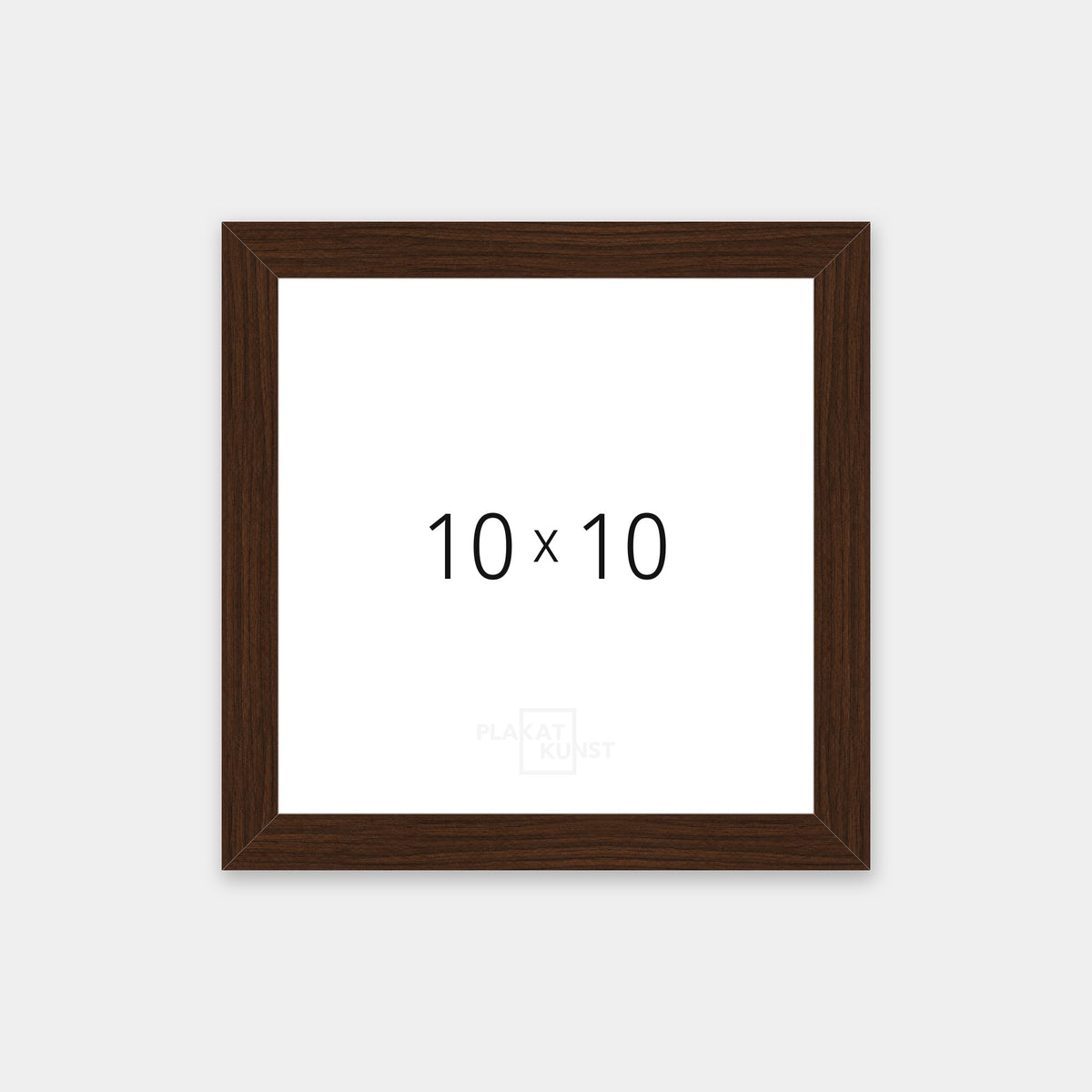
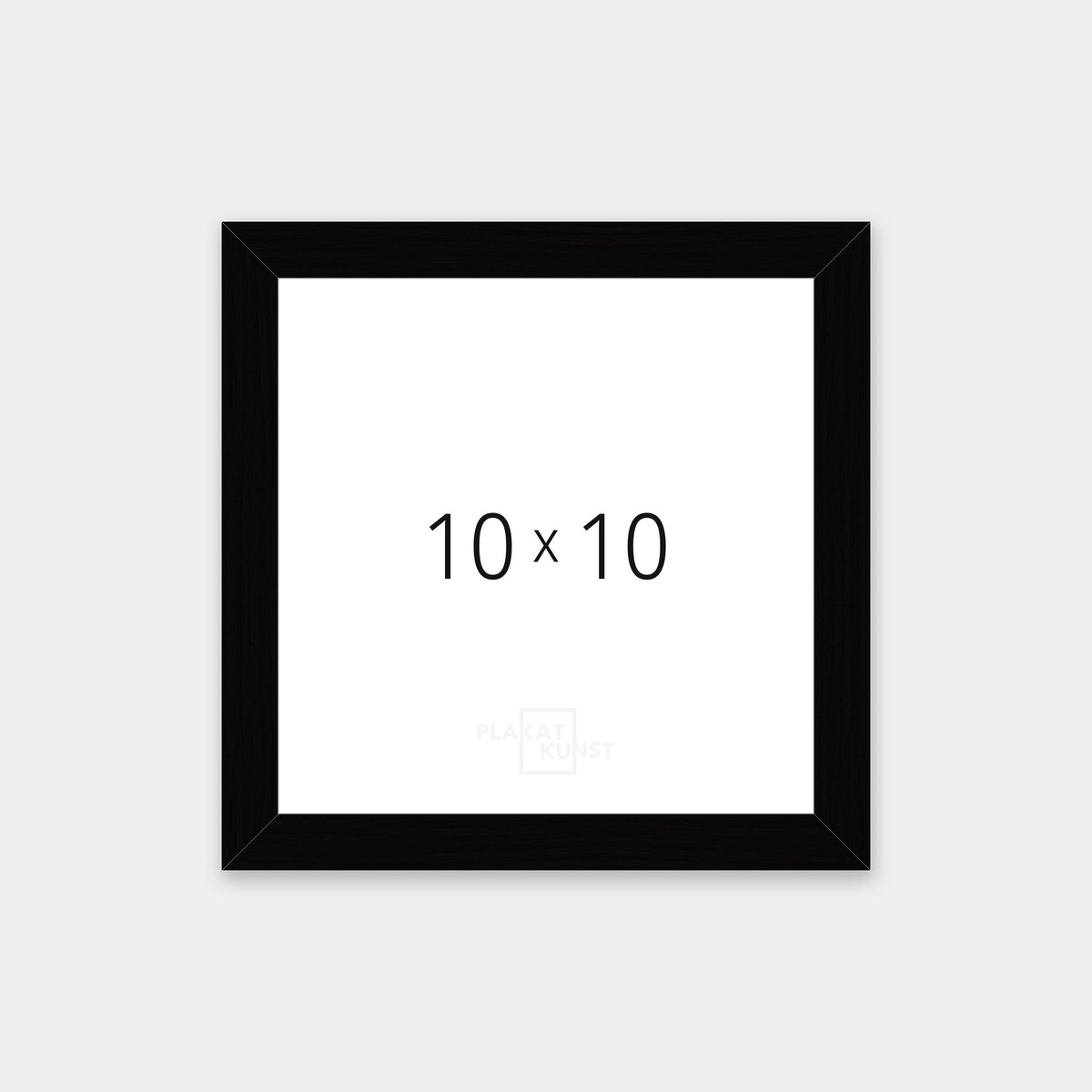
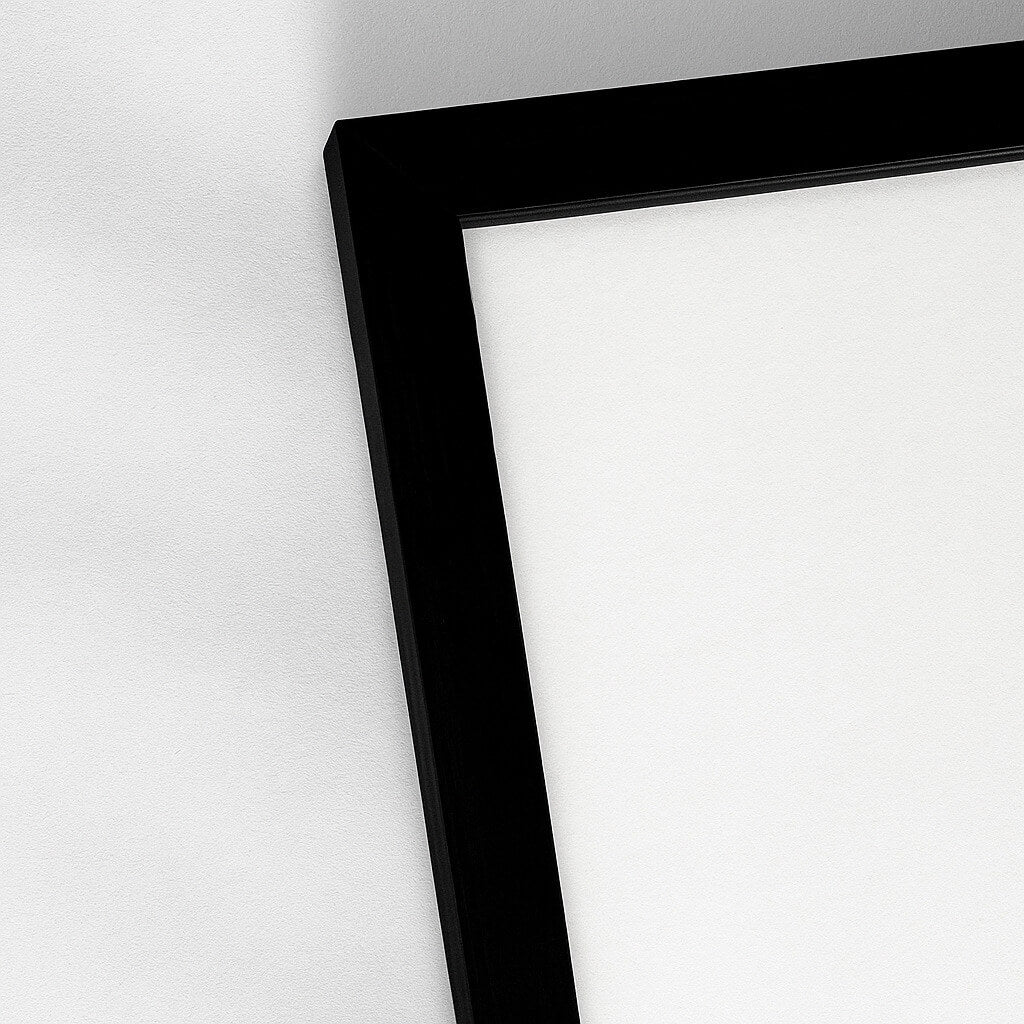
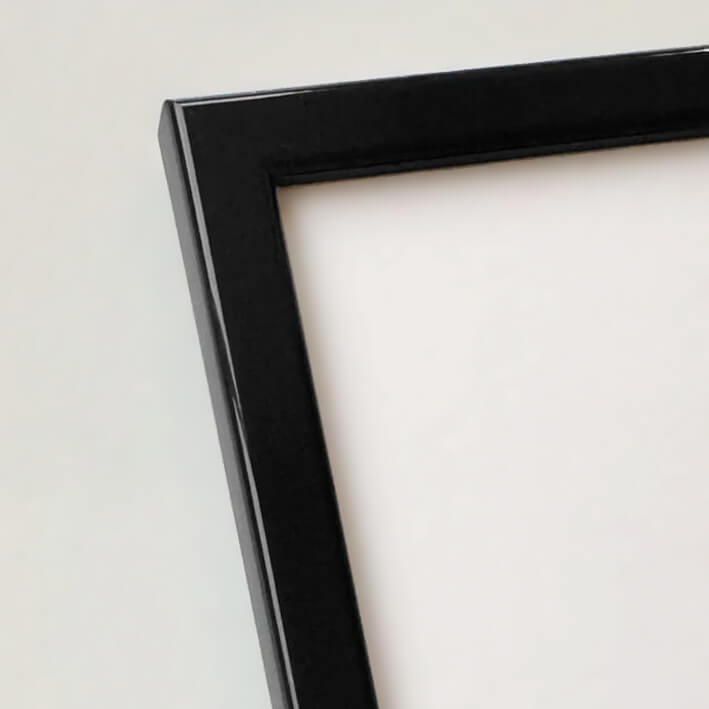
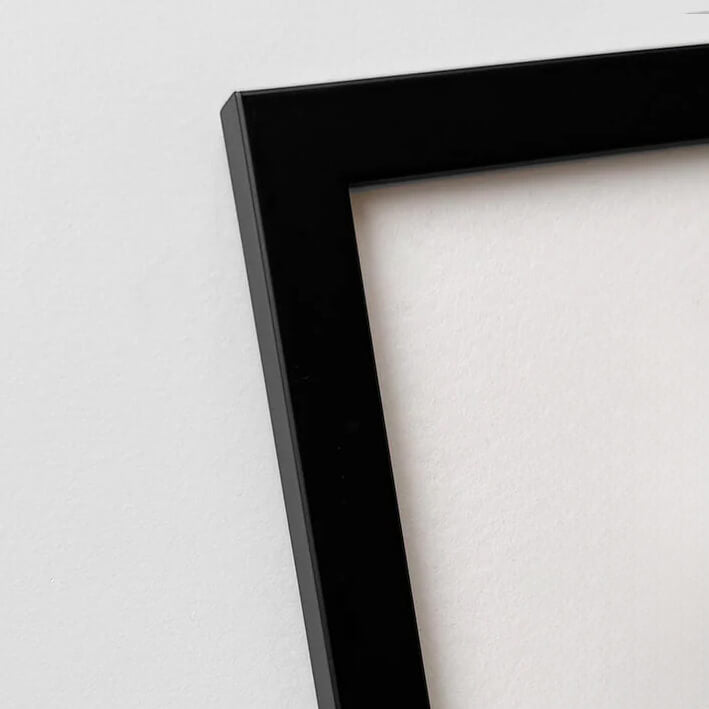
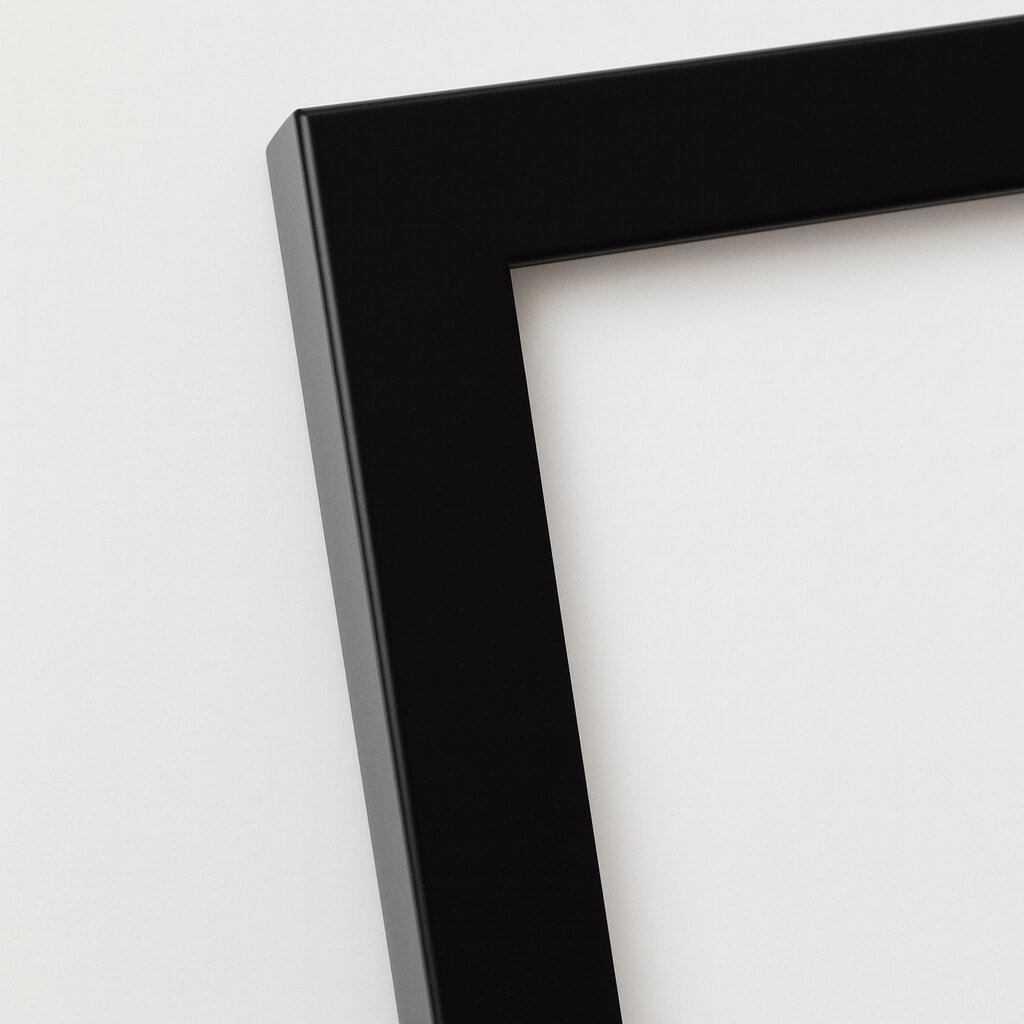
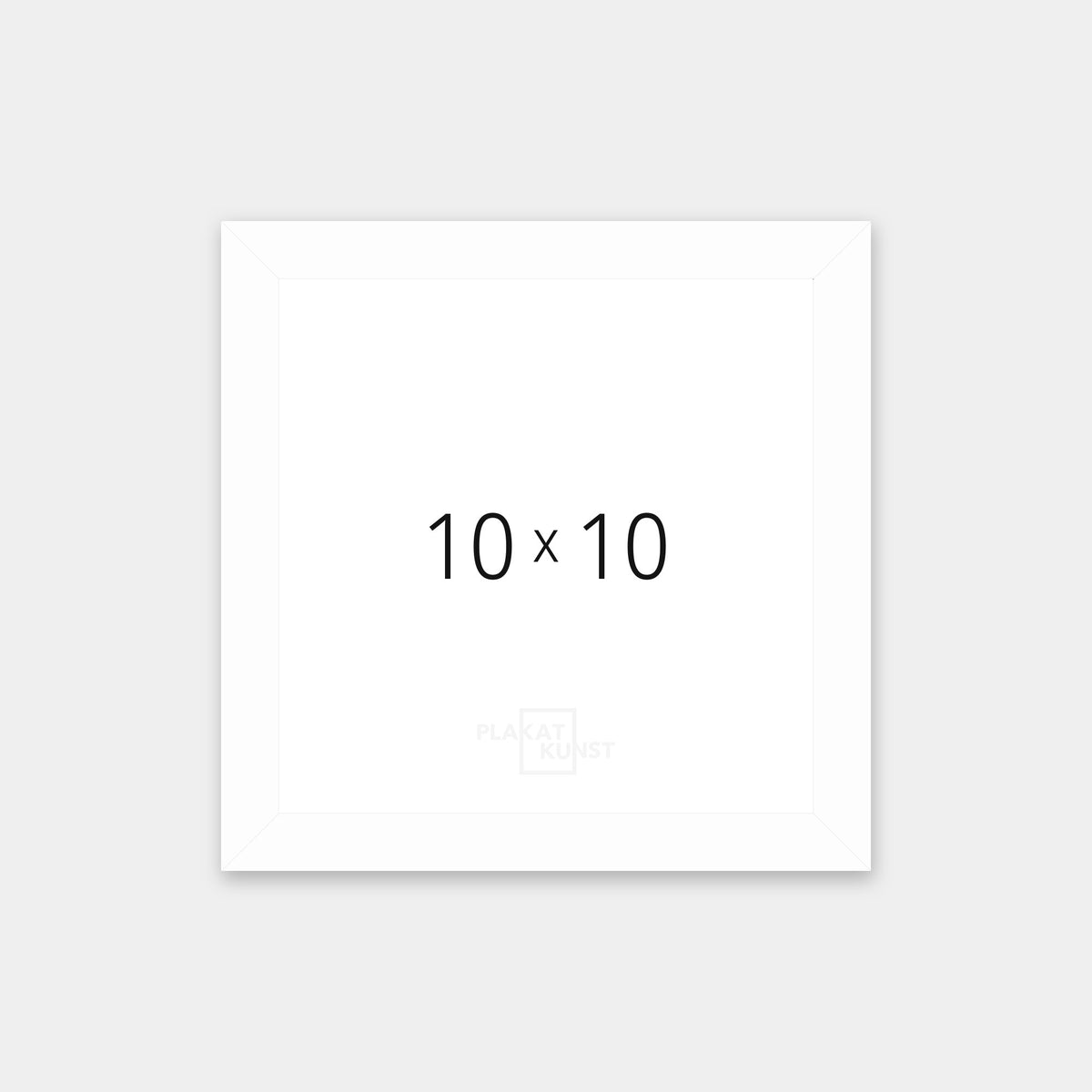
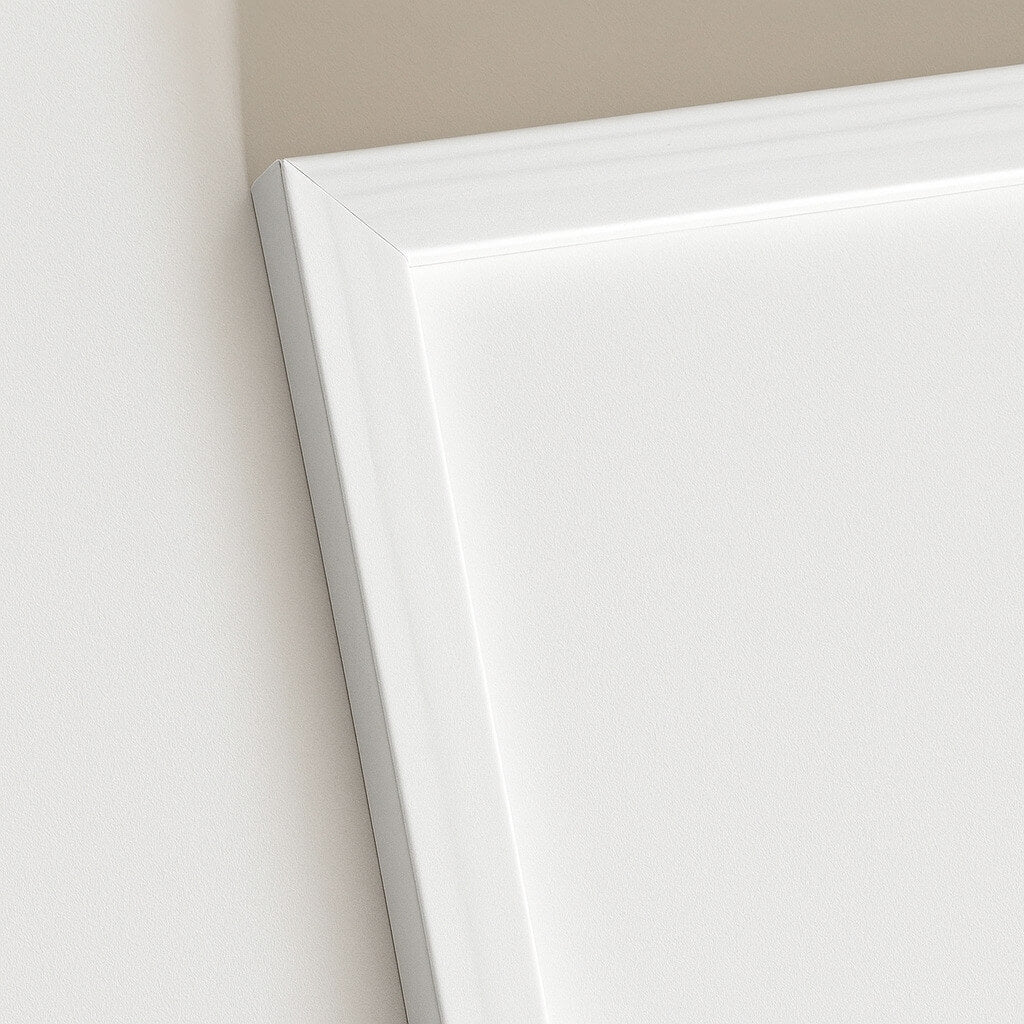
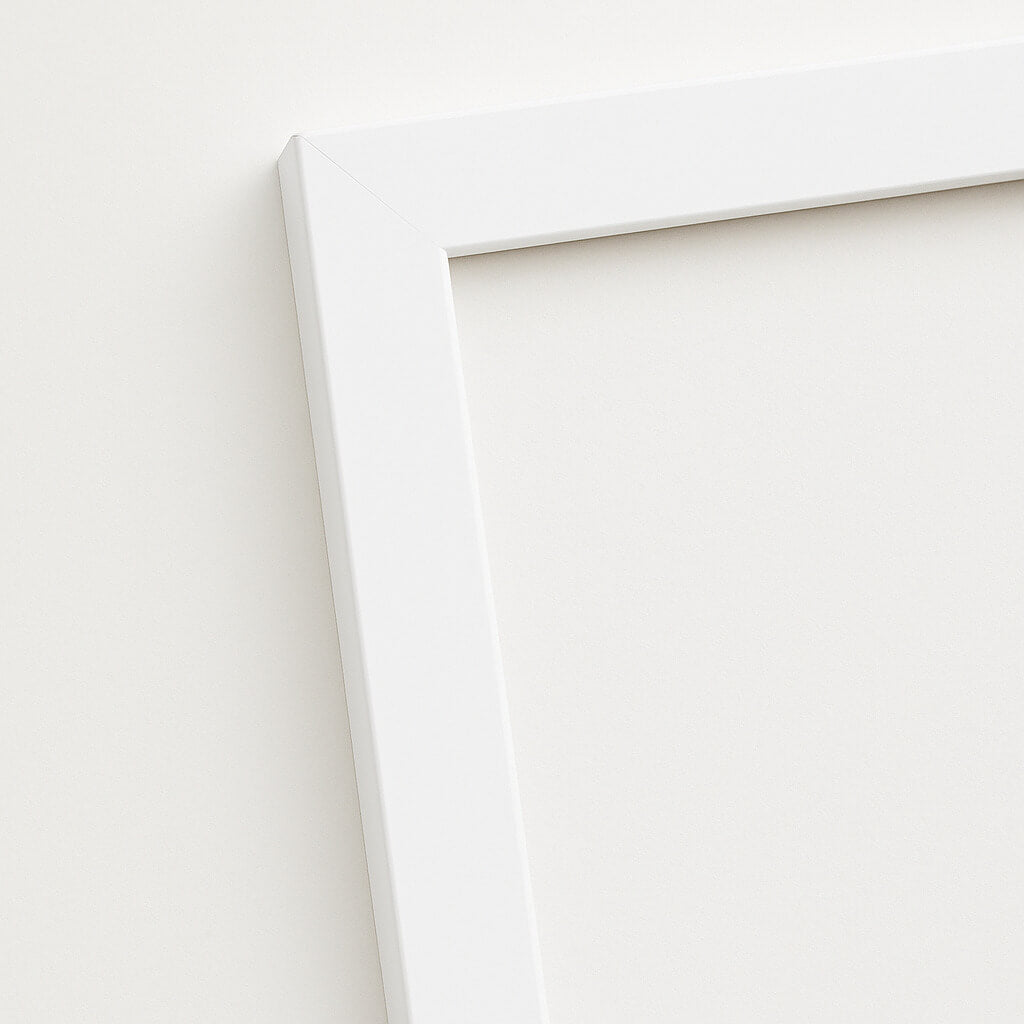
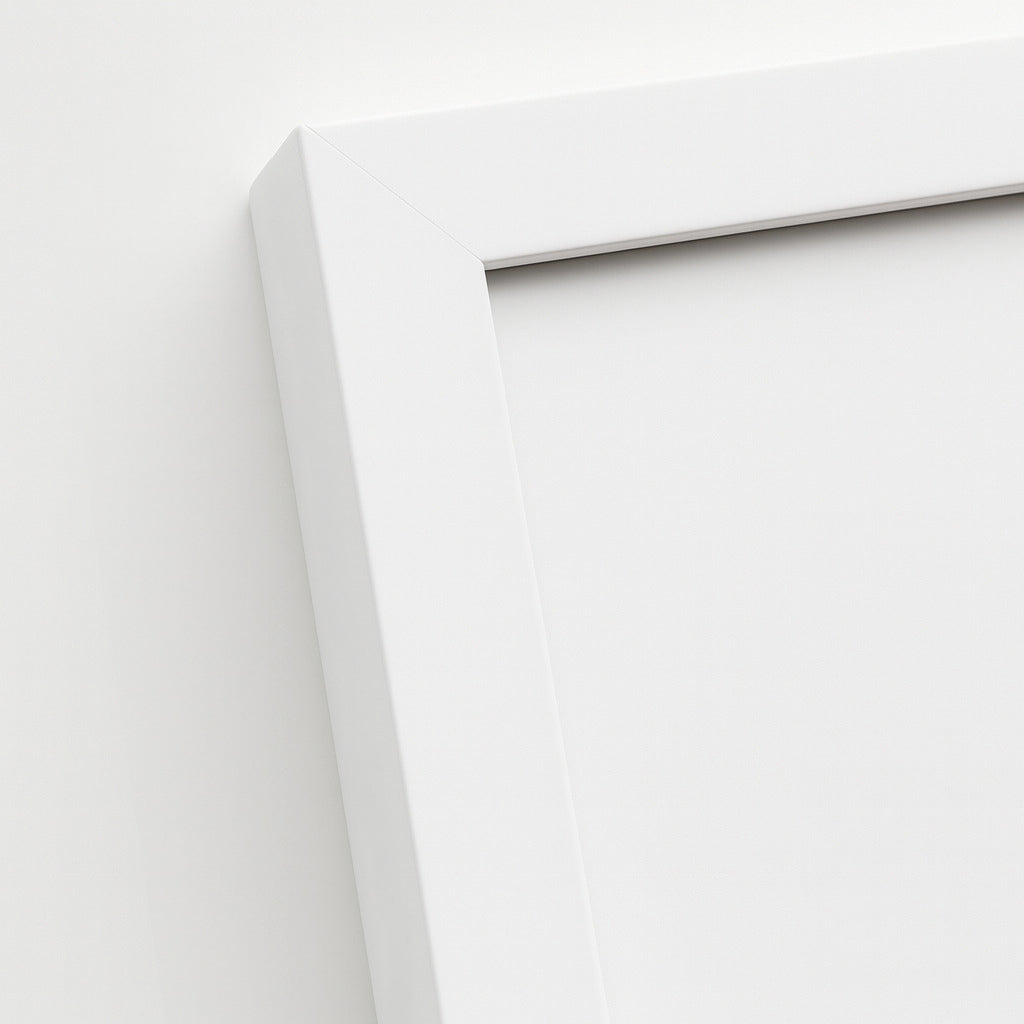
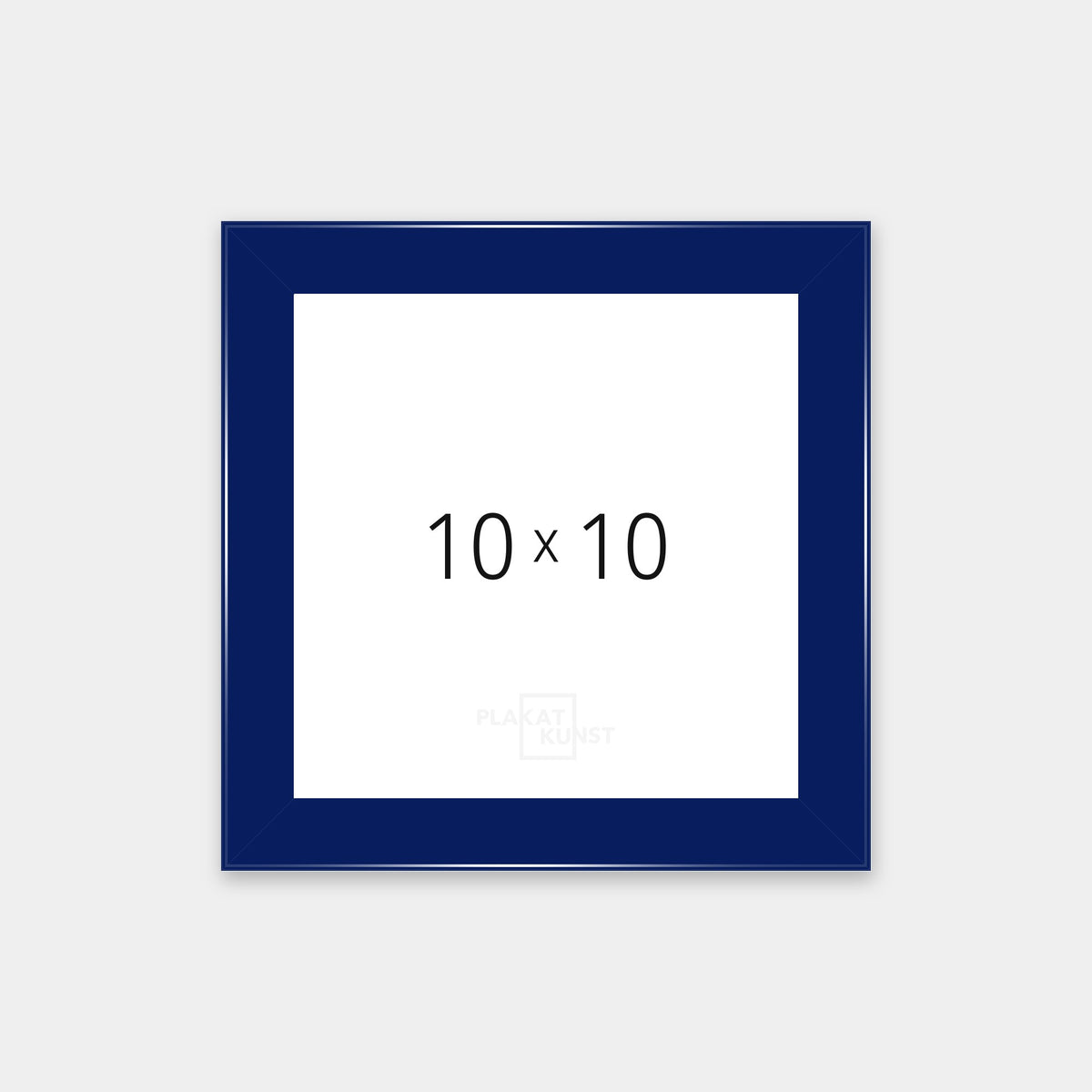
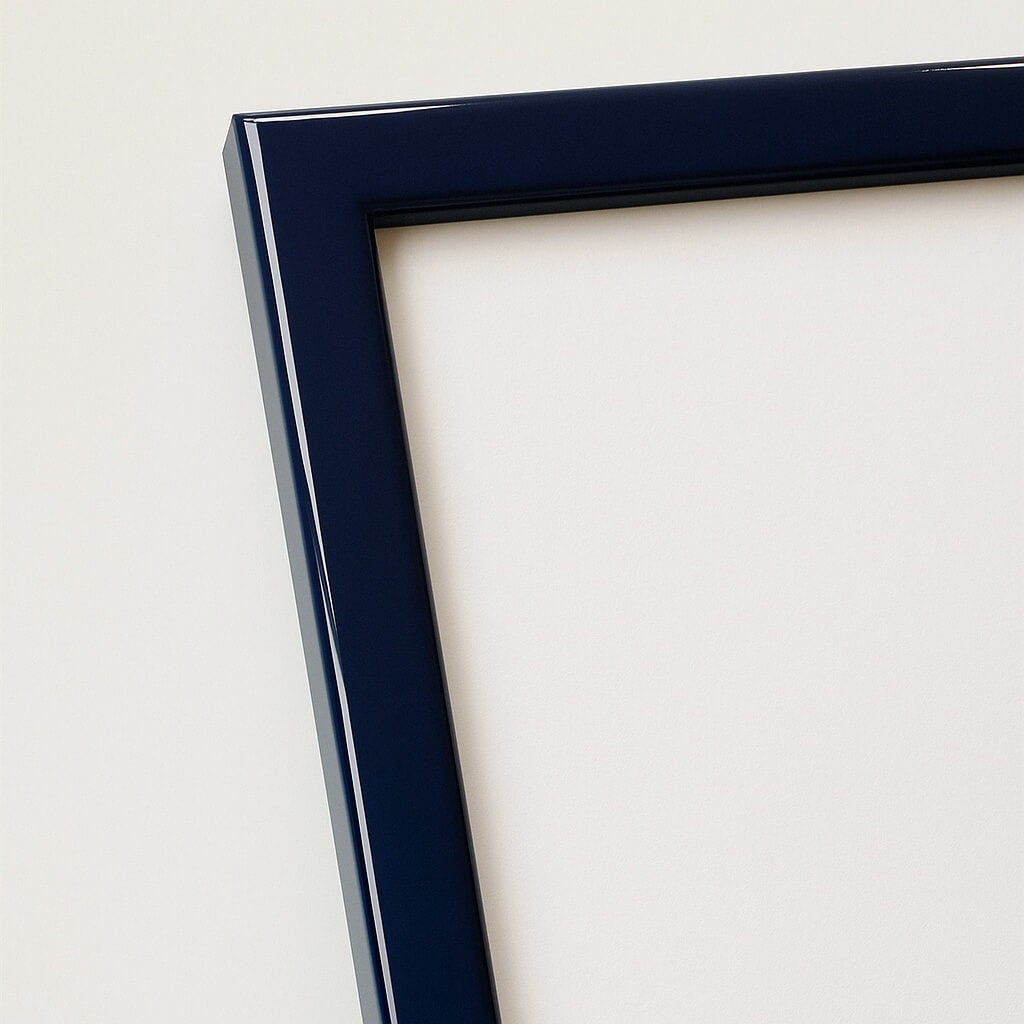
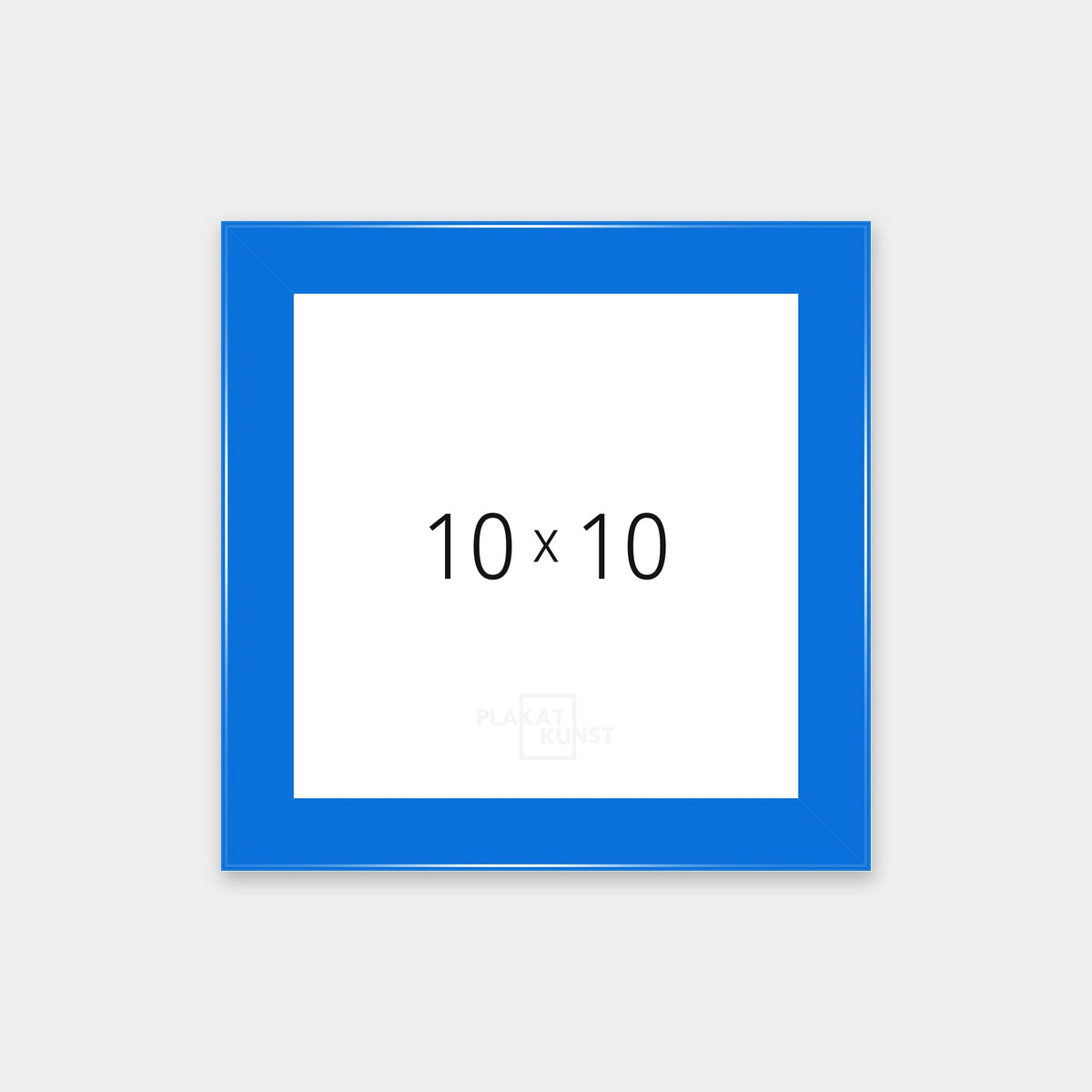
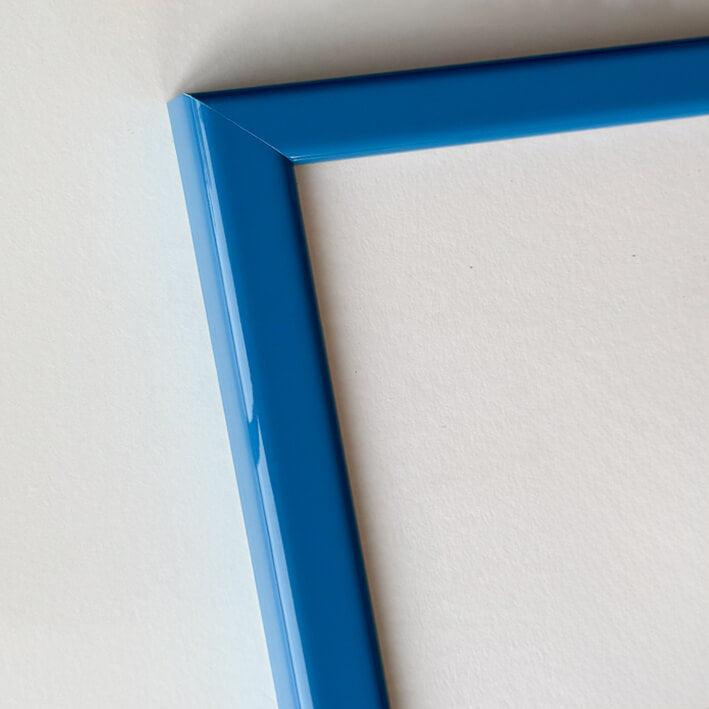
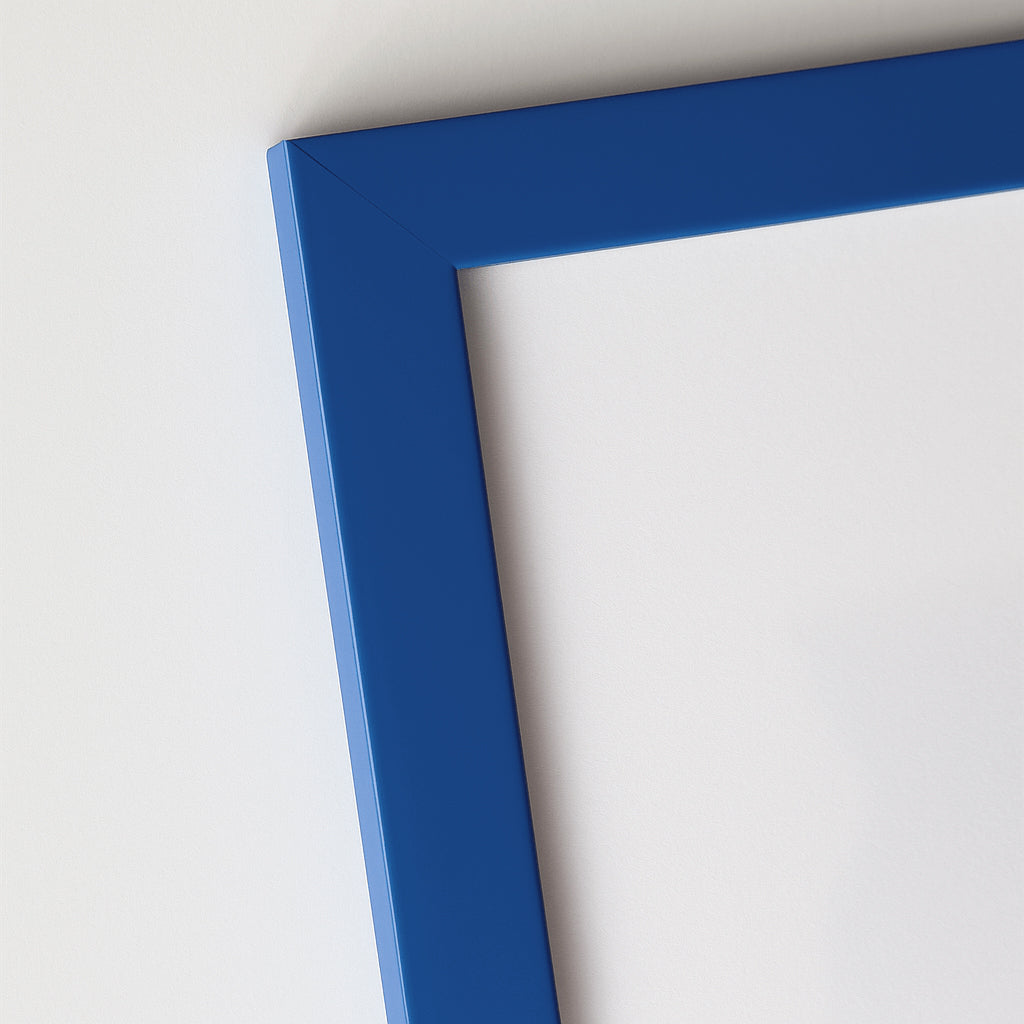
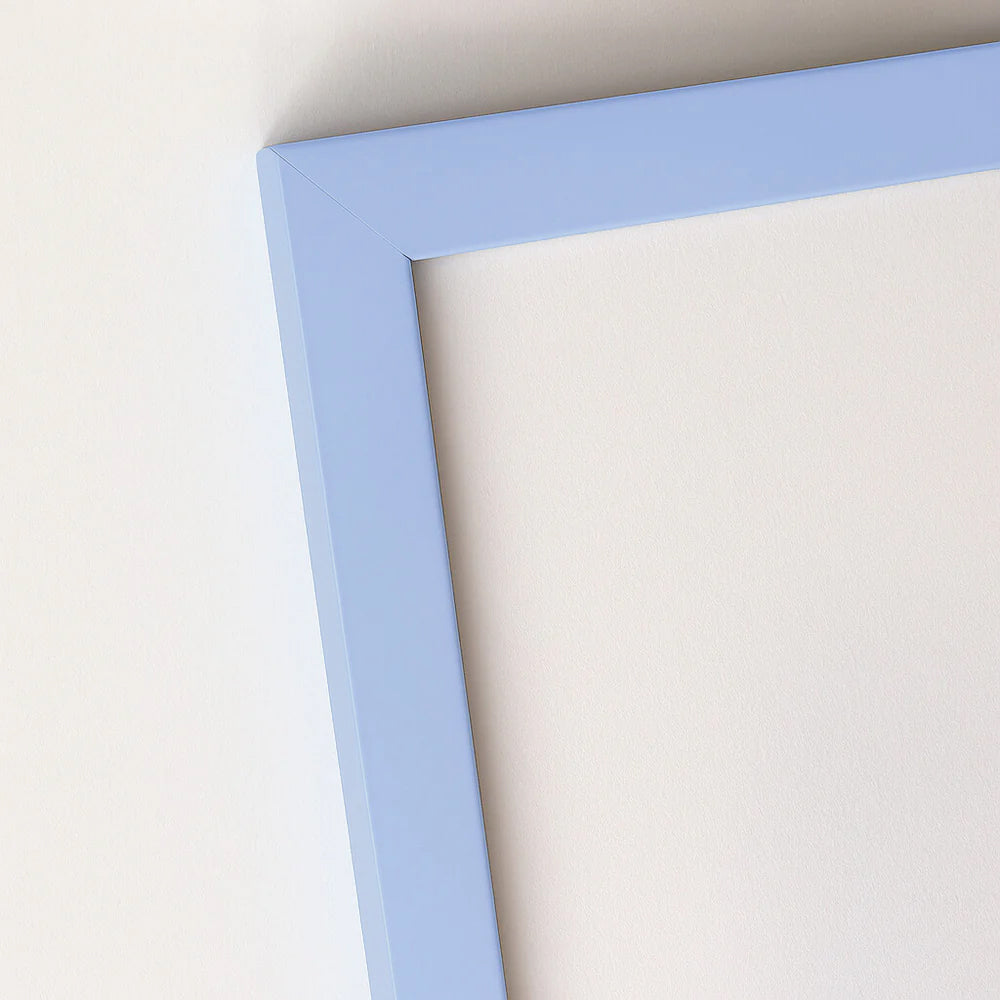
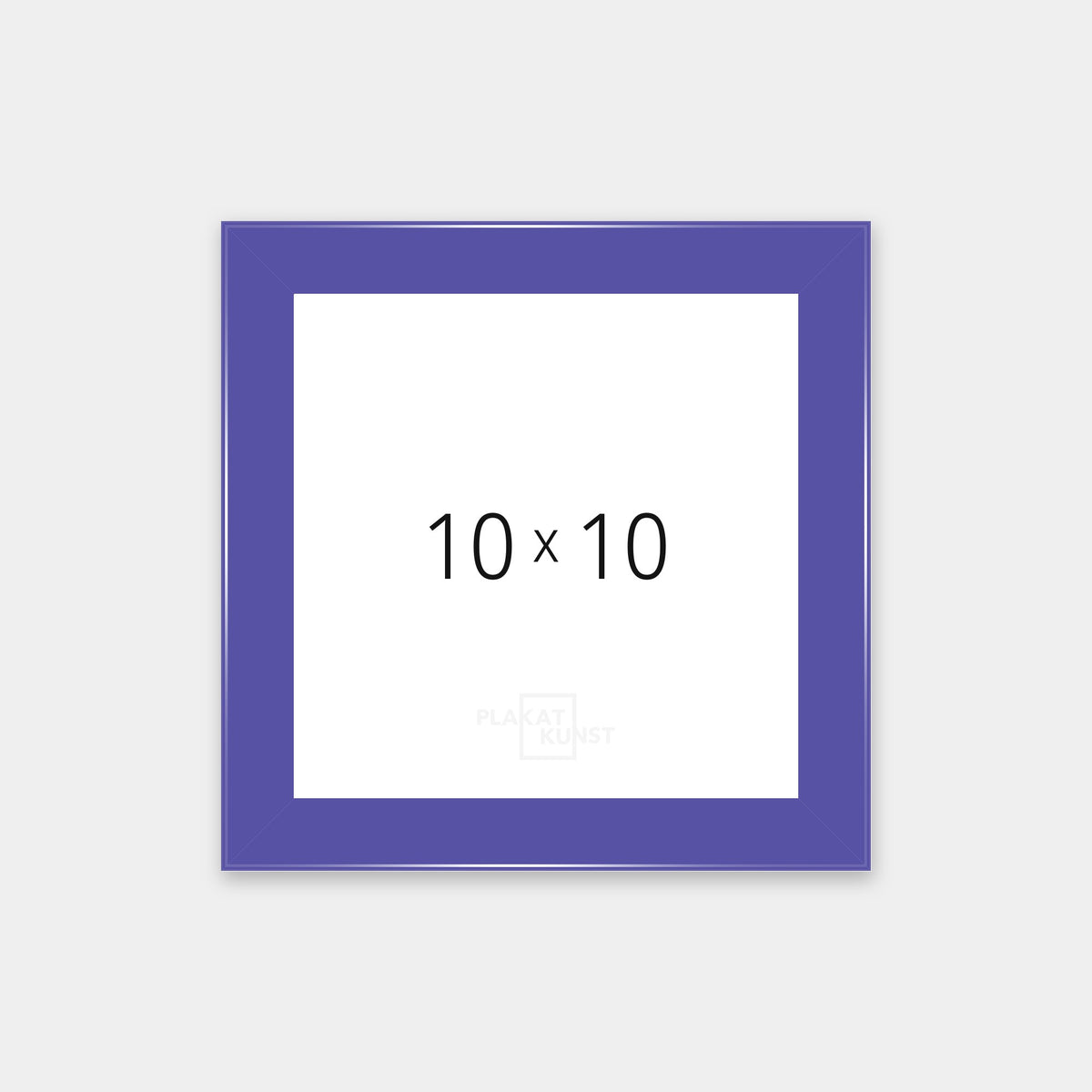
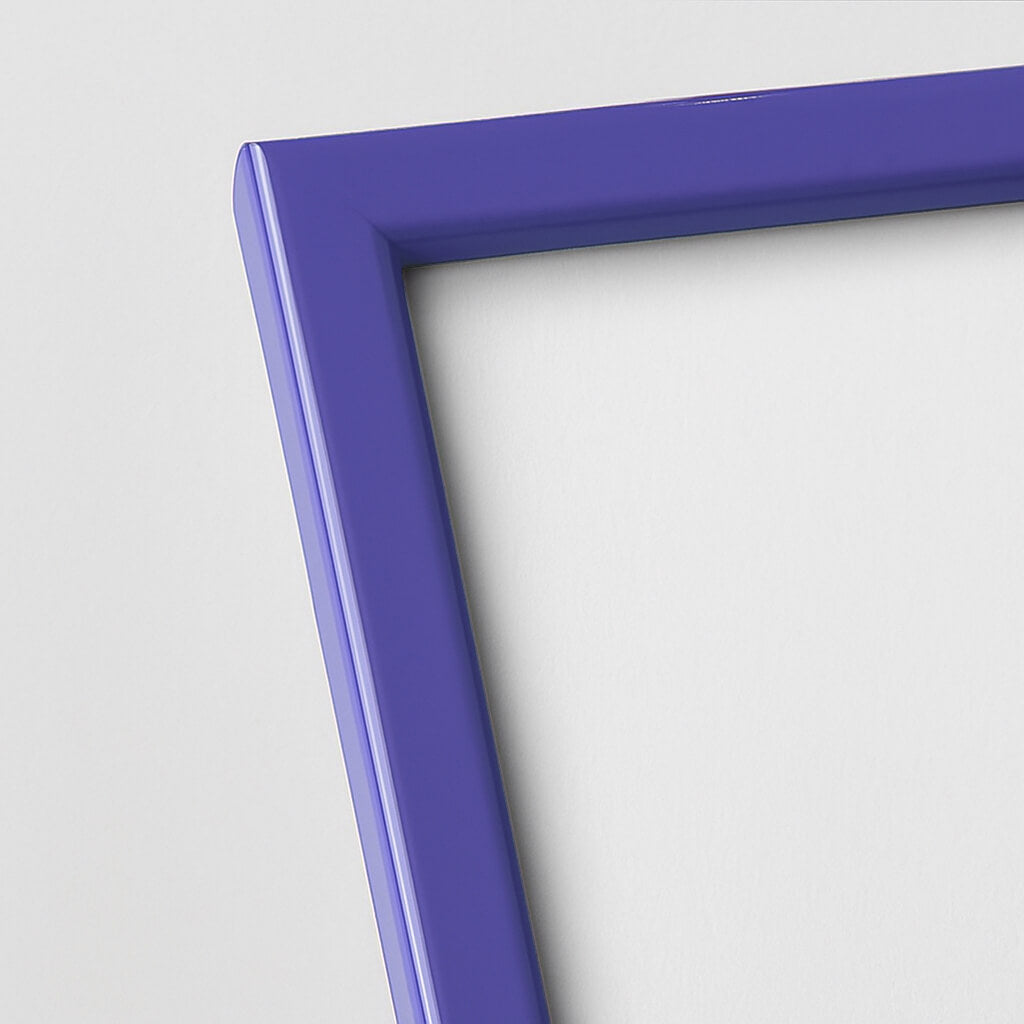
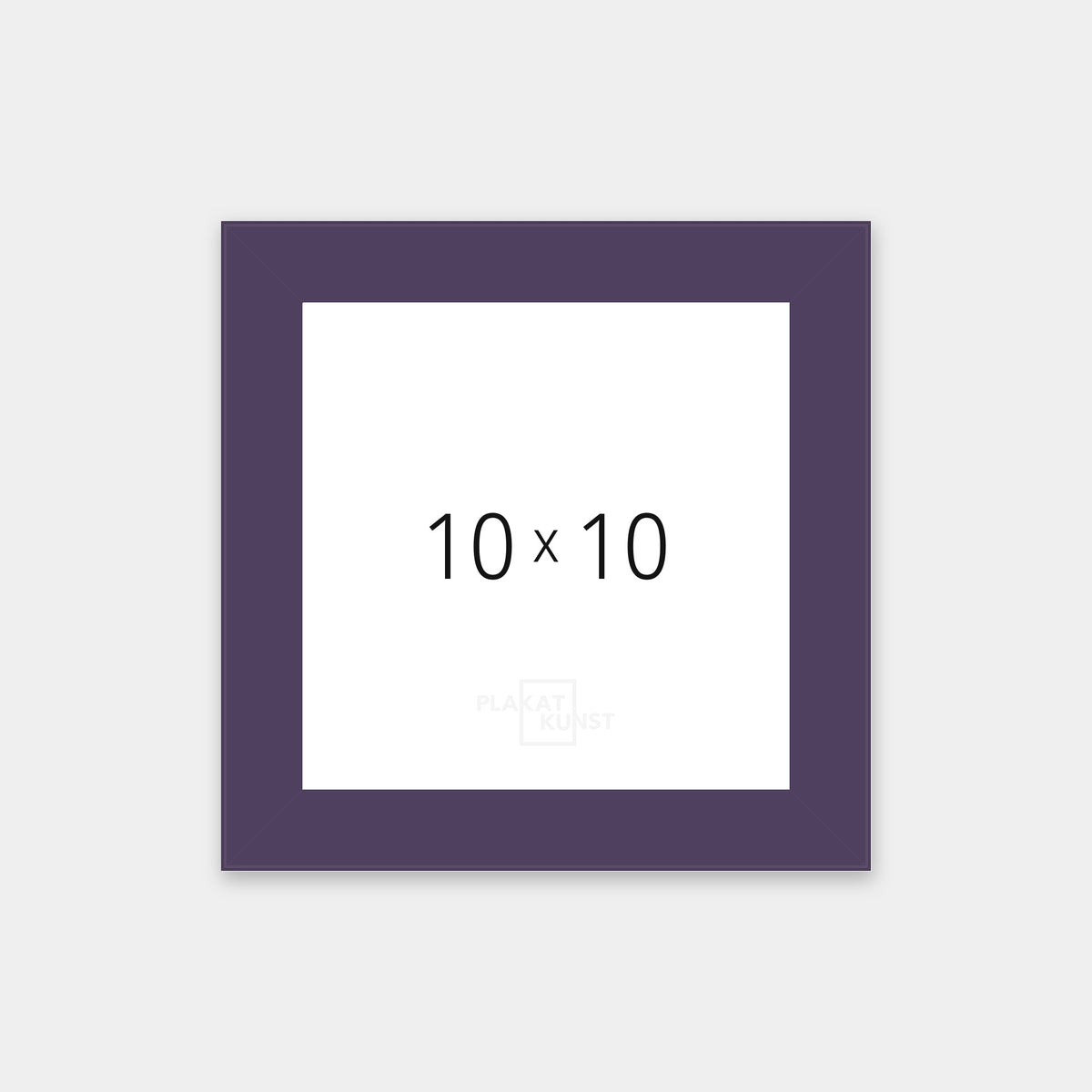
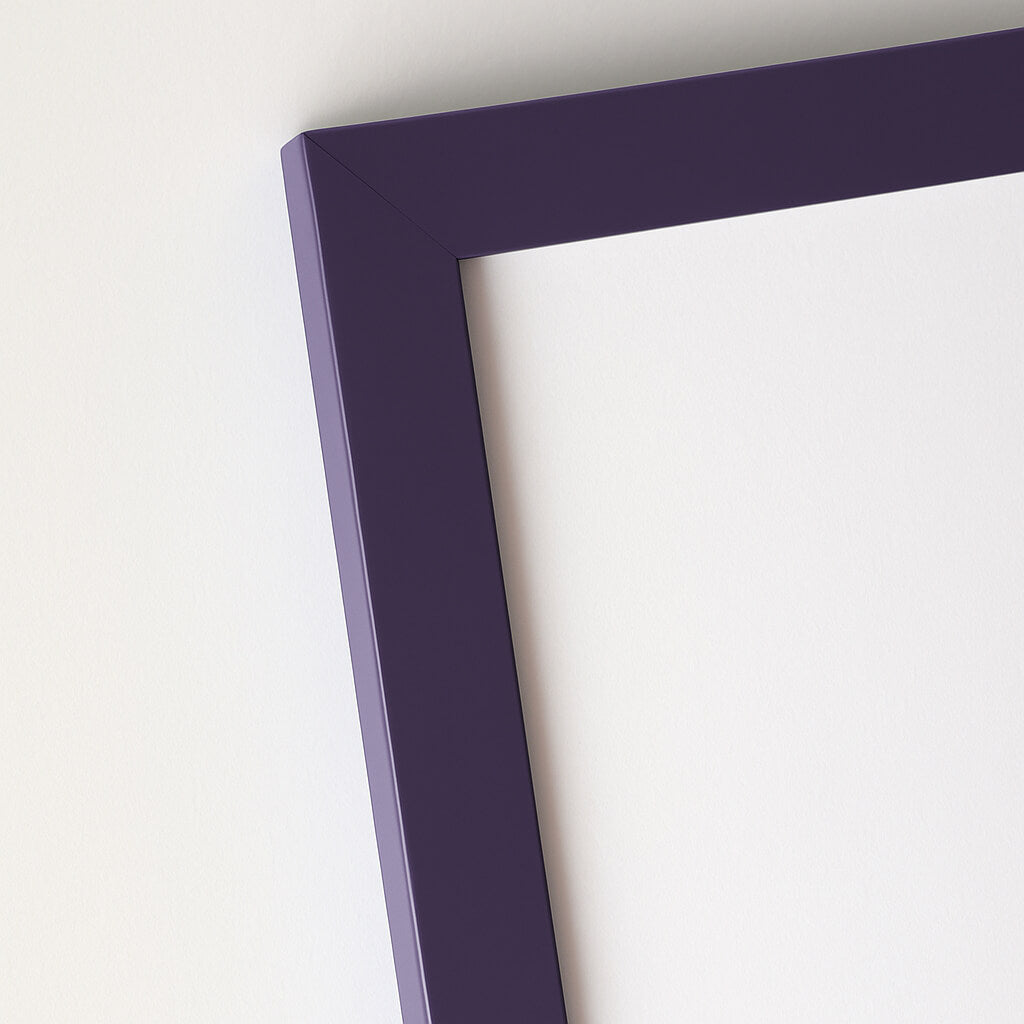
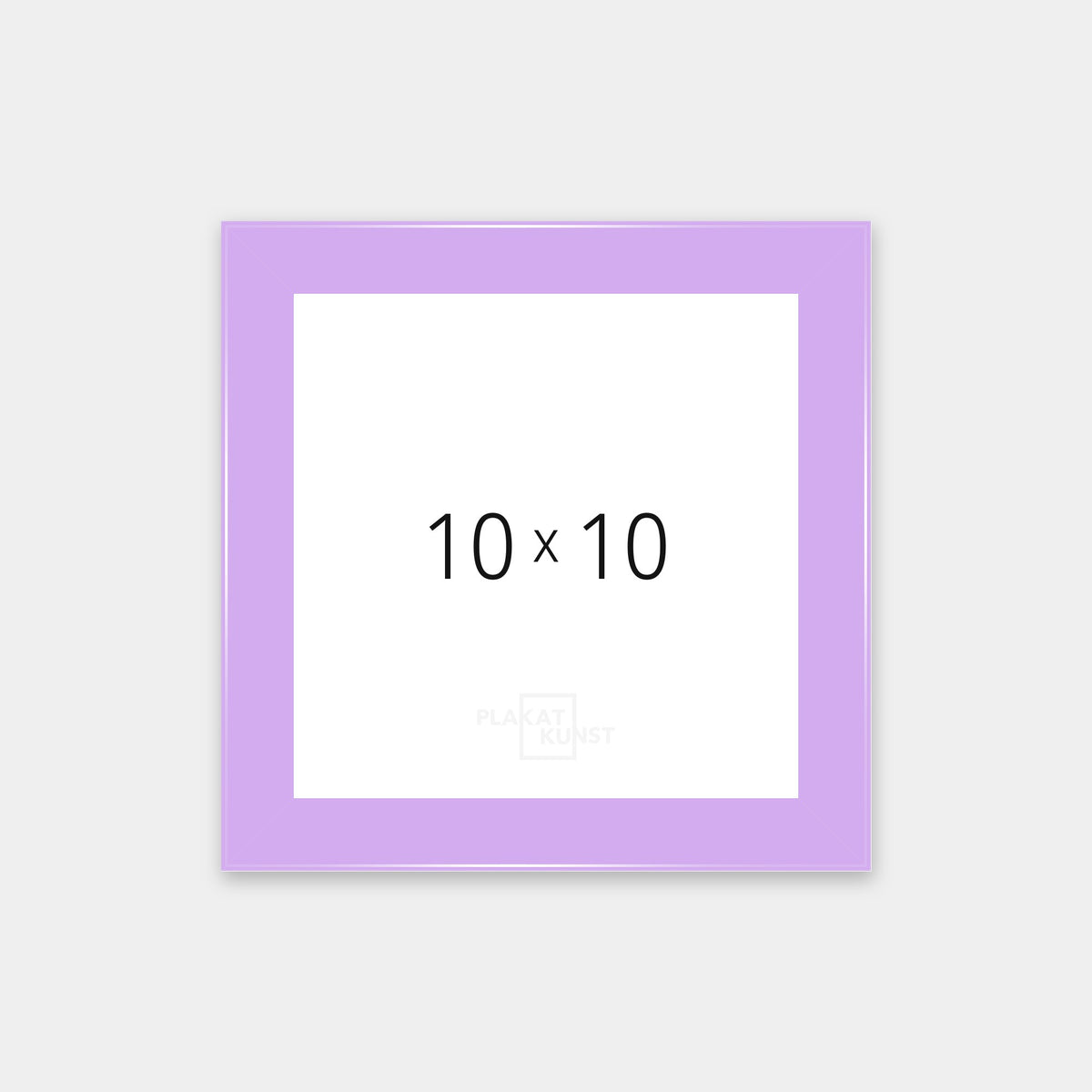
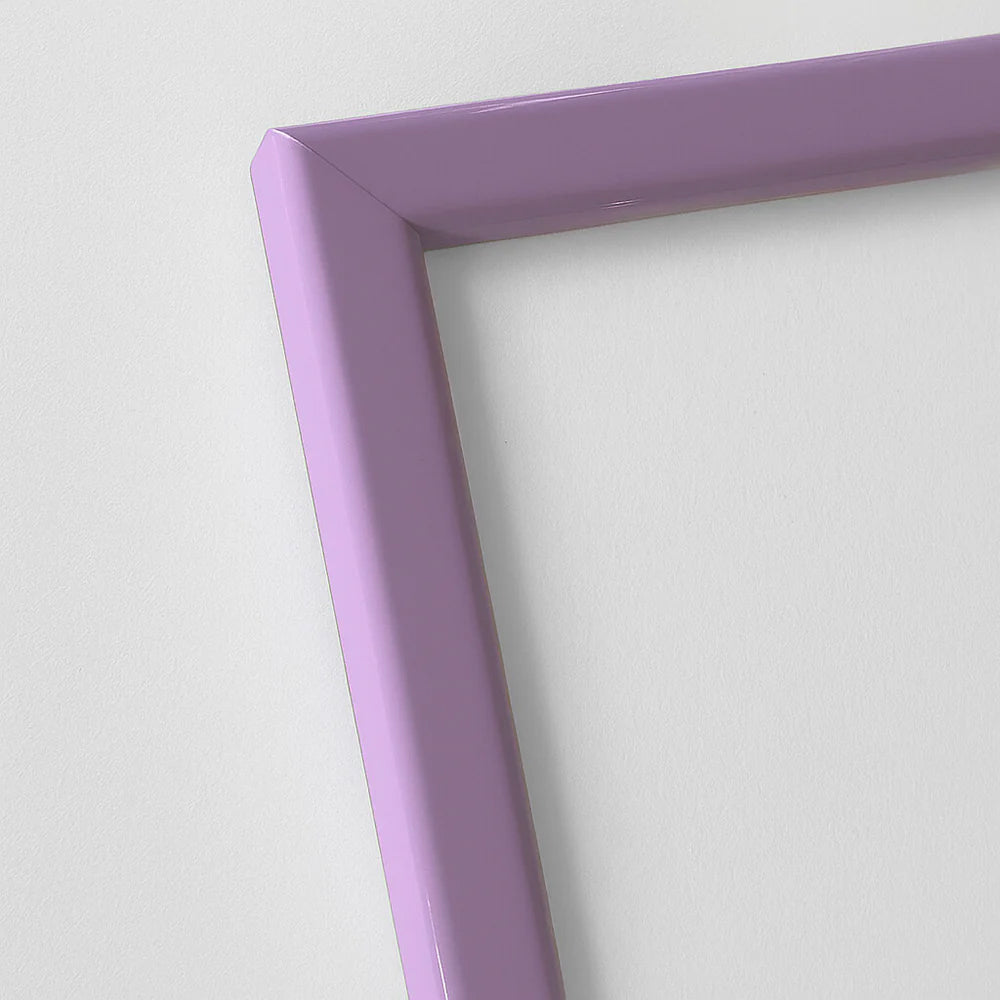
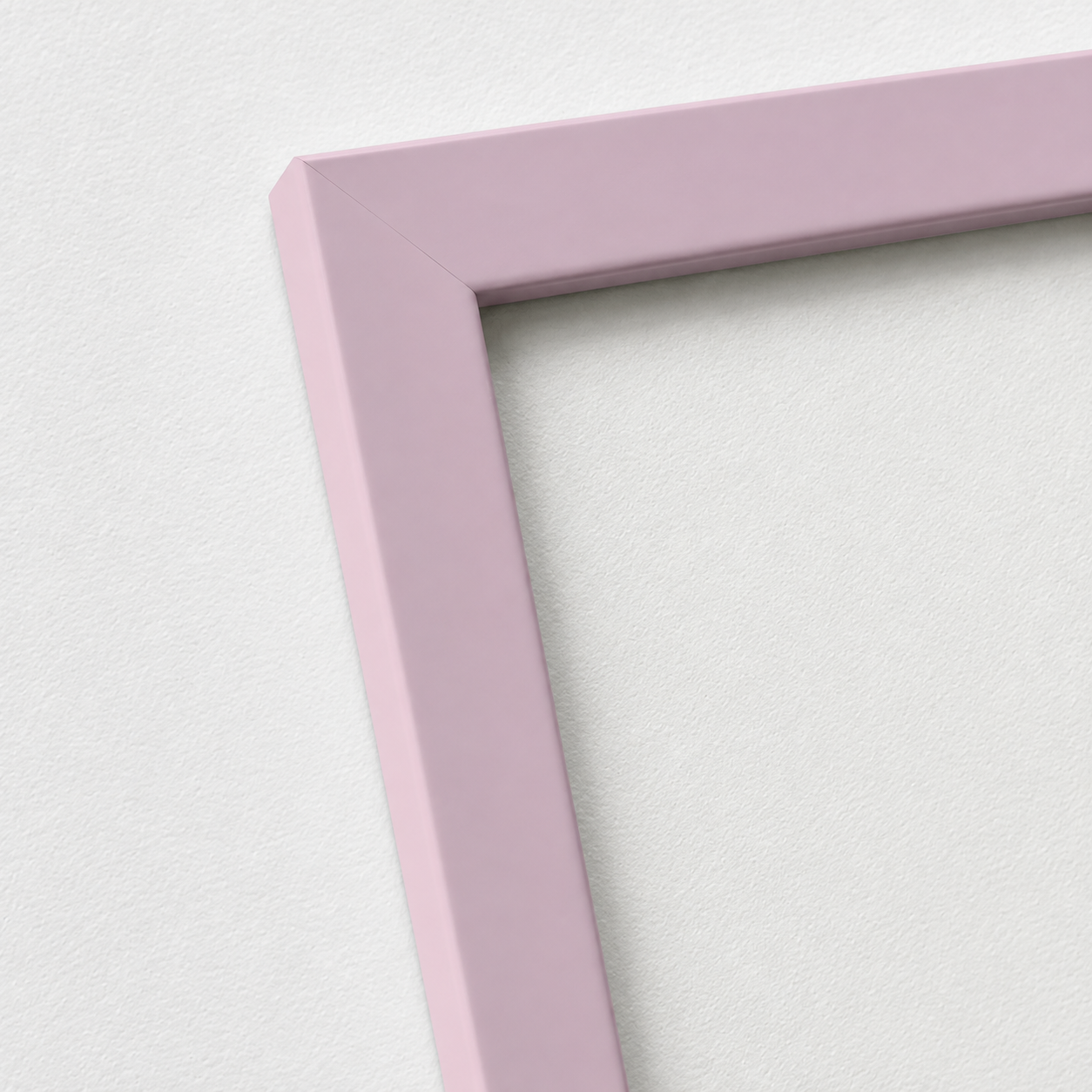
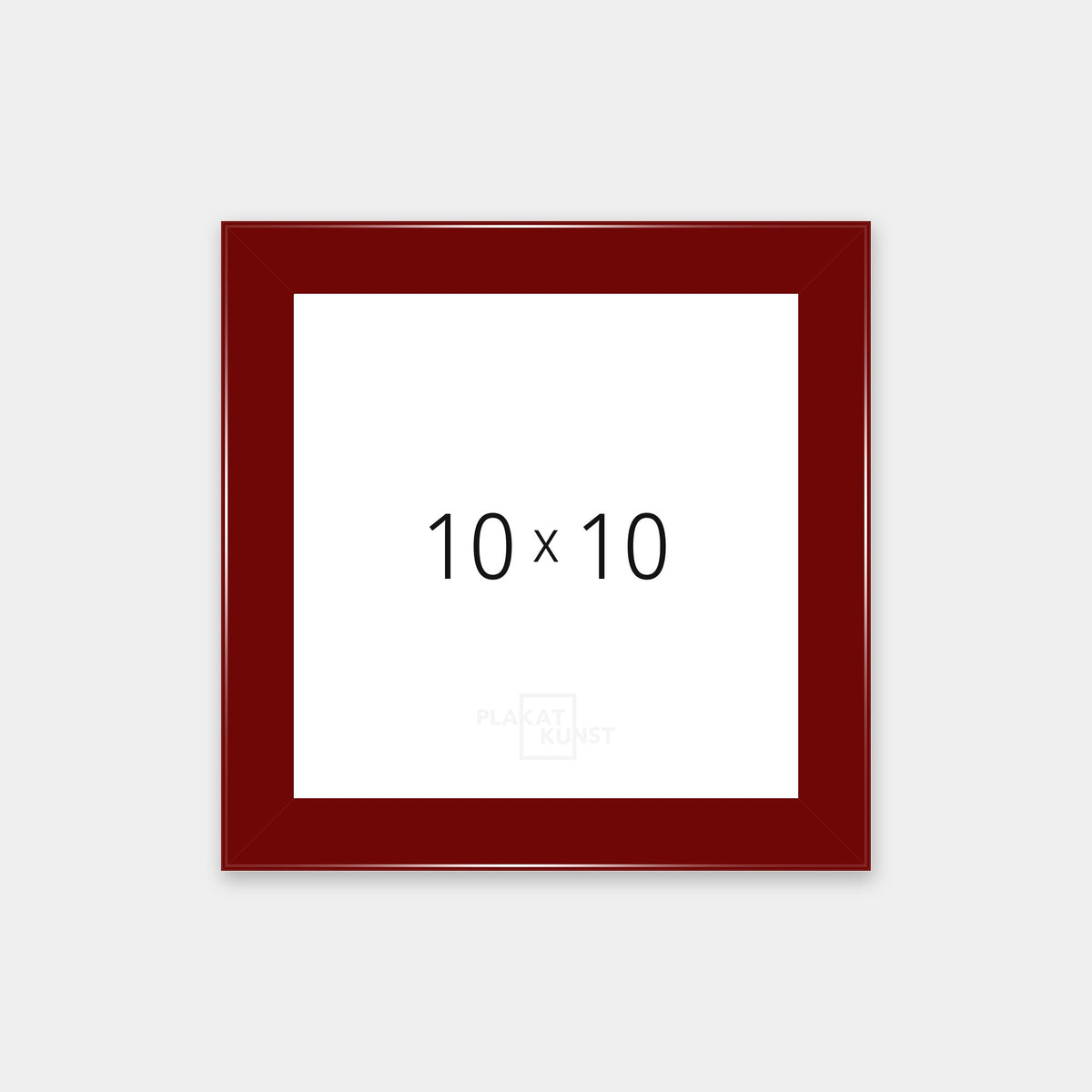
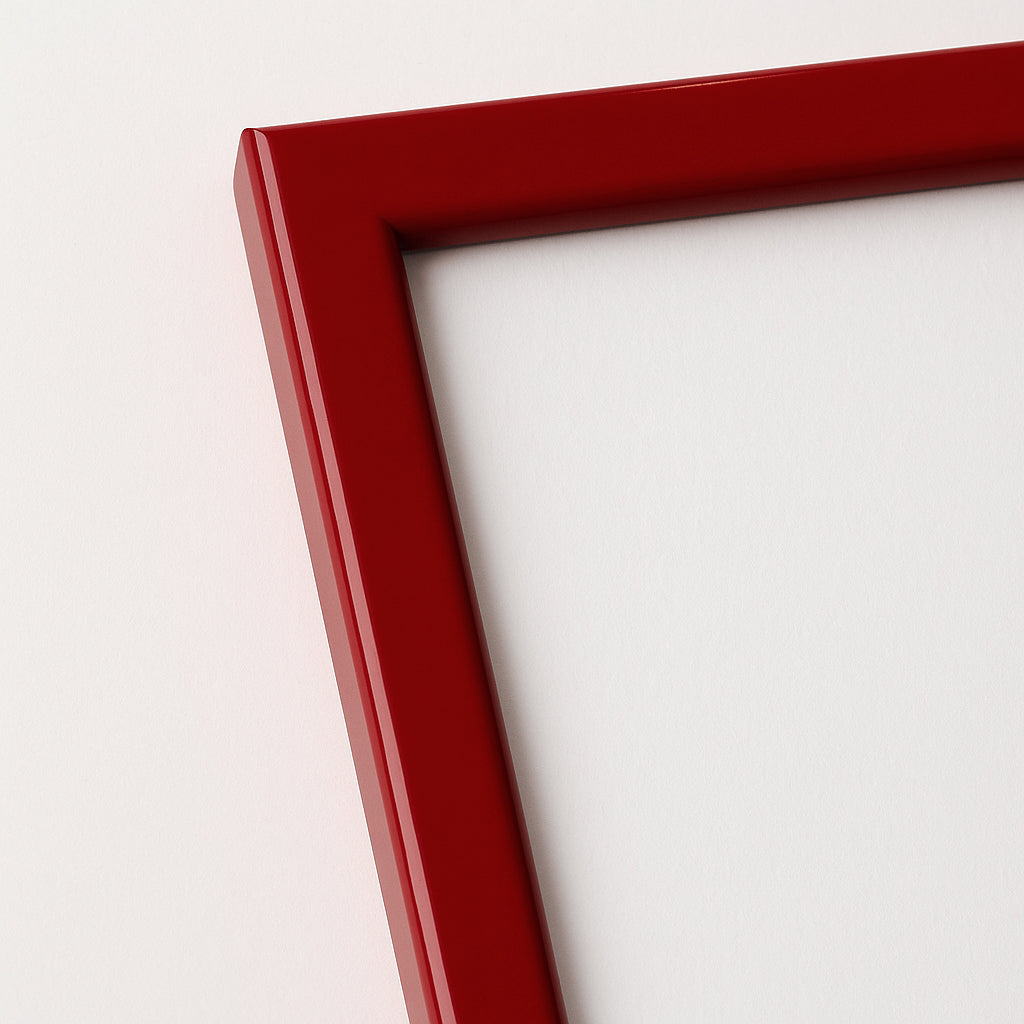
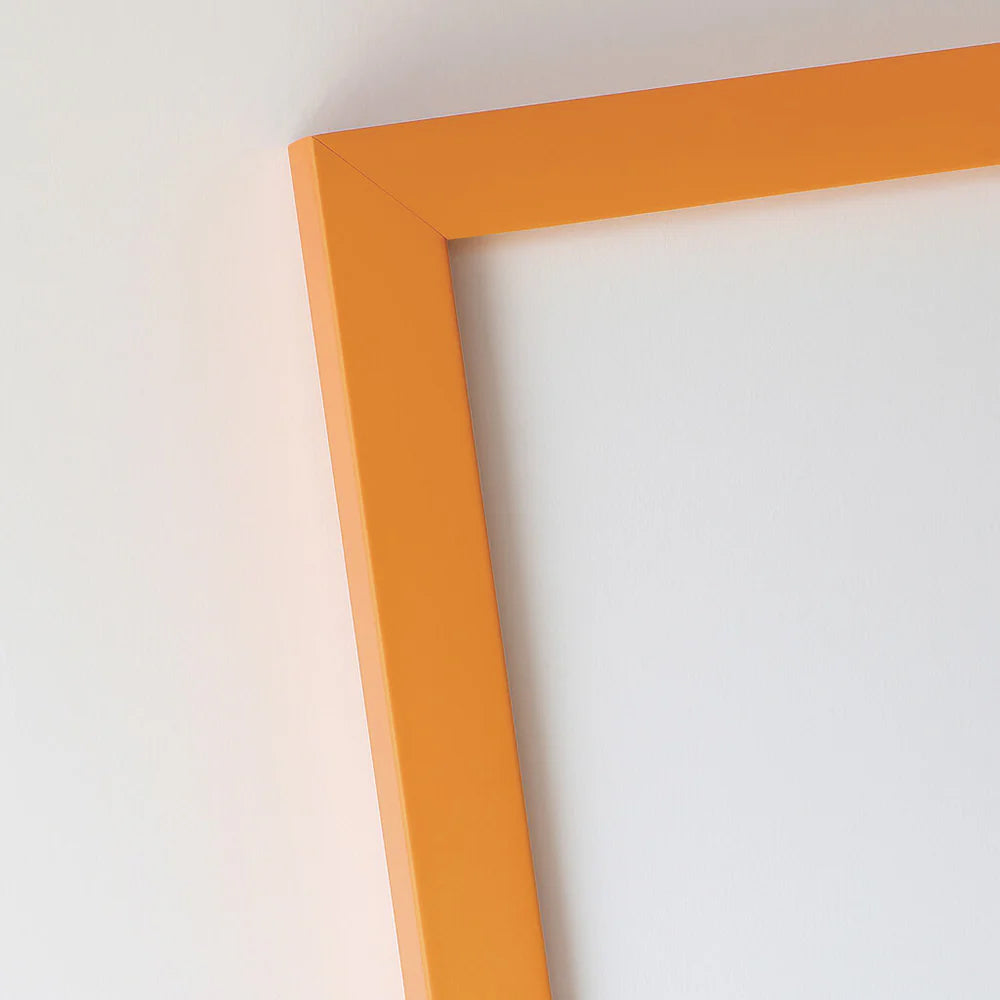
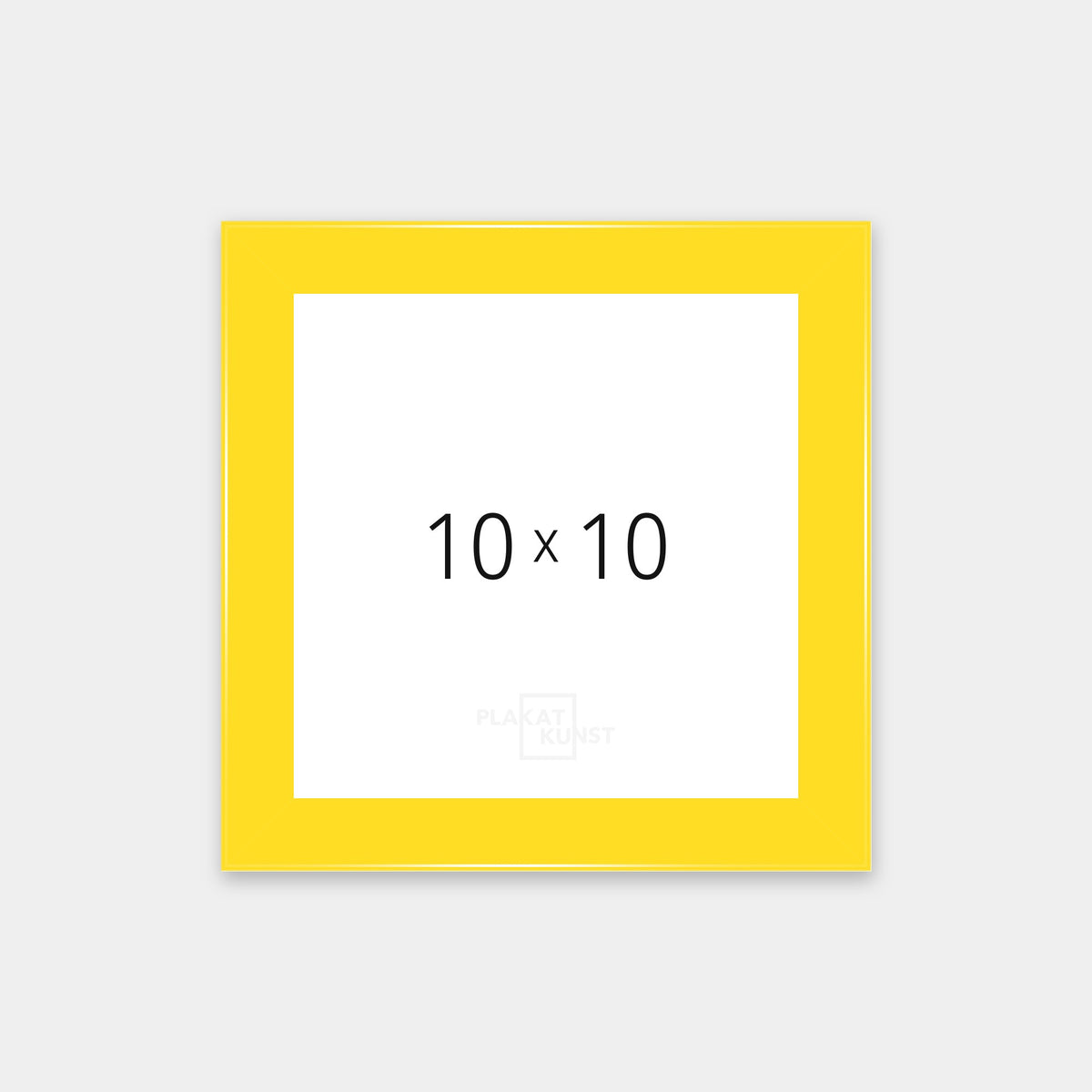
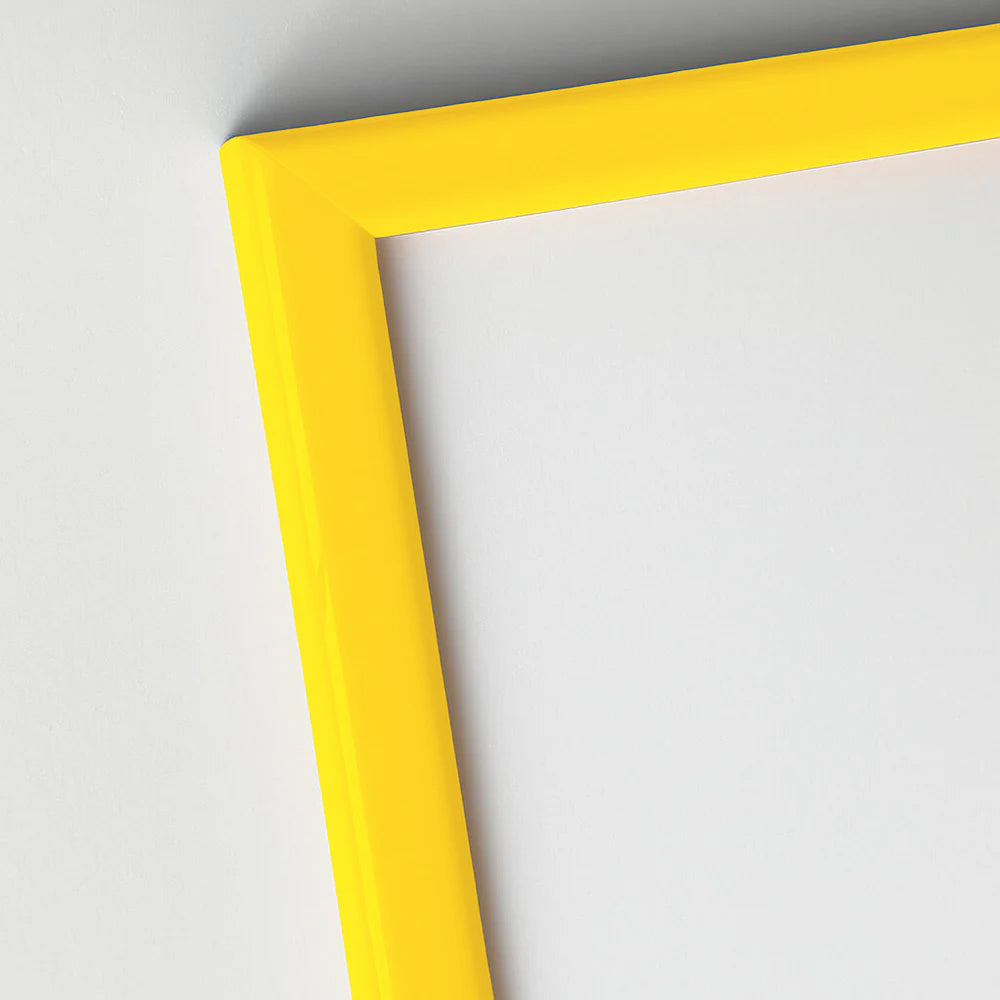
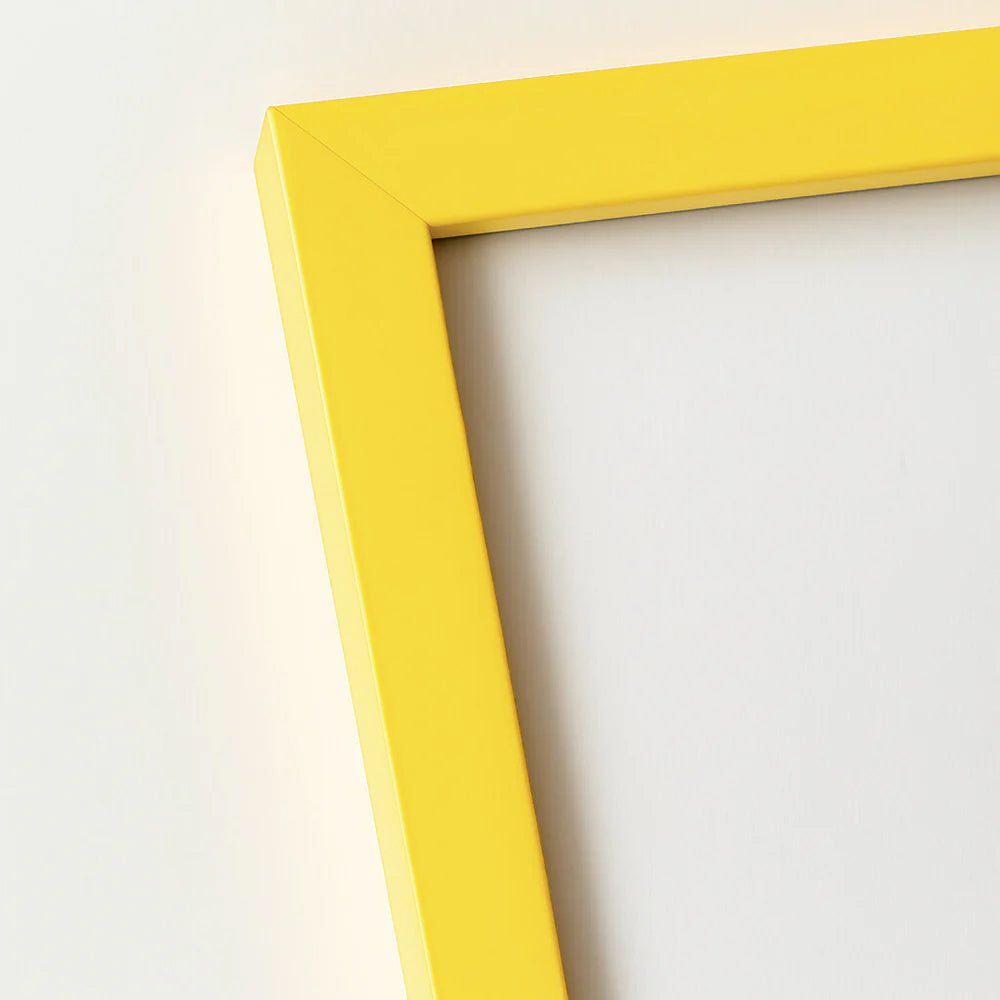
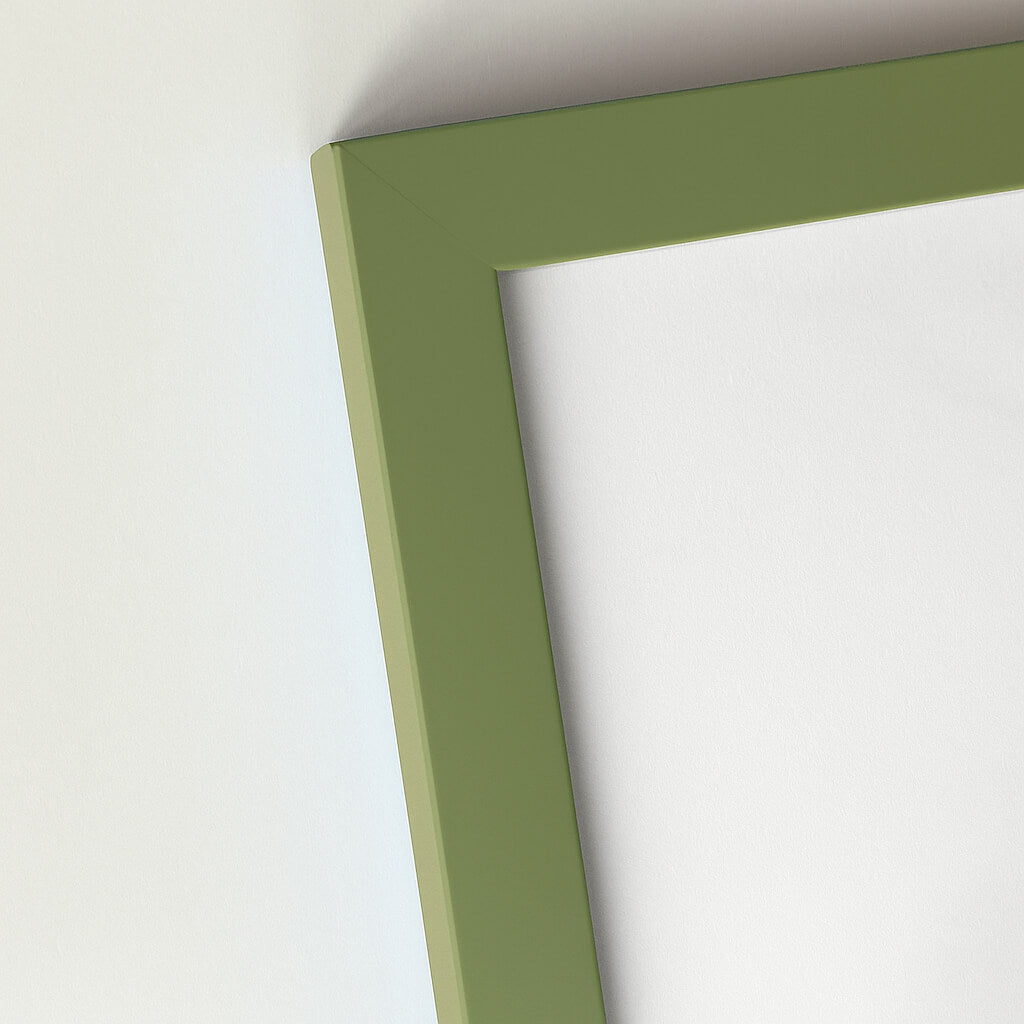
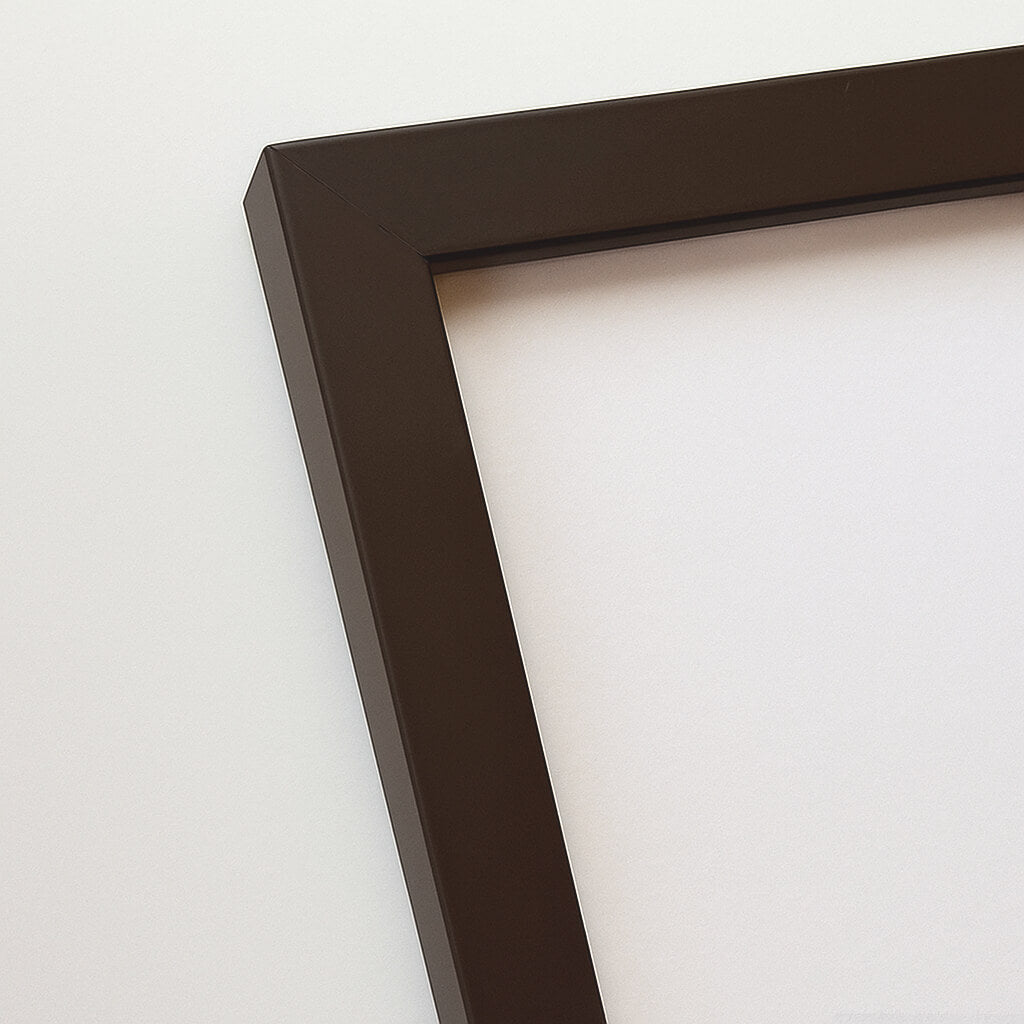
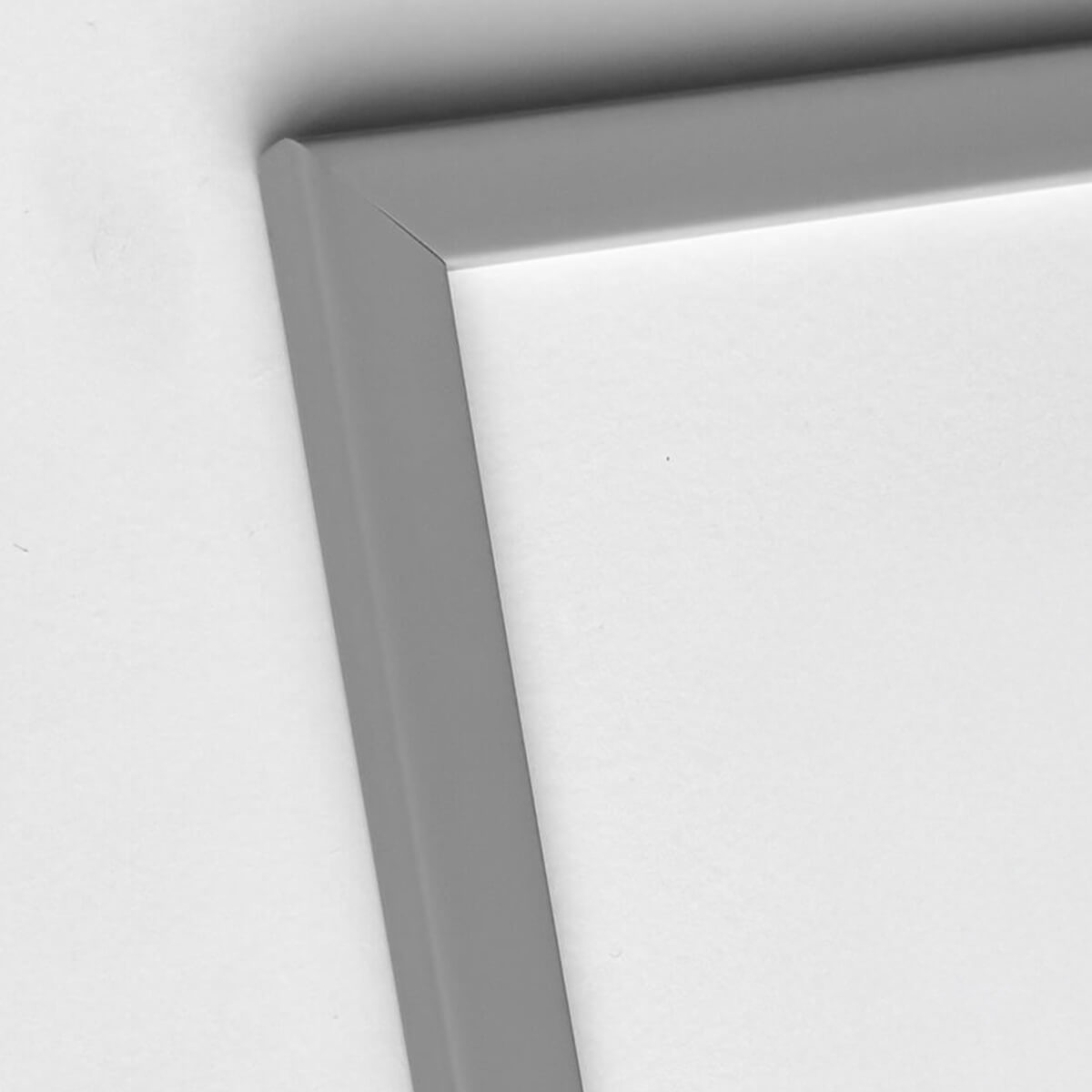
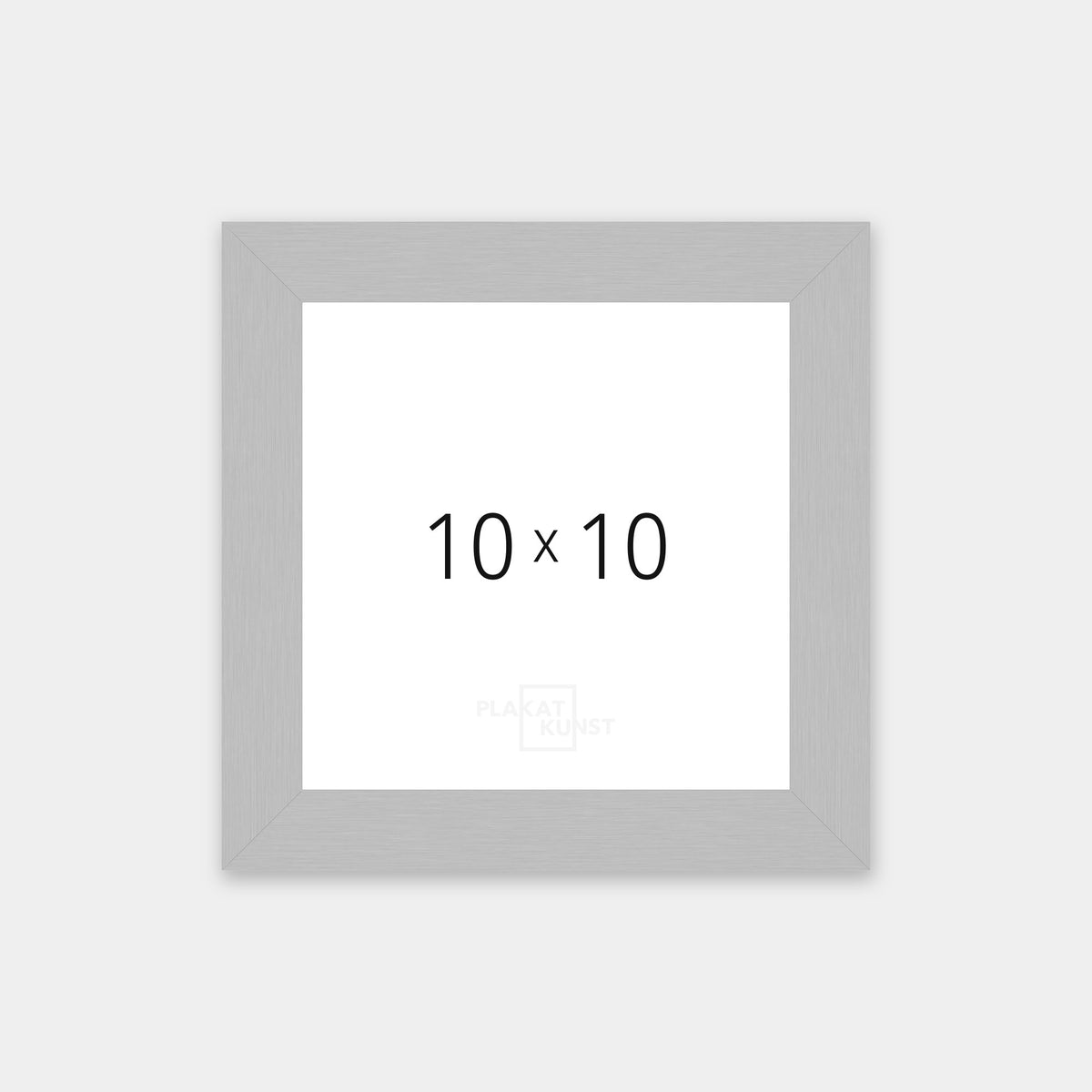
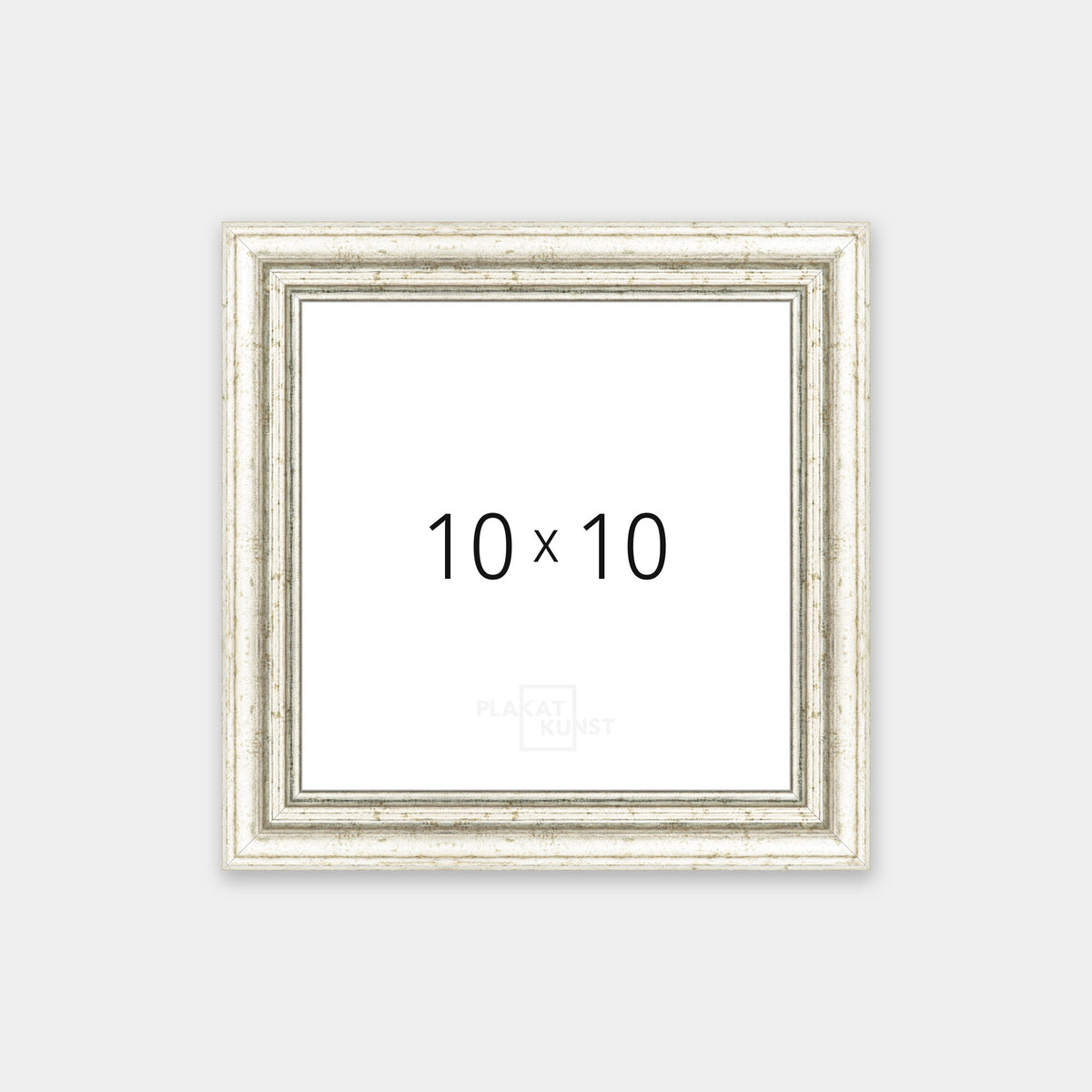
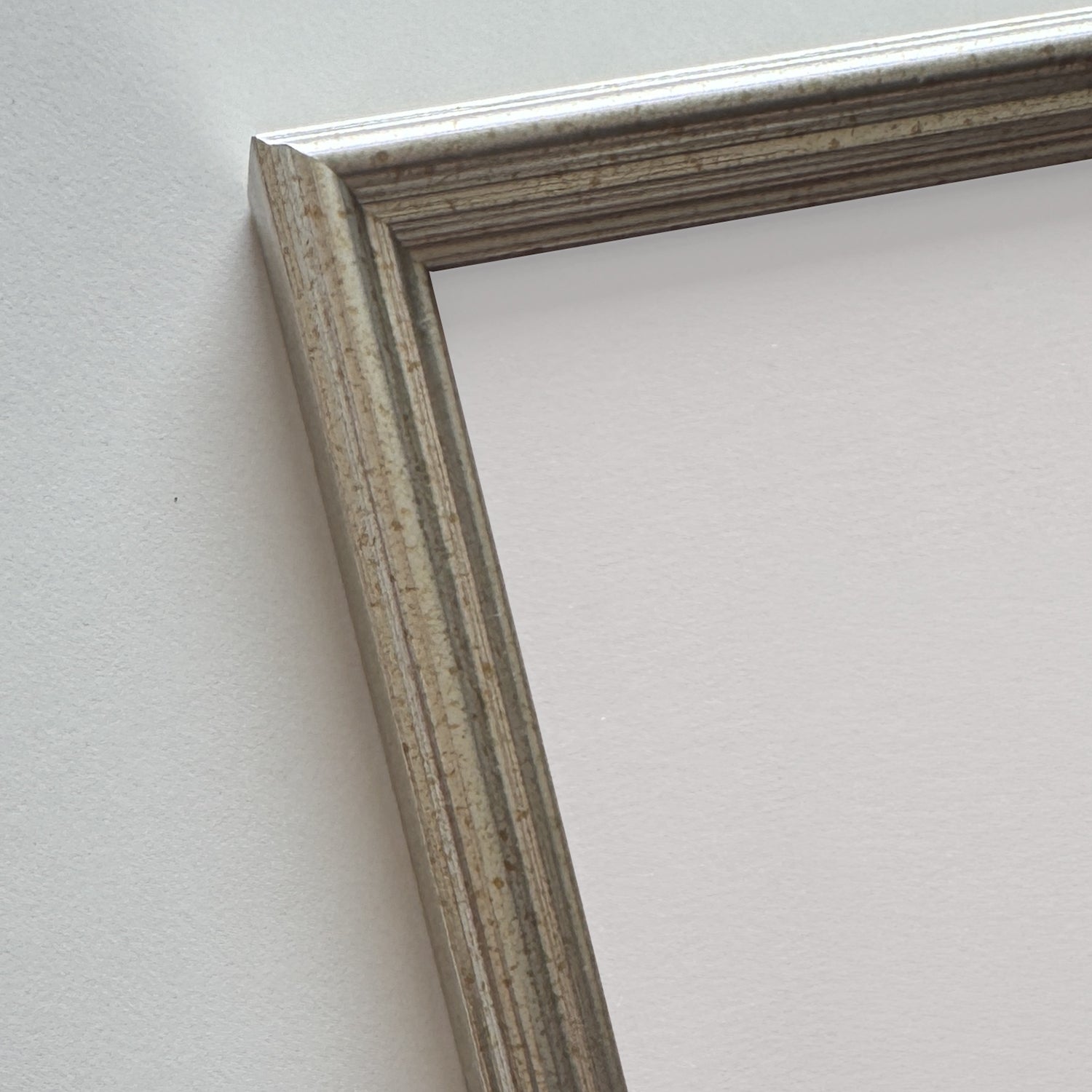
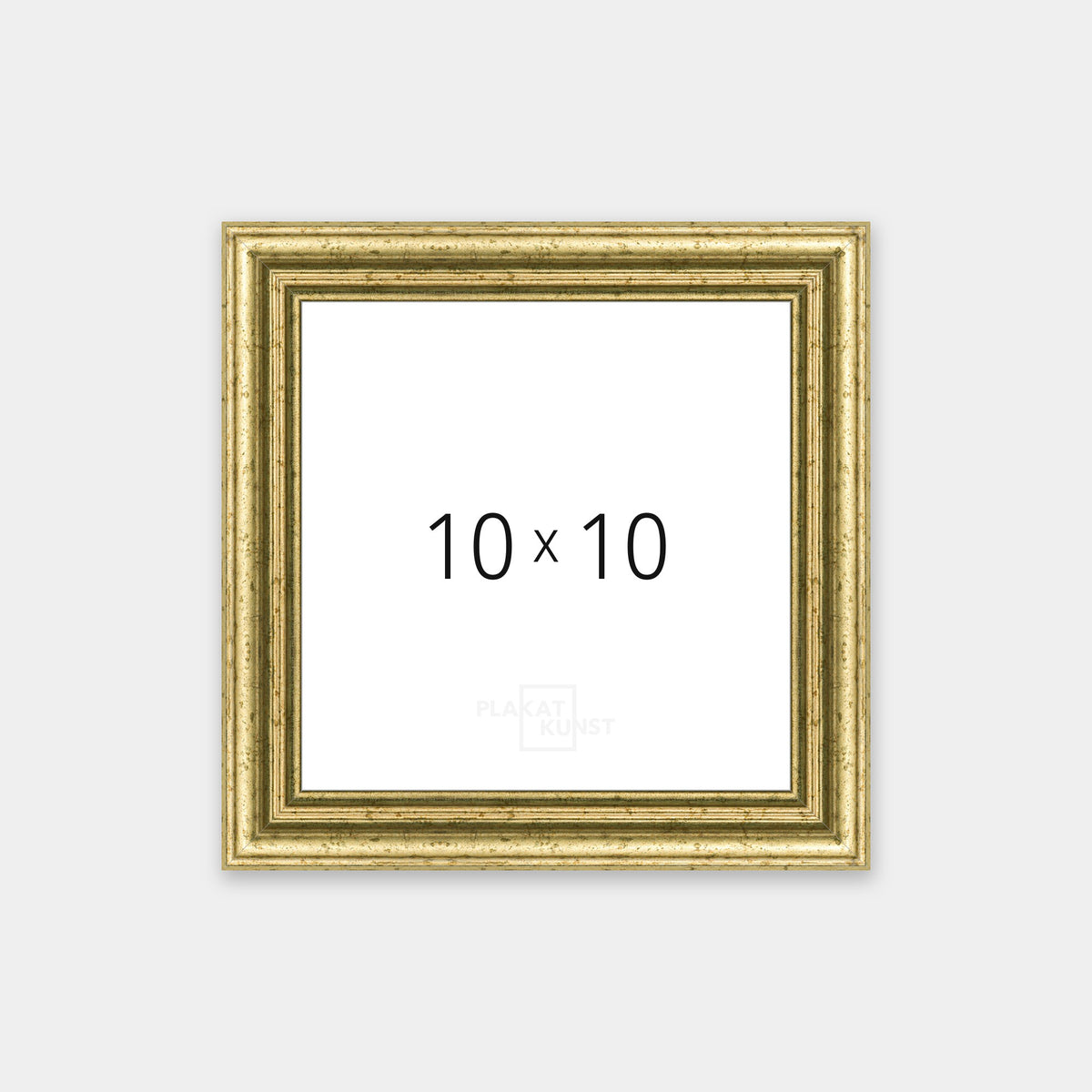
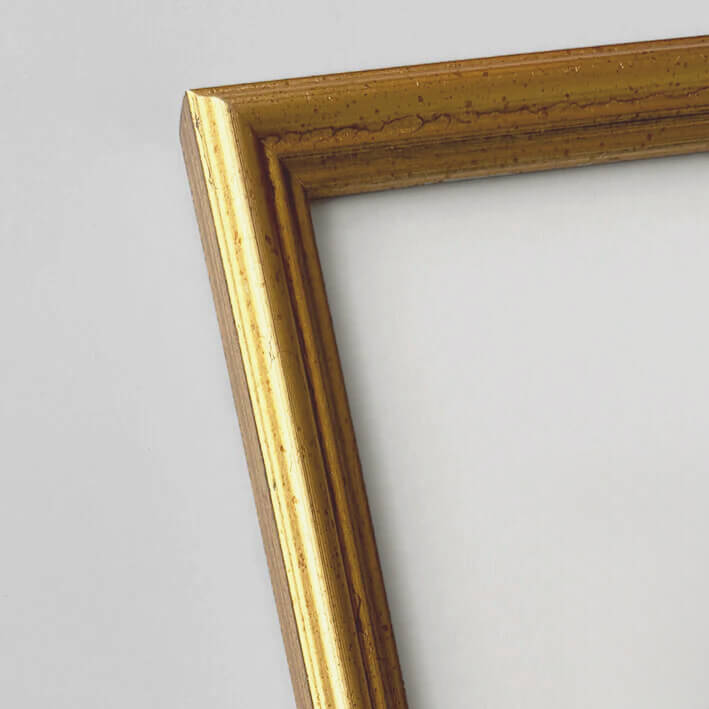
In a 10x10 picture frame, the frame itself takes up a relatively large share of the picture, so the profile and colour matter more than you might think. A slim, light frame lets a small photo print or art card stand out, while a darker wood gives the image weight.
In our frame designer, you can upload an image of your artwork and try out wood types, colours, profiles and passepartouts. The preview updates as you go, so you can quickly see whether a square Instagram print looks best framed closely or with a passepartout in a larger frame.
If several small pictures are to hang together on a gallery wall or stand side by side on a shelf, you can try the same choices on each one and create a consistent look.
Recently seen
10x10 frames with
Passepartout
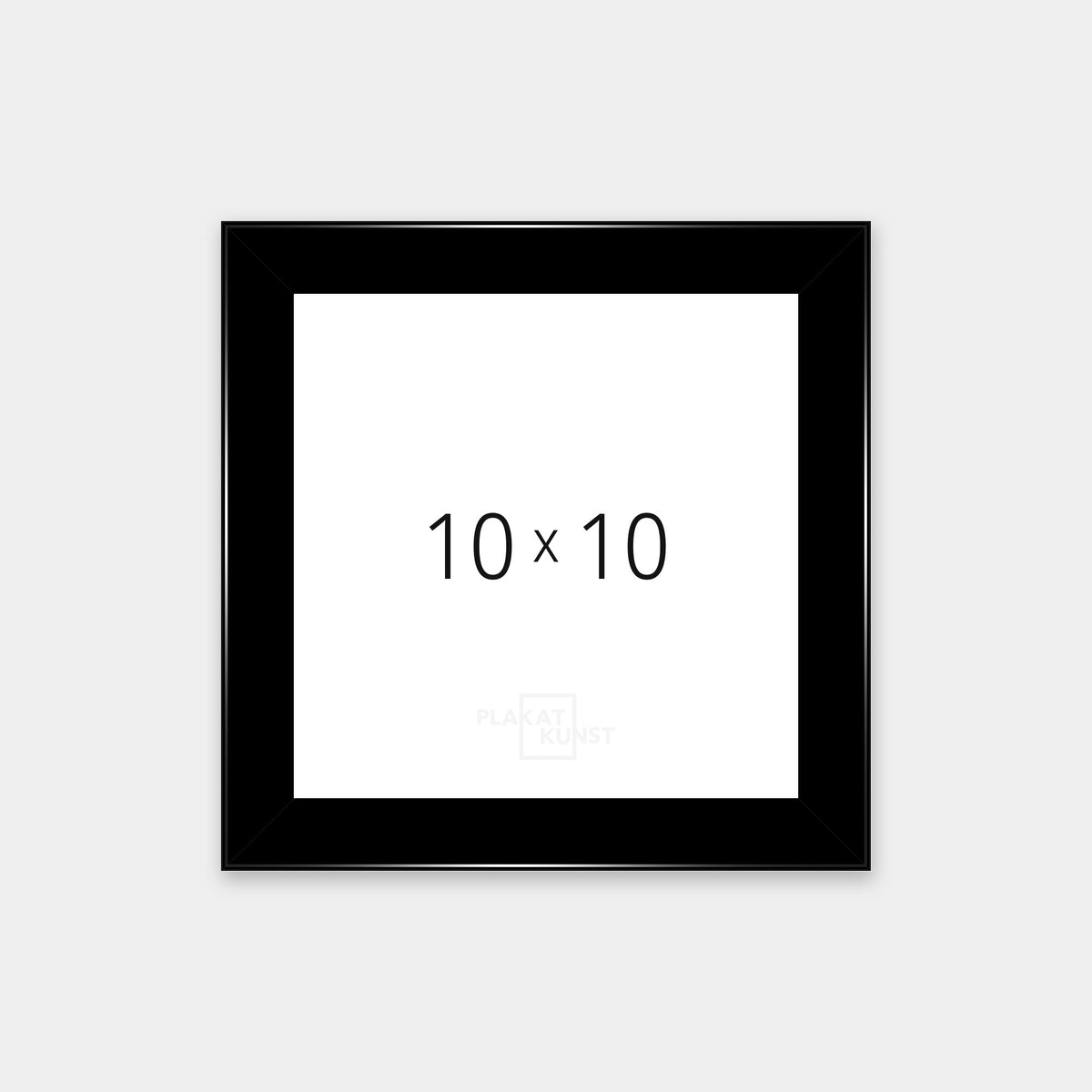
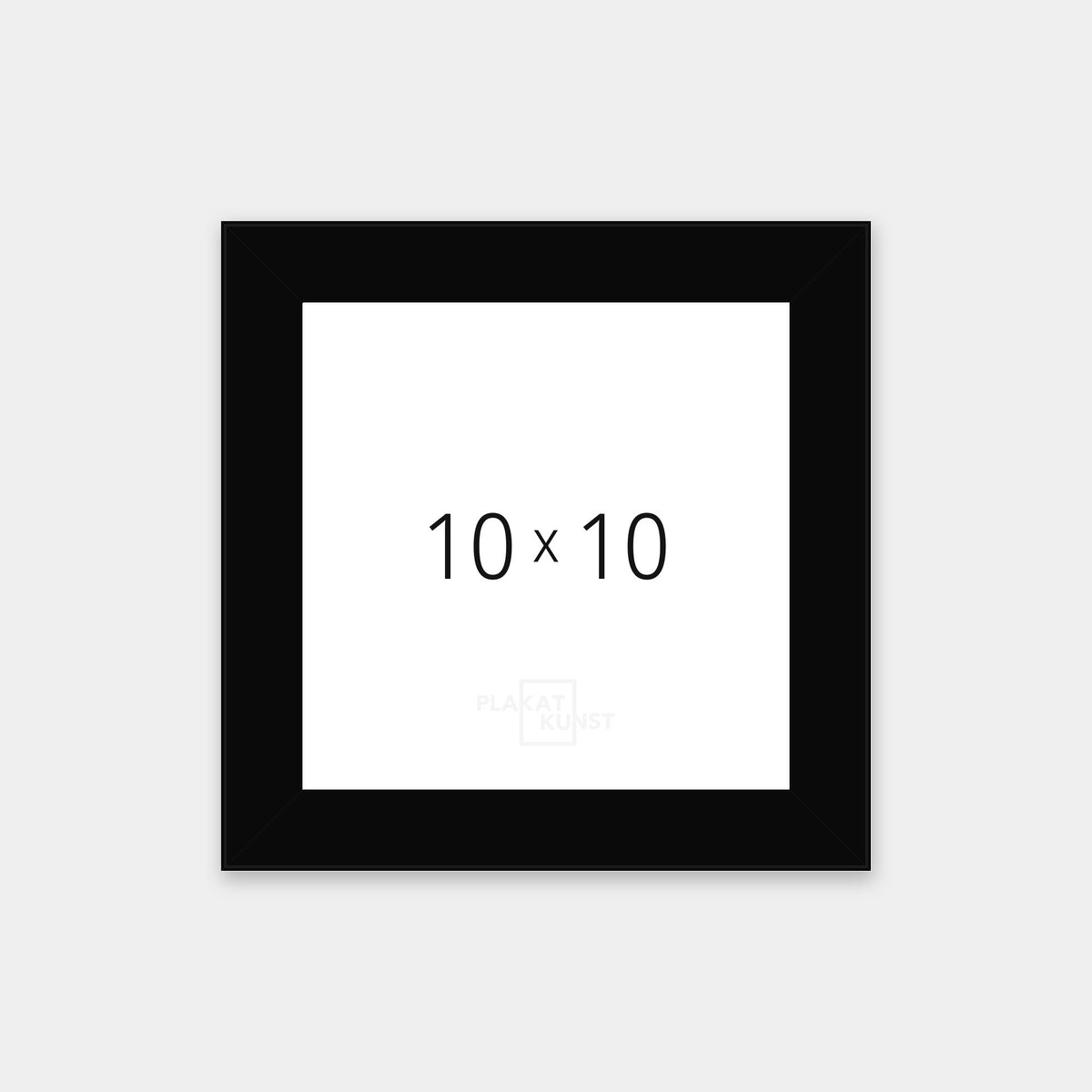
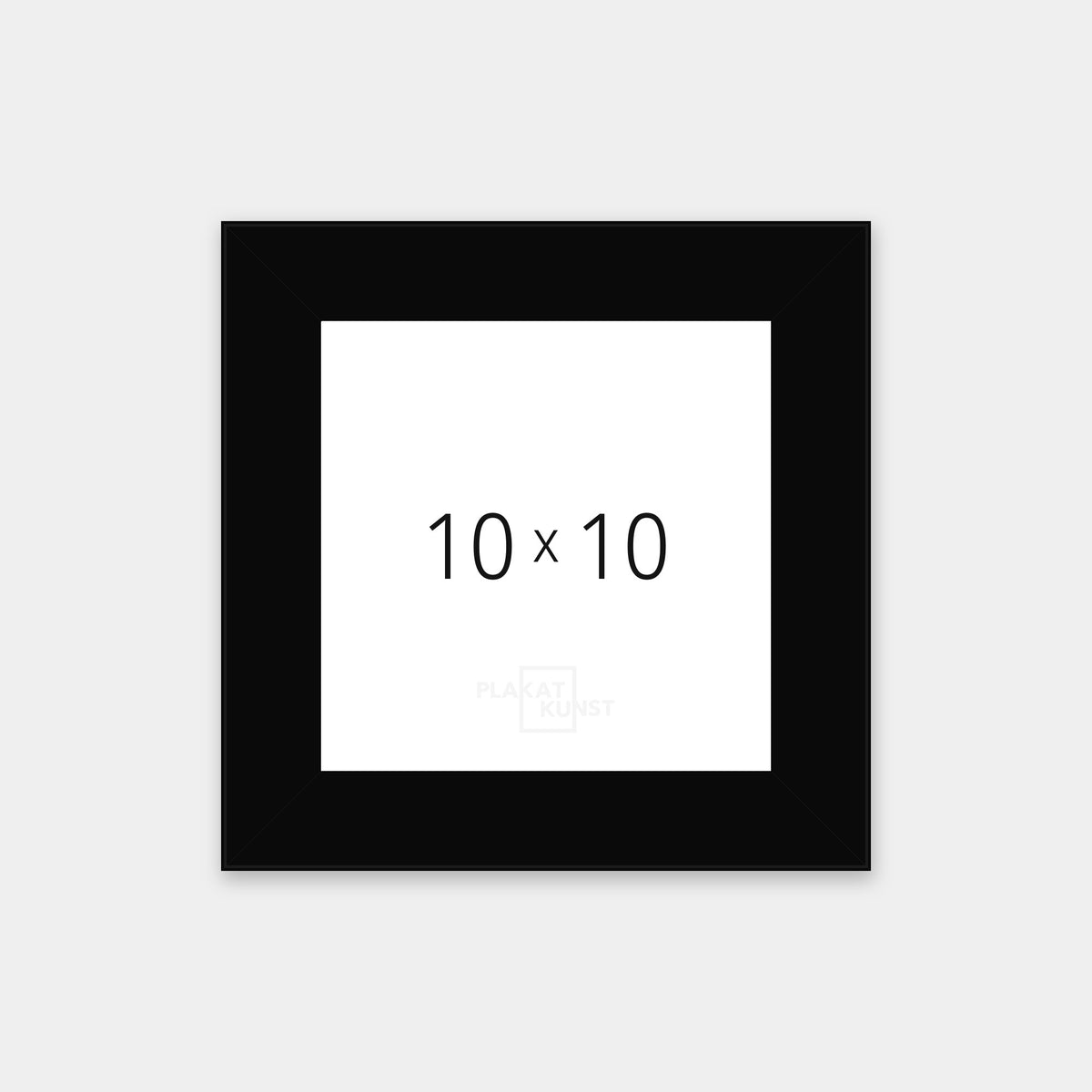
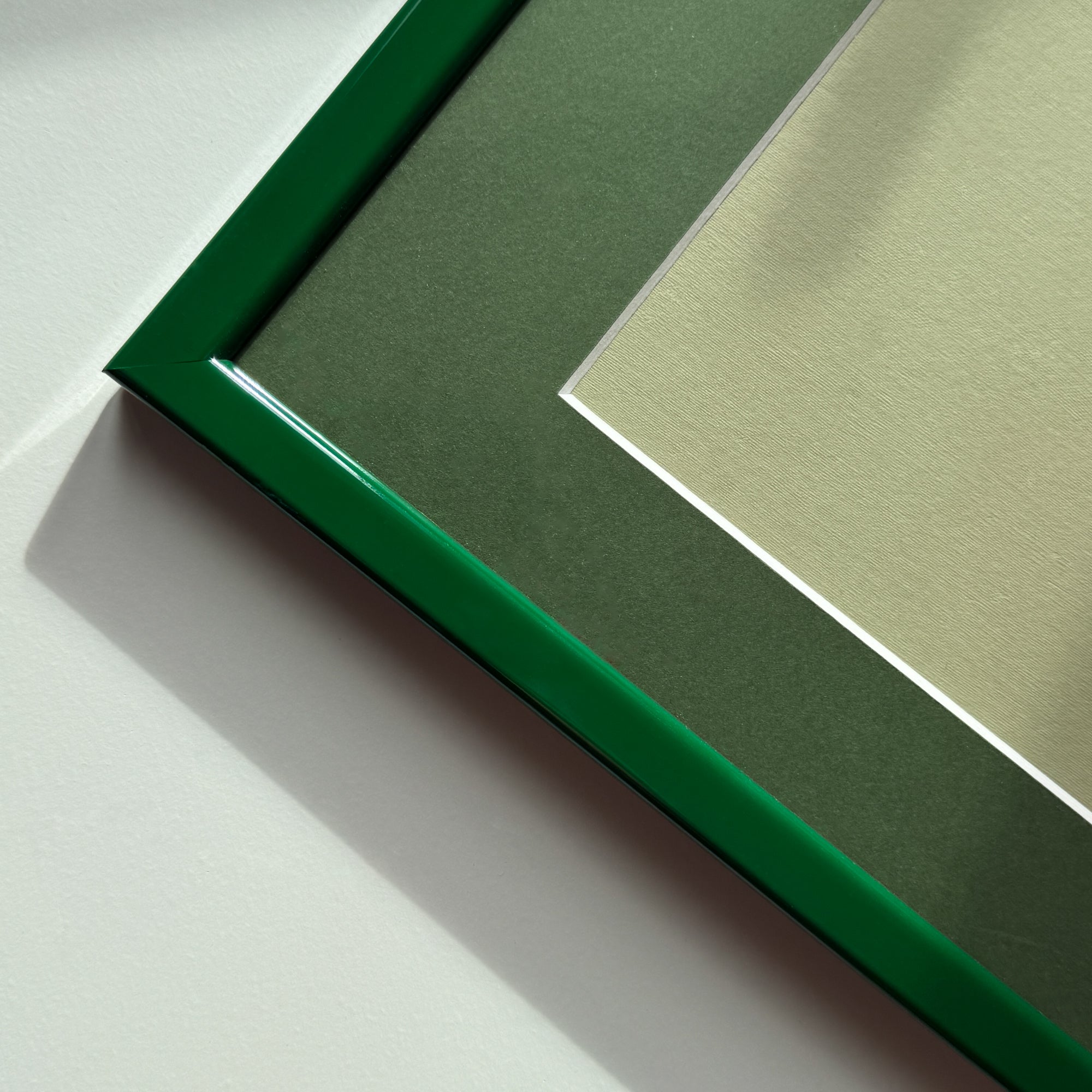
With a passepartout, a 10x10 frame becomes a small display case for very small pictures. It suits square photos of approx. 6×6 to 7×7 cm, such as an Instax Square print with an image area of 6.2×6.2 cm. Made from 1.5 mm thick board, the passepartout creates a frame within the frame, so the image does not get lost on the wall or shelf.
If your picture itself measures 10×10 cm and you would like a passepartout around it, you will need a larger frame. A 15×15 cm frame gives a border of approx. 2.5 cm, an 18×18 cm frame approx. 4 cm and a 20×20 cm frame approx. 5 cm. You can also choose a made-to-measure frame.
You can choose from 20 colours and simply enter the dimensions of your picture. We make the cutout 10 mm smaller in both width and height, so the passepartout overlaps the picture by 5 mm on each side and you can tape the picture to the back of the passepartout. As the format is square, it does not matter which way the picture faces.
Select a frame above to see it with the different passepartout colours.
Should your 10x10 frame have
Real glass?
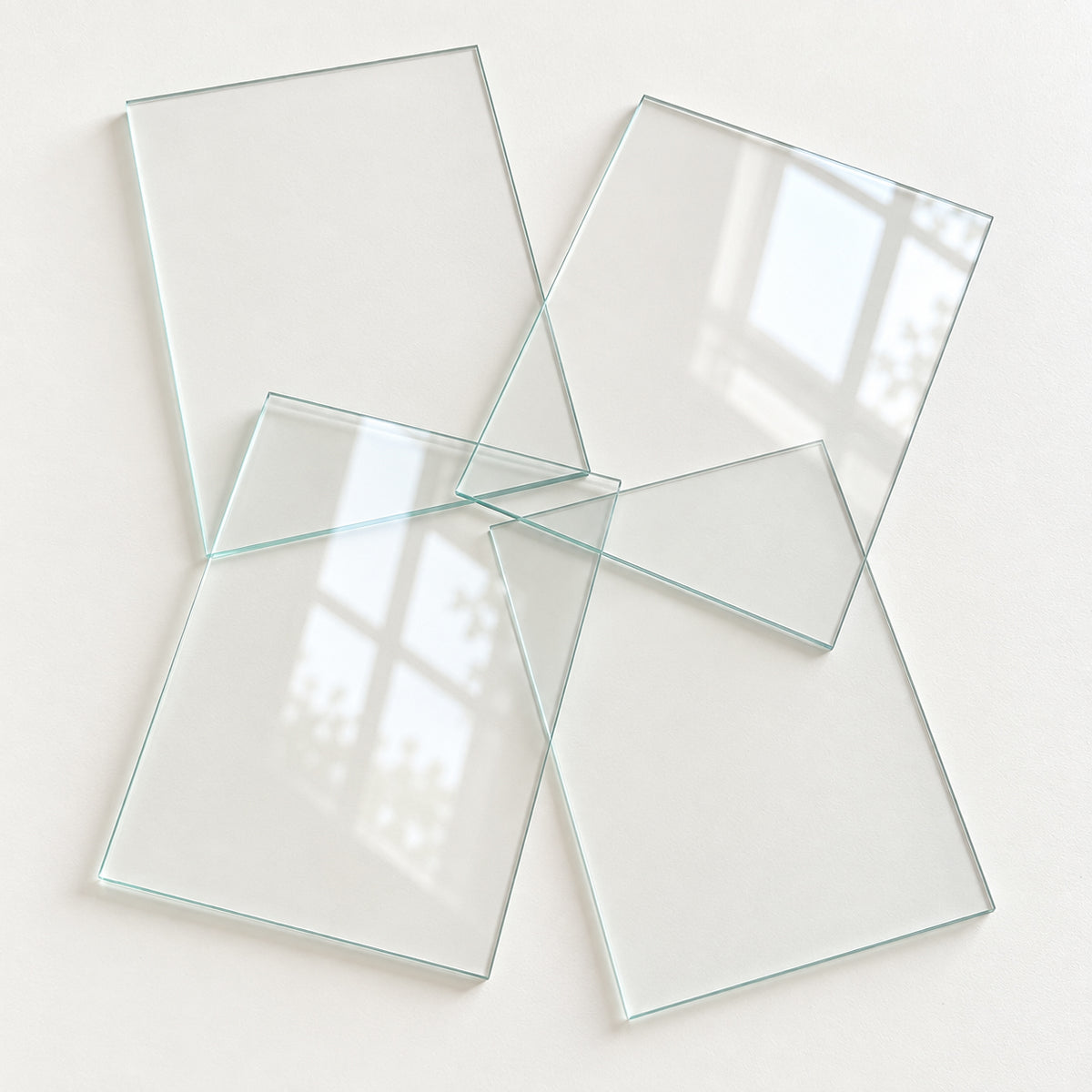
For a 10×10 cm picture, the weight of the glass hardly matters. However, the frame is often viewed up close, on a shelf or desk for example, so clarity and detail become more important. You can choose from four types of glass.
Standard glass shows colours and details clearly at a reasonable price and resists scratches better than acrylic glass. However, it reflects light from windows and lamps and can break if the frame falls over or is dropped.
Acrylic glass is lightweight and shatter-resistant, making it a safe choice for a child’s room or a shelf where the frame is easily knocked. It reflects light much like standard glass and scratches more easily, so clean it with a soft cloth. Remove the protective film from both sides before framing.
Non-reflective glass has a matt surface that reduces reflections, but it can make colours and fine details slightly softer, especially when a passepartout creates a gap between glass and artwork. It does not remove all reflections.
Museum glass offers high clarity, fewer reflections and UV protection that helps limit fading. On a small picture viewed up close, the difference is clear. It costs more, faint reflections may occur, and you should still avoid direct sunlight.
Shipping of 10x10 frames worldwide
FedEx or GLS
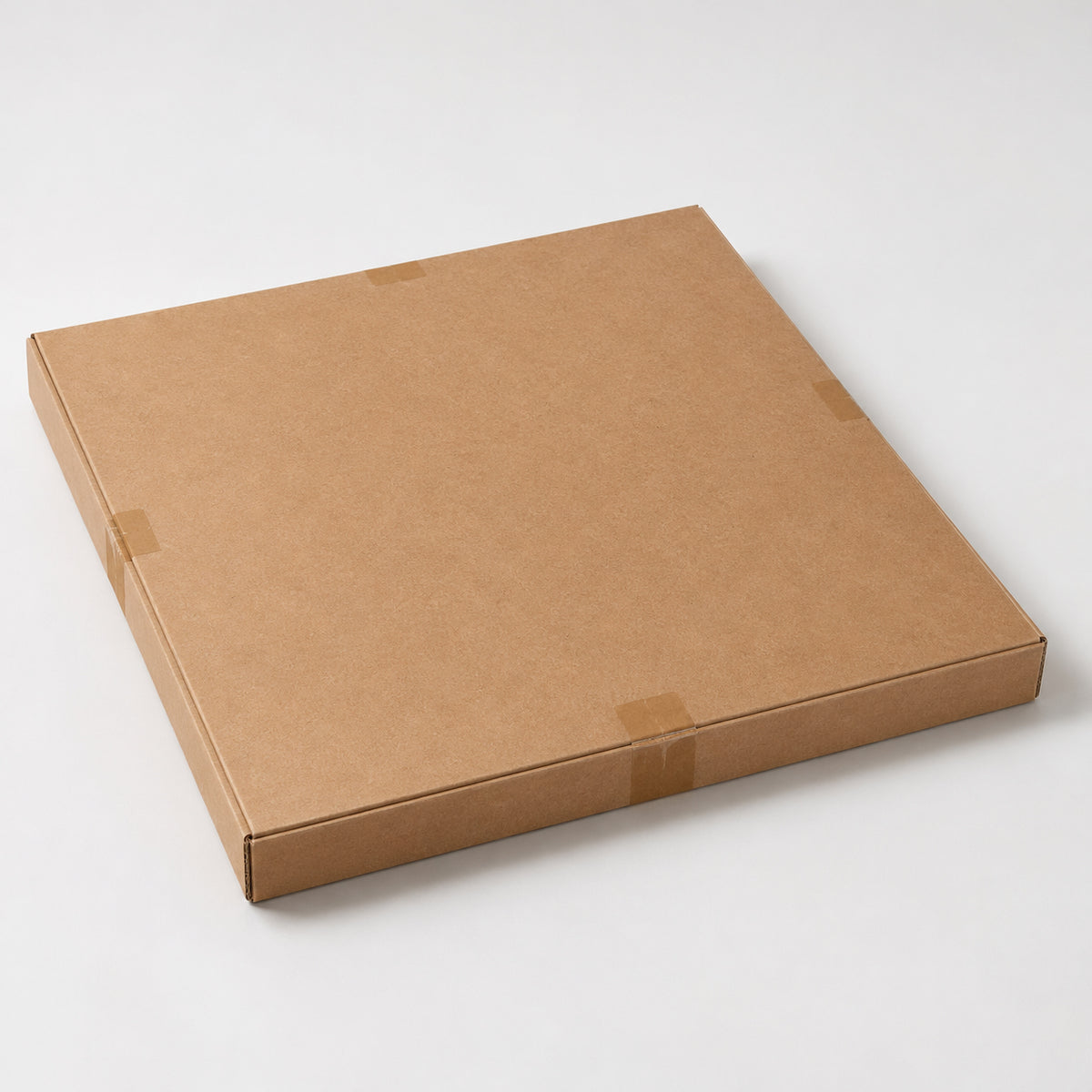
We ship our 10×10 cm frames worldwide with GLS or FedEx. In Sweden, Germany, Belgium and Poland, GLS can deliver to a parcel shop near you.
Even on a small frame, choosing real glass instead of acrylic glass significantly increases the shipping price. Glass weighs more and needs extra care in transit, which raises both our shipping costs and the risk of damage.
We pack every frame carefully so that the frame and glass are well protected on the way. As a result, the vast majority of our frames with glass arrive safely.
10x10 frames with or without
Backing paper
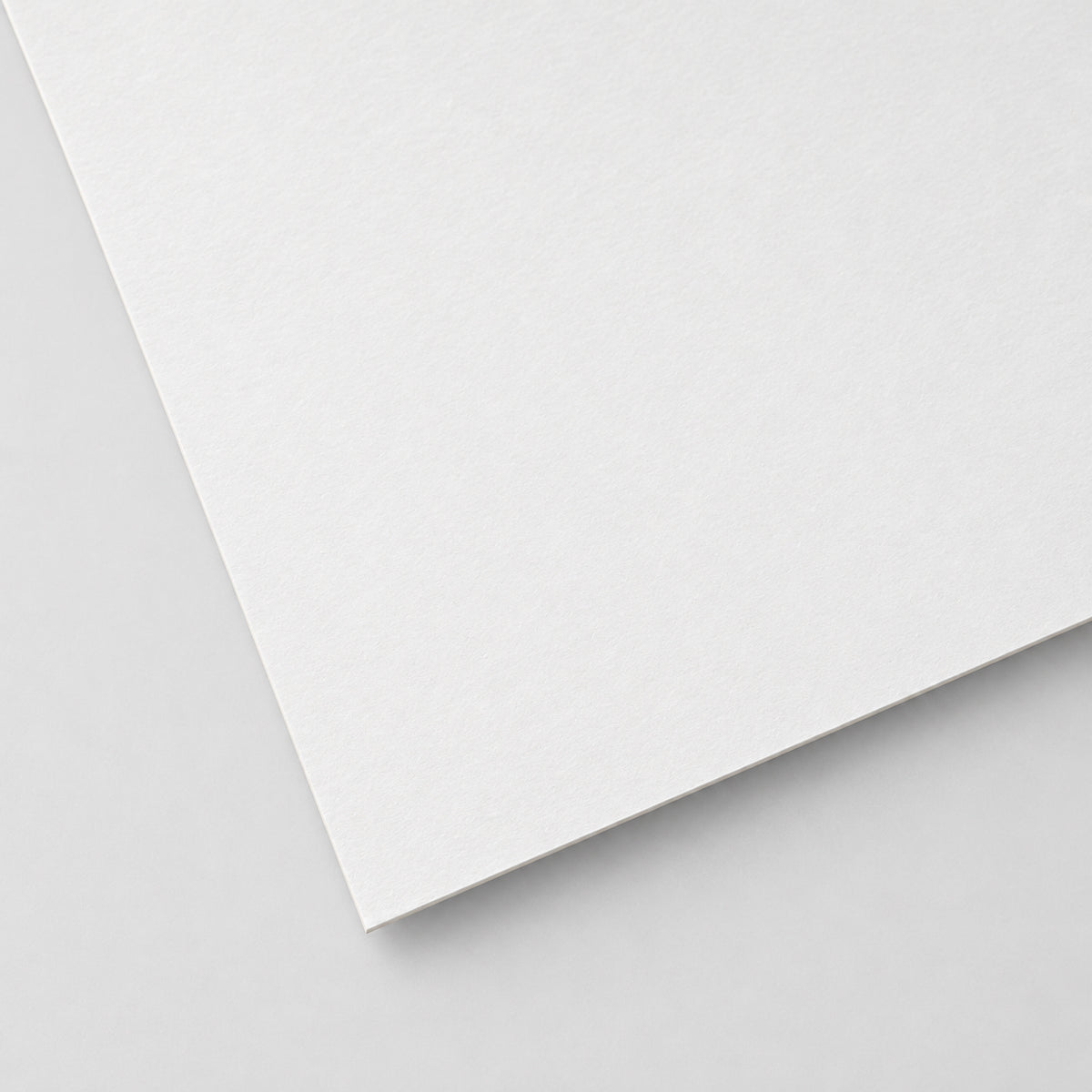
Your 10x10 frame is supplied without backing paper as standard, as most customers do not need it. If you would like it, you can add 1 mm thick backing paper in a subtle off-white shade with a fine texture.
Backing paper lets you frame artwork smaller than 10×10 cm with a visible background all the way round. It suits a small art print or miniature drawing with hand-torn or decorative edges, for example.
The paper also adds an extra layer between the artwork and the backing board. For delicate work, both the backing paper and the mounting materials should be acid-free.
On the wall or on a shelf
10x10 frames
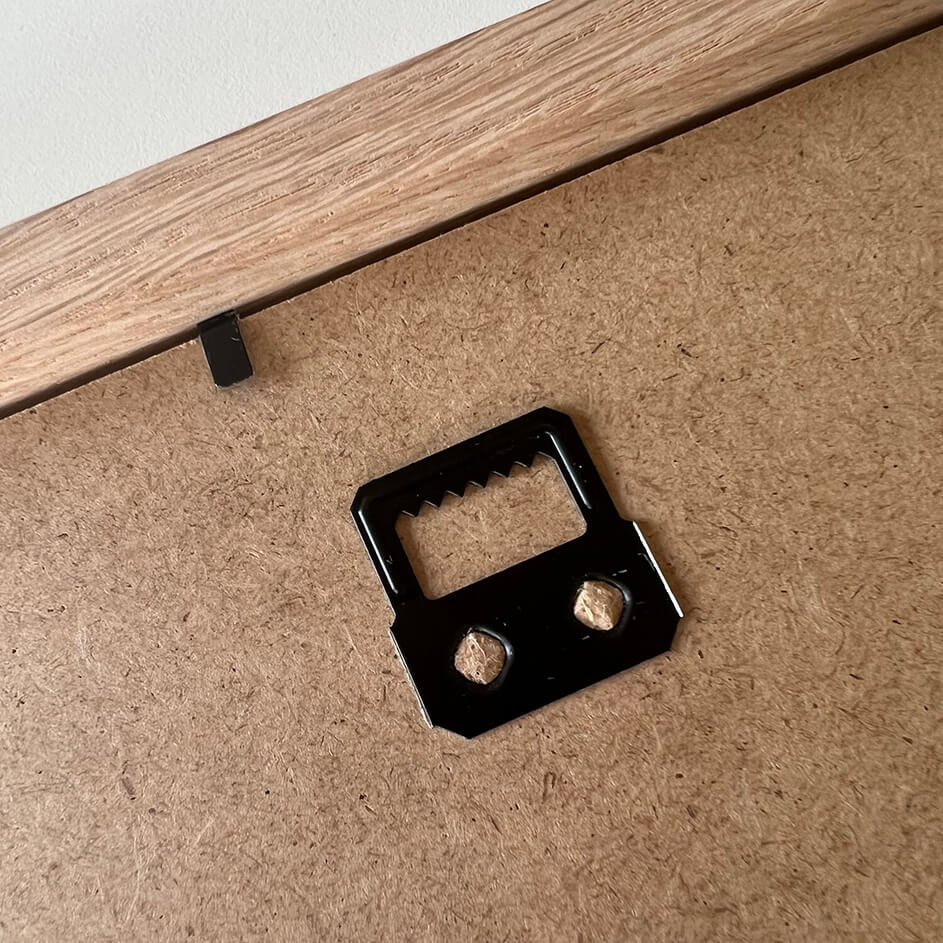
Turn the frame over and carefully bend up the black metal tabs on the back. You can then lift out the hardboard backing.
Wipe any dust from the inside of the glass with a soft, dry cloth. If you have chosen acrylic glass, remove the protective film from both sides before inserting your picture. Put the backing back in place and bend the tabs down to hold it.
A 10×10 cm frame has both a support stand and a hanging bracket. With the stand, it can sit on a shelf, chest of drawers or desk. To hang it, tilt the bracket out slightly so it can hook onto a screw or nail. Use a fixing that suits your wall type and can carry the weight of the frame.