














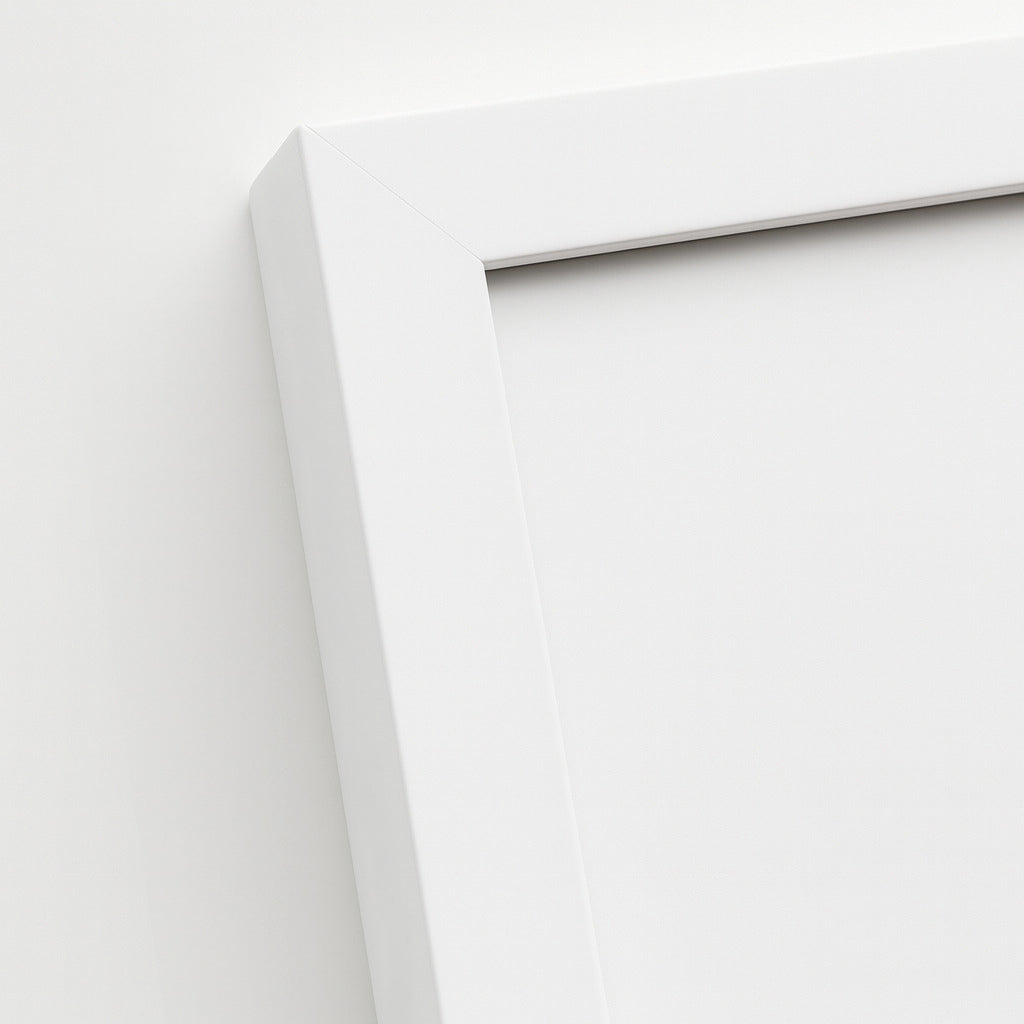
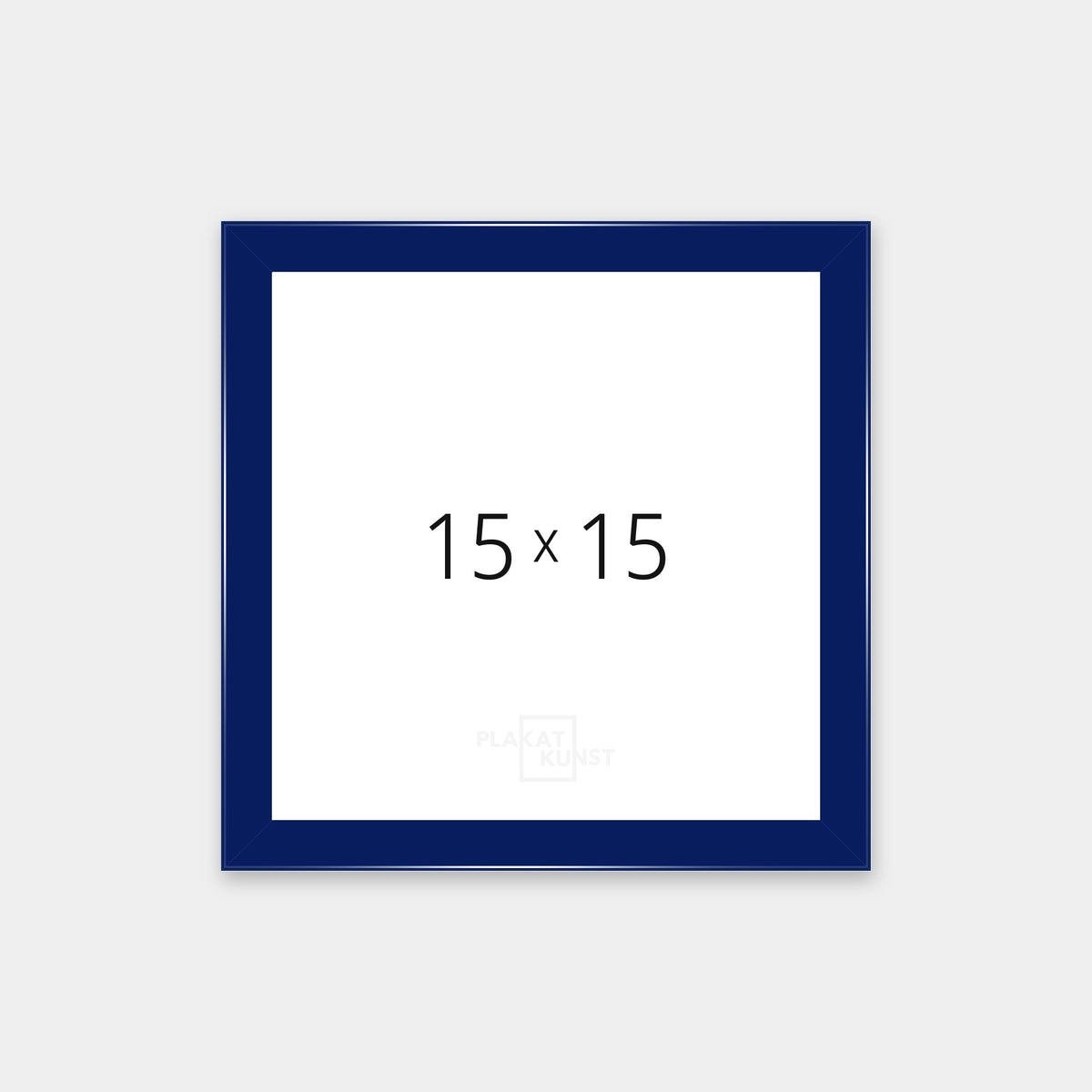
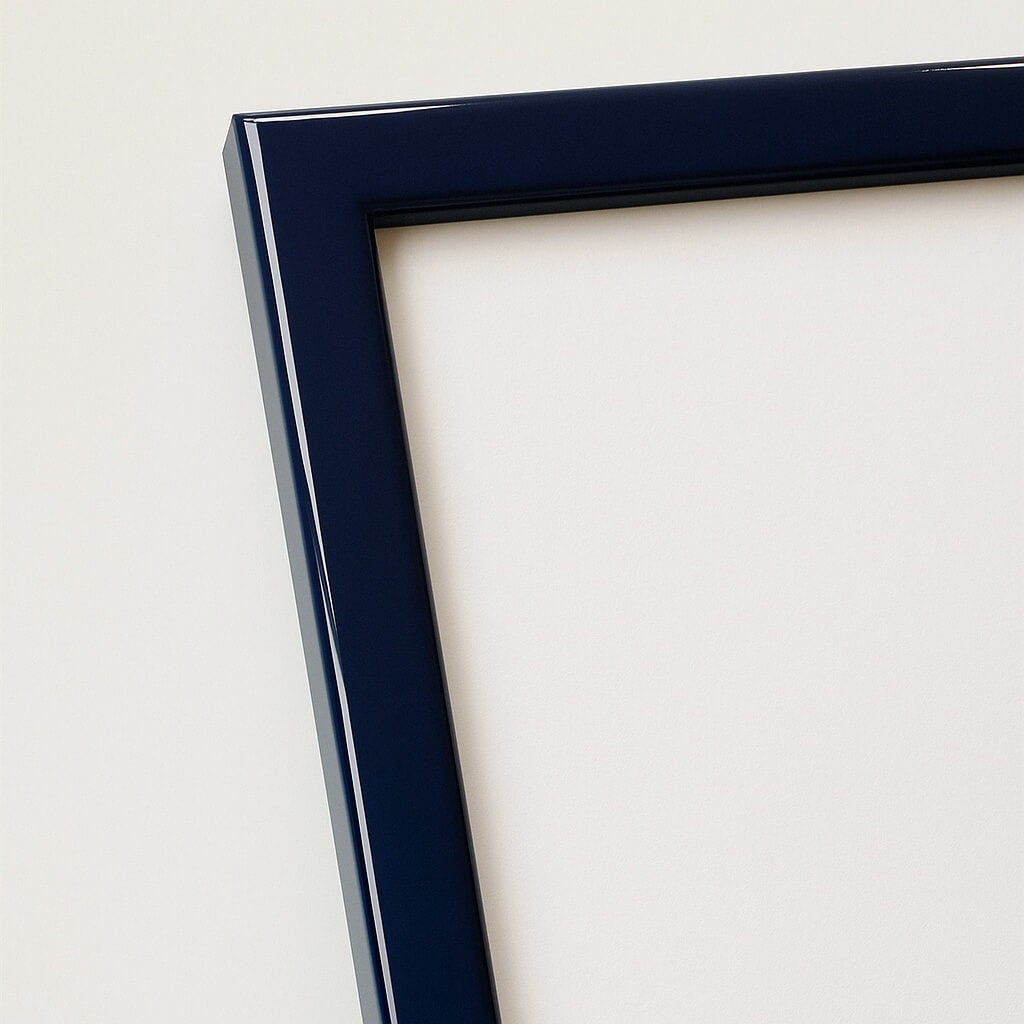


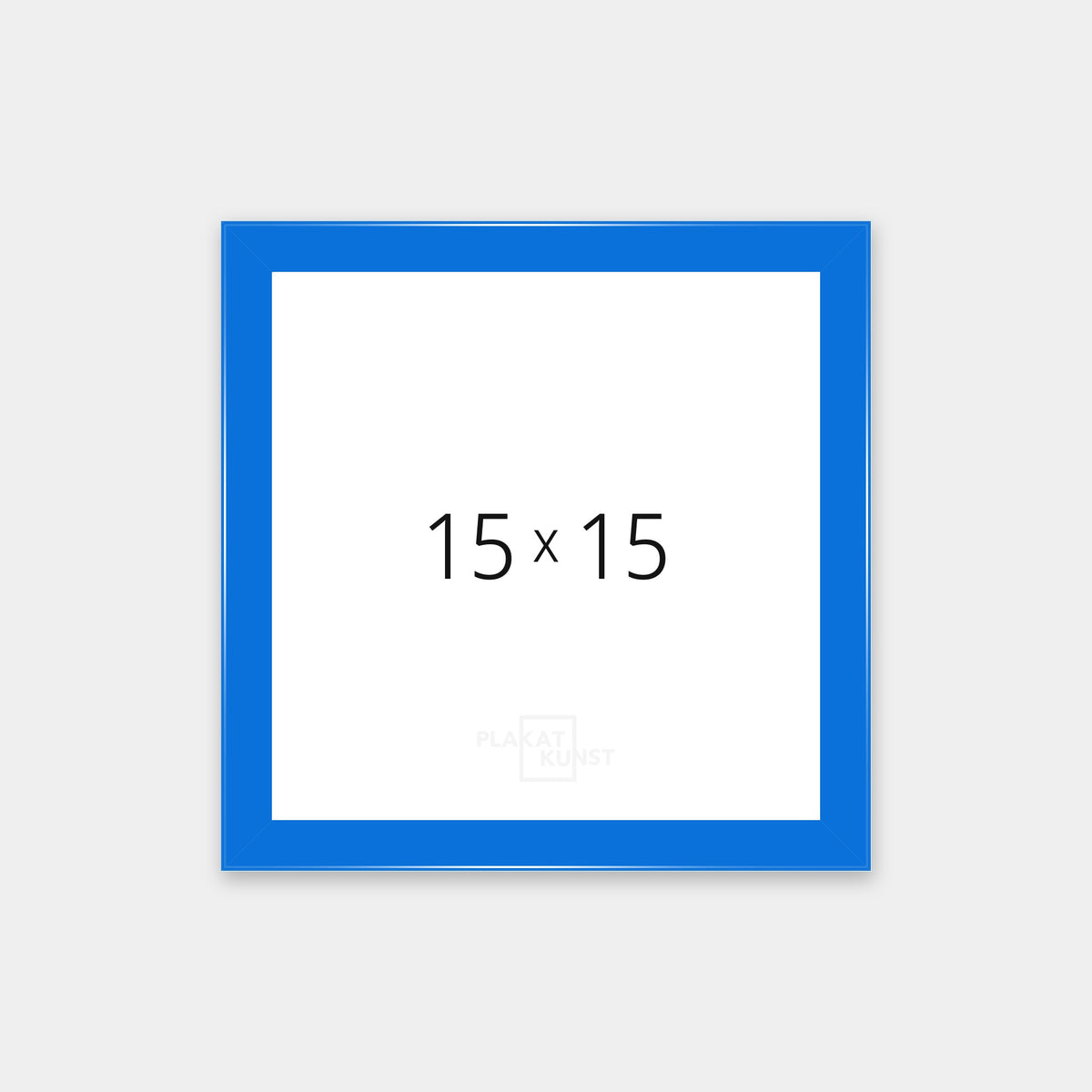














Design your square framing
Find the right look
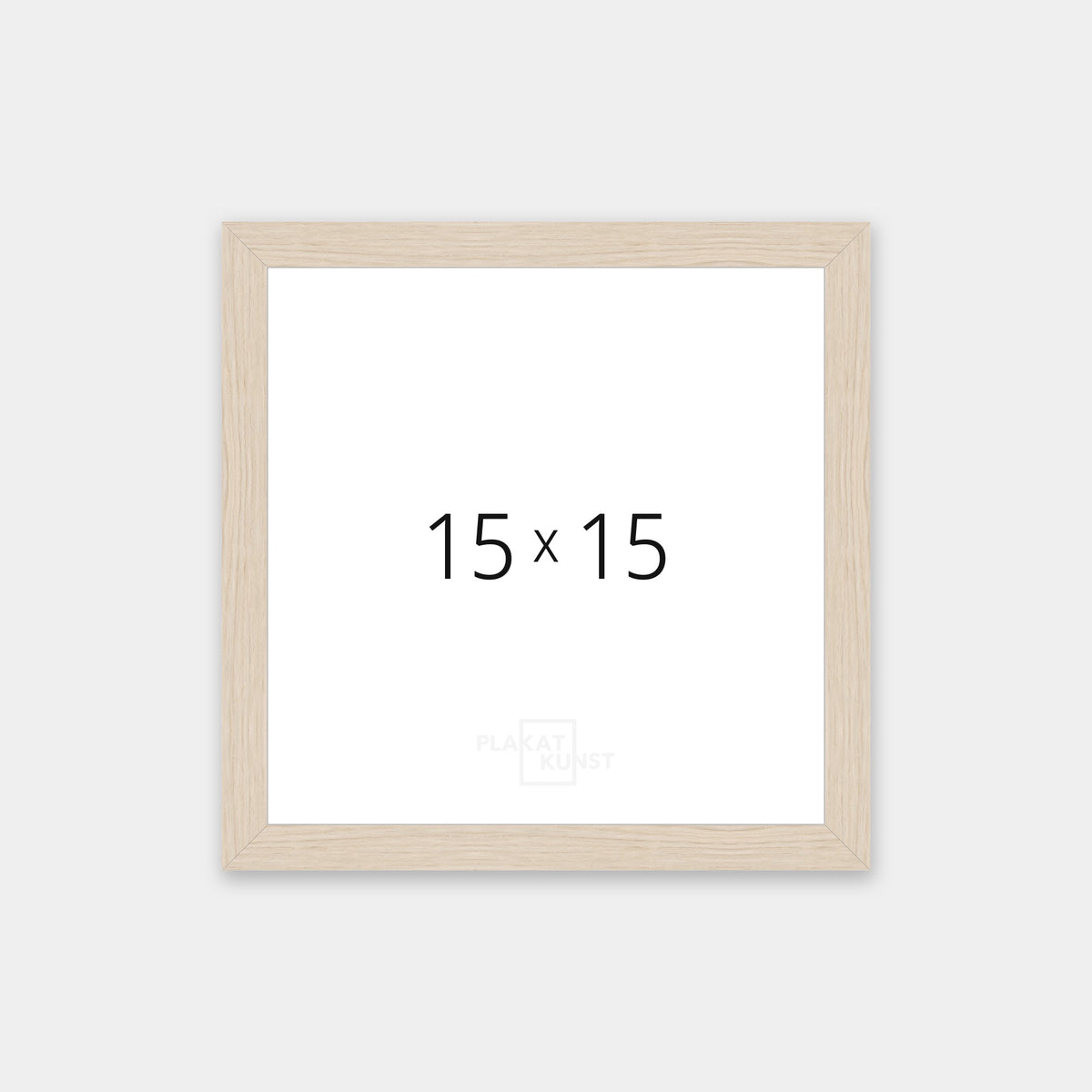
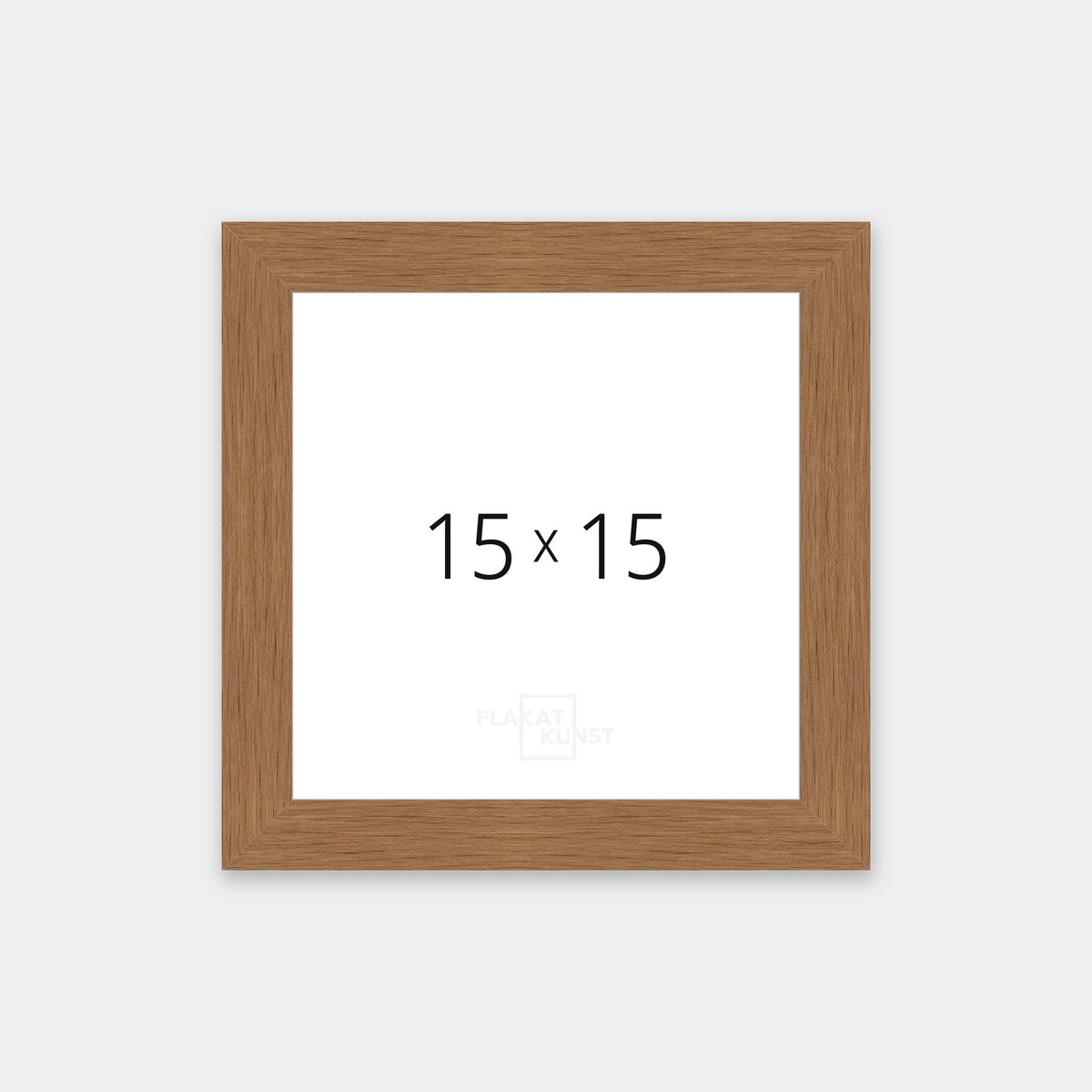
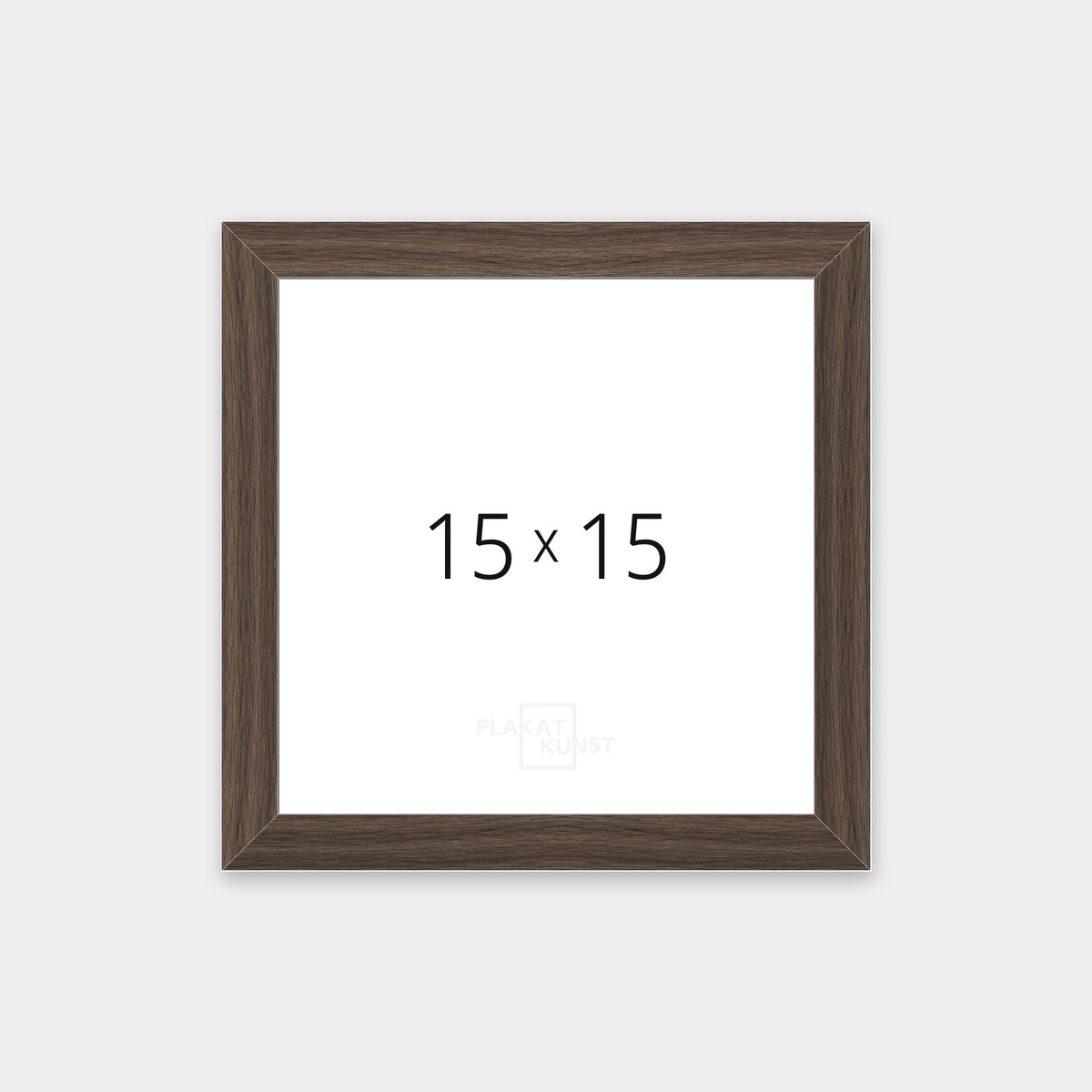
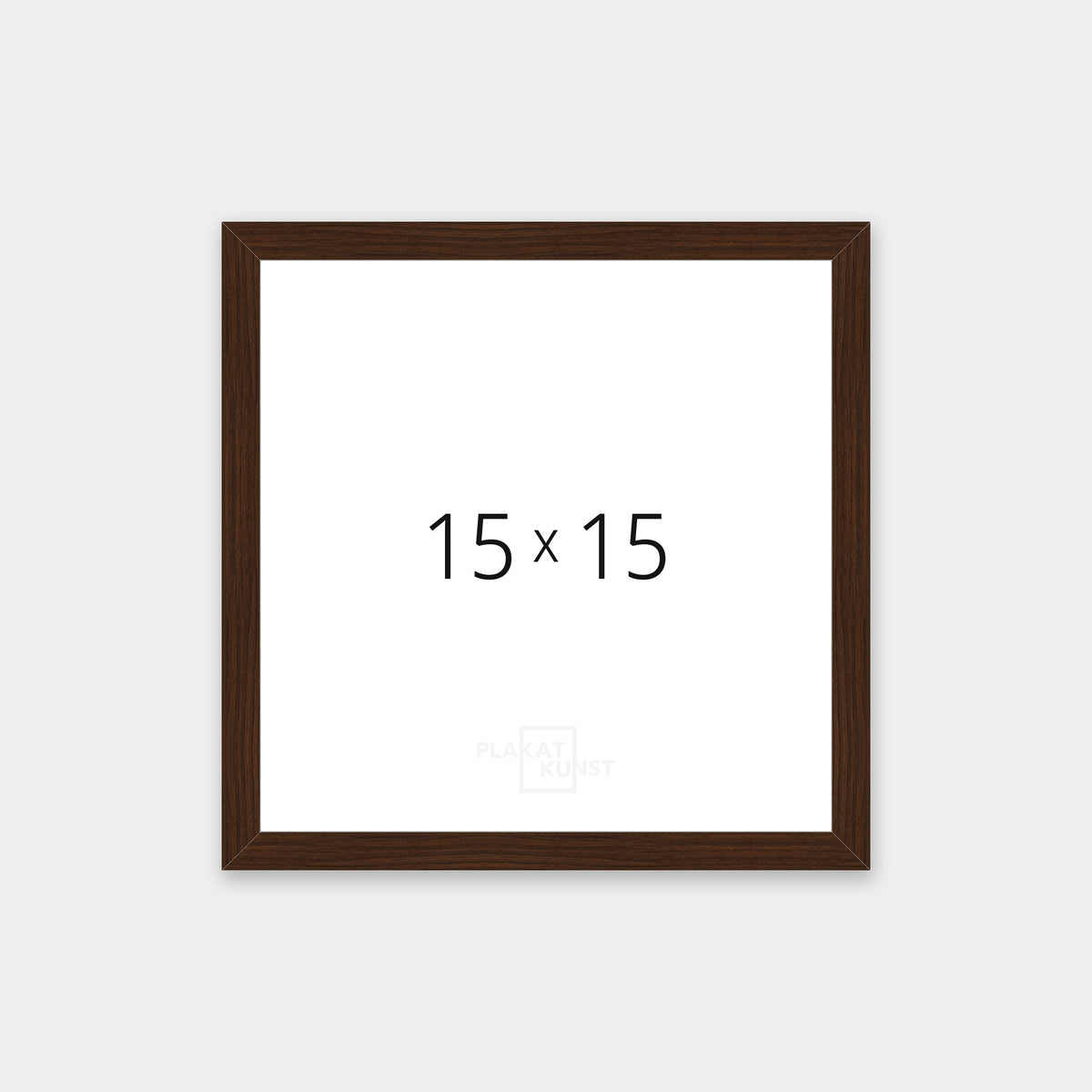
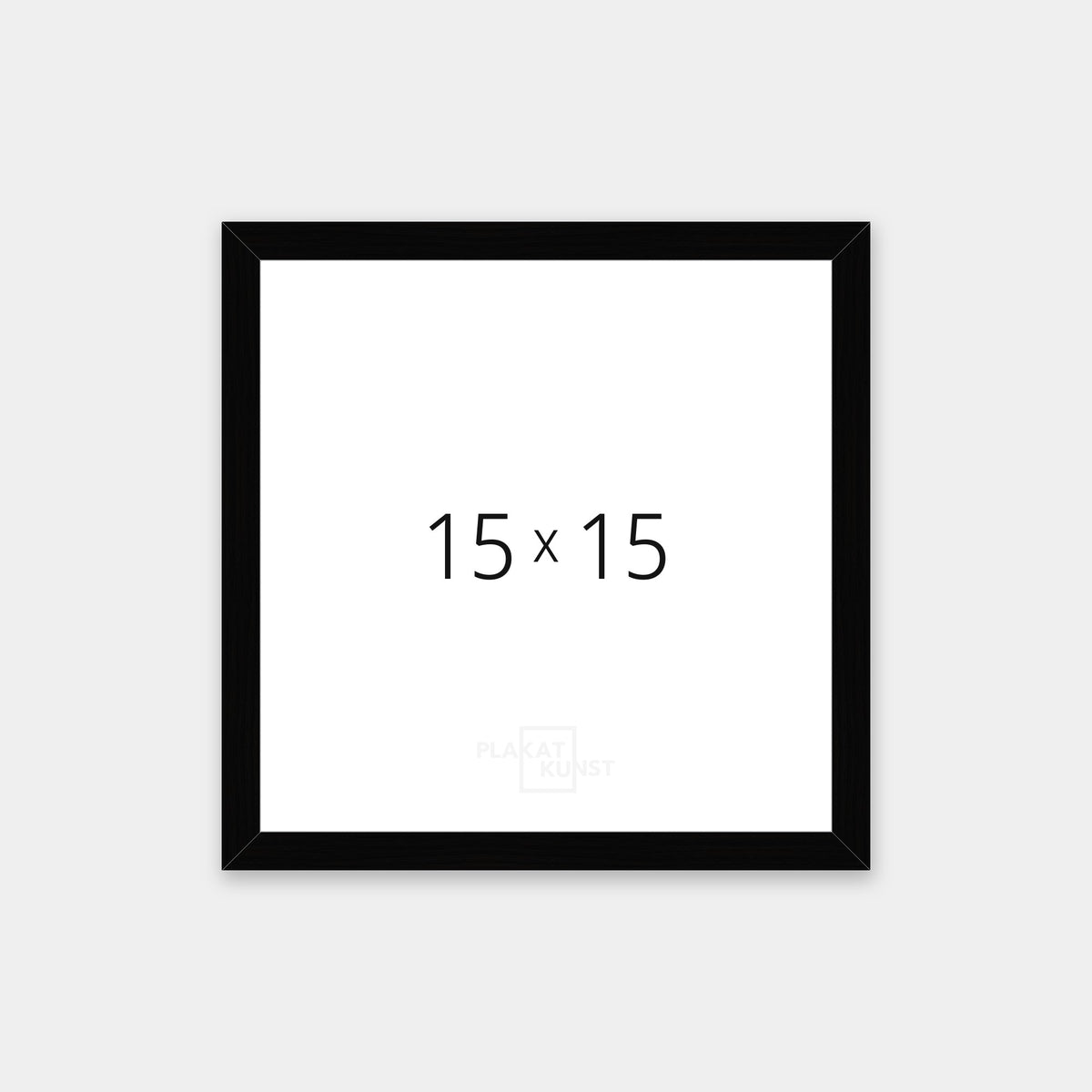
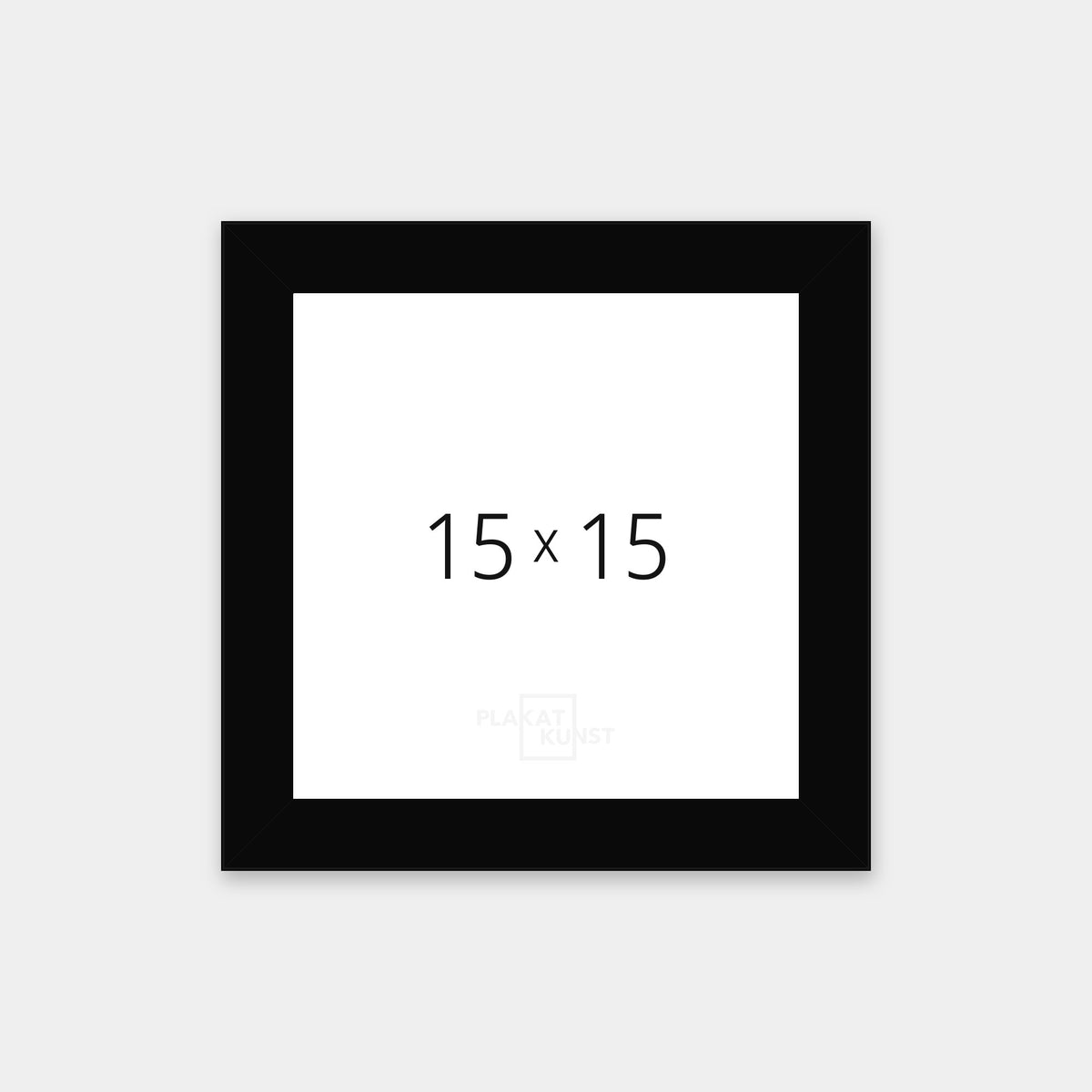
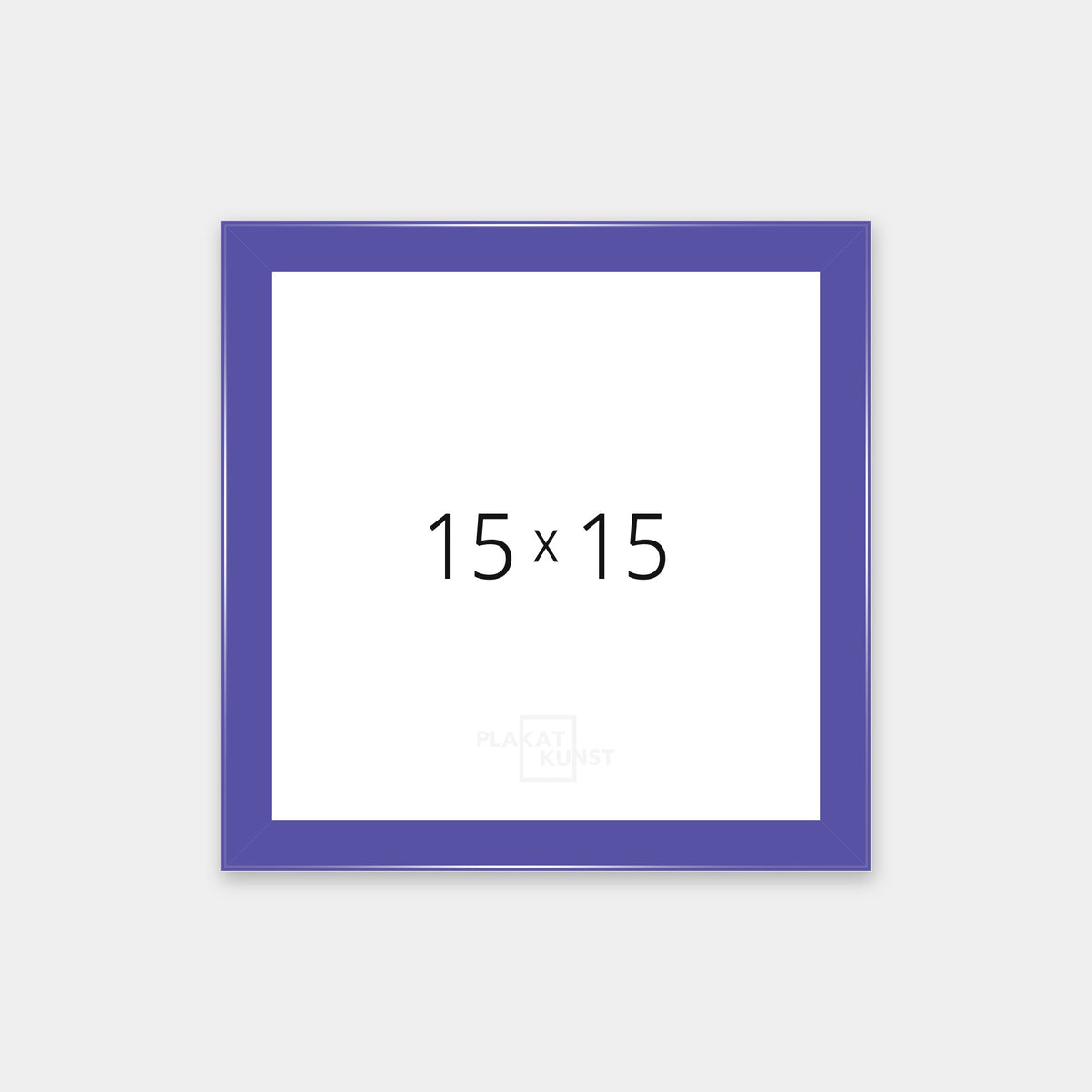
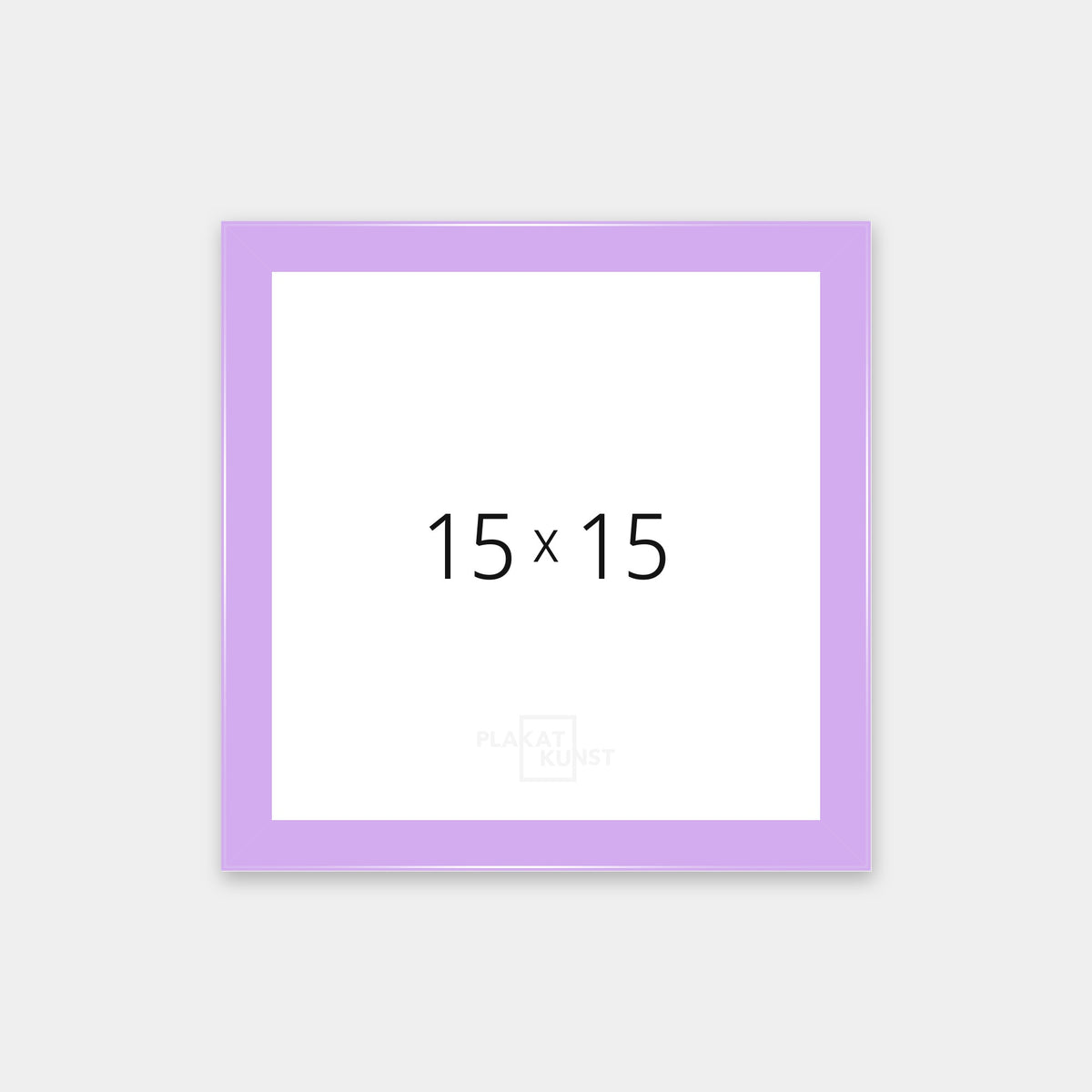
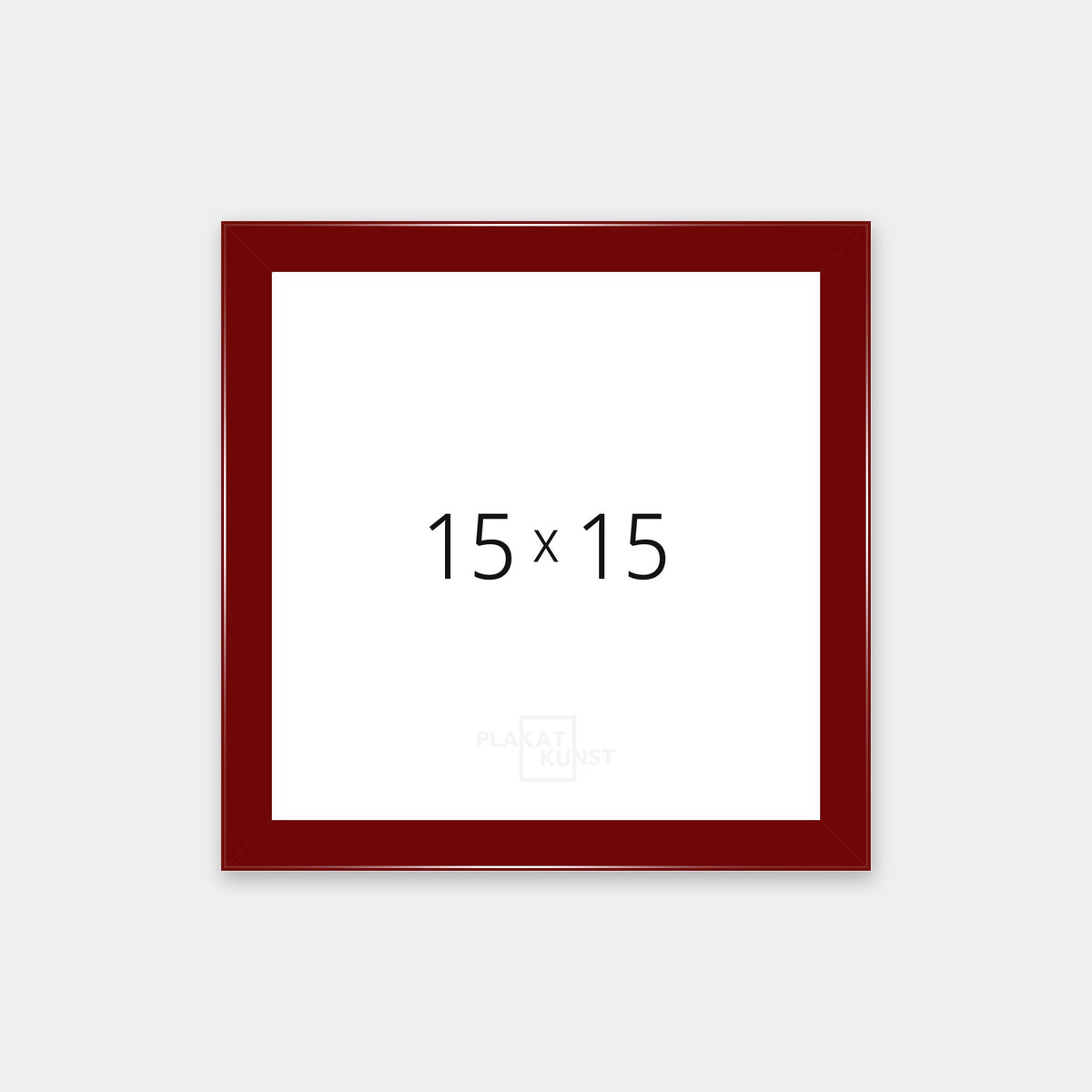
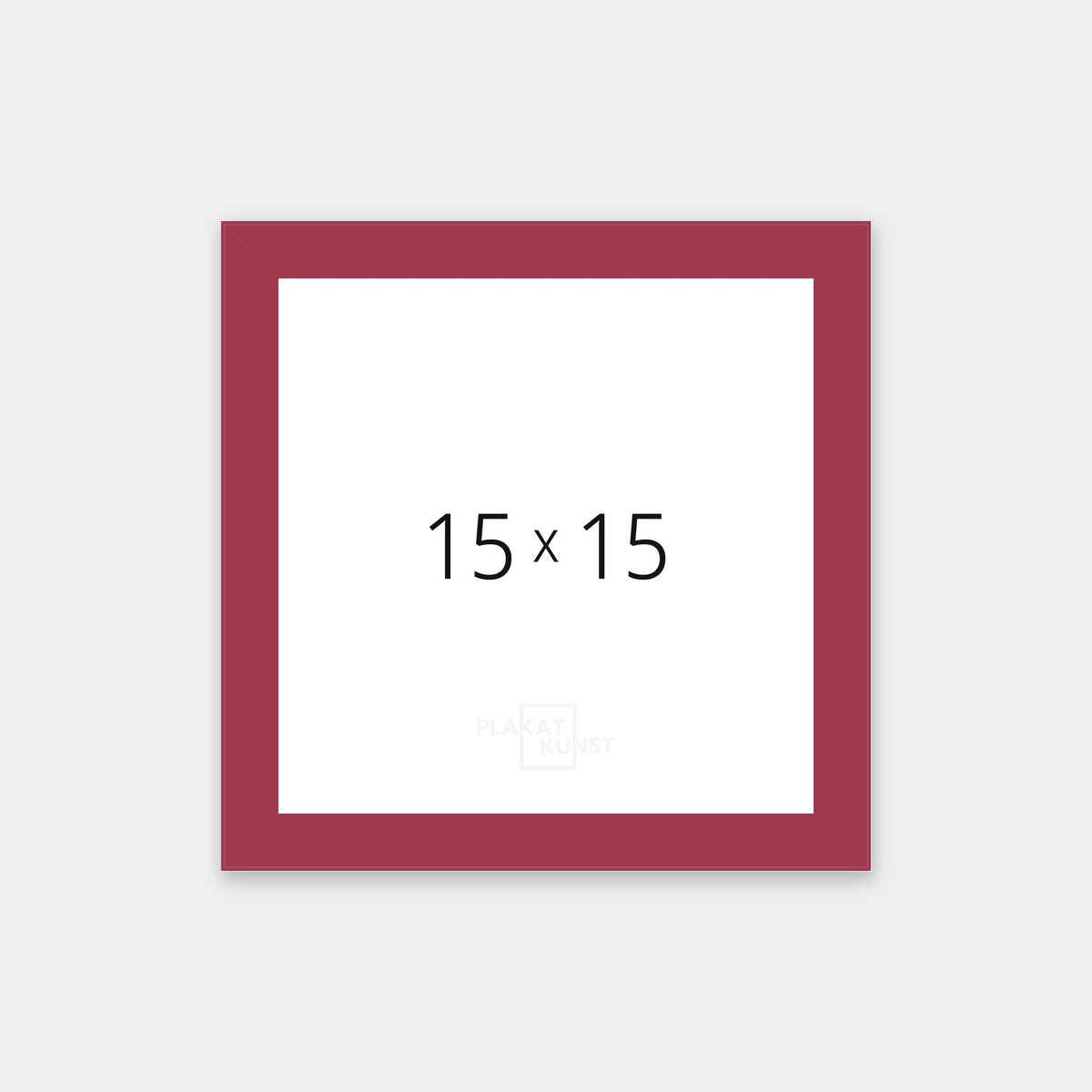
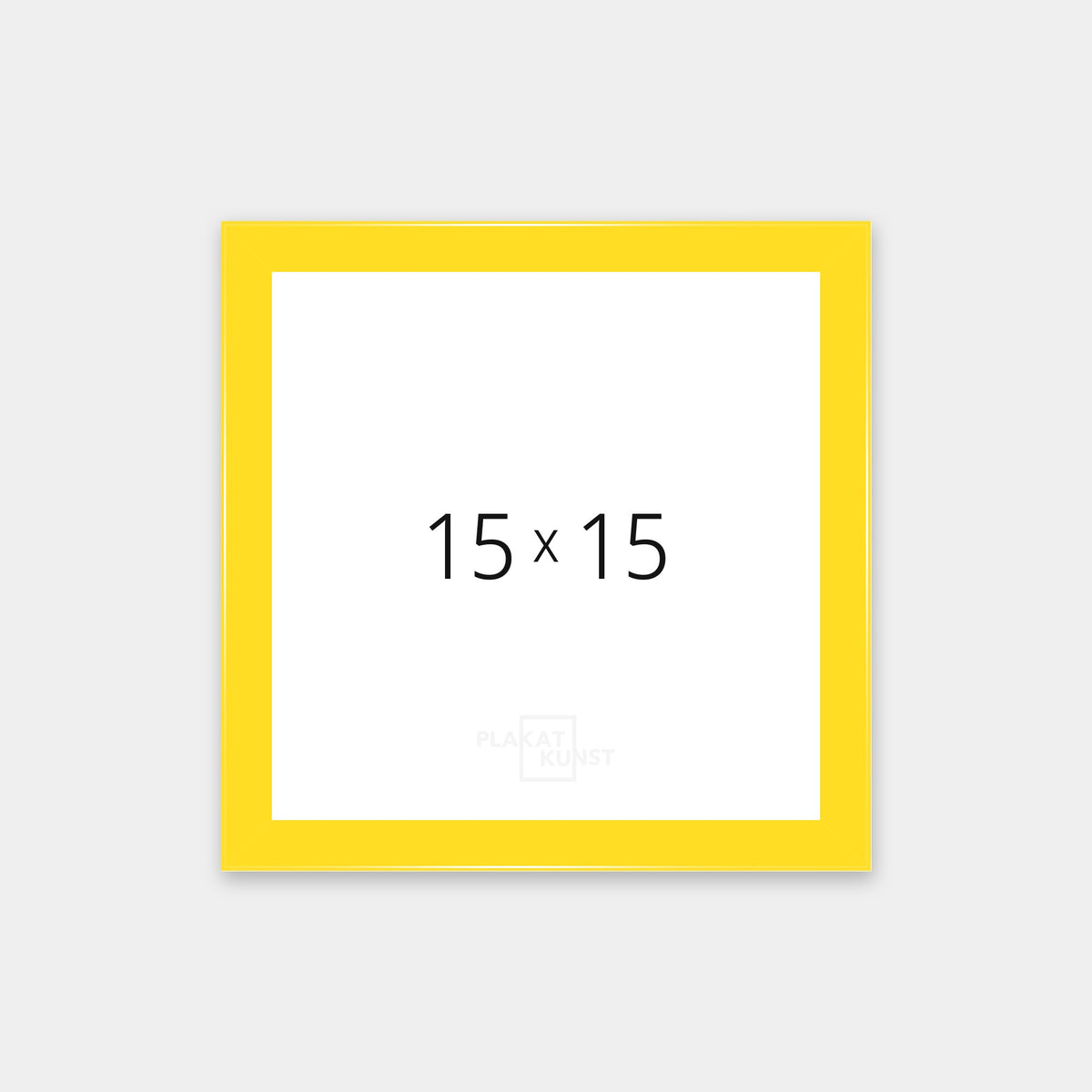
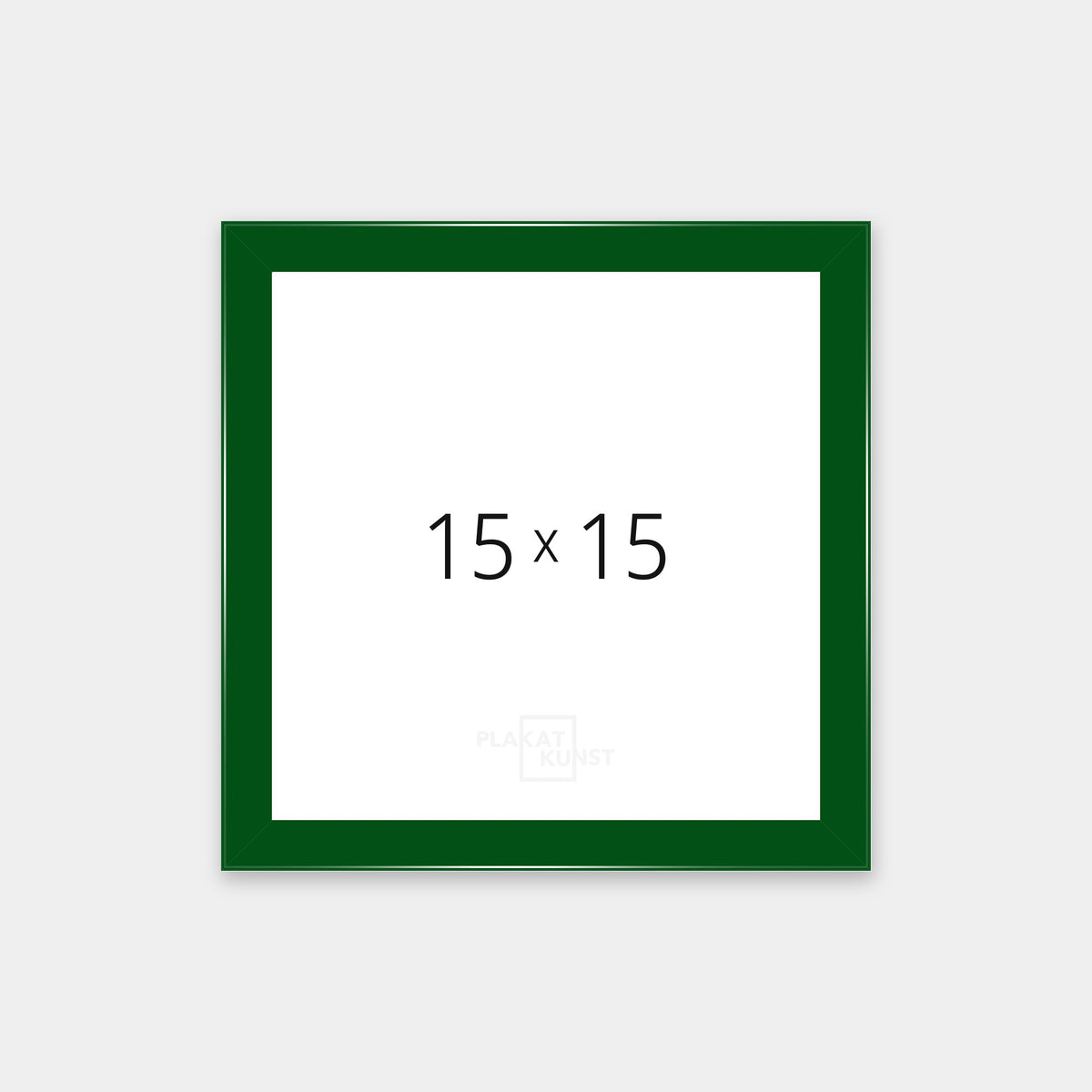
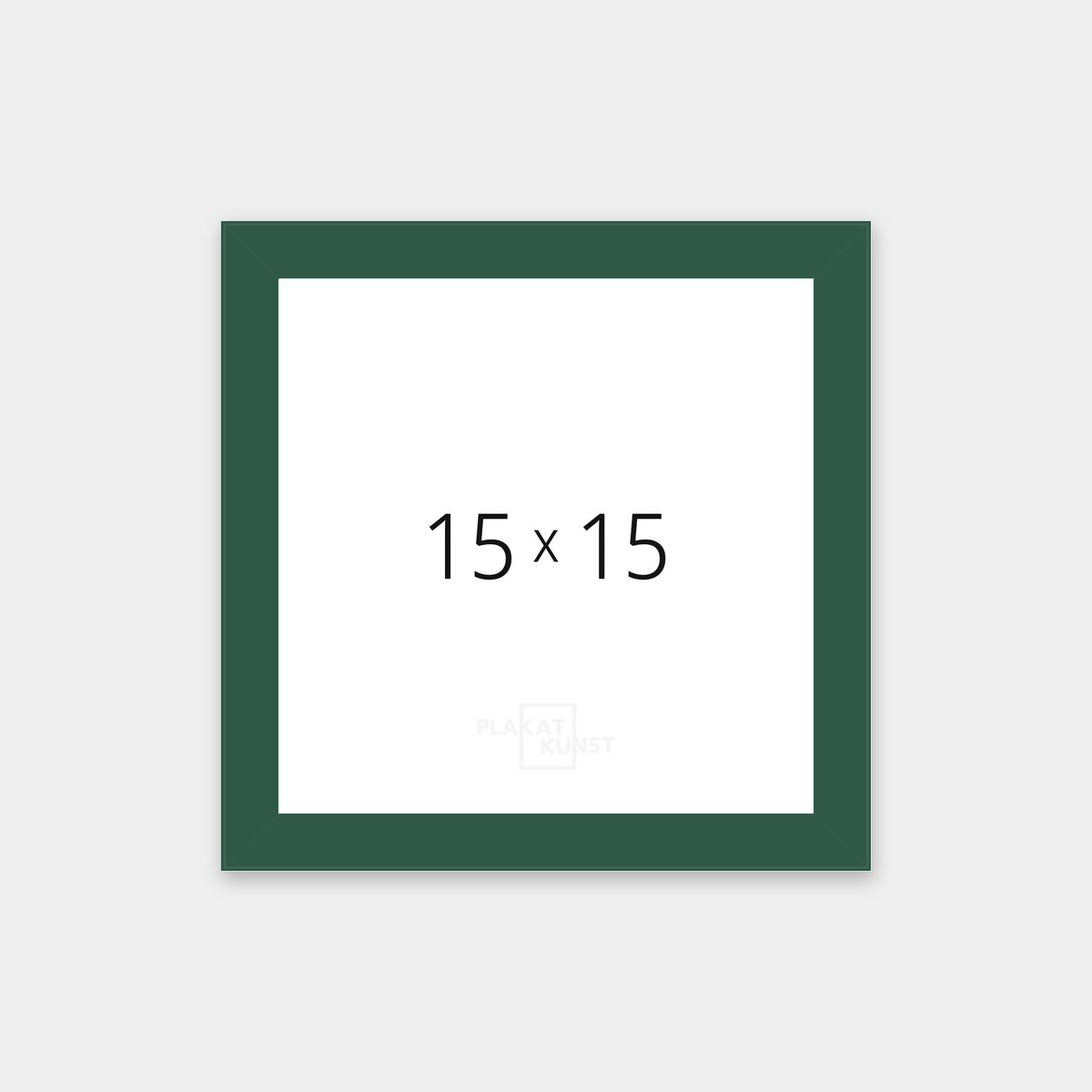
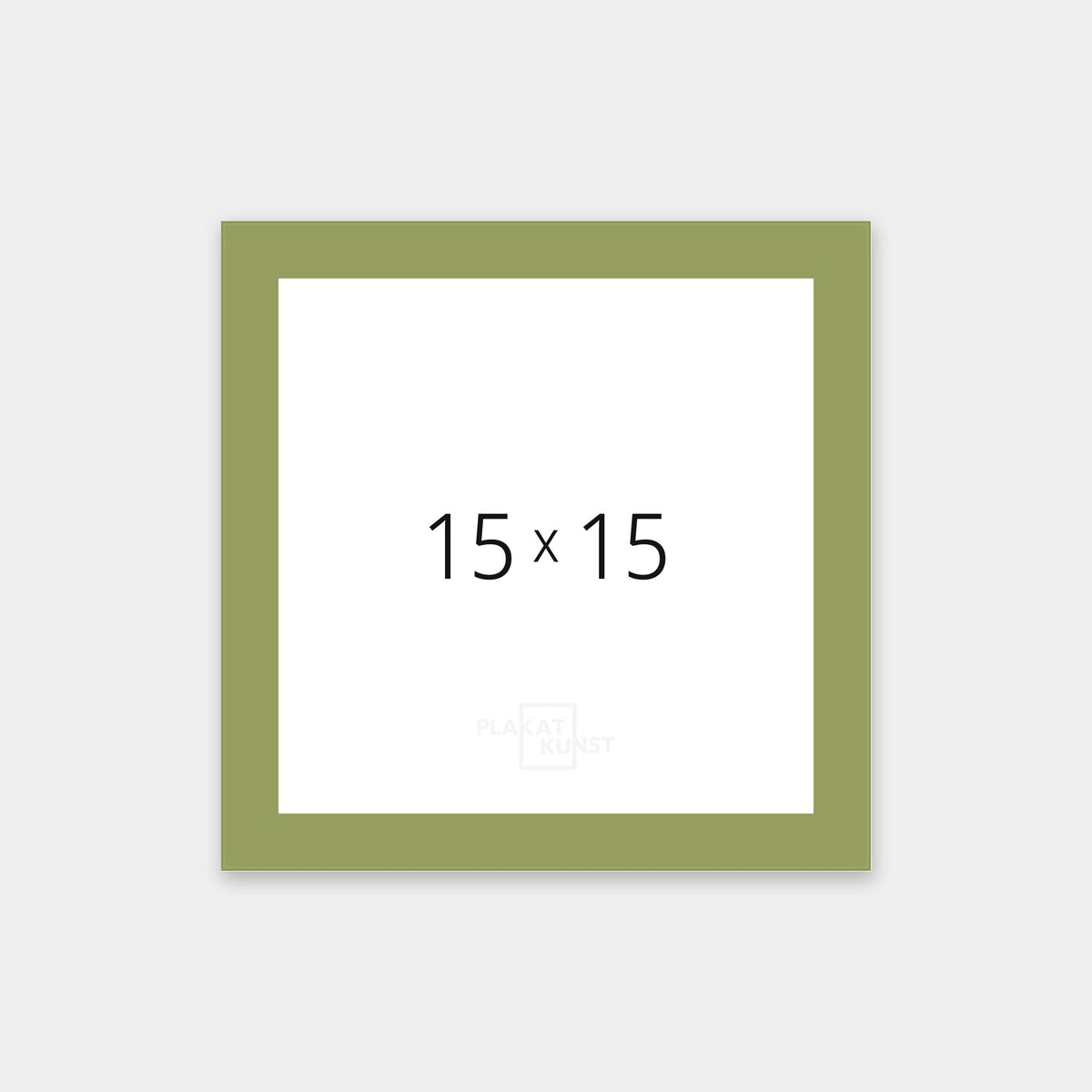
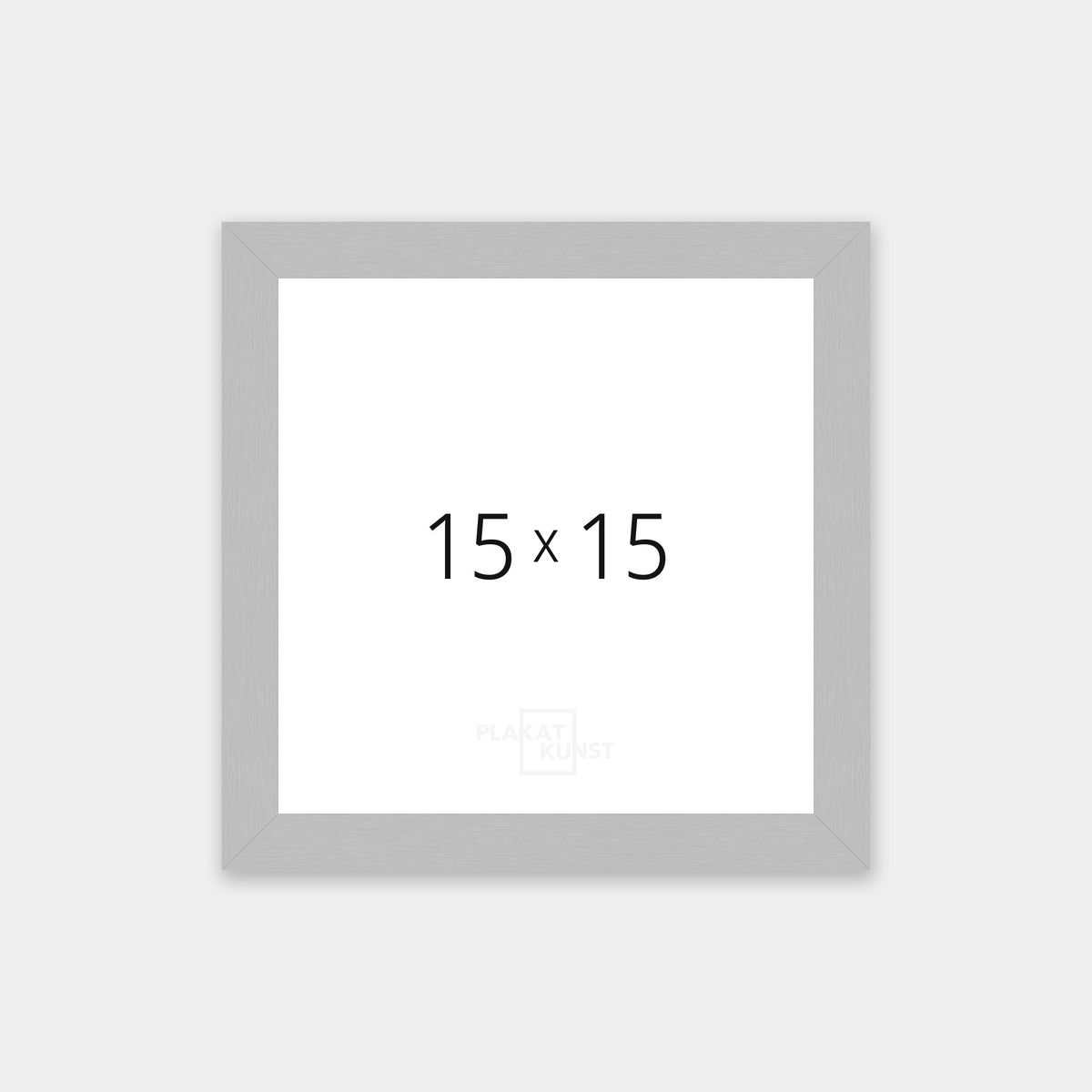
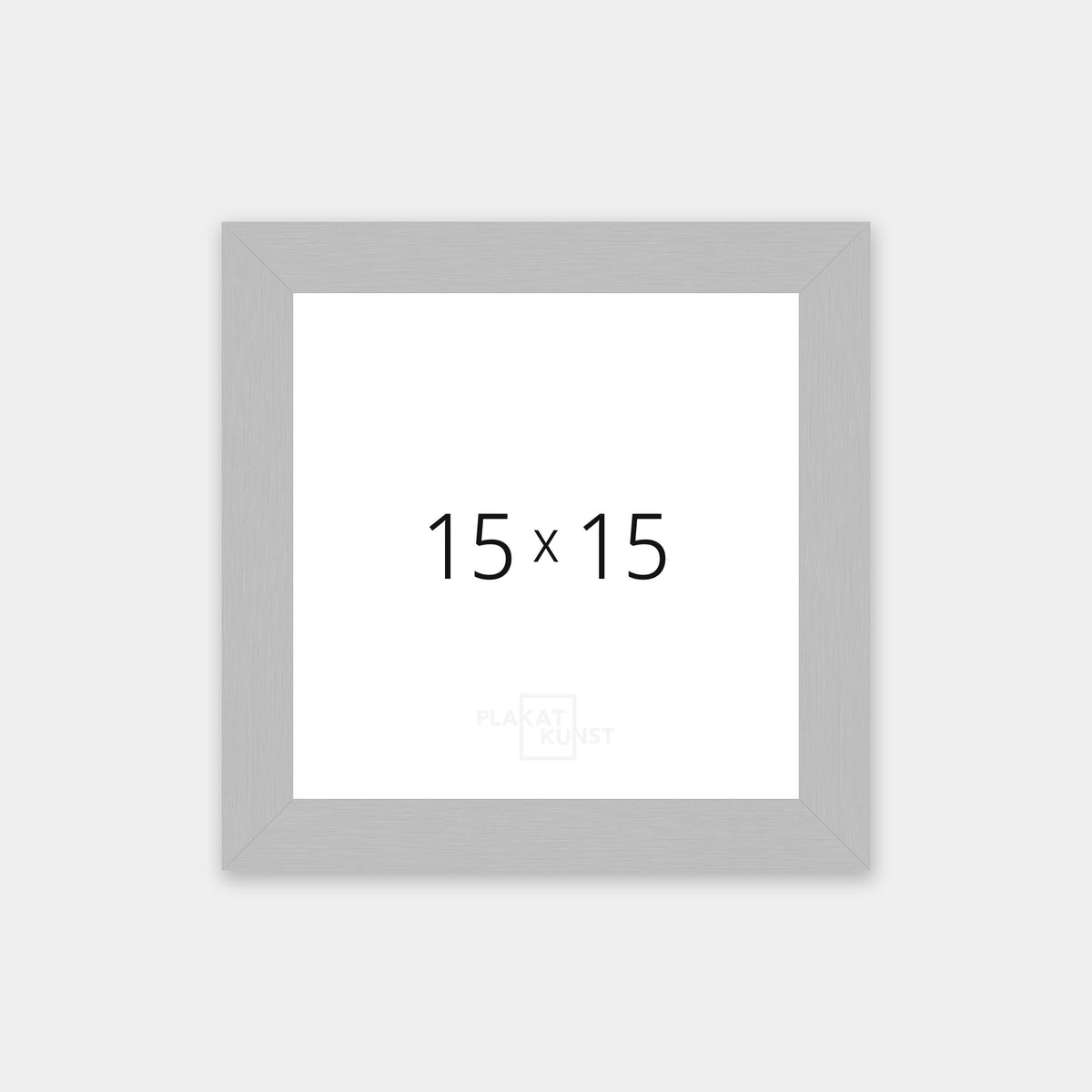
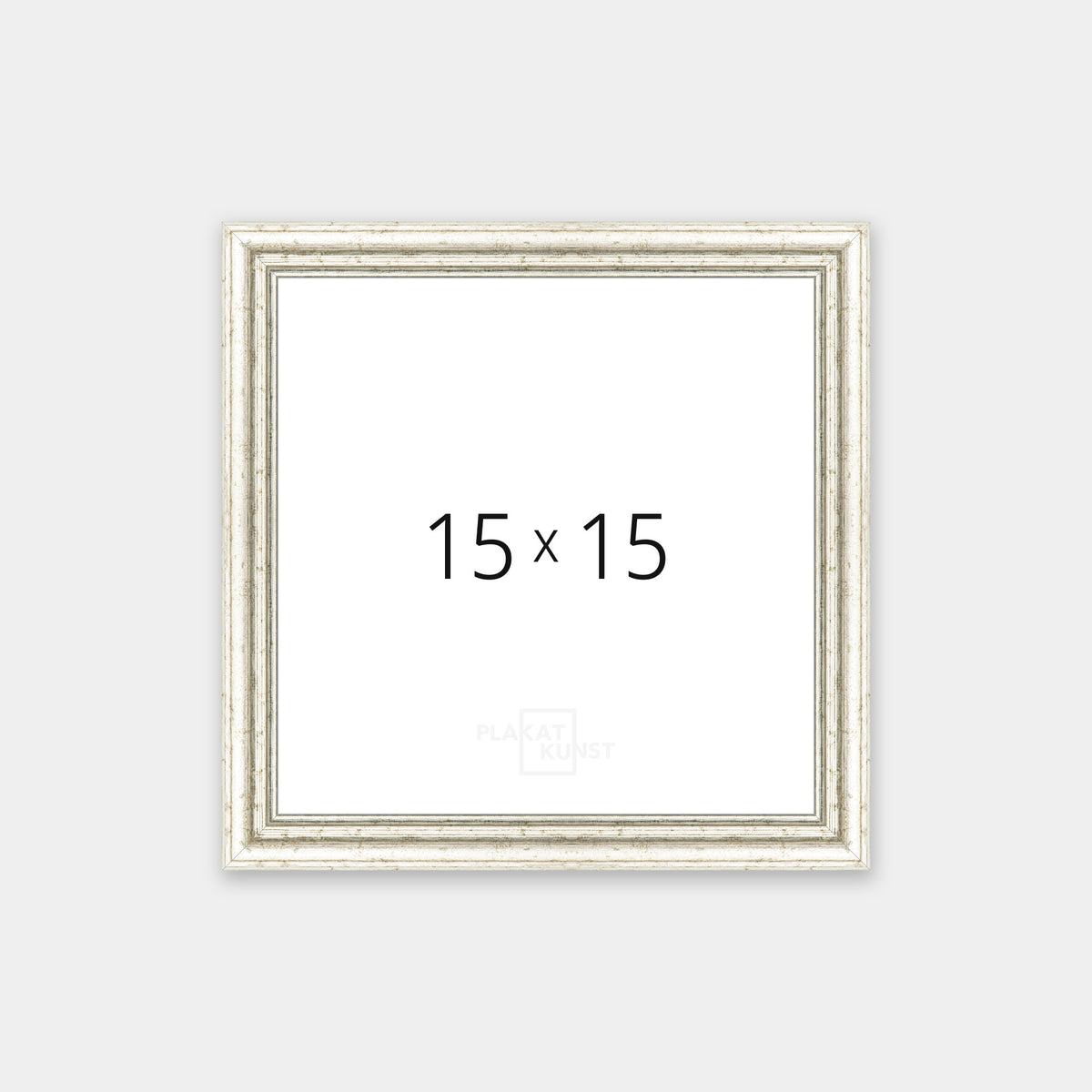
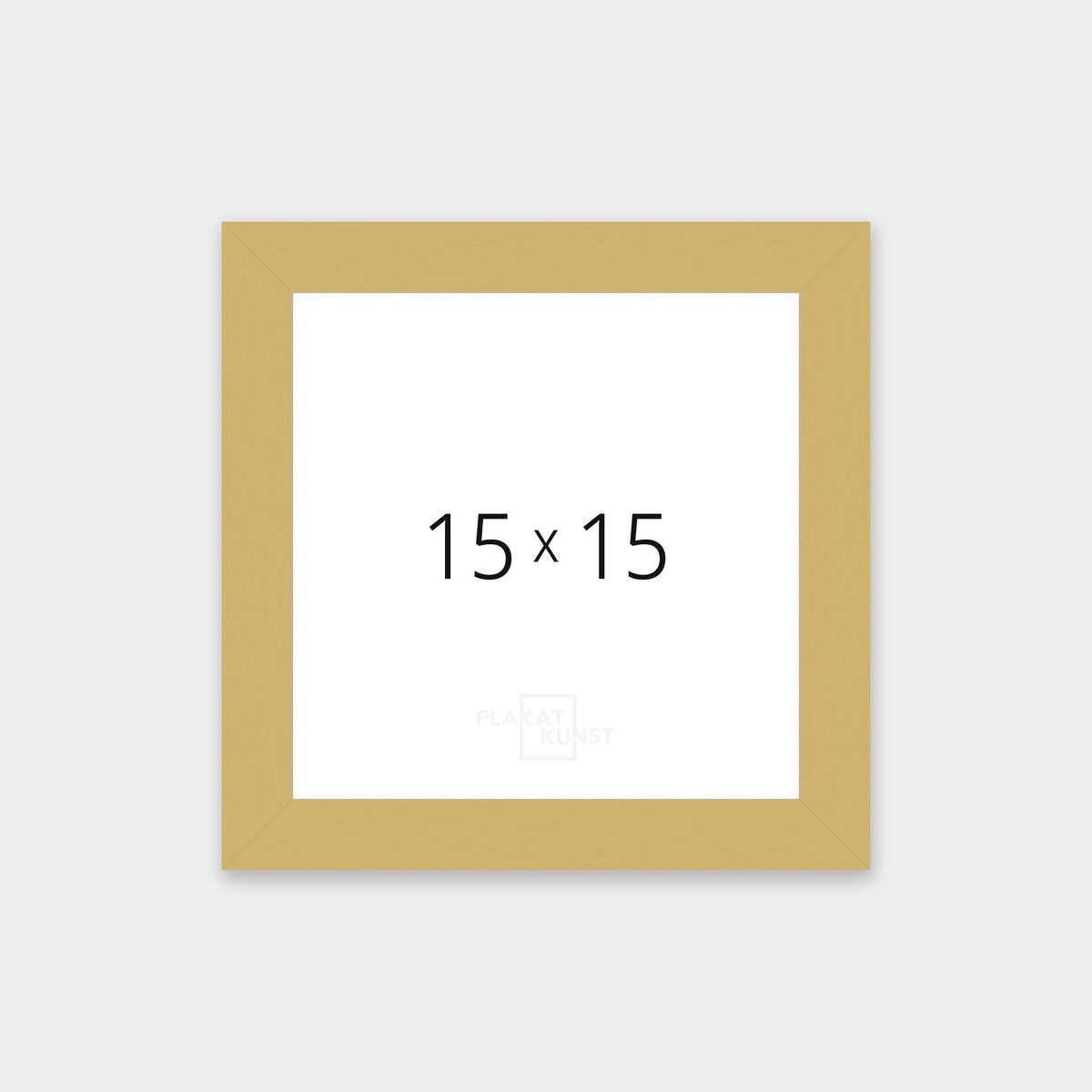
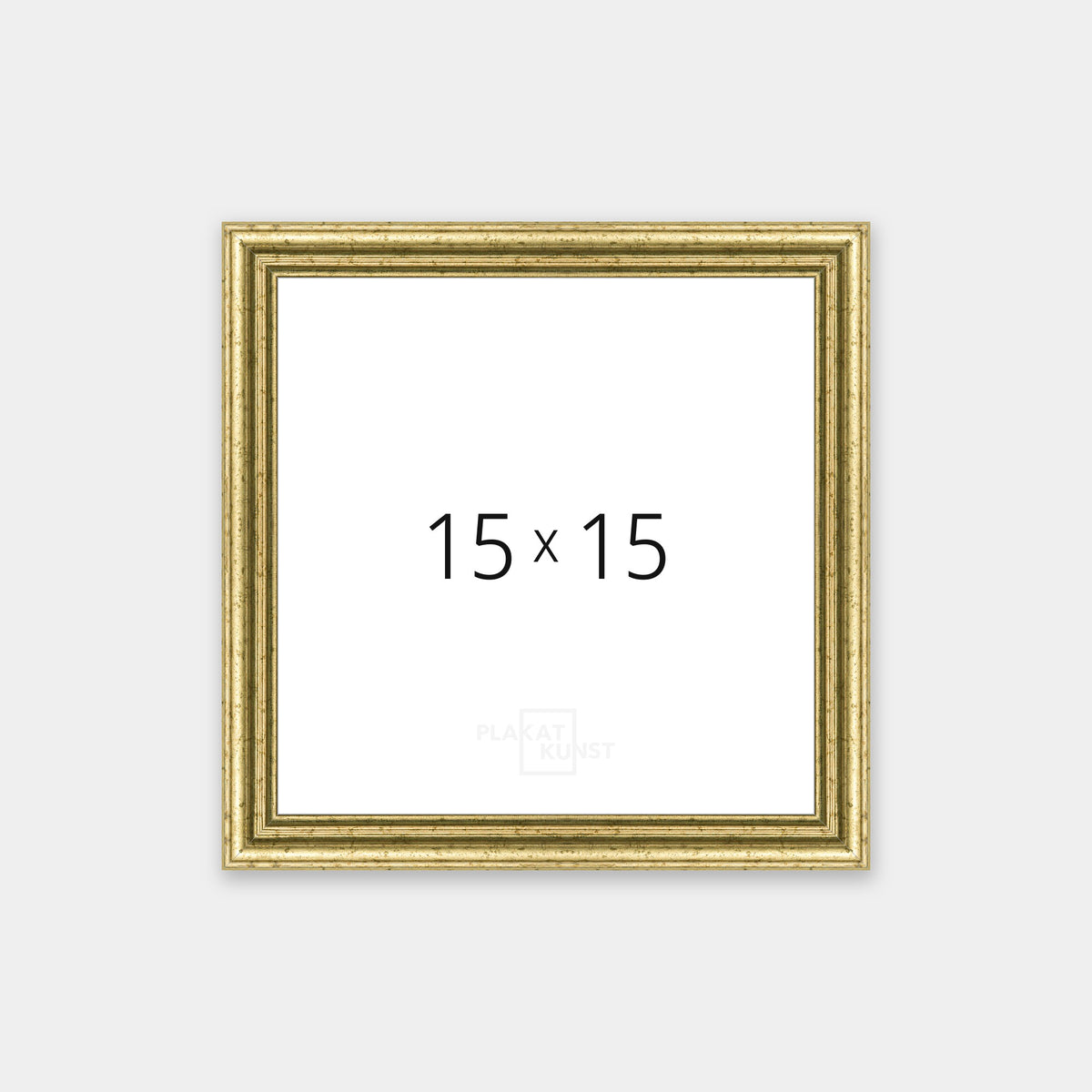
A square 15×15 cm image has a natural sense of calm. The format offers balance and suits square prints, art cards and photos that need a little more room than the very smallest sizes can give.
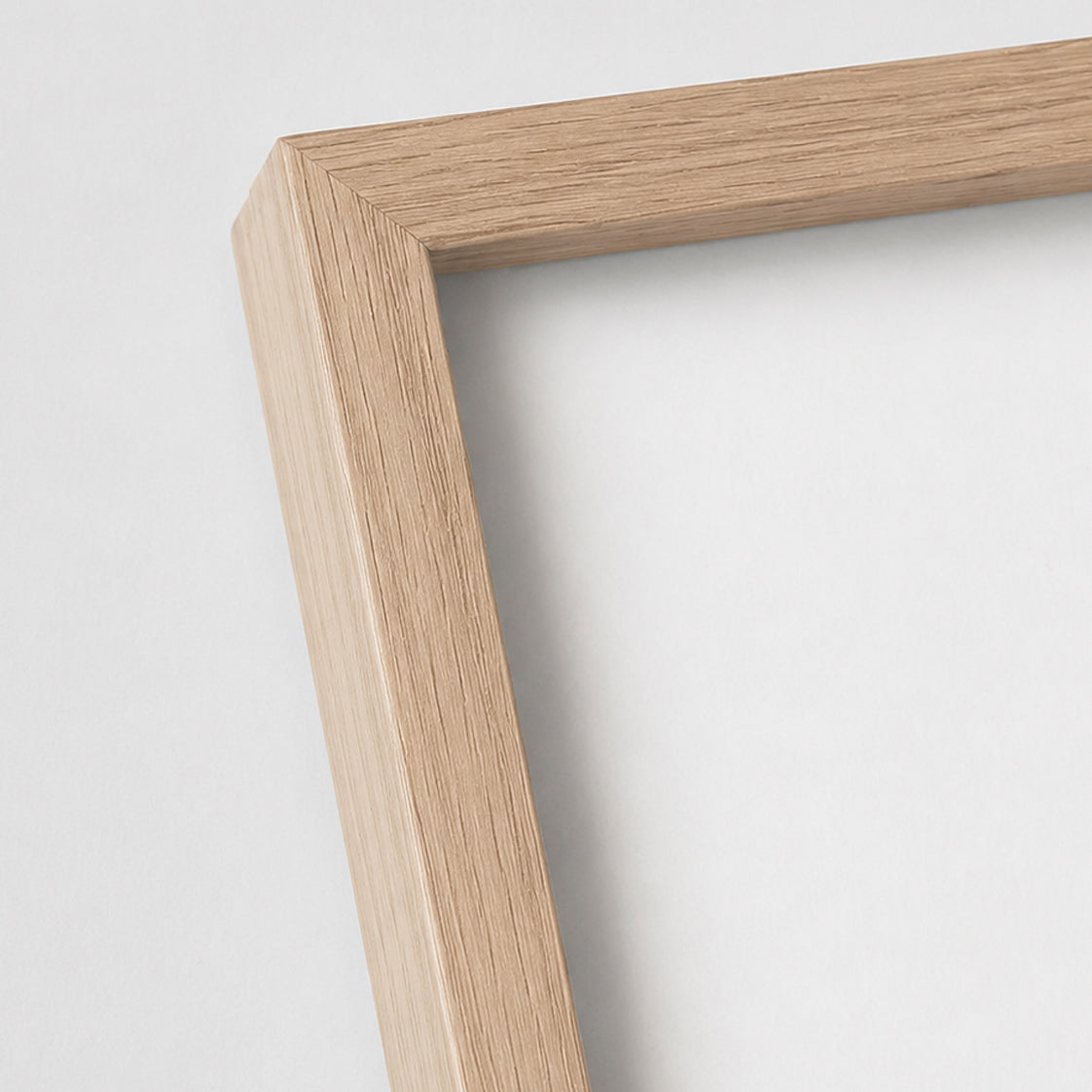
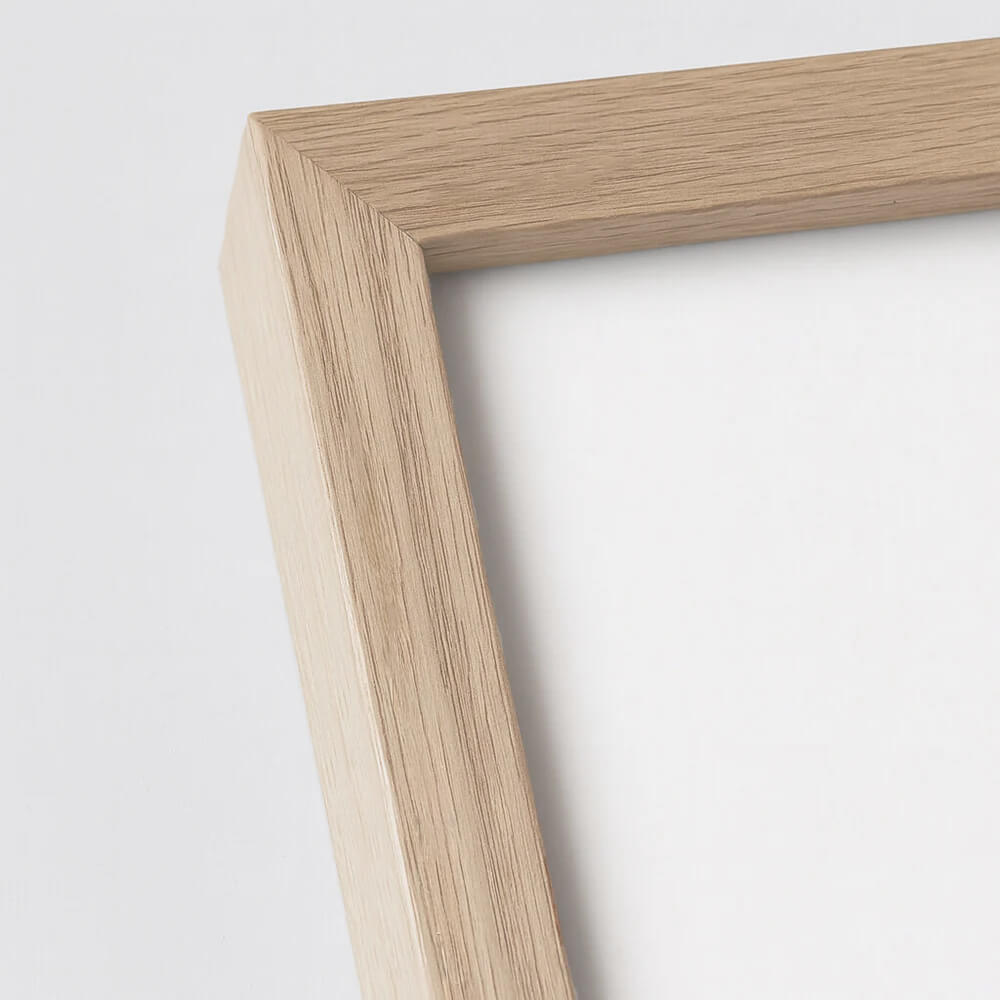
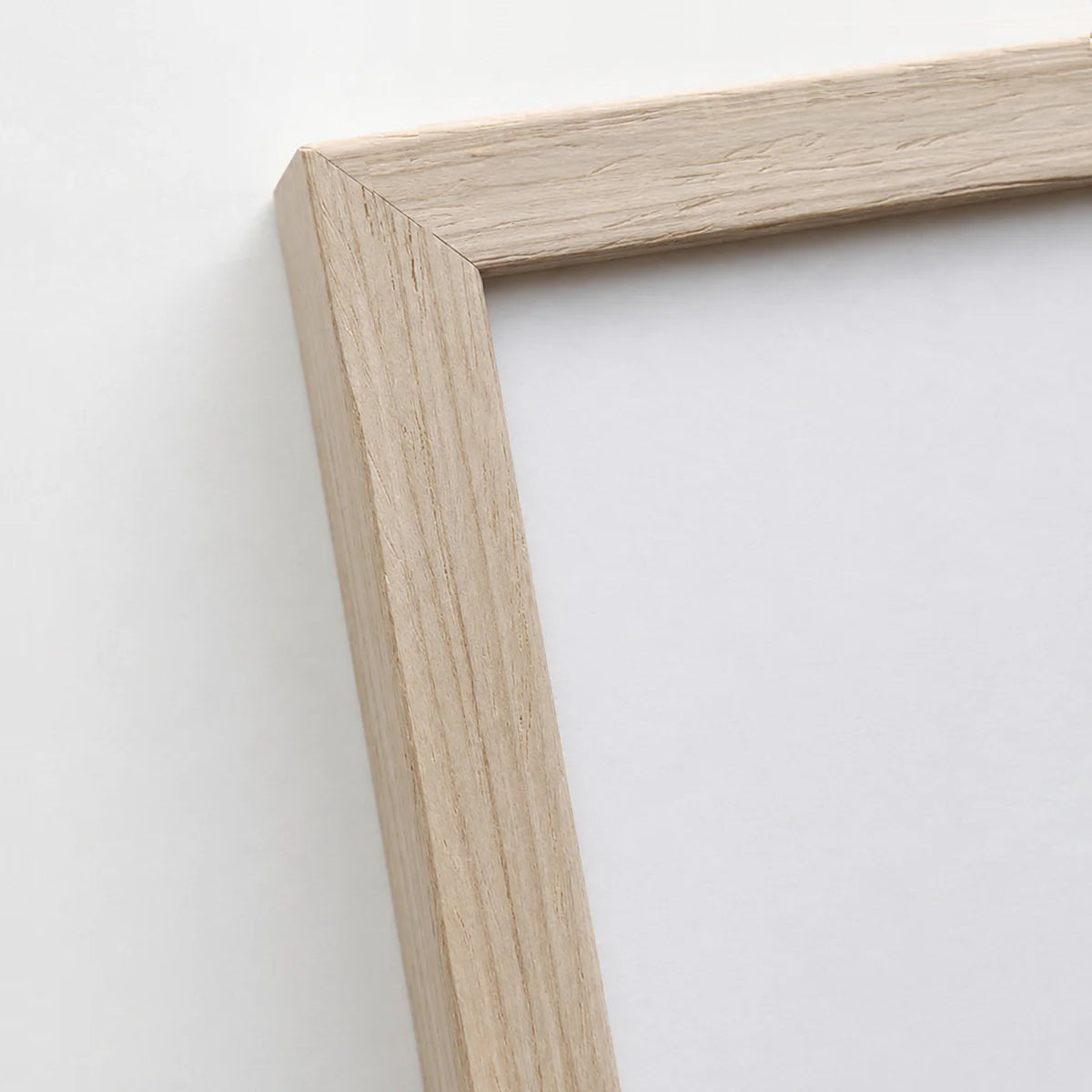
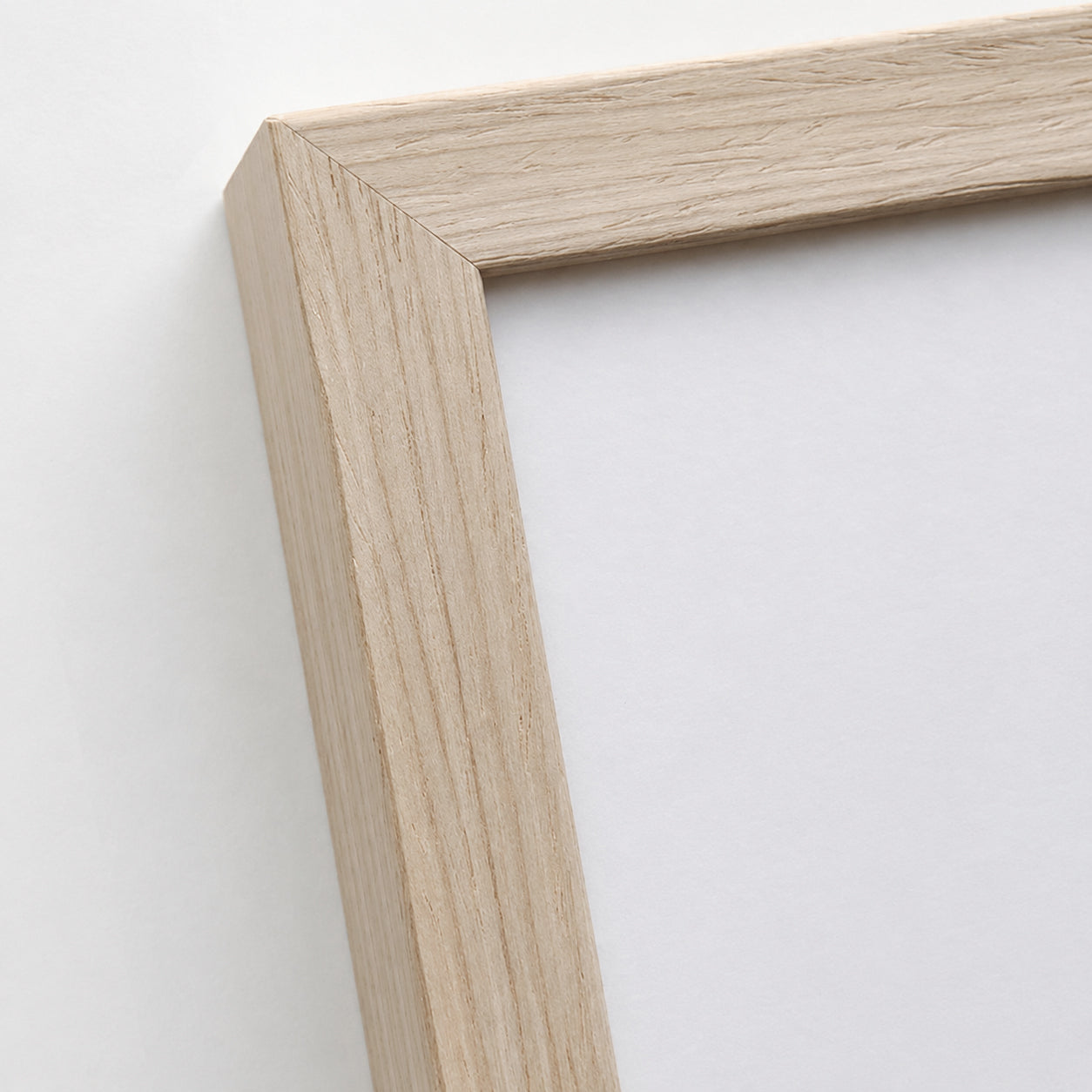
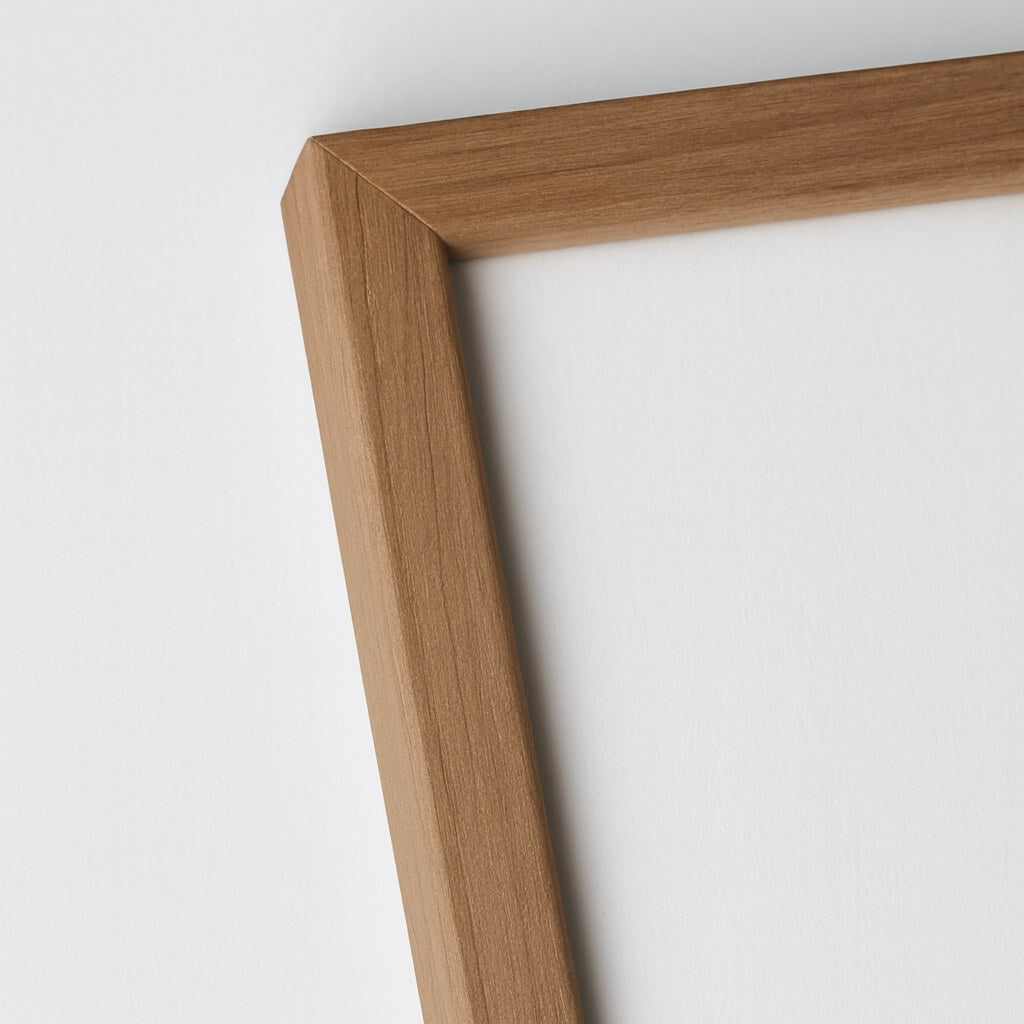
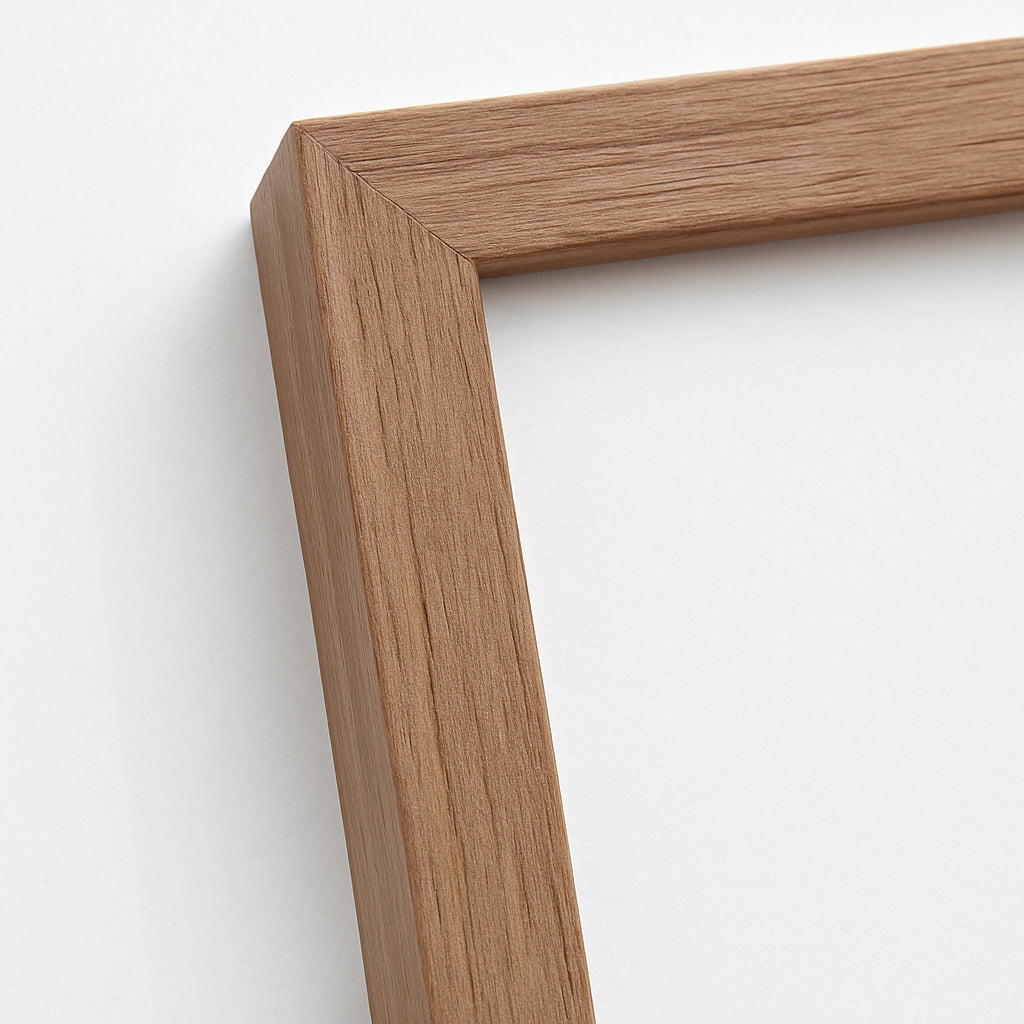
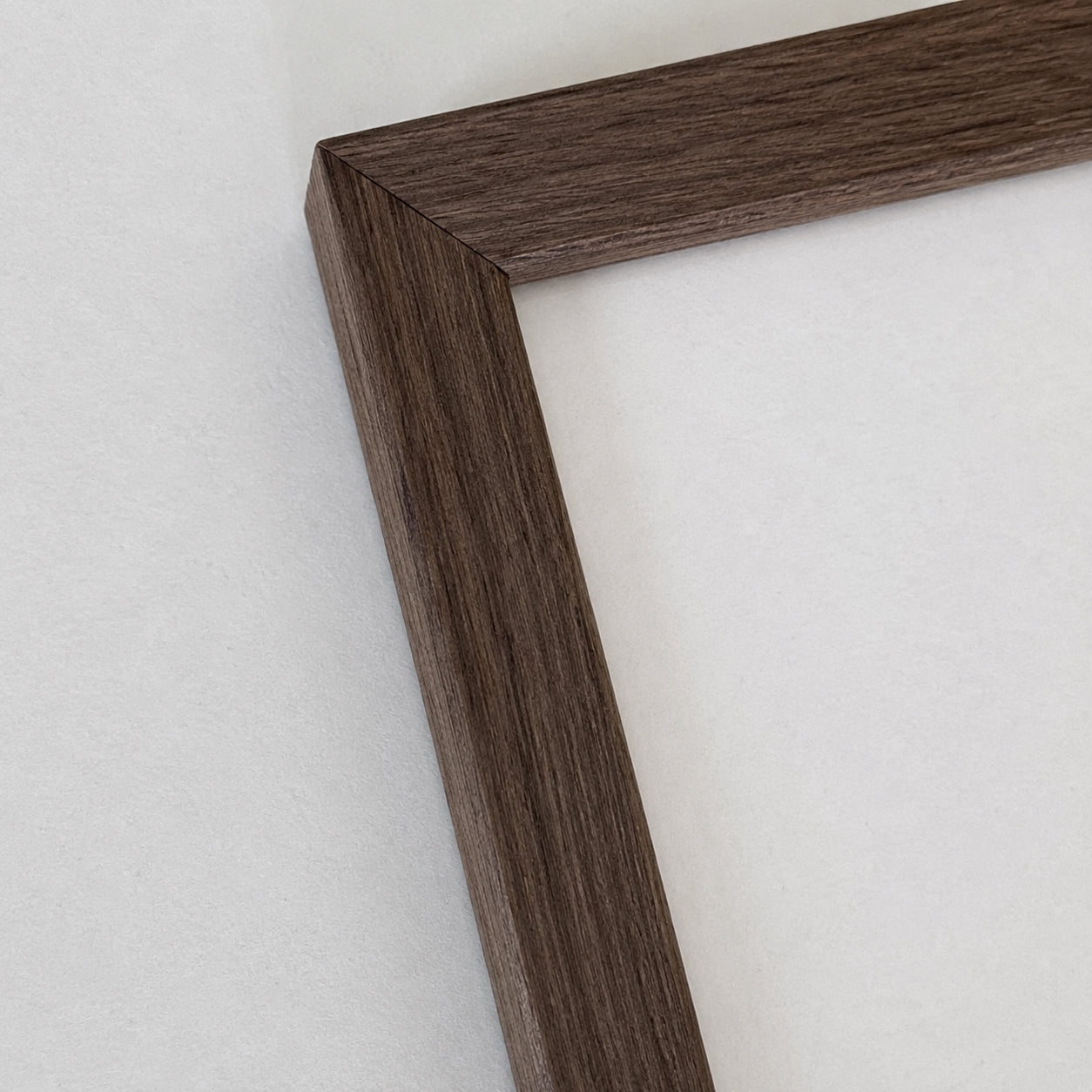
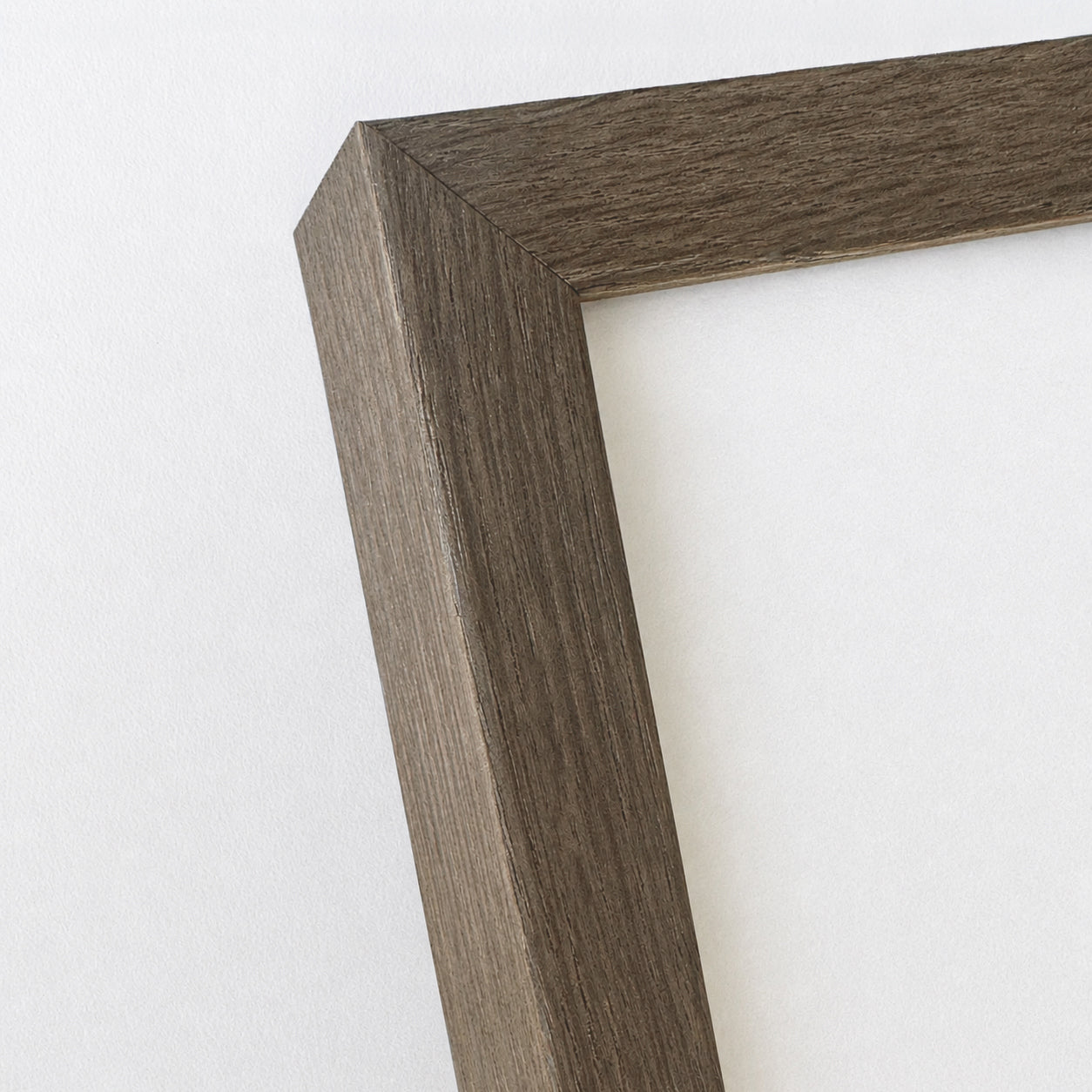
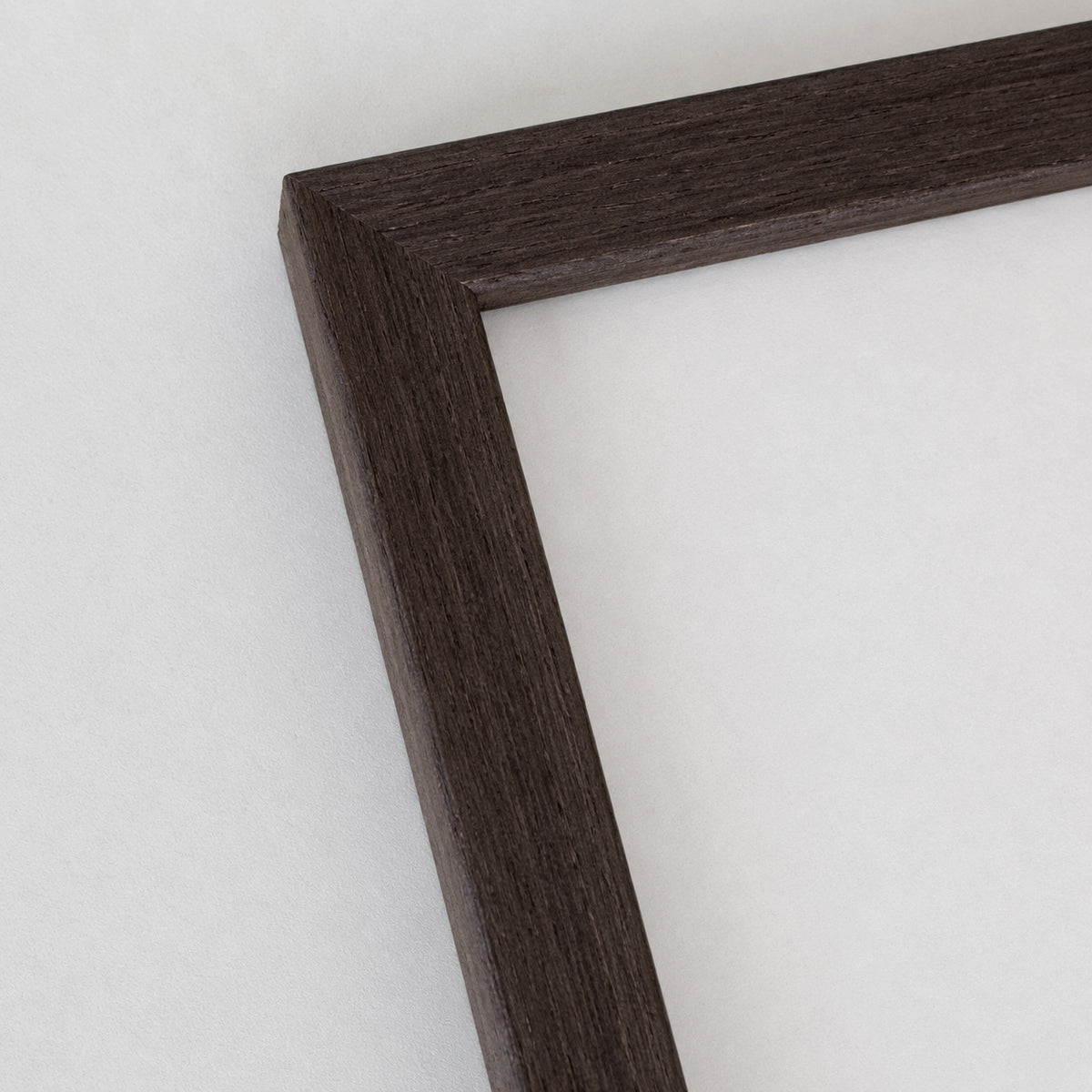
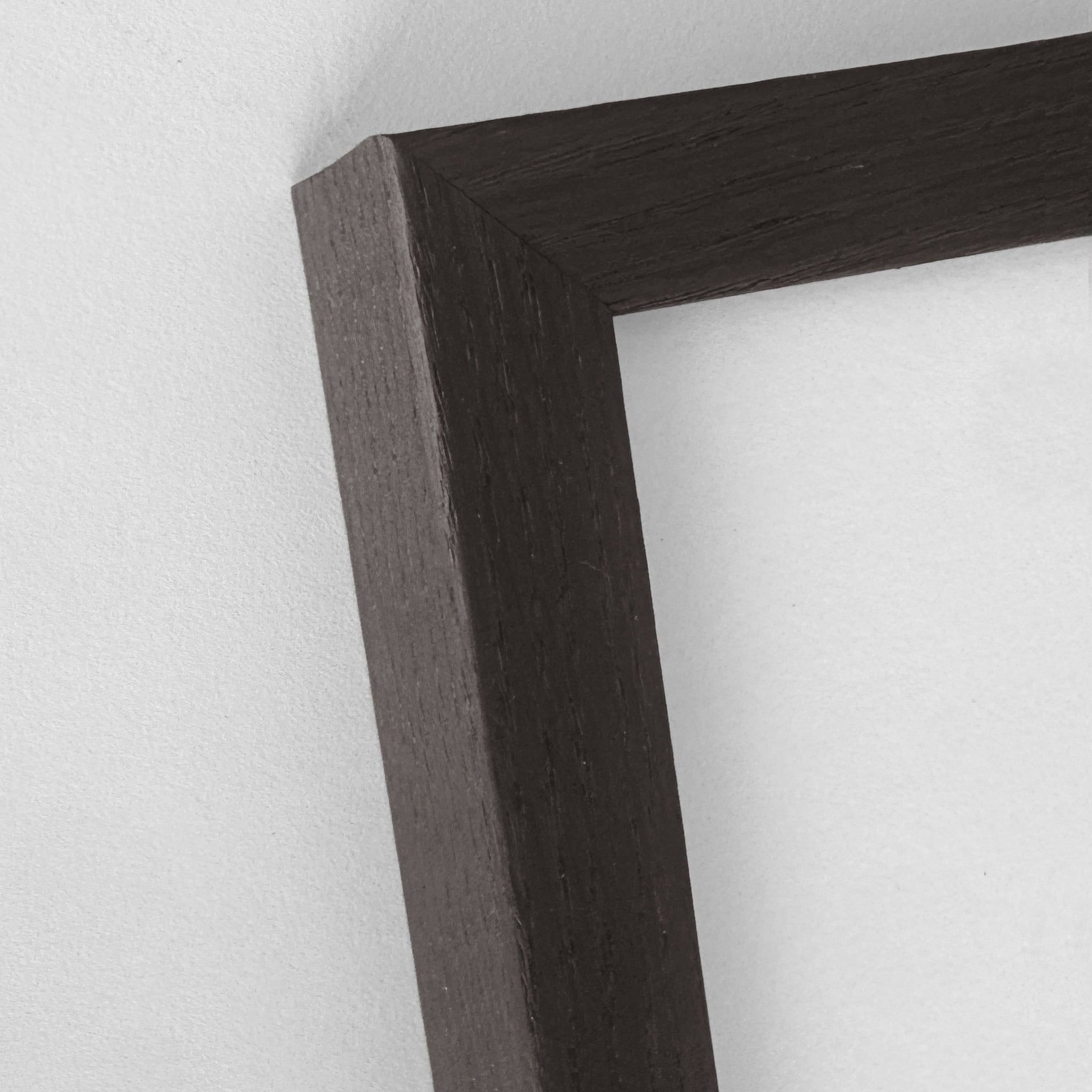
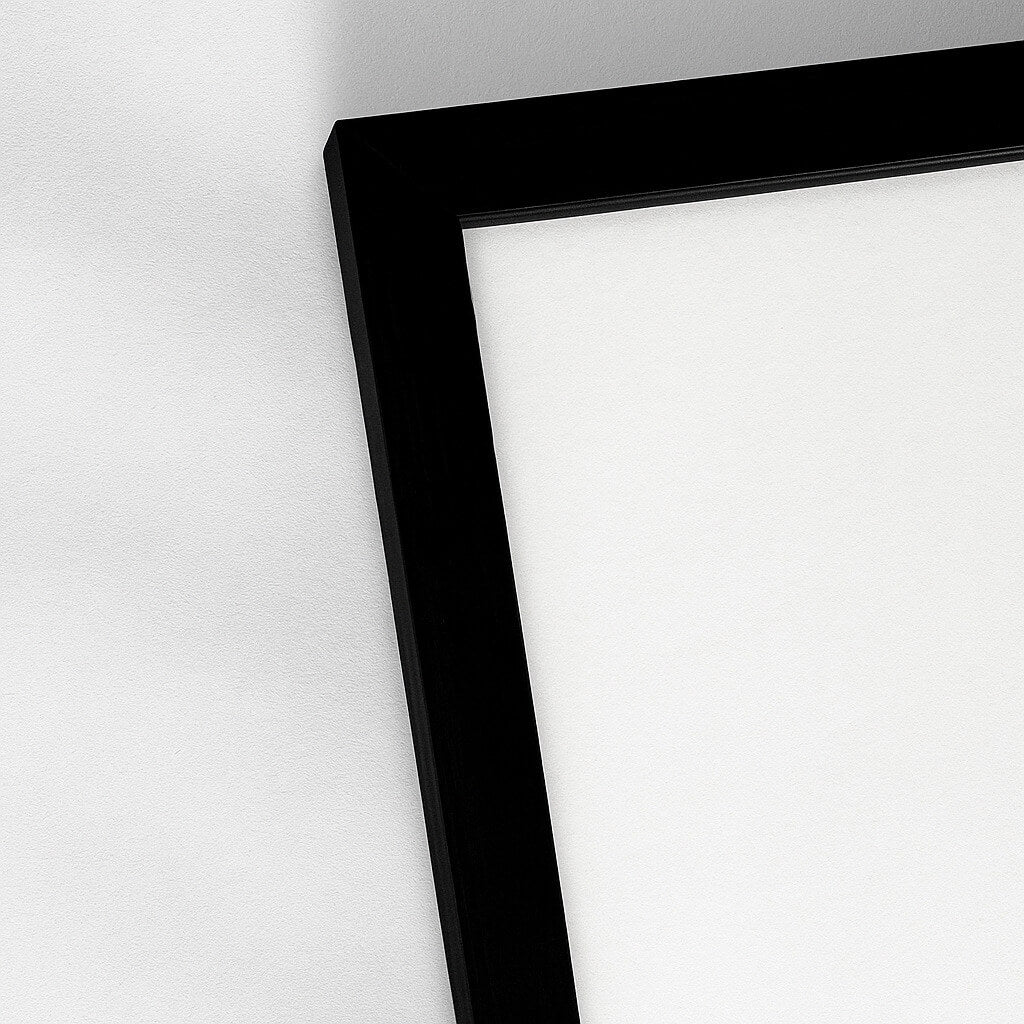
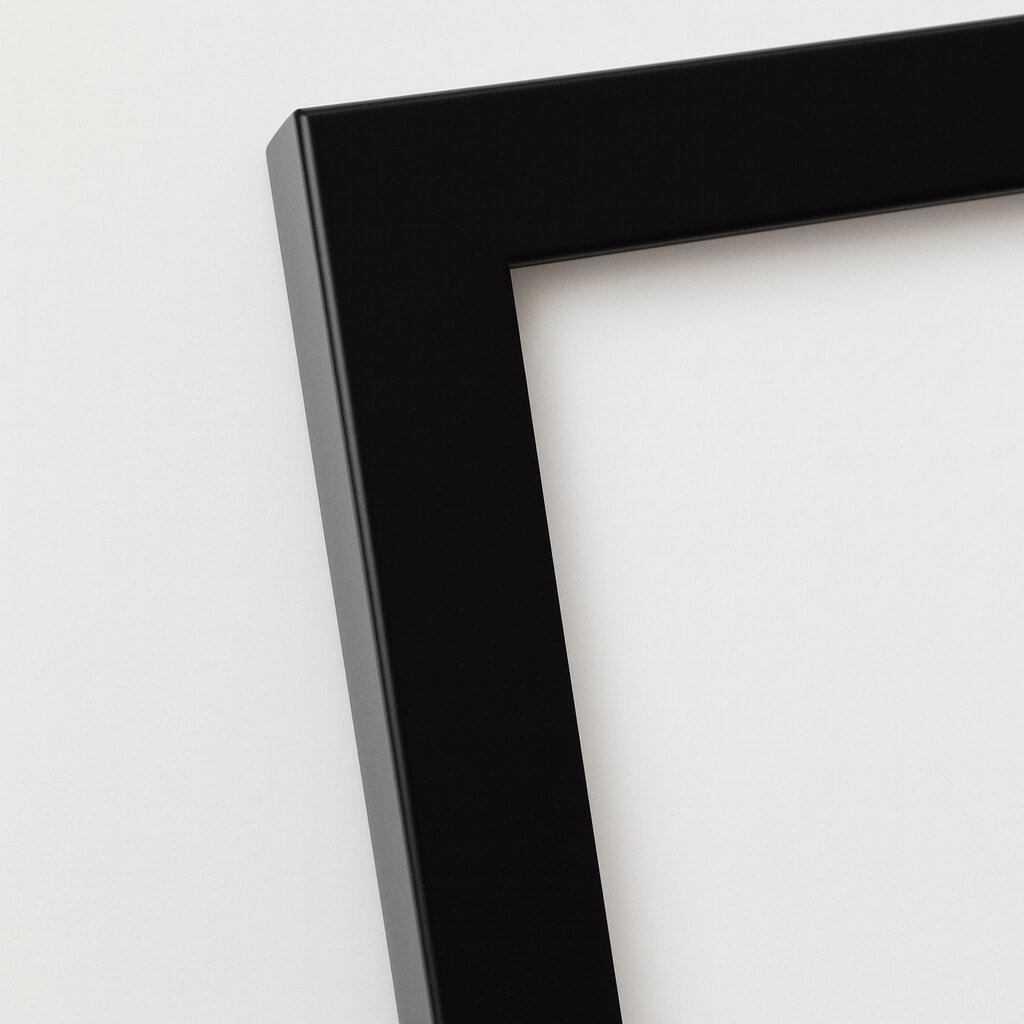
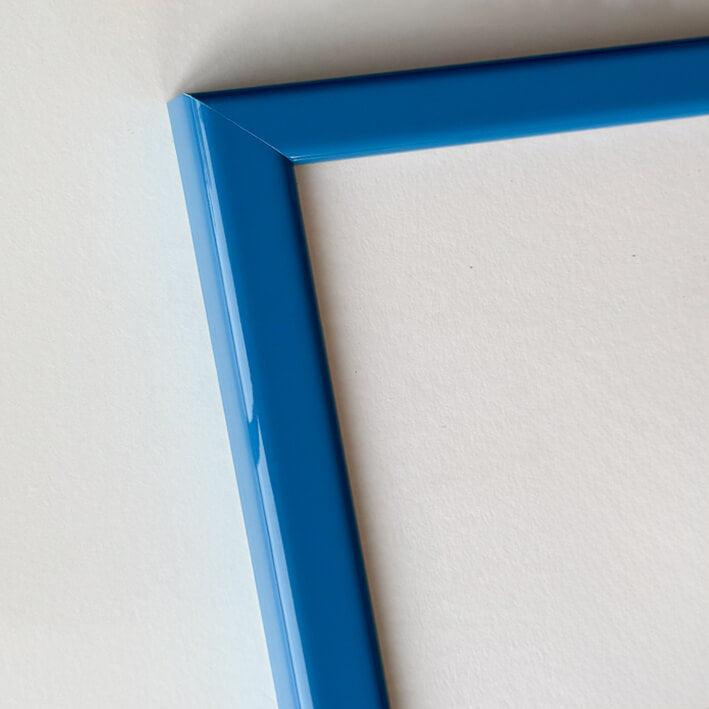
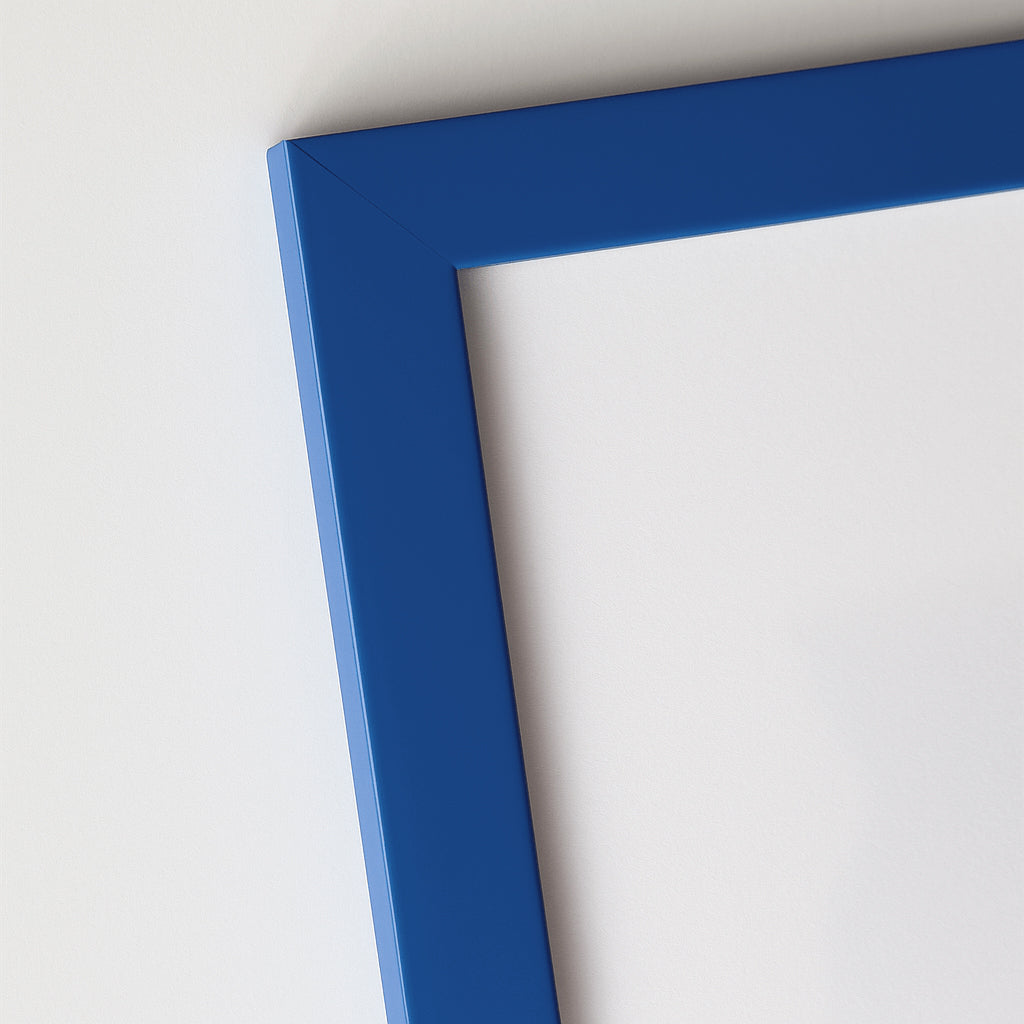
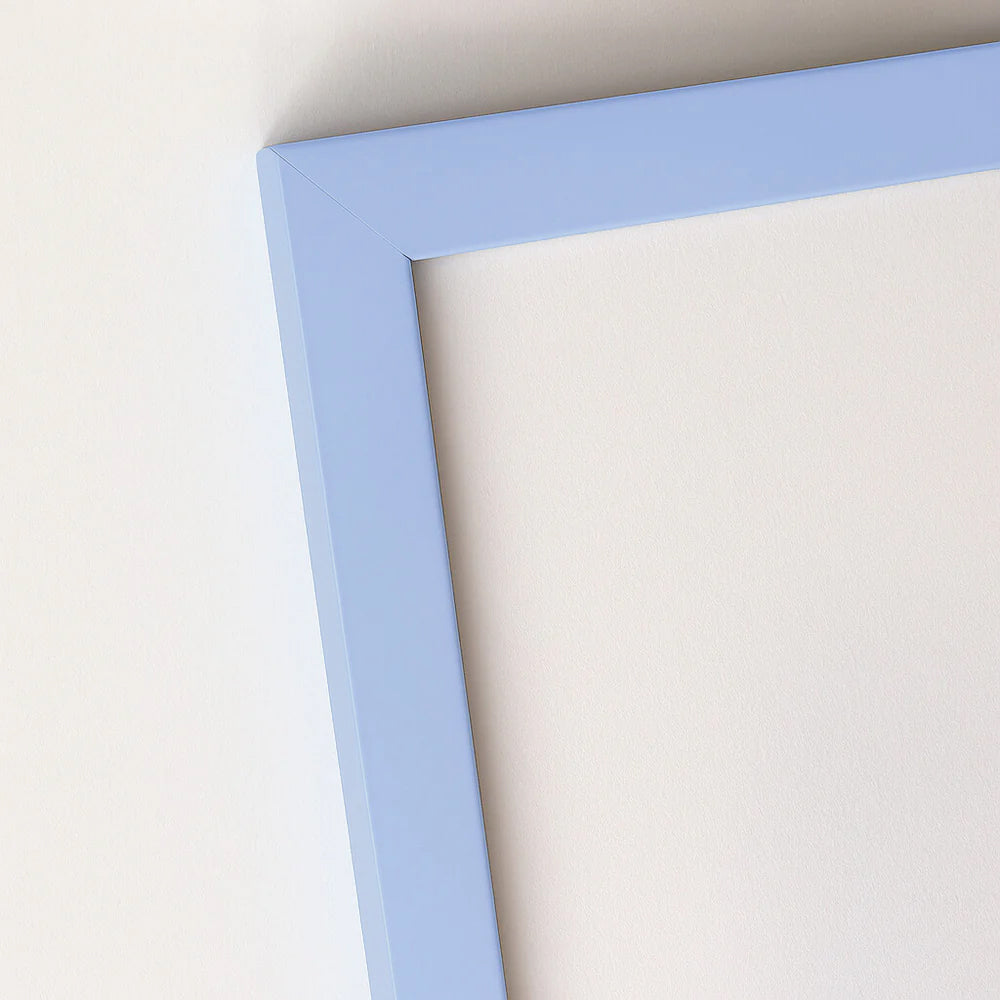
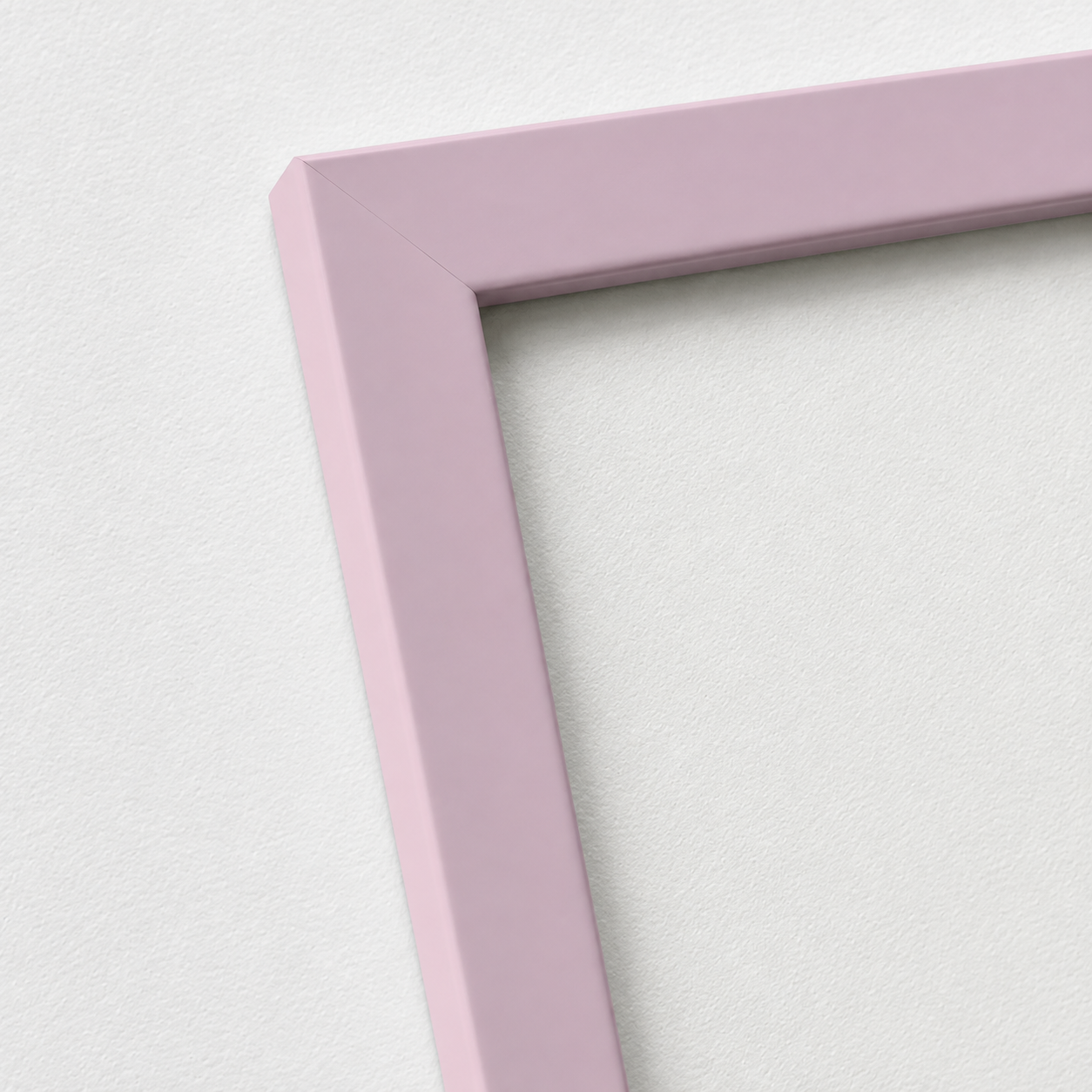
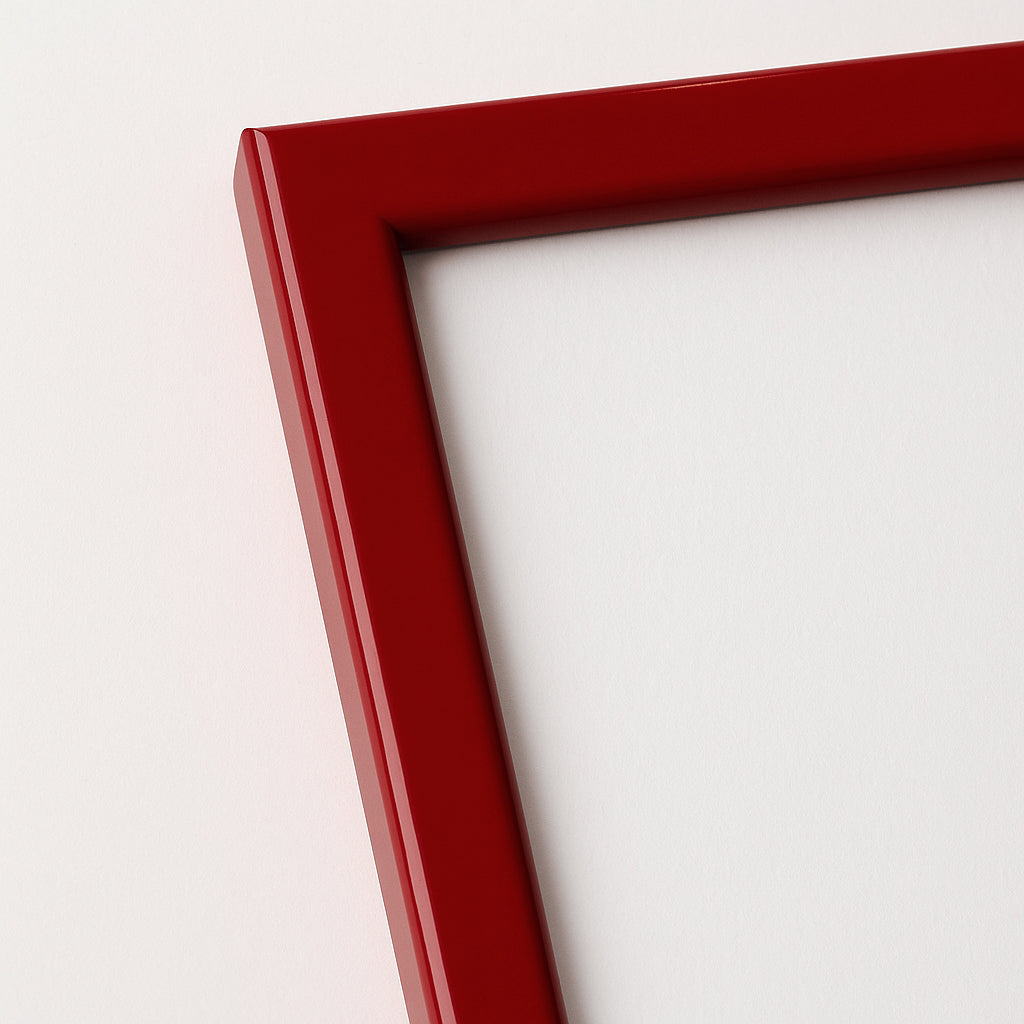
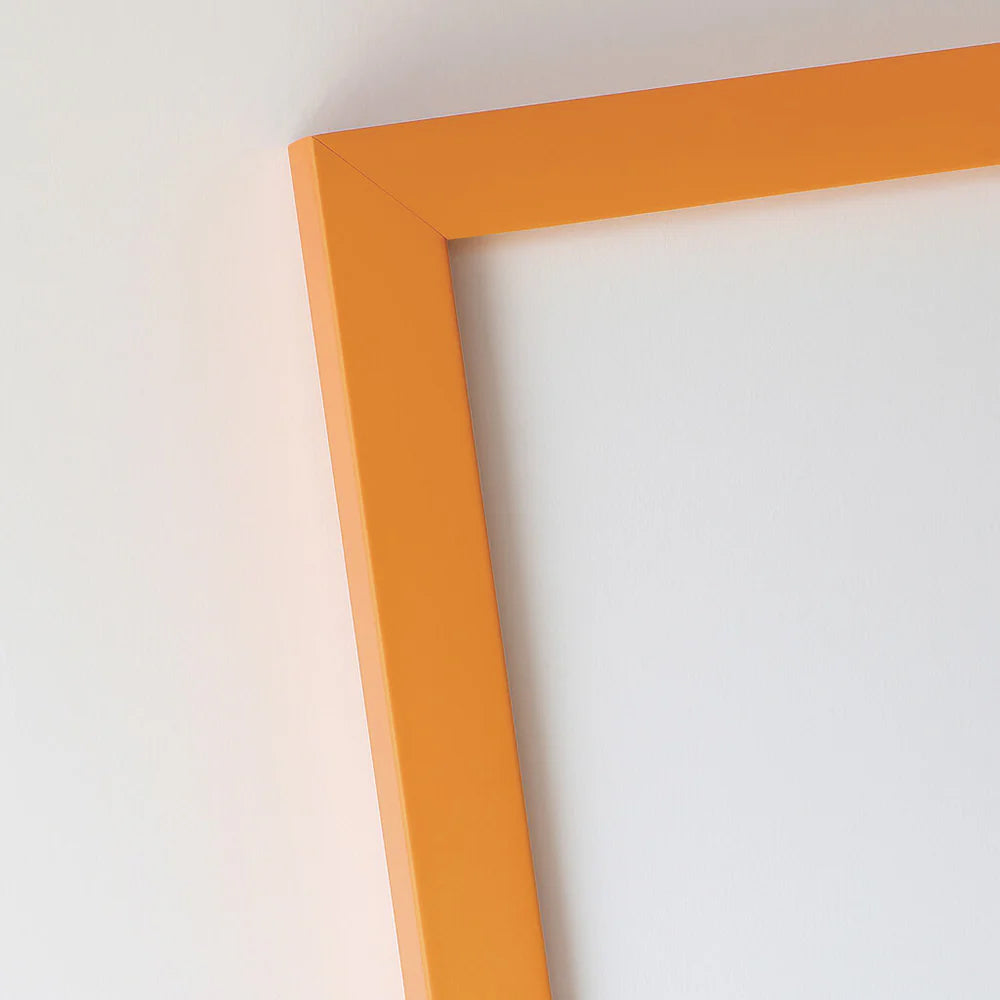
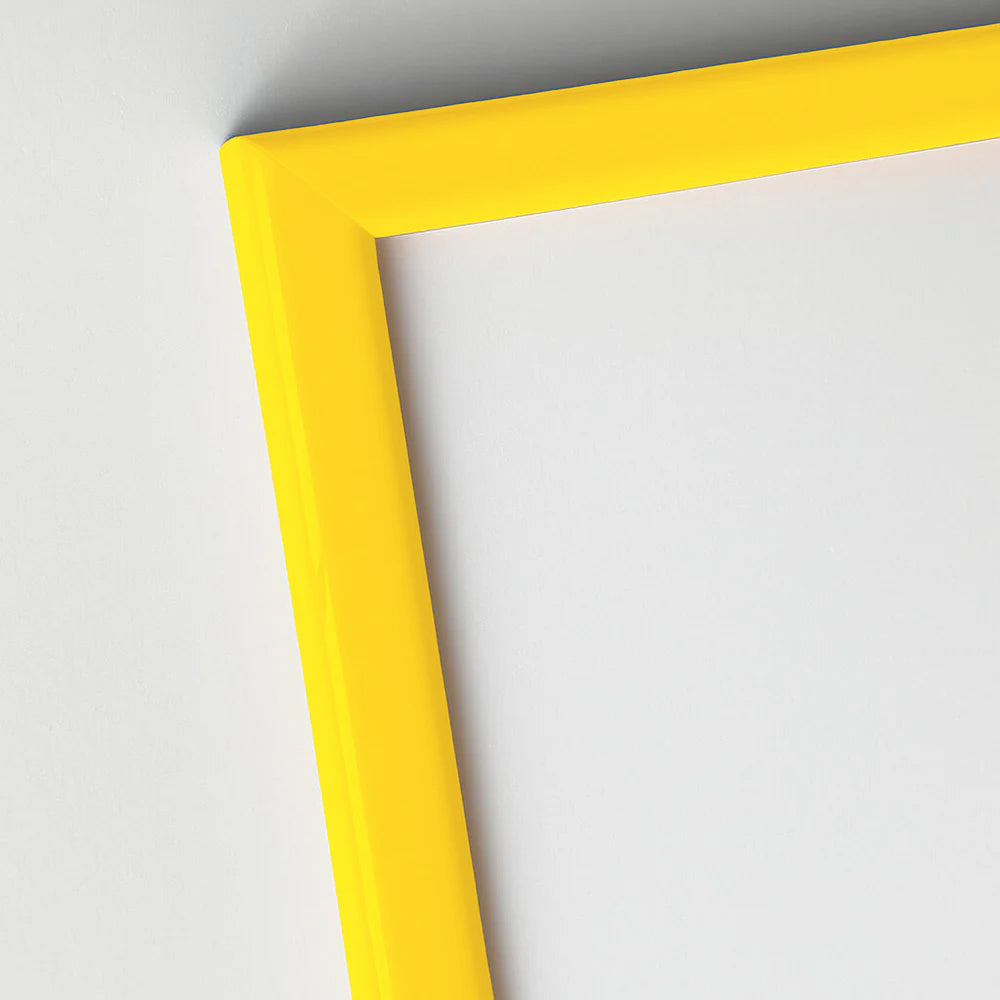
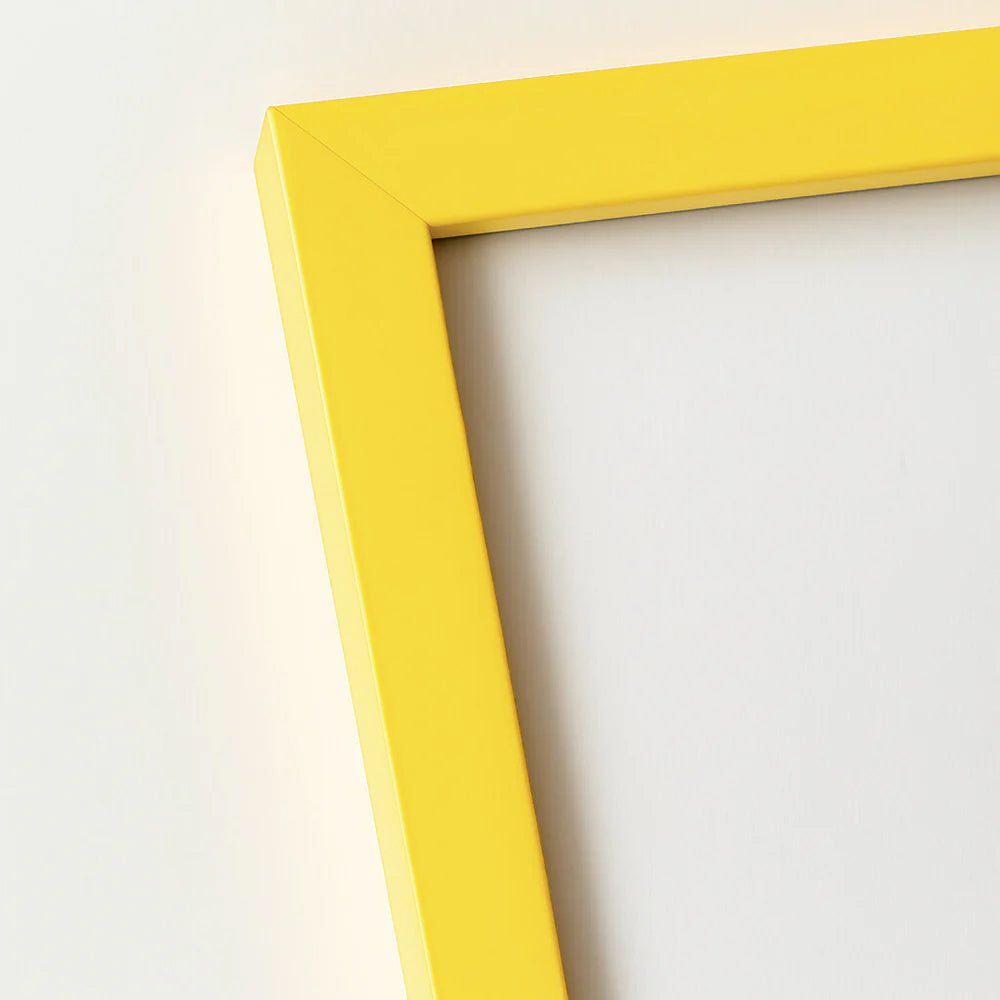
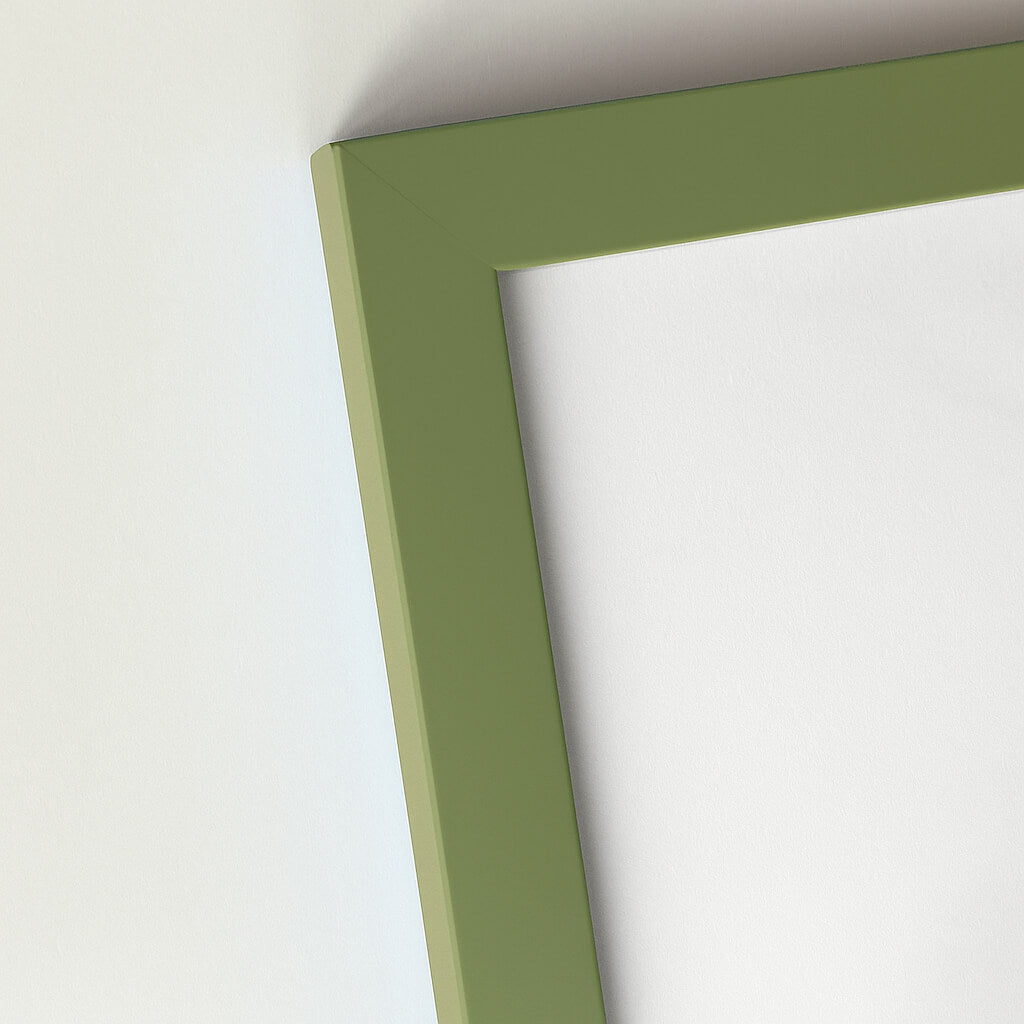
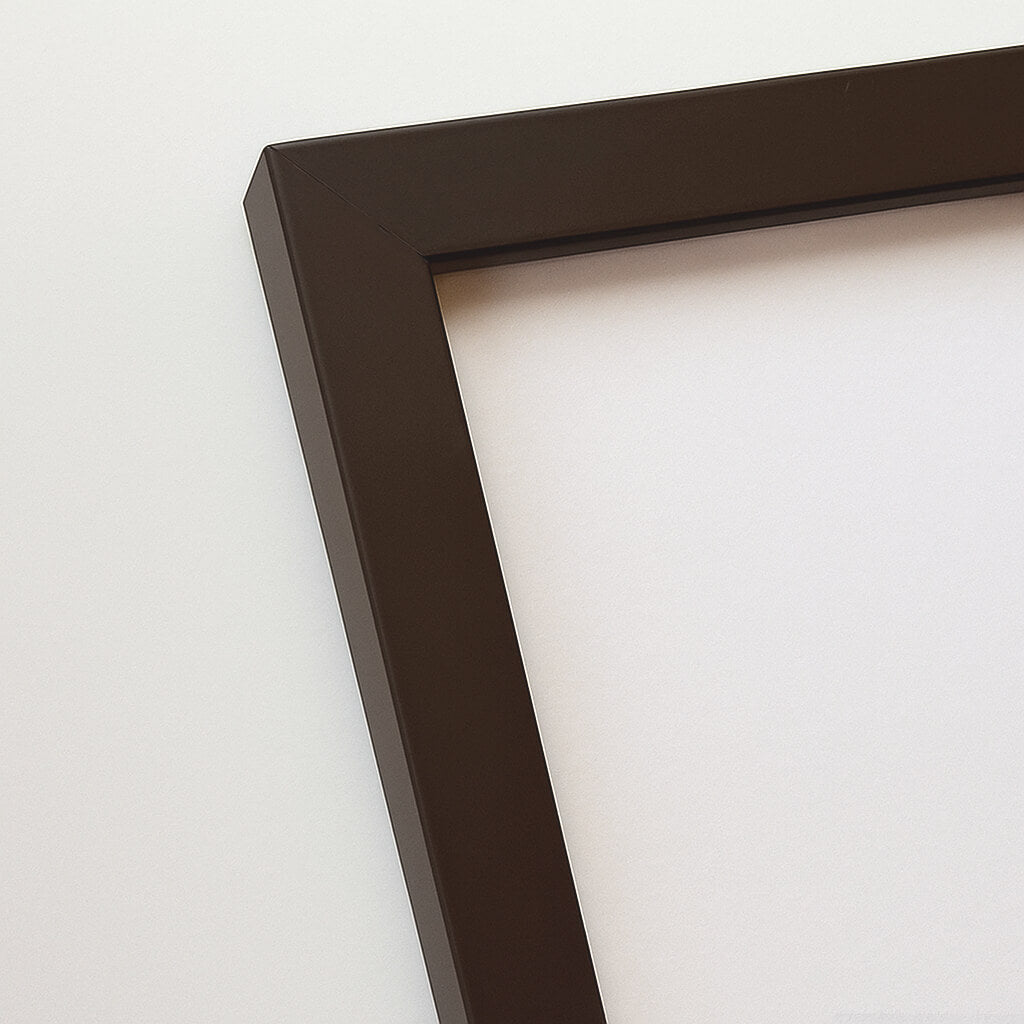
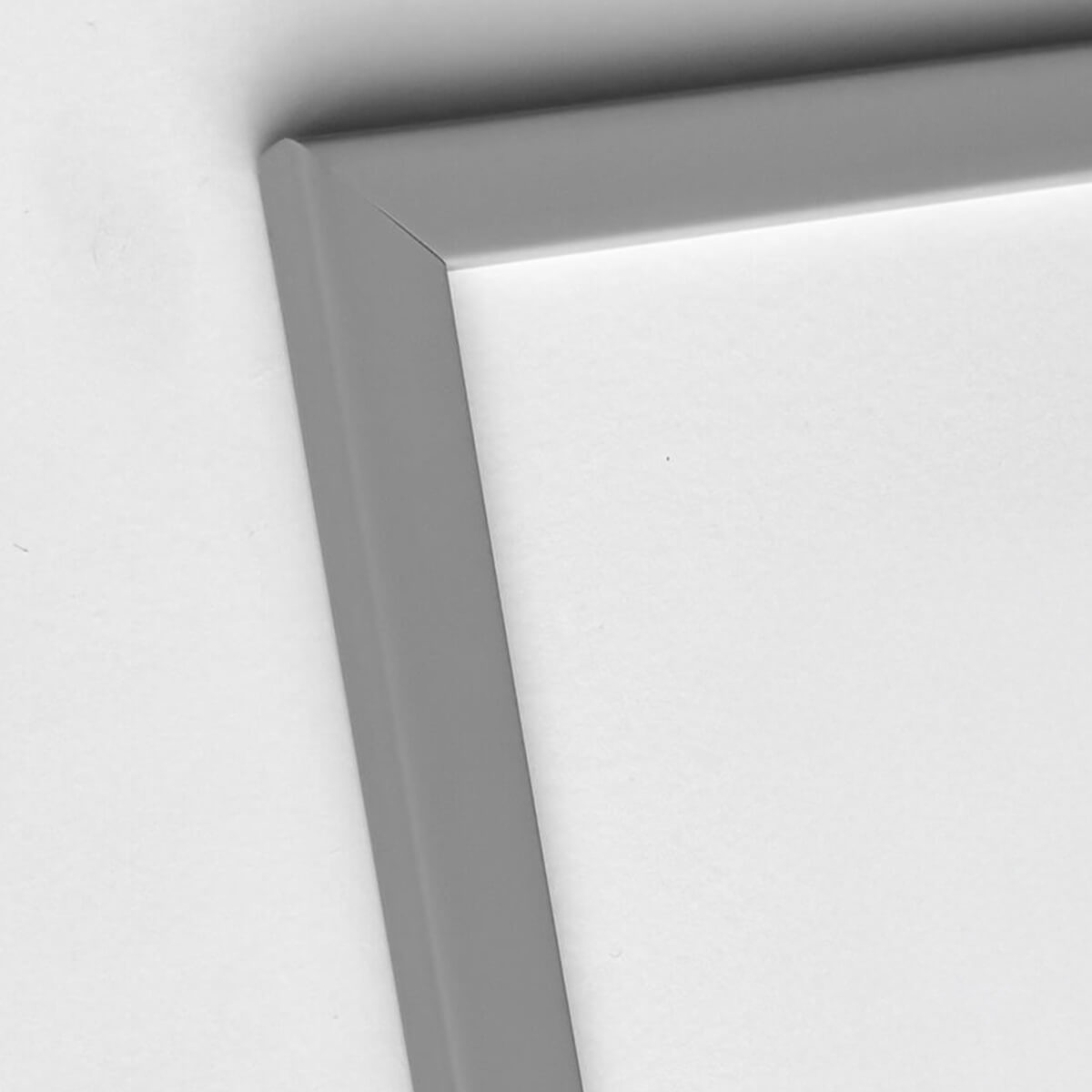
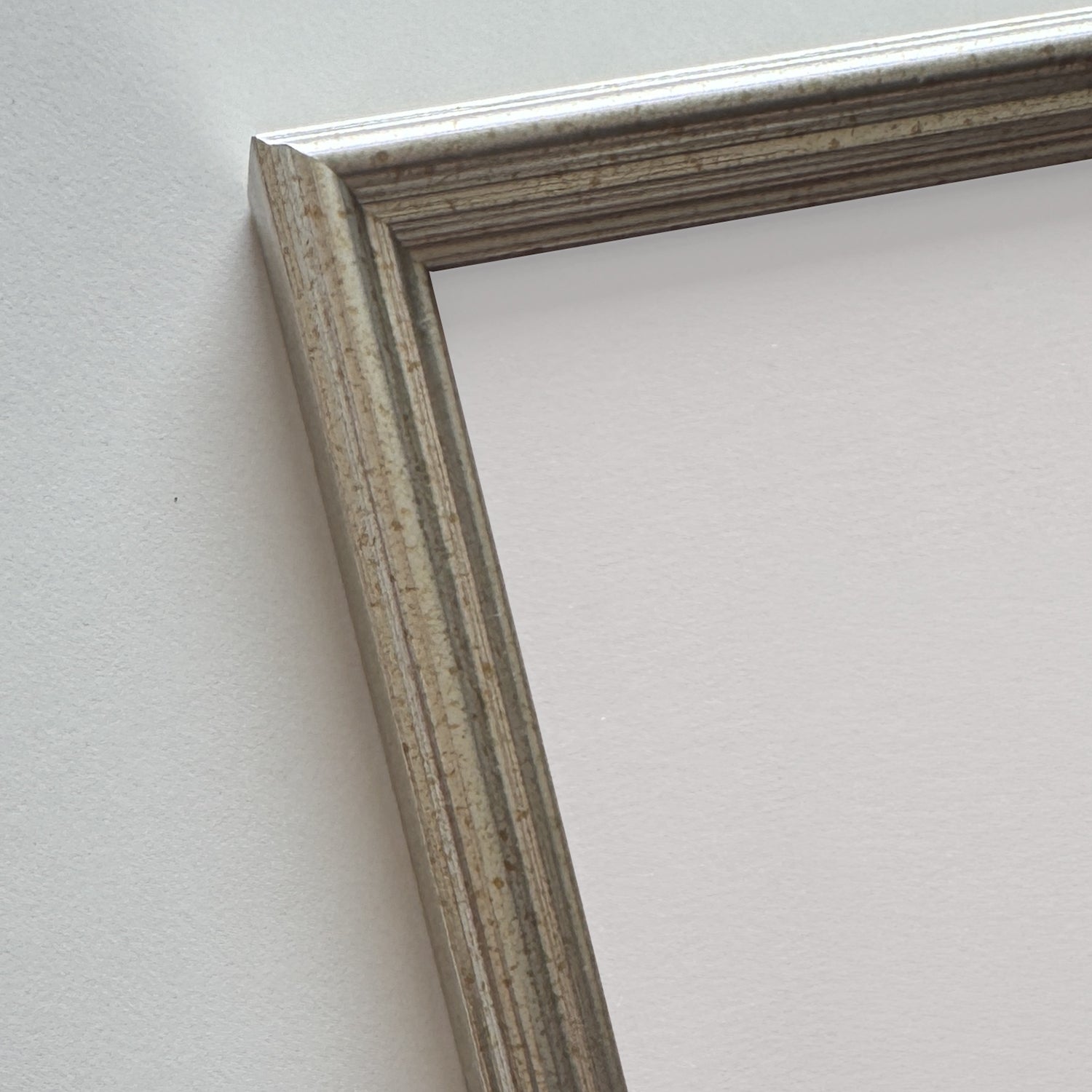
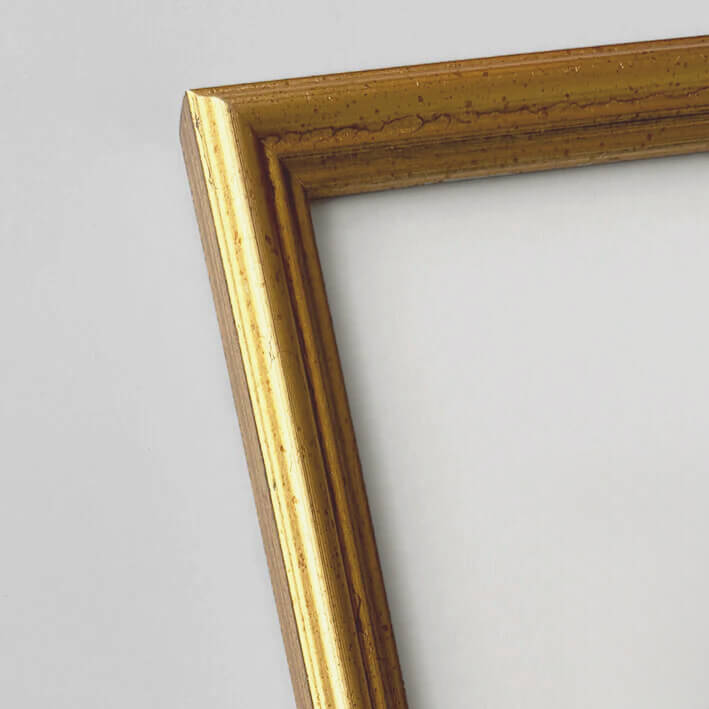
In the frame designer, you upload an image of your artwork and try out wood types, colours, profiles and passepartouts. The preview changes instantly, so you can compare a discreet frame that lets the image speak with a bolder profile that clearly frames it.
Several 15x15 picture frames in a grid on the wall create a neat, orderly look. As orientation does not matter, you can swap the images around freely until the arrangement feels right.
Recently seen
15x15 frames with
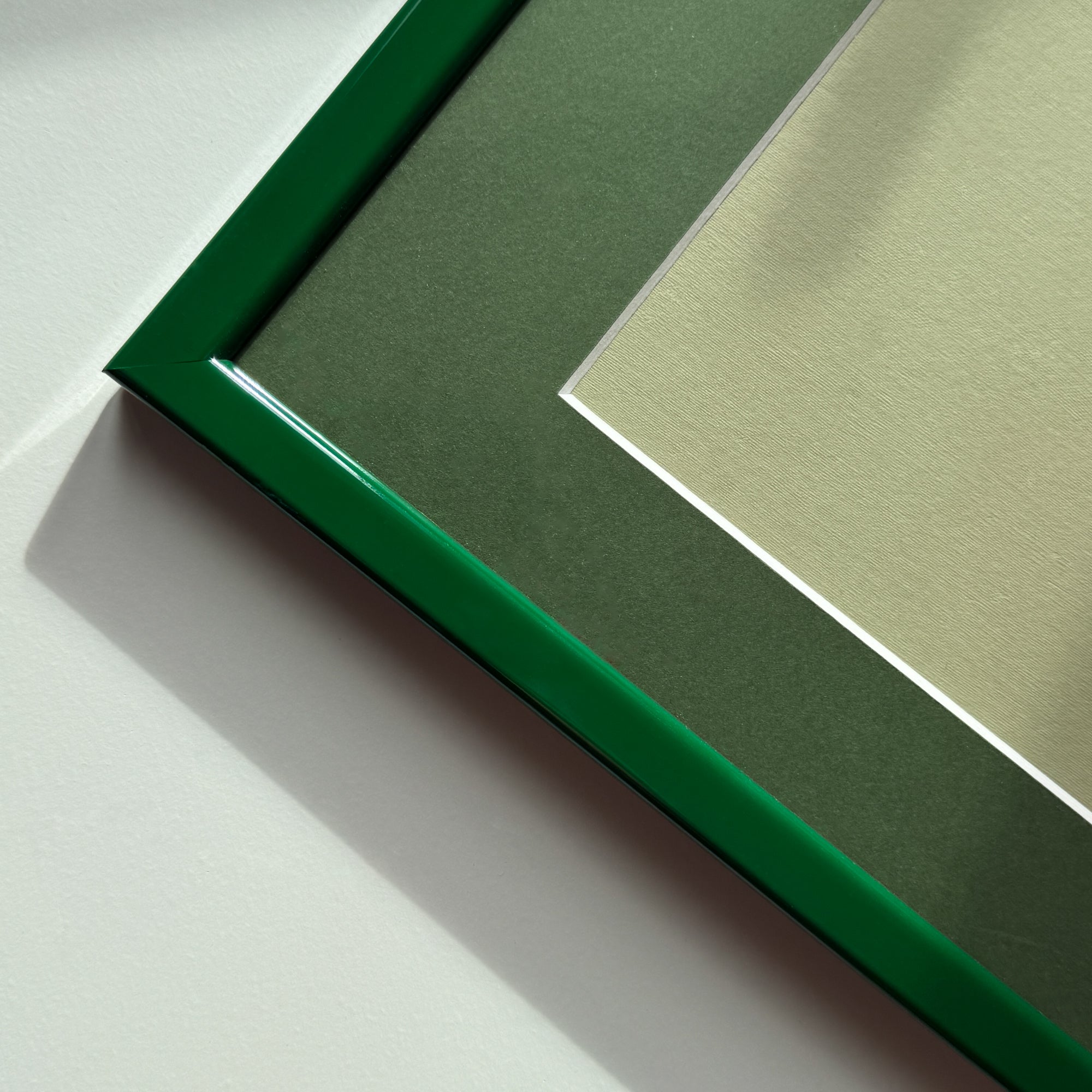
Passepartout
In a 15x15 frame, a passepartout gives a 10×10 cm picture an airy border of approx. 2.5 cm. The small image gets room to breathe and looks more considered than if it sat tightly in a small frame. The passepartout is made from 1.5 mm thick board.
To give a 15×15 cm picture a passepartout, you need a larger frame. A 20×20 cm frame gives a border of approx. 2.5 cm, a 24×24 cm frame approx. 4.5 cm and a 30×30 cm frame a wide, gallery-style border of approx. 7.5 cm. You can also choose a made-to-measure frame.
You choose from 20 colours and enter the size of your picture. We cut the opening 10 mm smaller in width and height, so the passepartout overlaps the picture by 5 mm all round, and the picture can be taped to the back of the passepartout.
Select a frame above to see how it works with the different passepartout colours.
Should your 15x15 frame have
Glass or acrylic?
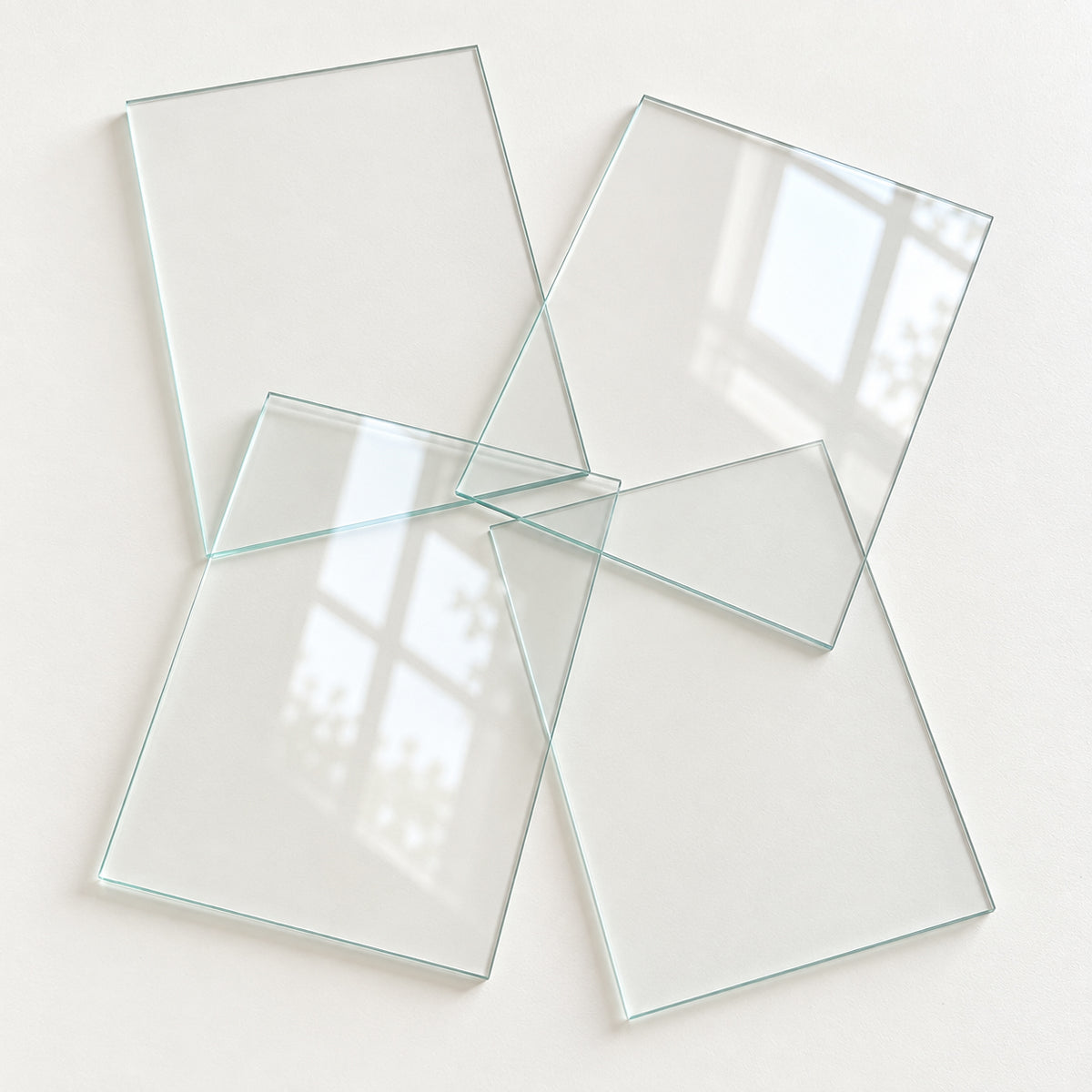
A 15×15 cm frame is light whichever glass you choose. You can therefore decide based on where the frame will stand or hang, and how much light falls on it. There are four types of glass.
Standard glass is the classic choice, reproducing colours and details clearly at a reasonable price. It scratches less easily than acrylic glass, but reflects light from windows and lamps and can break if the frame is dropped.
Acrylic glass is light and shatter-resistant and works well in a child’s room or for frames on display on a shelf. It gives the same reflections as standard glass, scratches more easily and should be cleaned with a soft cloth. Remove the protective film from both sides before framing.
Non-reflective glass reduces reflections with a matt surface and is practical in bright rooms. Colours and details may look slightly softer, especially when a passepartout creates a gap to the artwork, and not all reflections are removed.
Museum glass offers high clarity with fewer reflections and UV protection that helps limit fading. It brings out the artwork without the matt effect of non-reflective glass, but it costs more and faint reflections may occur. Avoid direct sunlight, even with museum glass.
Shipping of 15x15 frames worldwide
FedEx or GLS
Our 15×15 cm frames are shipped worldwide with GLS or FedEx. GLS delivers to parcel shops in Sweden, Germany, Belgium and Poland.
Real glass instead of acrylic glass makes shipping markedly more expensive. Glass is heavier and needs more care during shipping, which means higher shipping costs and a greater risk of damage.
That is why we pack every frame carefully, so that frame and glass are protected on the journey. The vast majority of frames with glass arrive safely.
15x15 frames with or without
Backing paper
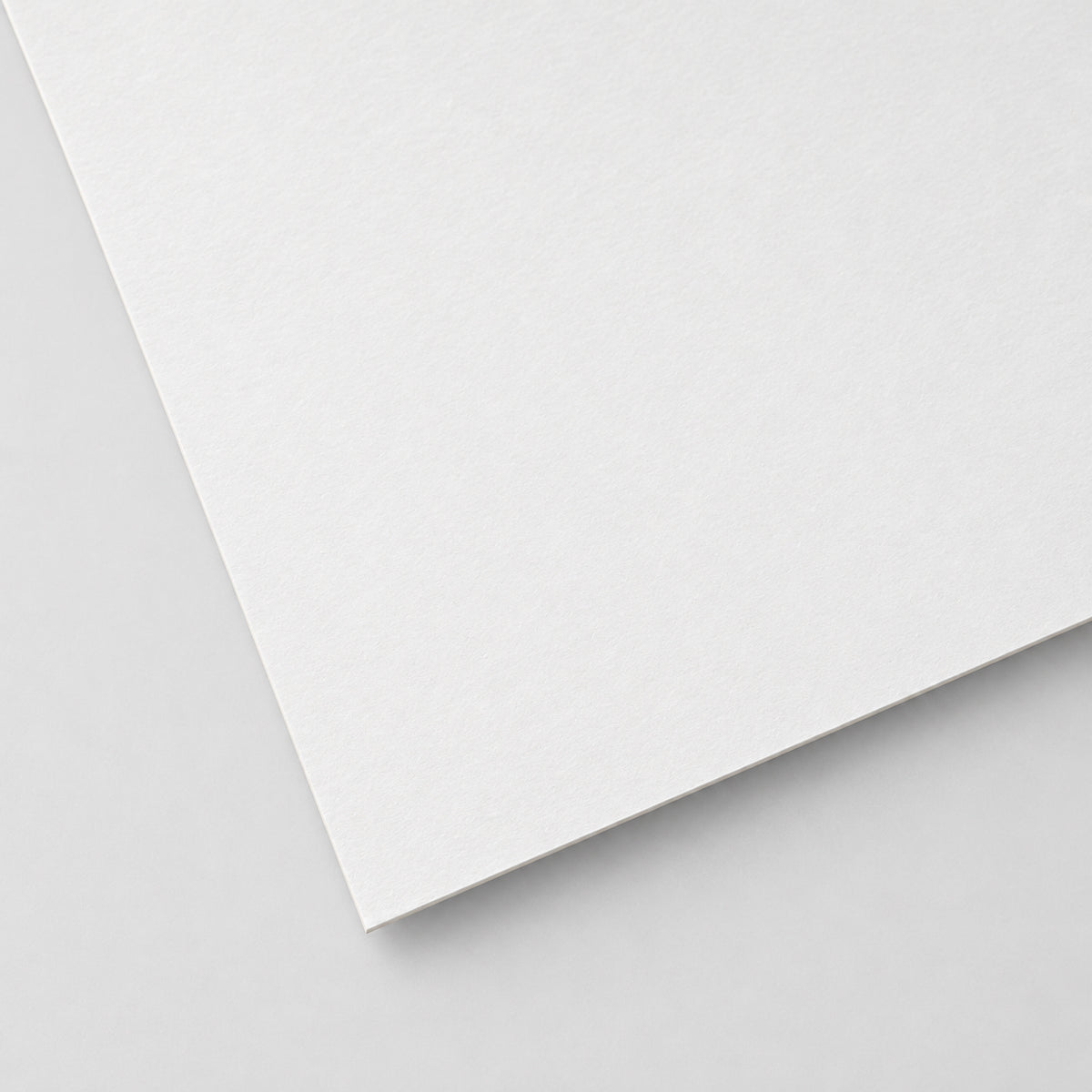
Your 15x15 frame is supplied without backing paper, as most people do not need it. You can add 1 mm thick backing paper in a subtle off-white shade with a fine texture.
The paper gives a visible background behind artwork smaller than 15×15 cm. A small work on handmade paper with hand-torn edges, for example, can be placed in the centre of the backing paper so the edges become part of the framing.
The backing paper also forms an extra layer between artwork and backing board. For delicate art, both the paper and the mounting materials should be acid-free.
For tables, shelves and walls
15x15 frames
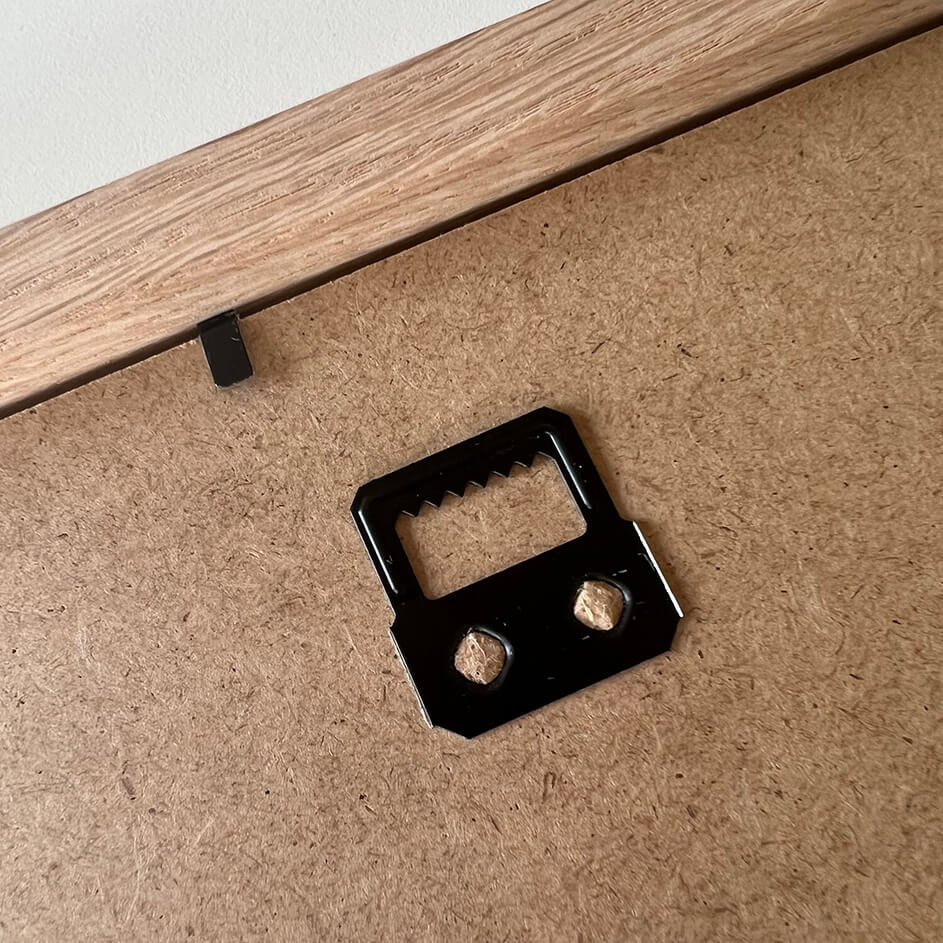
To open the frame, bend up the black metal tabs on the back and lift out the hardboard backing.
Wipe the inside of the glass with a soft, dry cloth to remove any dust. If you have chosen acrylic glass, remove the protective film from both sides. Insert the picture, put the backing back in and bend the tabs back.
The frame has a support stand, so it can stand on a table, shelf or chest of drawers, and a hanging bracket for the wall. Tilt the bracket out slightly so it can hook onto a screw or nail, and use a fixing that suits your wall type and can carry the weight of the frame.