


































Put your framing together
See the result instantly
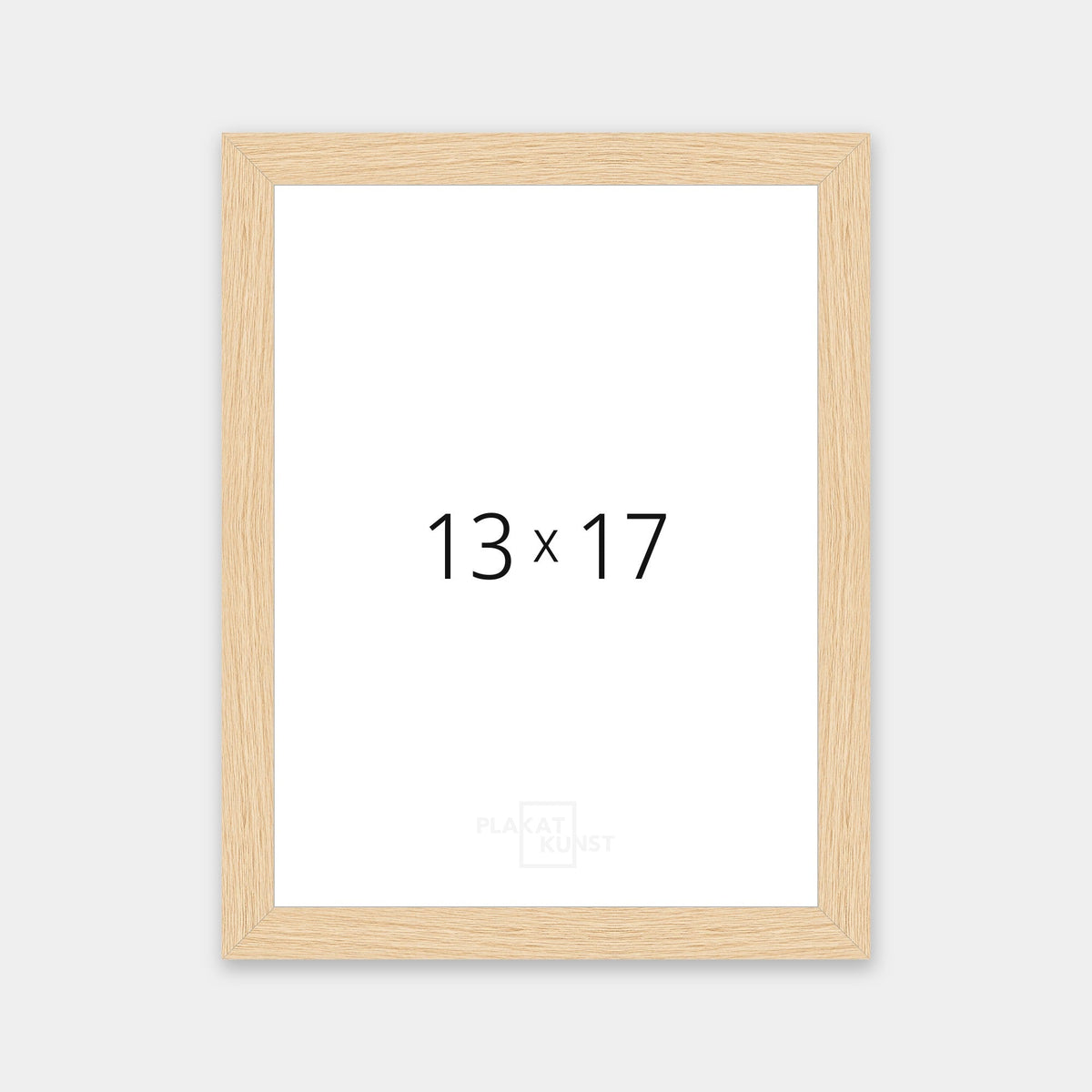
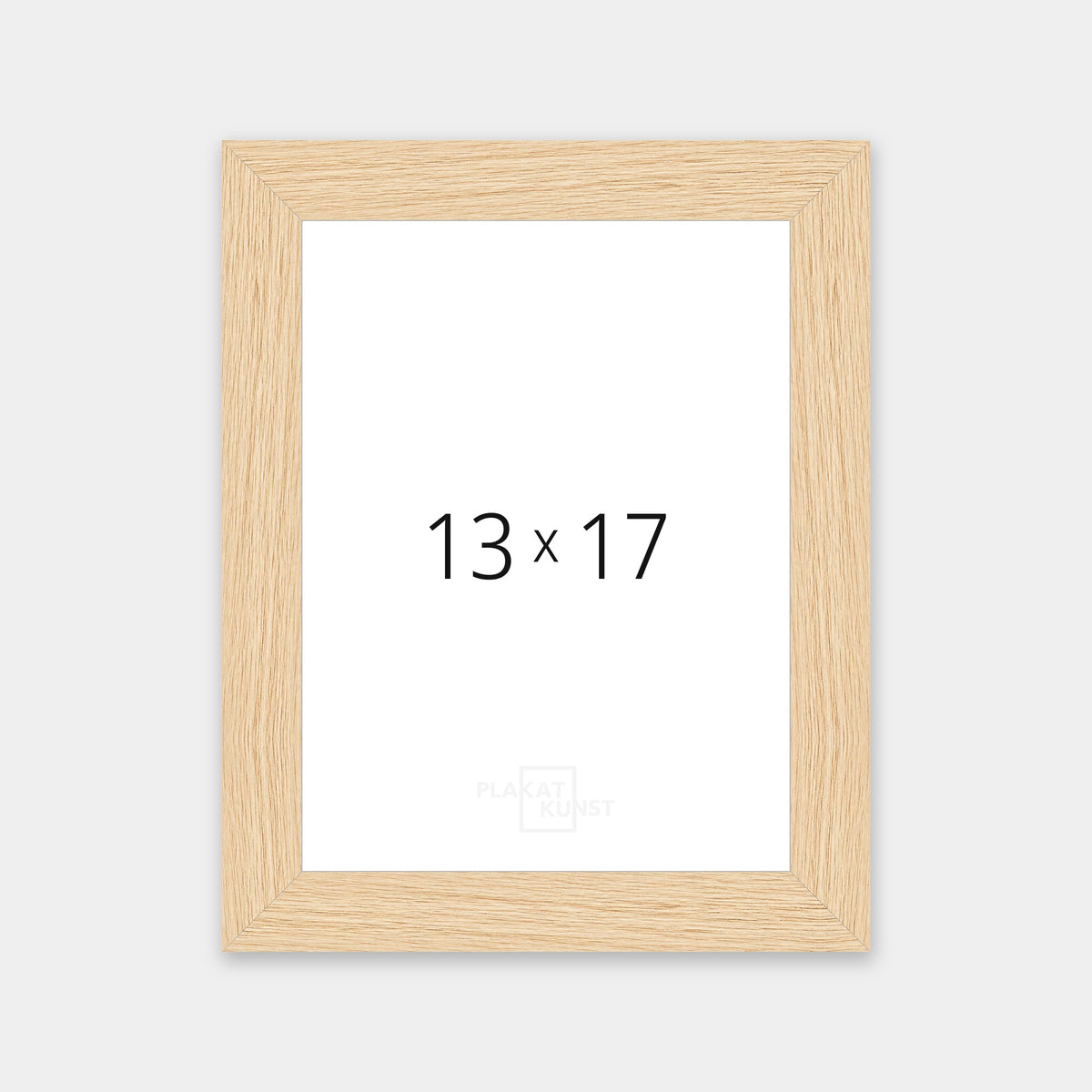
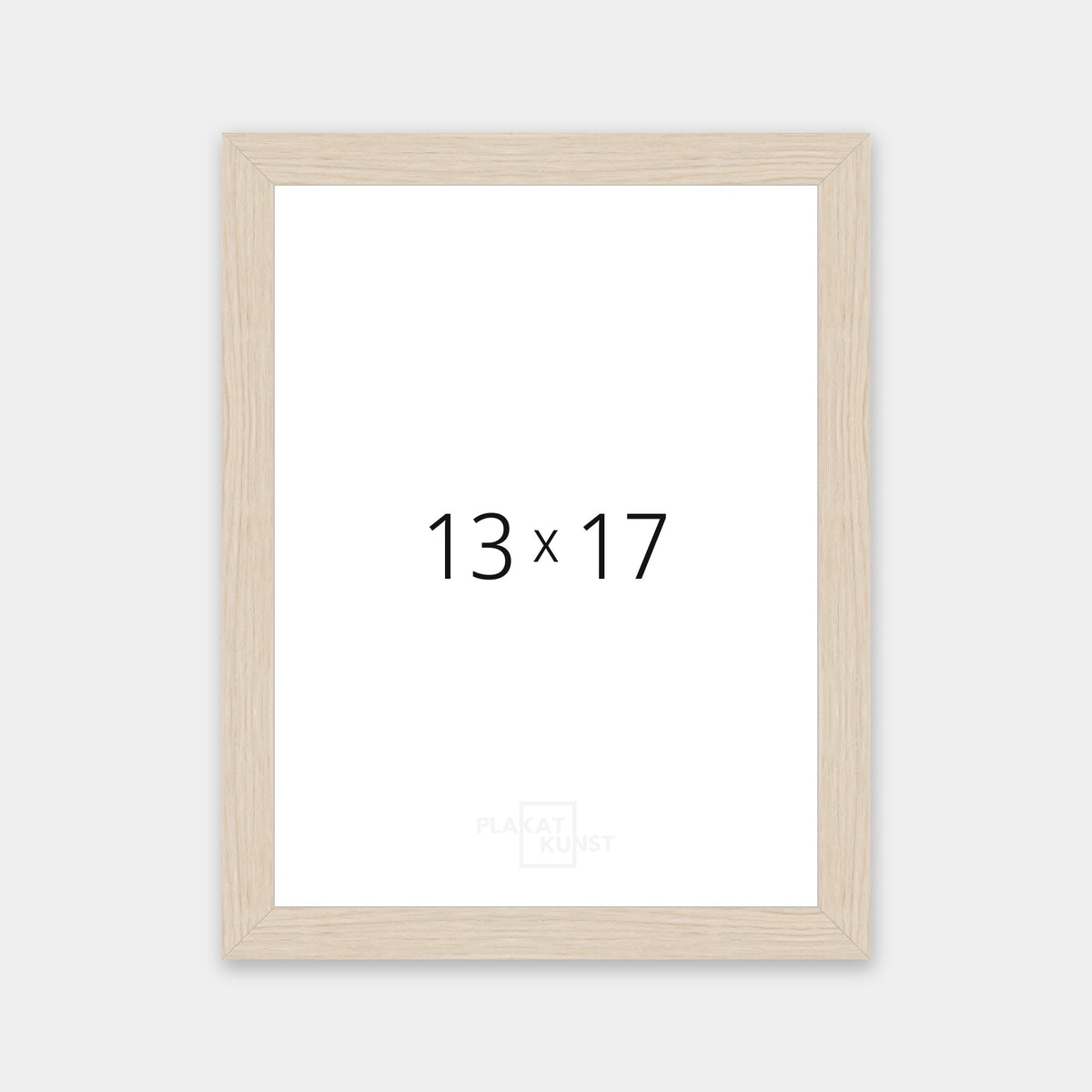
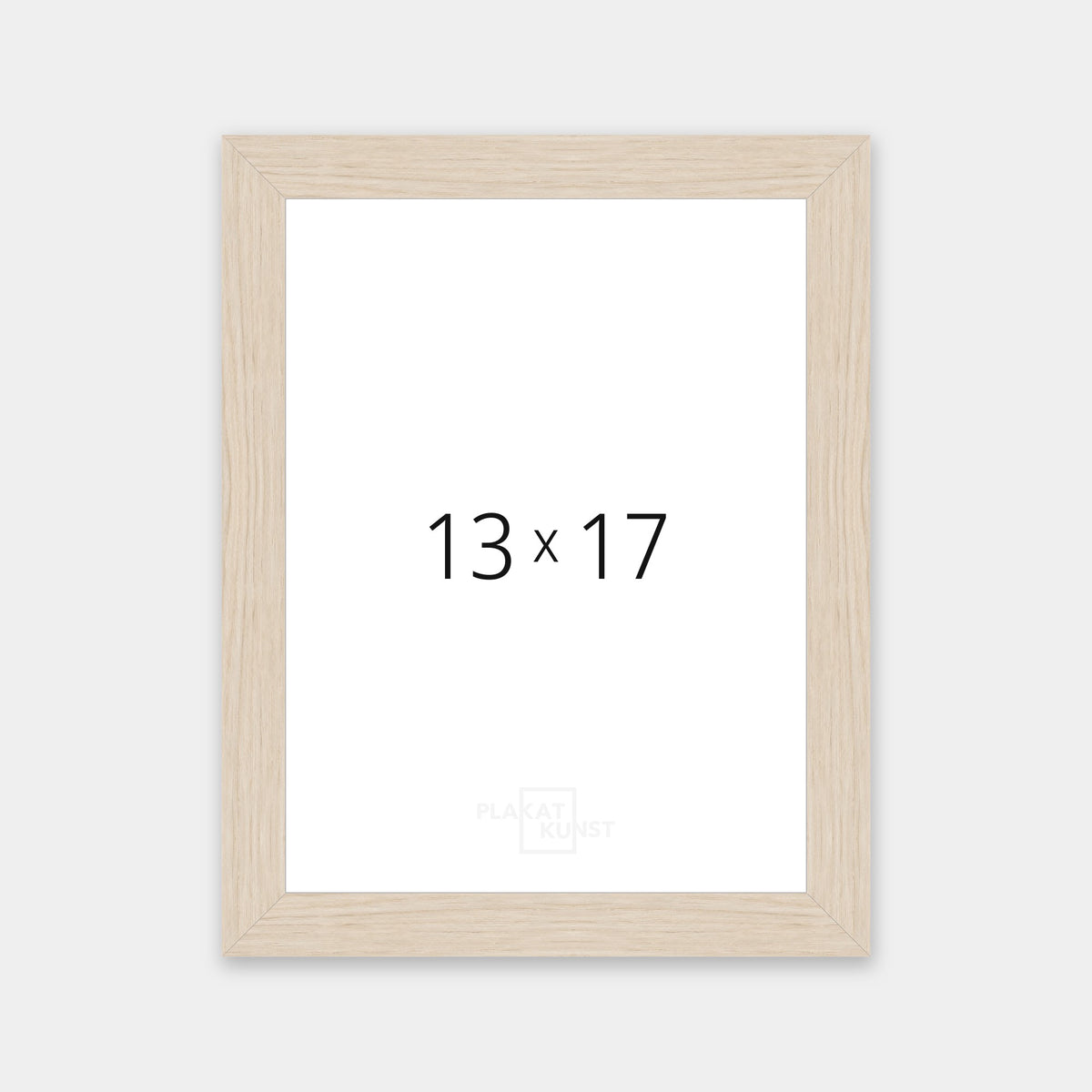
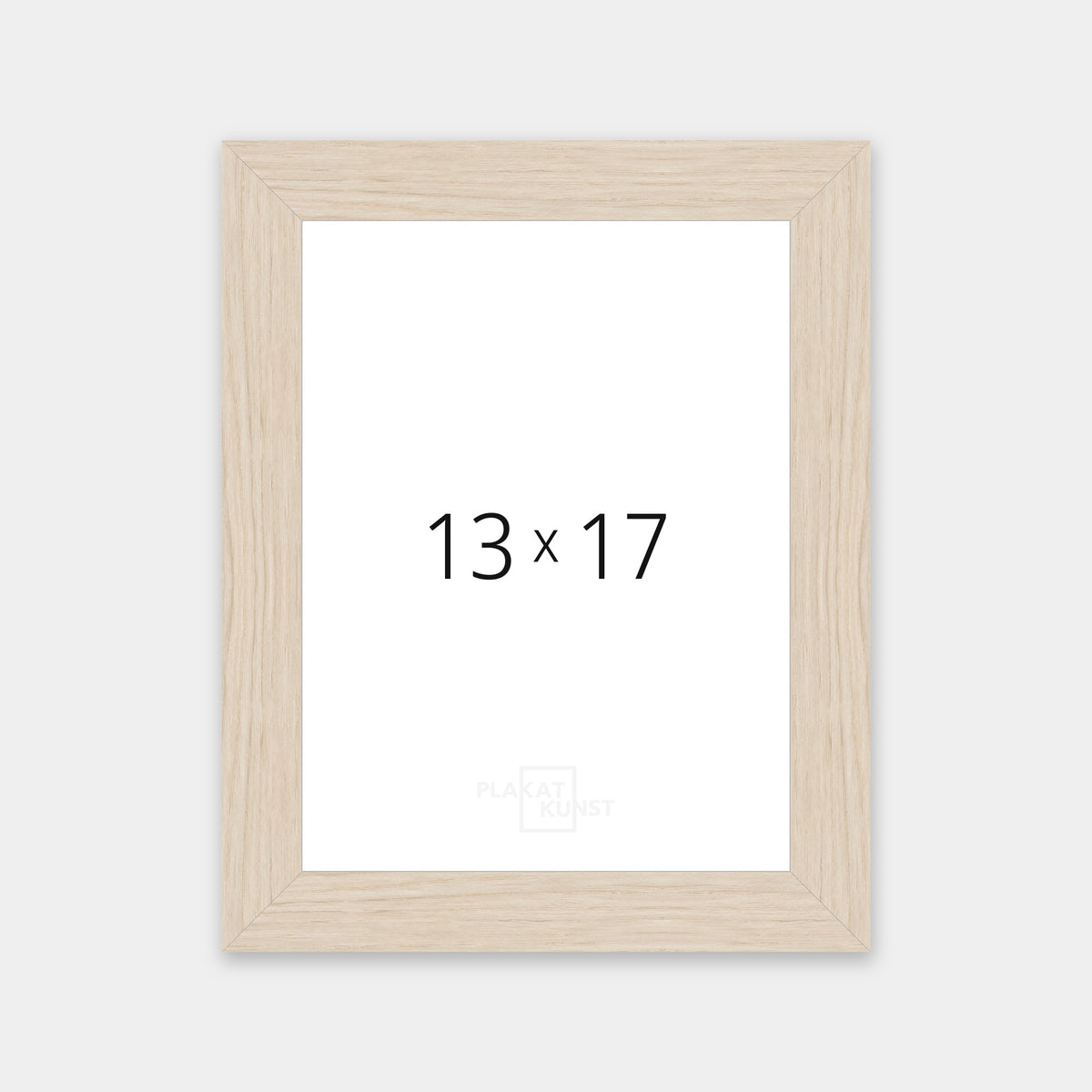
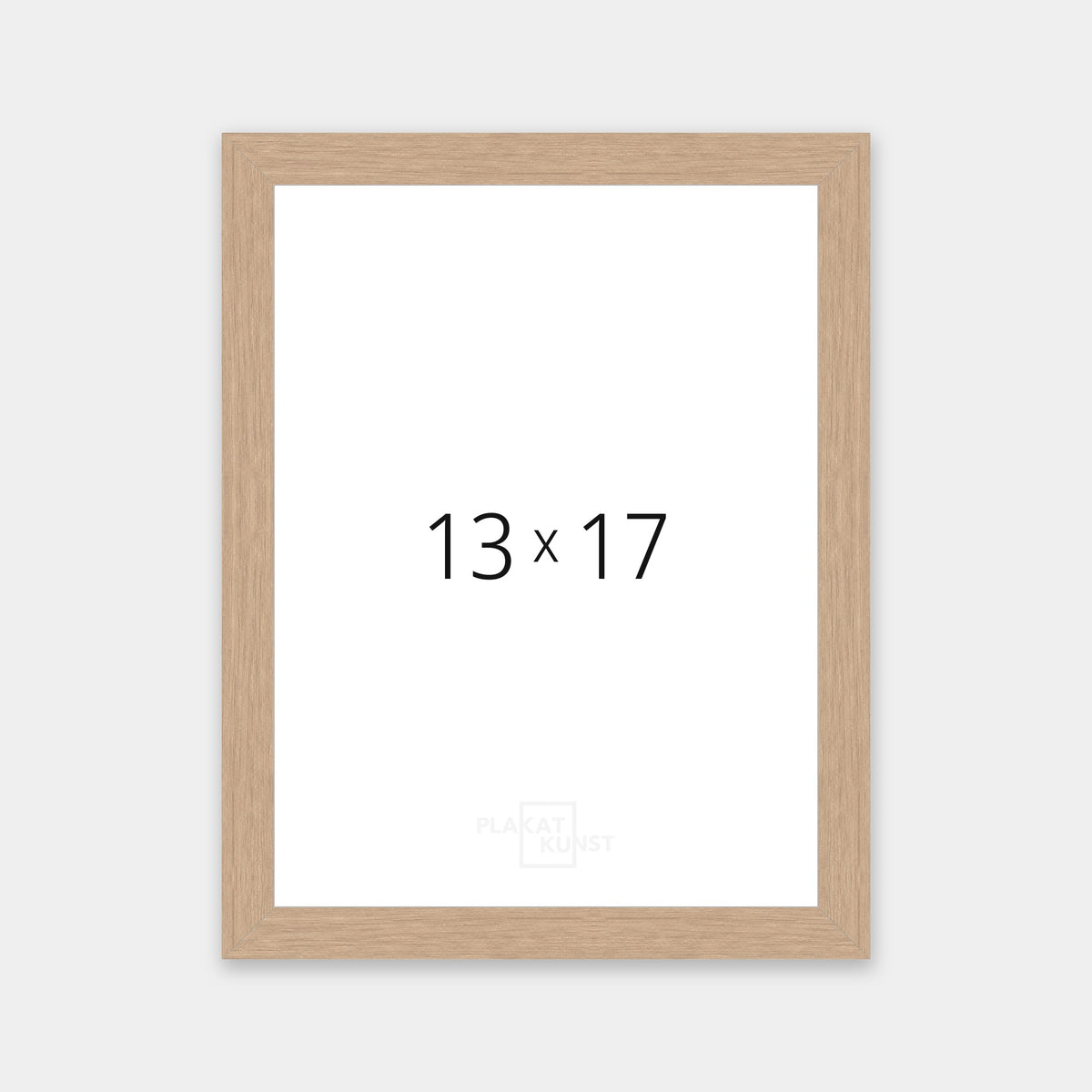
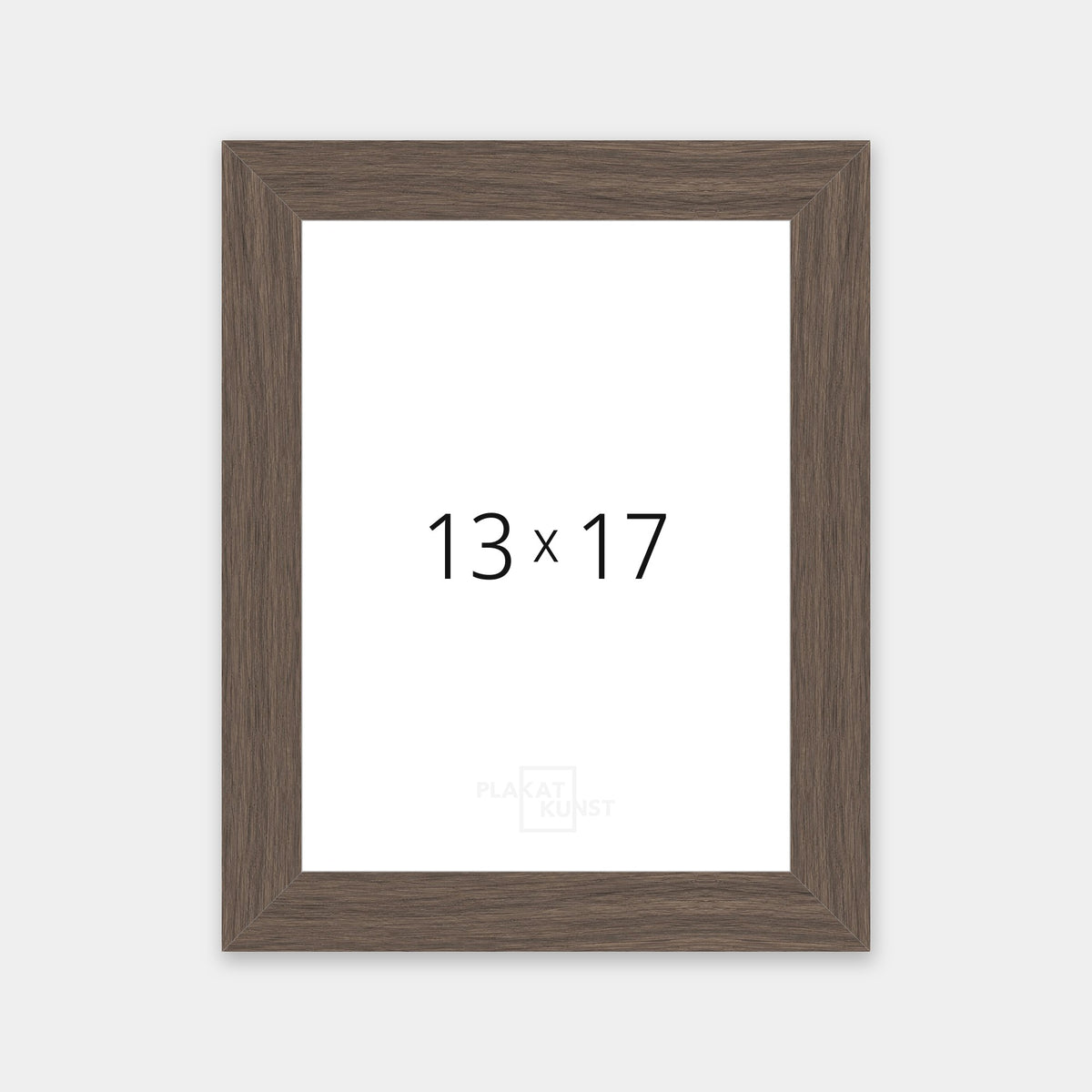
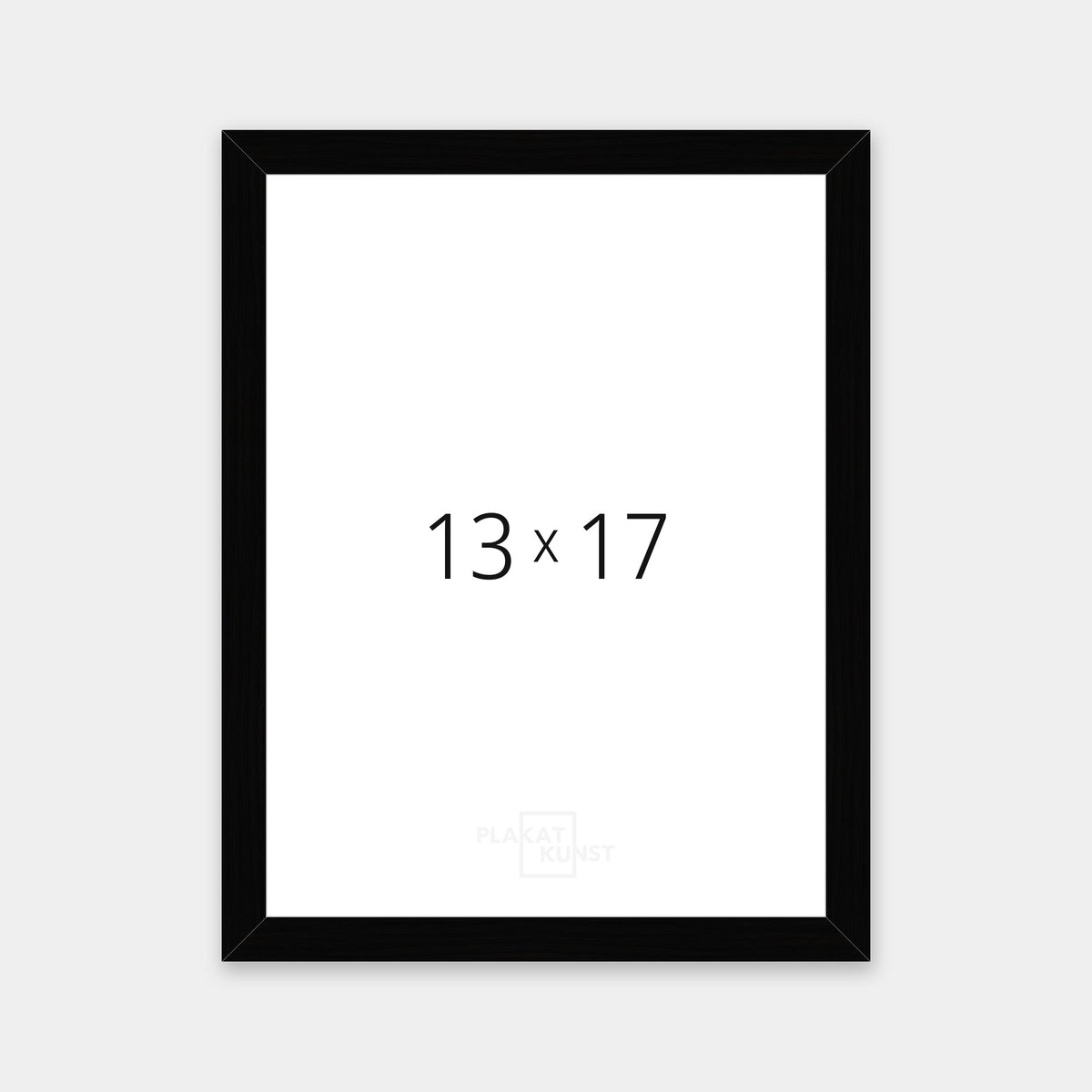
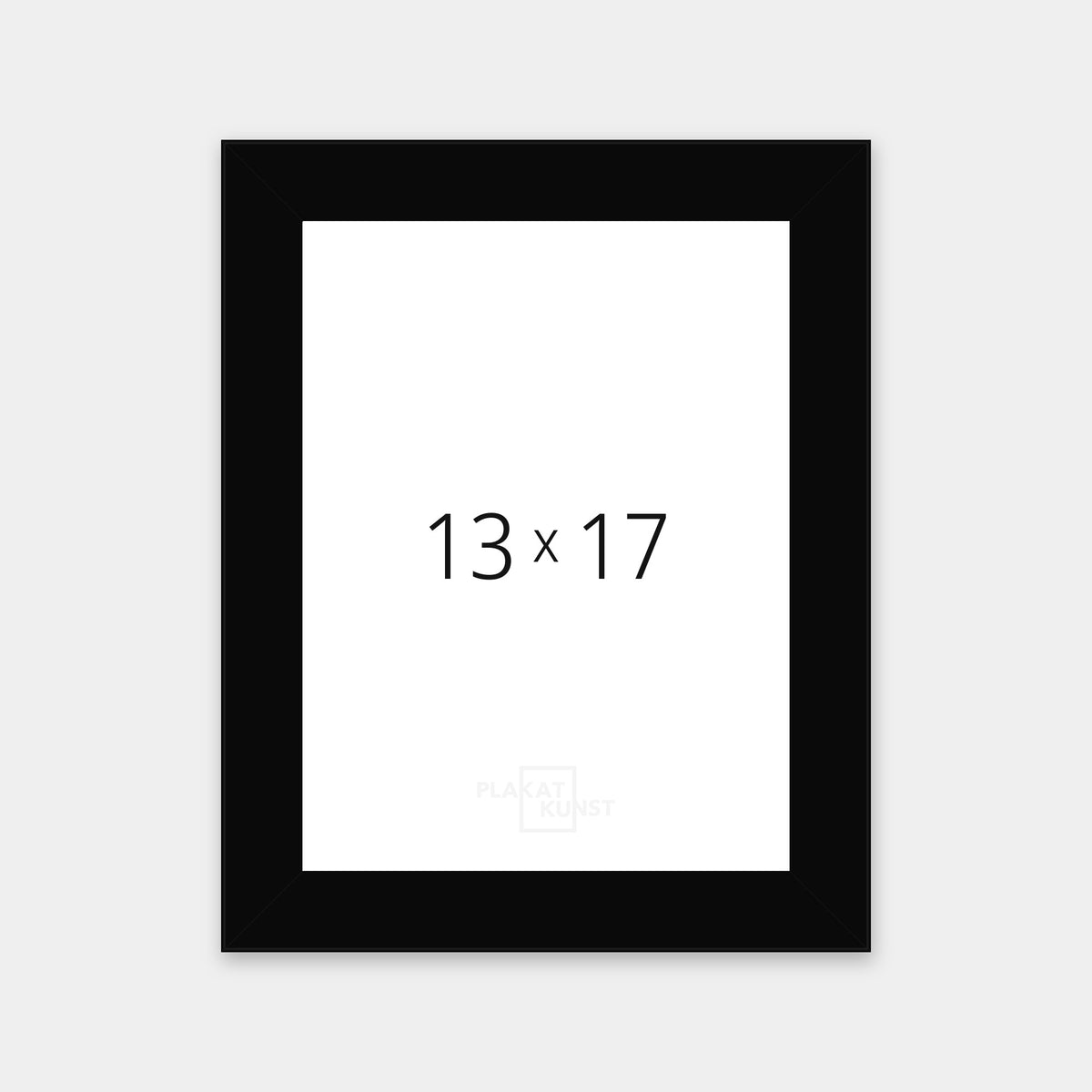
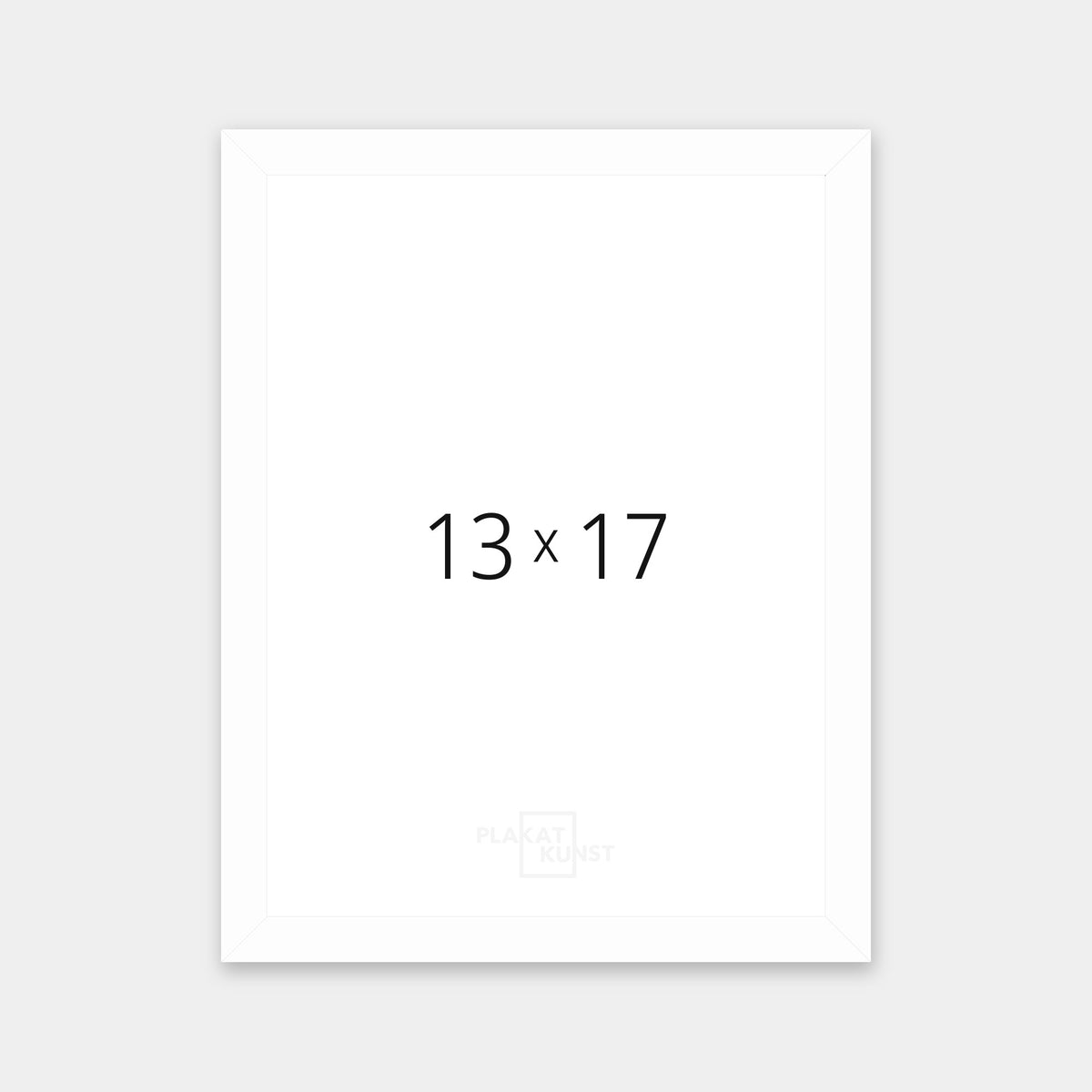
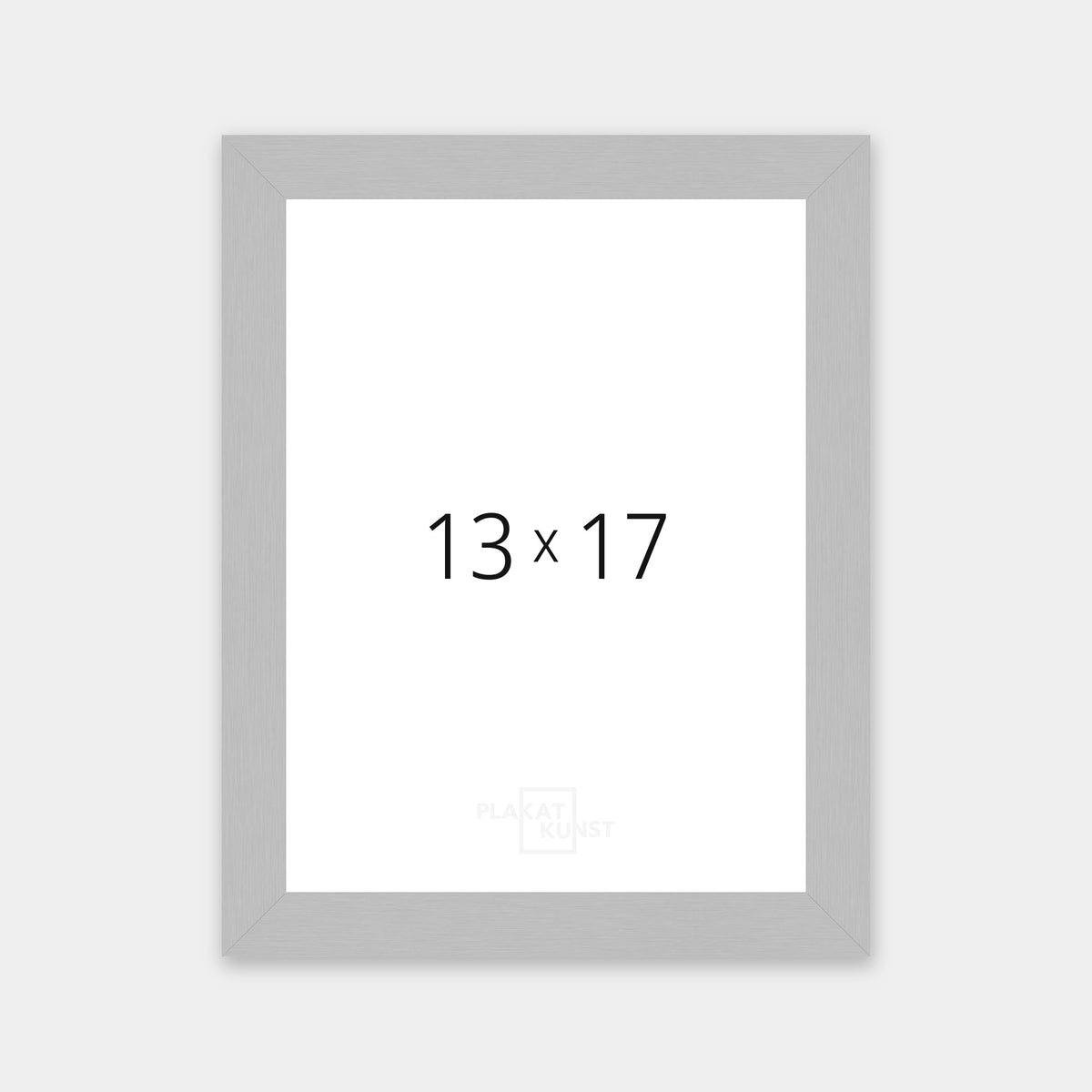
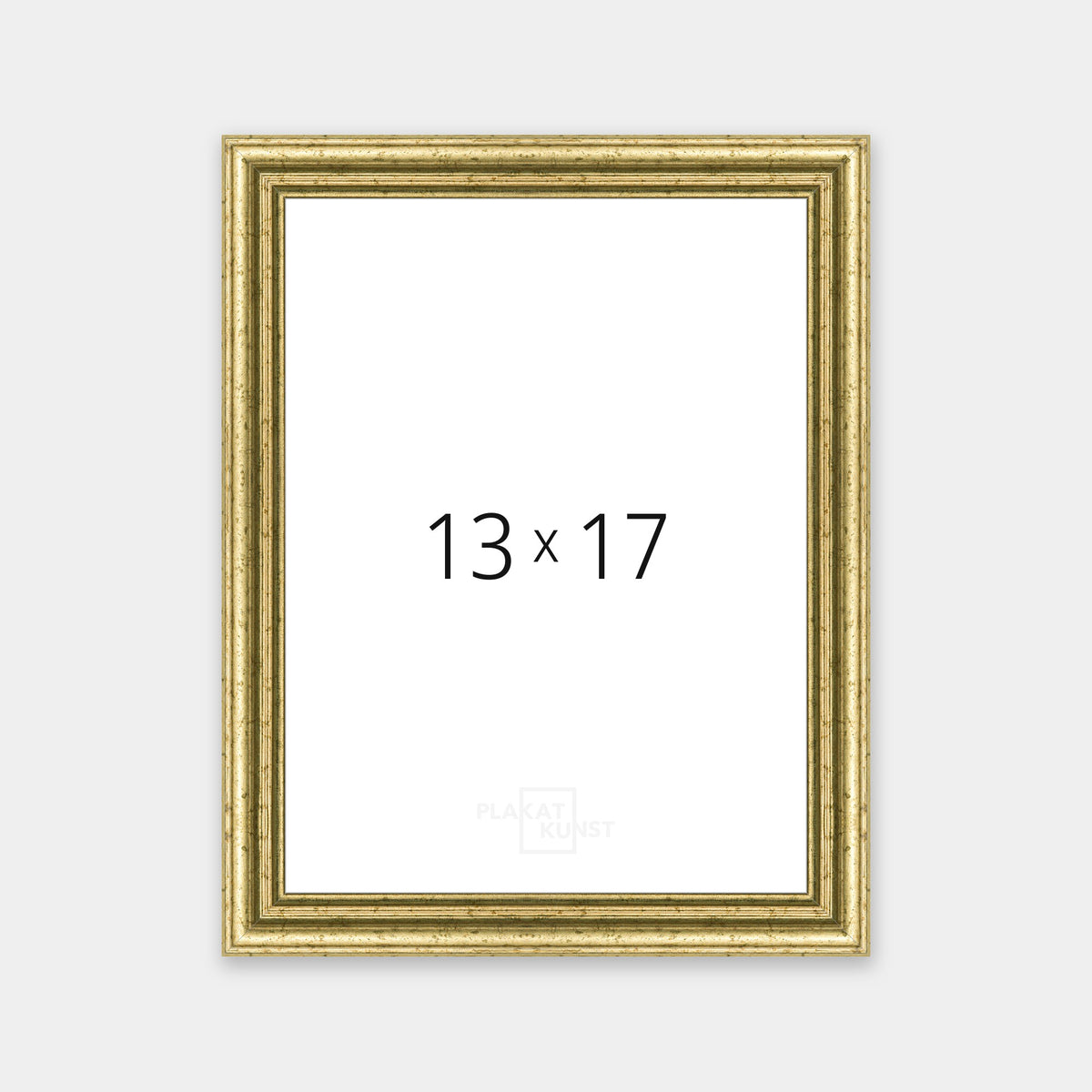
13×17 cm is a slightly less common size that suits small art prints, cards and photos that do not quite follow the classic photo dimensions. That is exactly why it pays to see how your picture looks before you choose the frame.
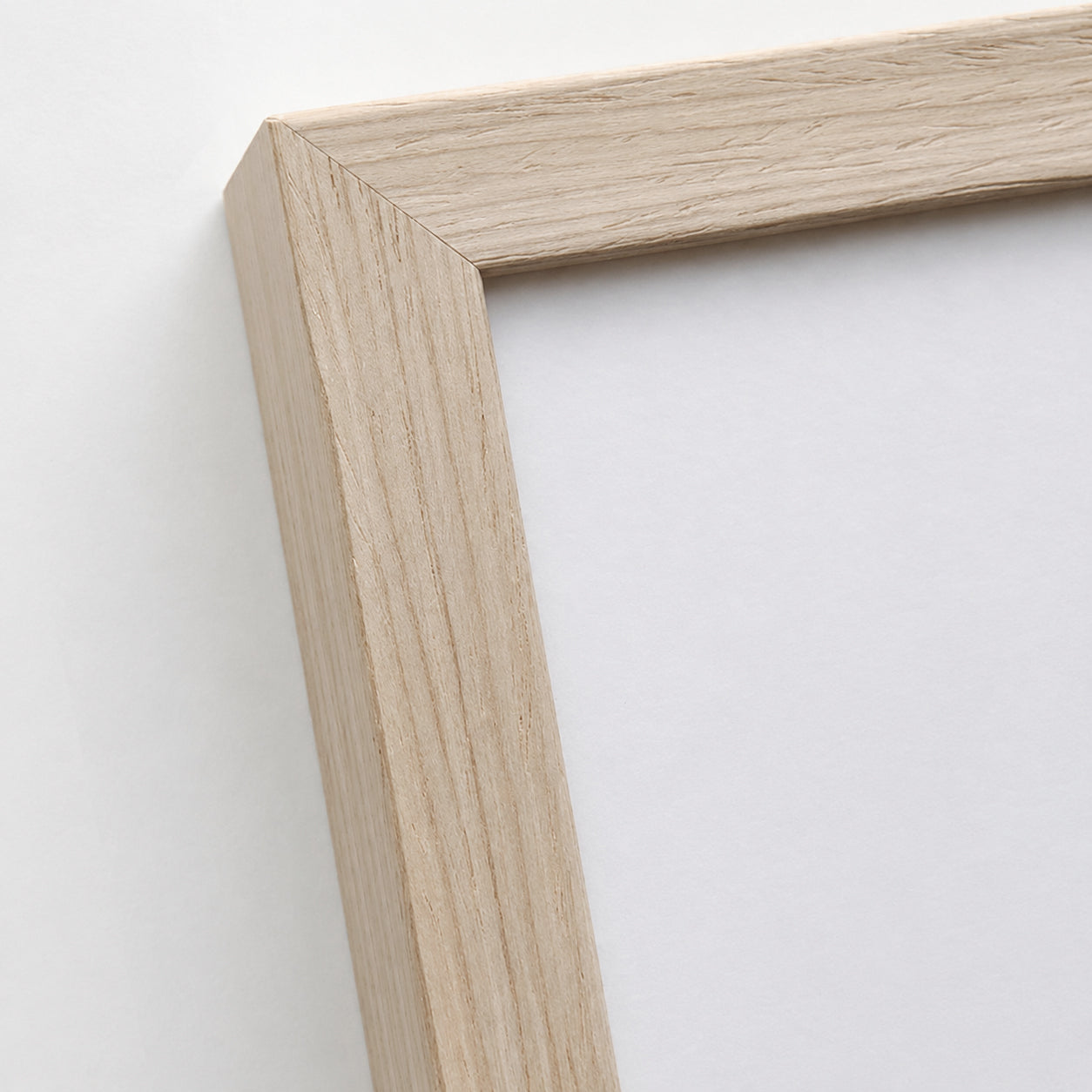
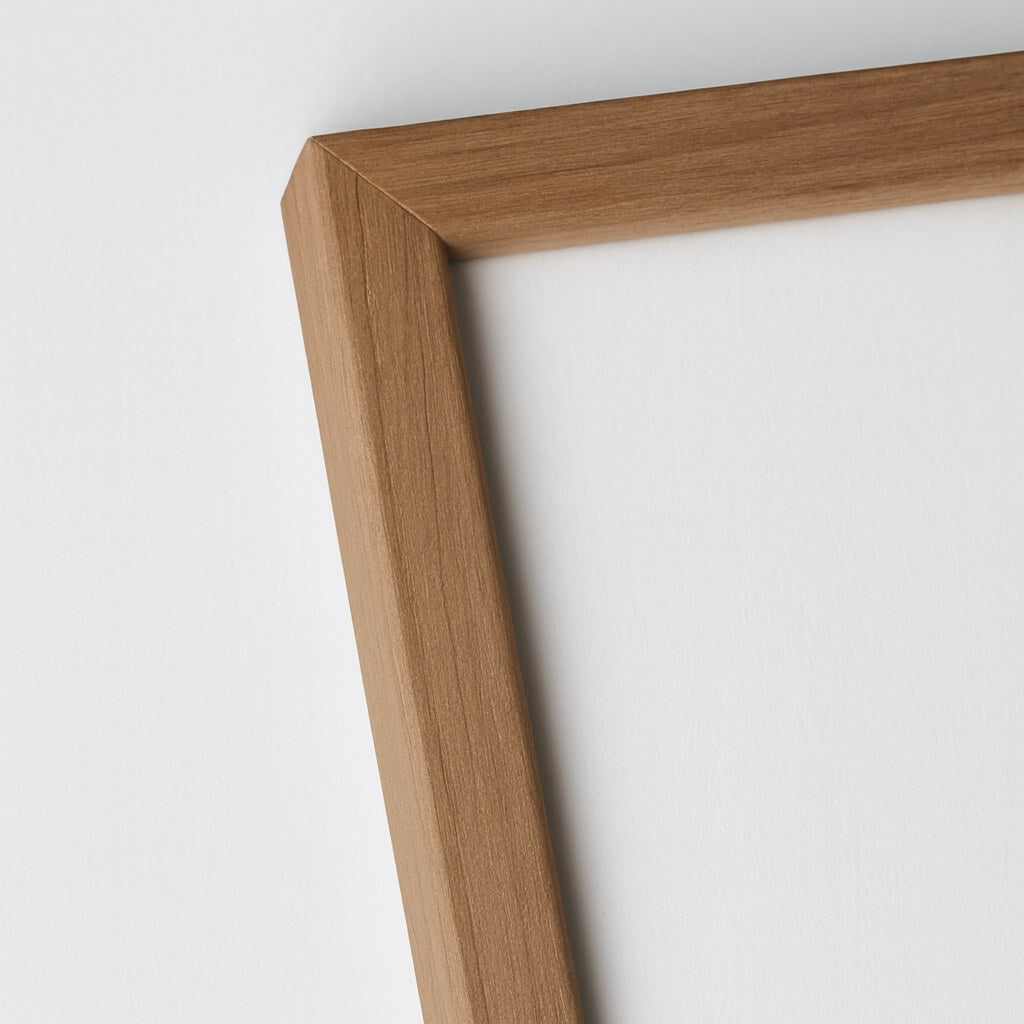
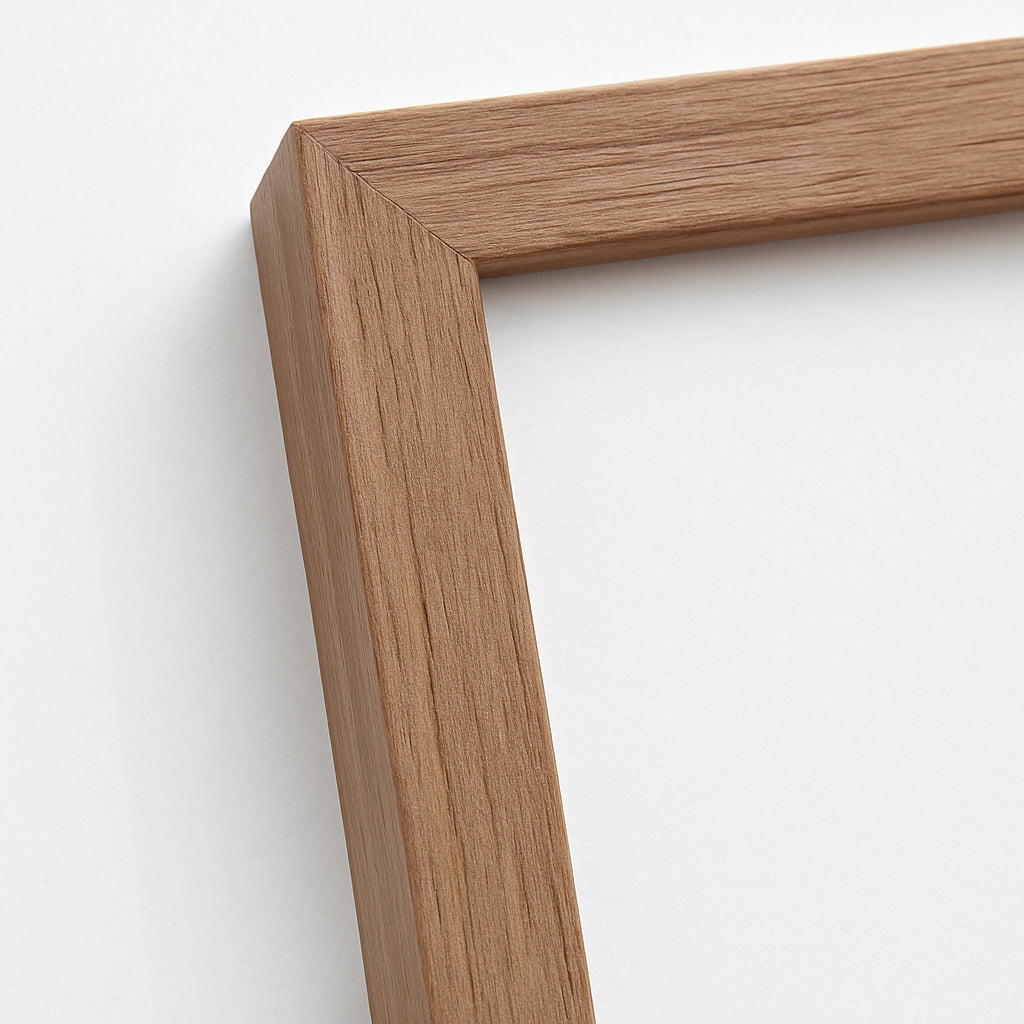
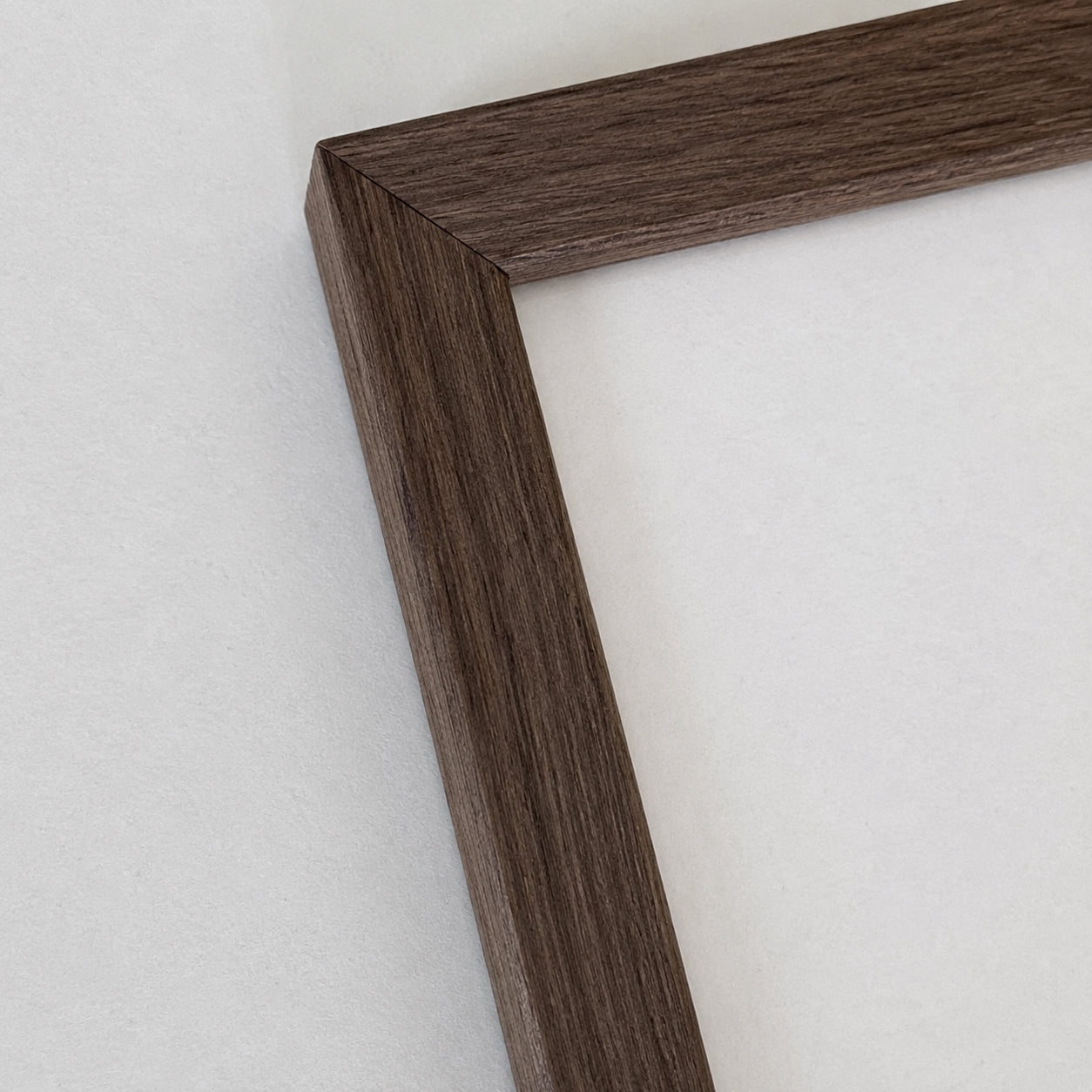
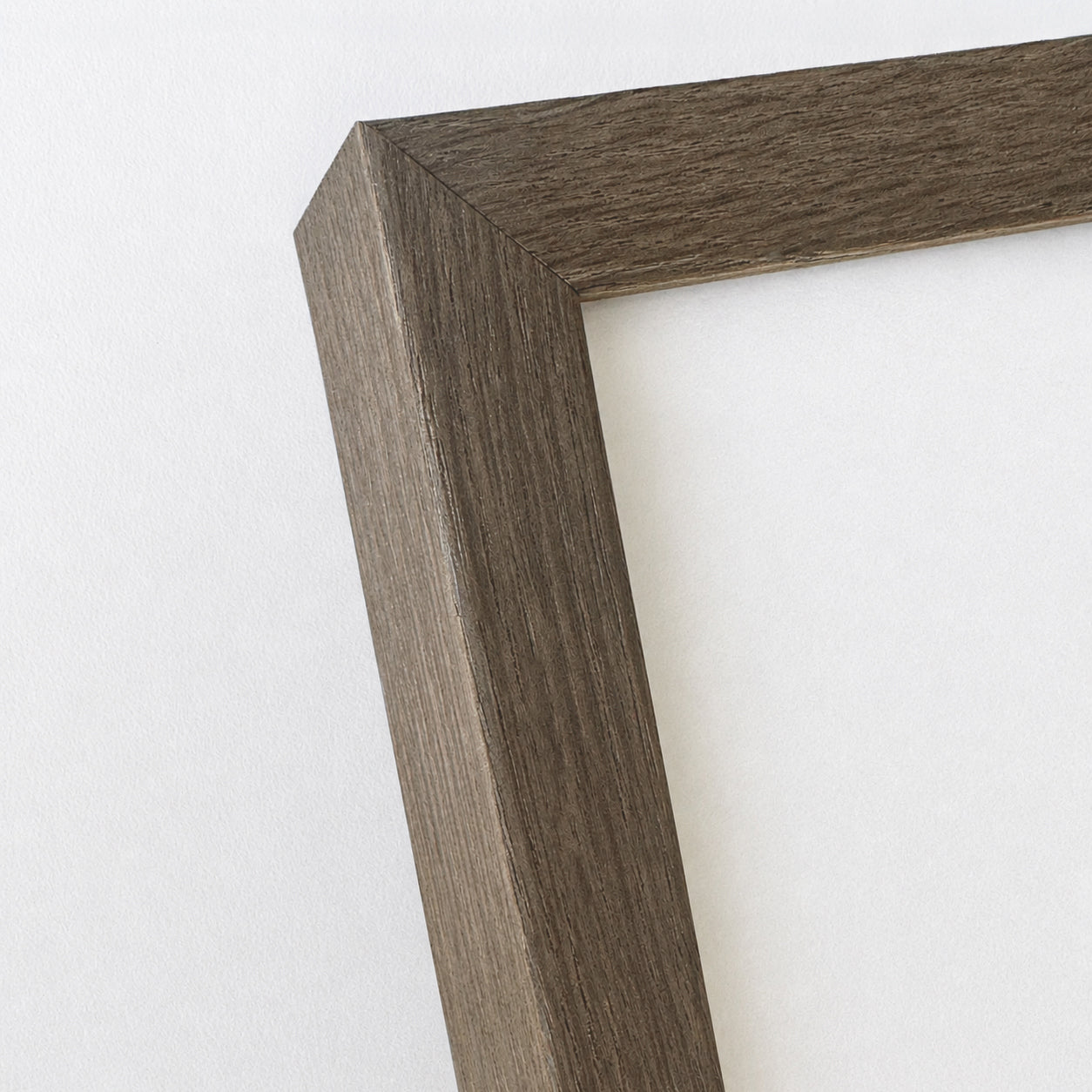
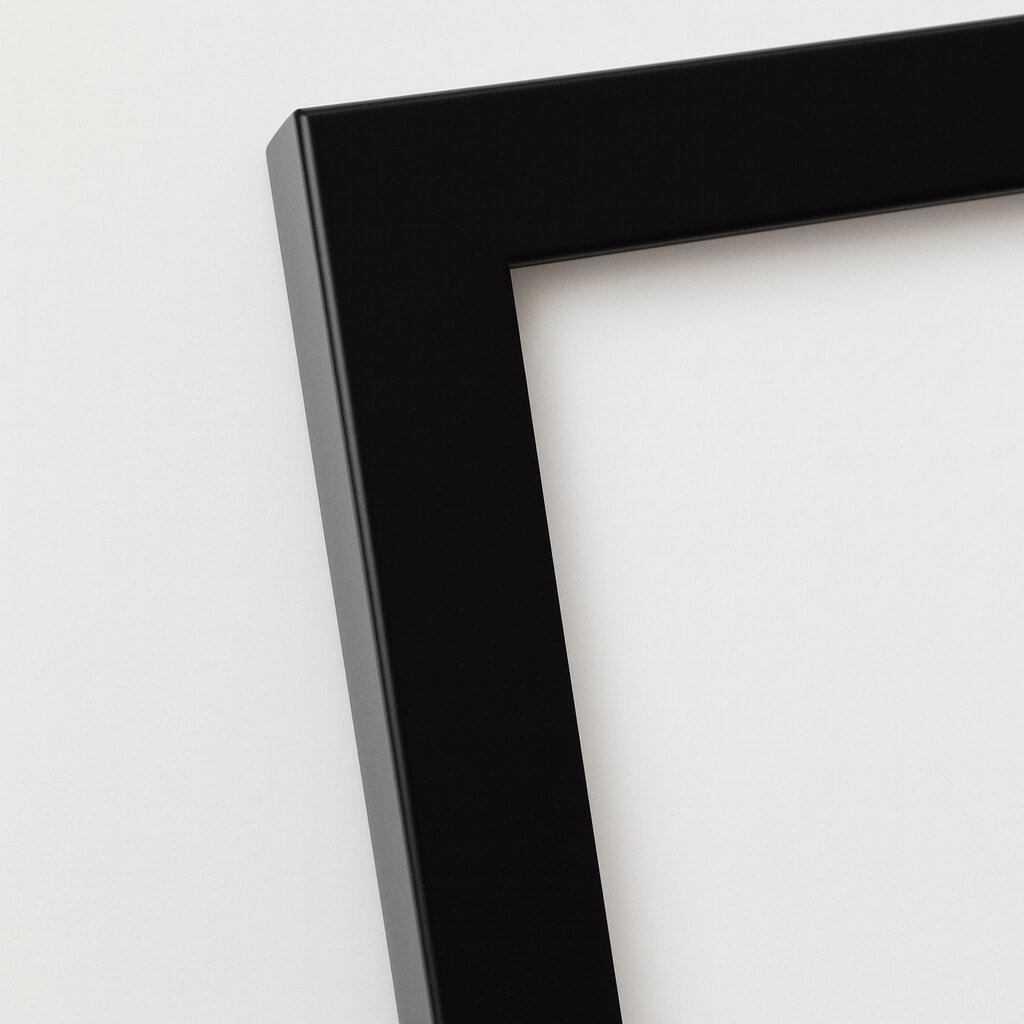
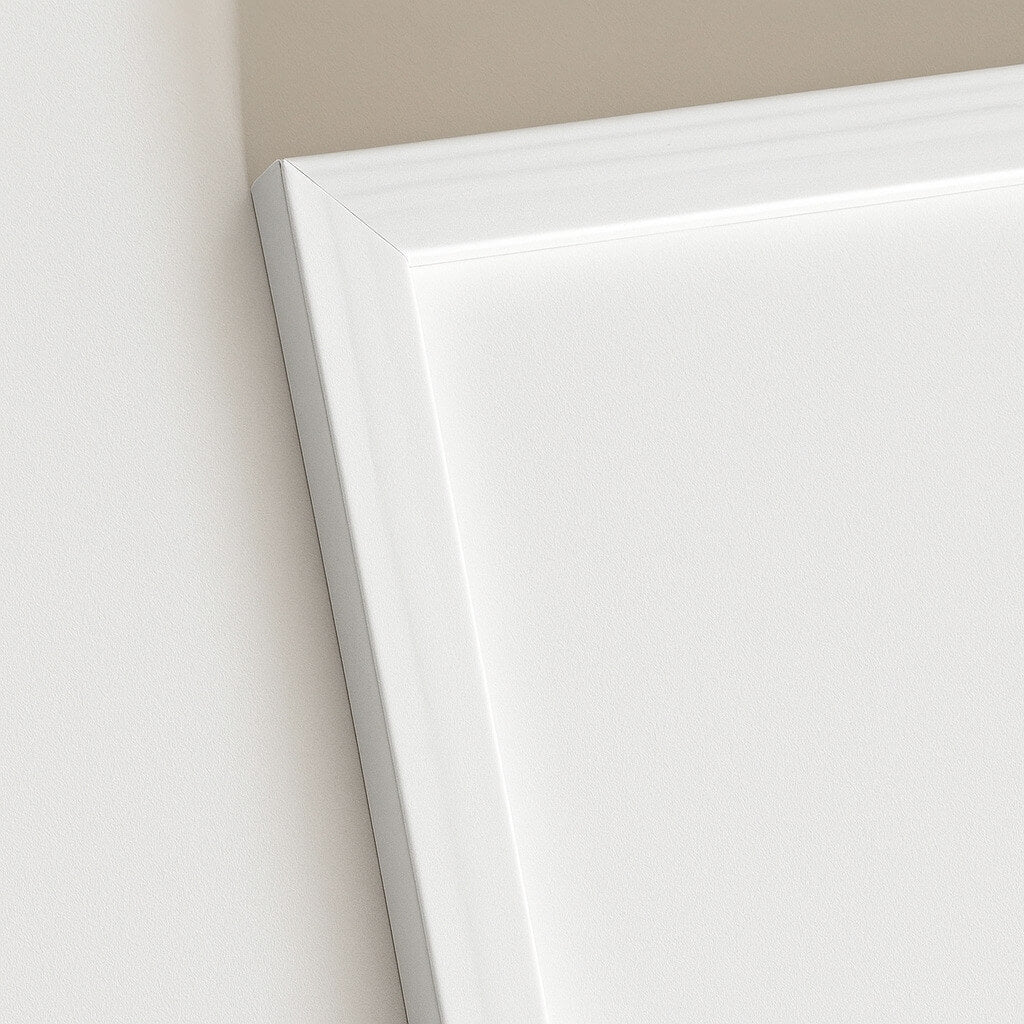
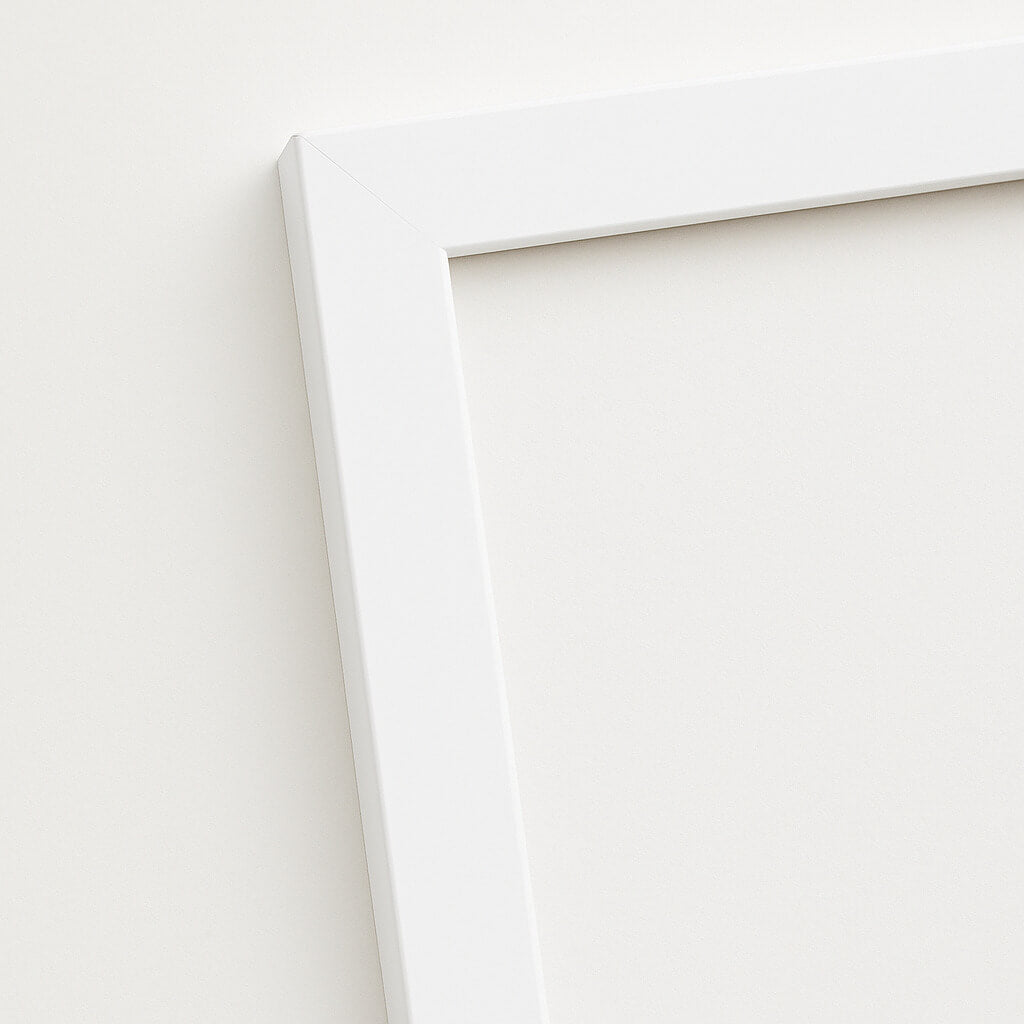
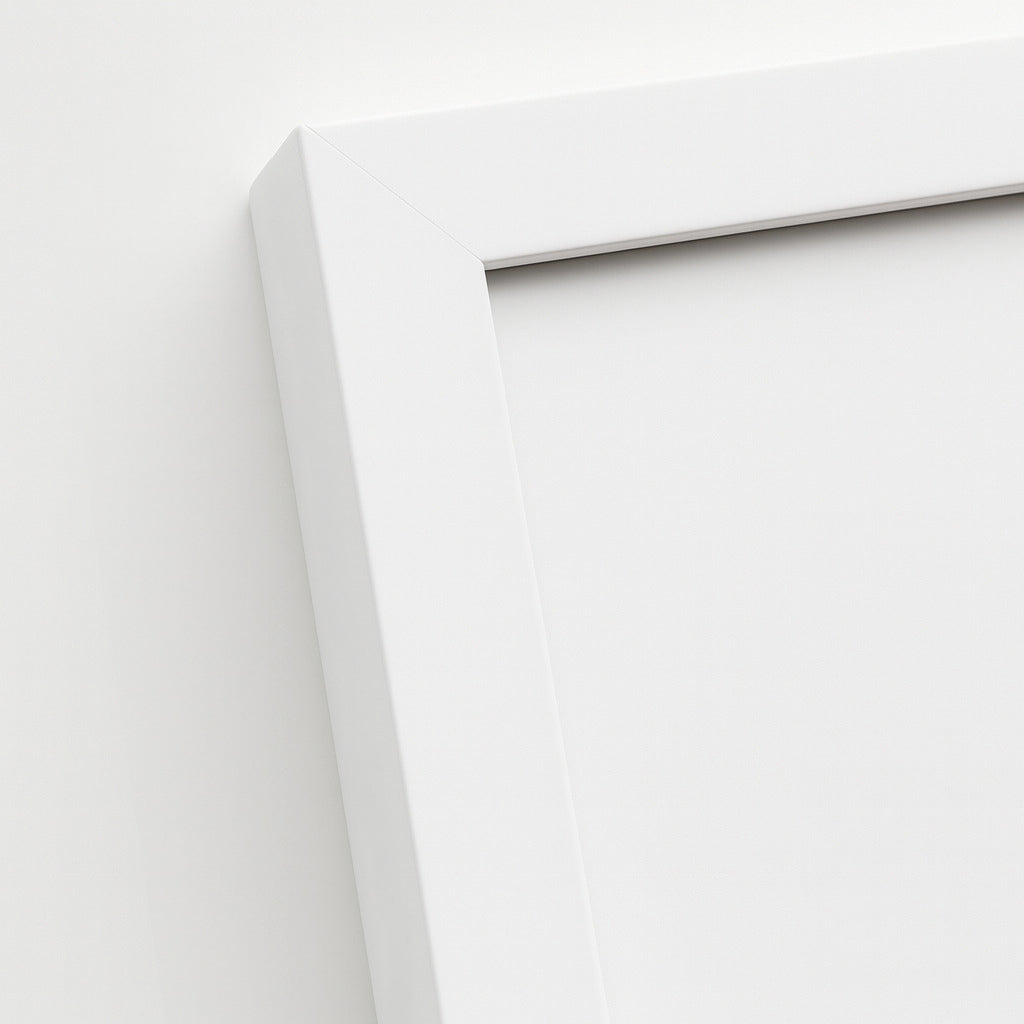
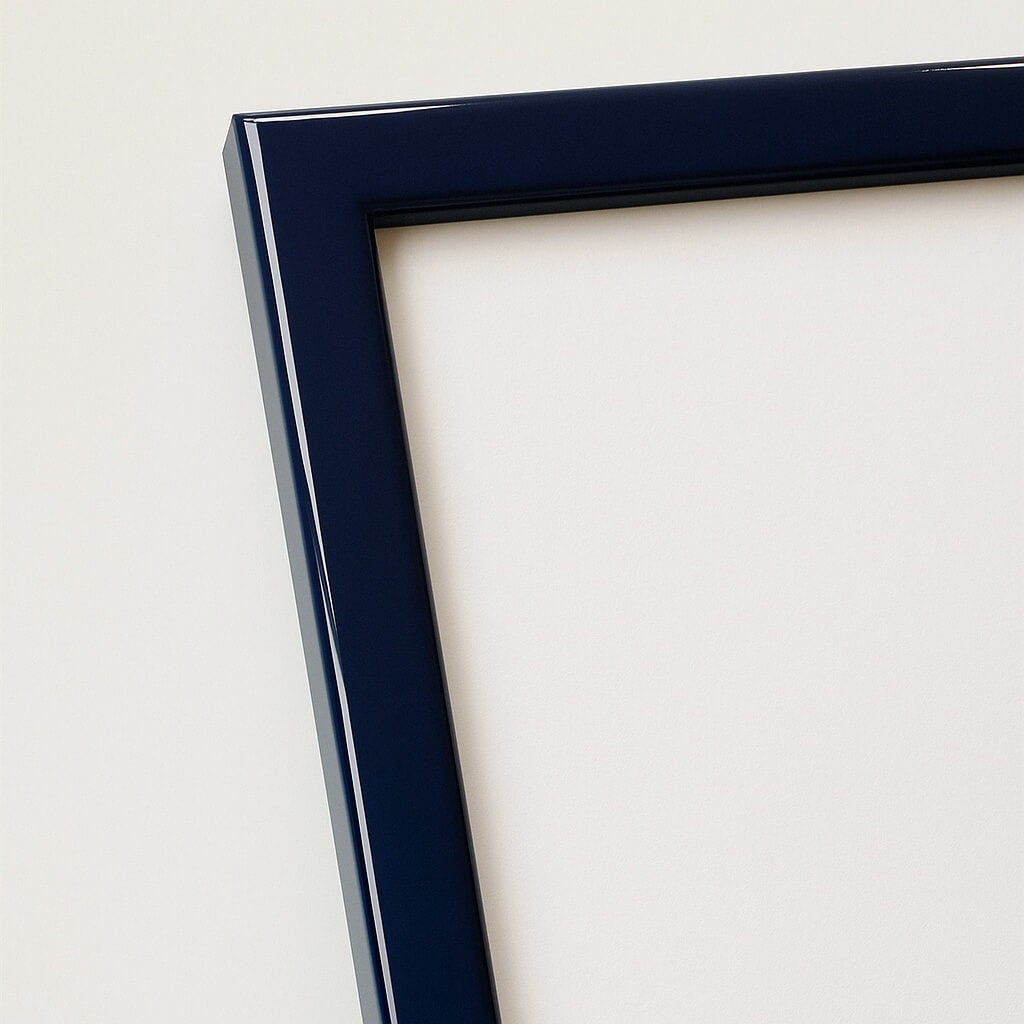
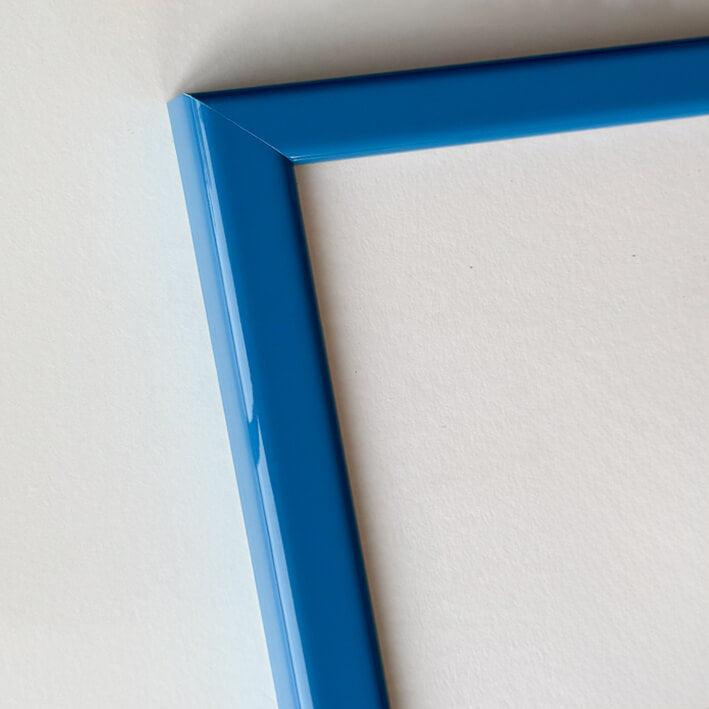
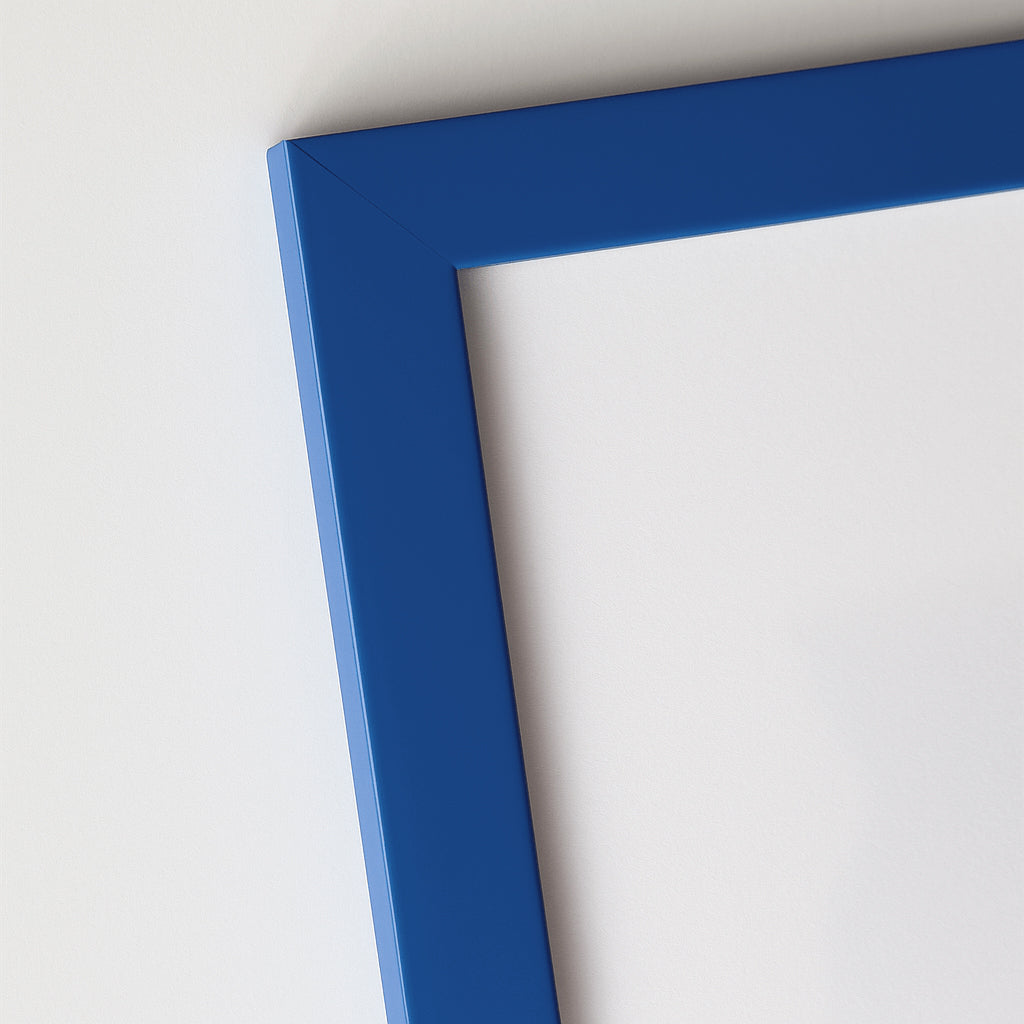
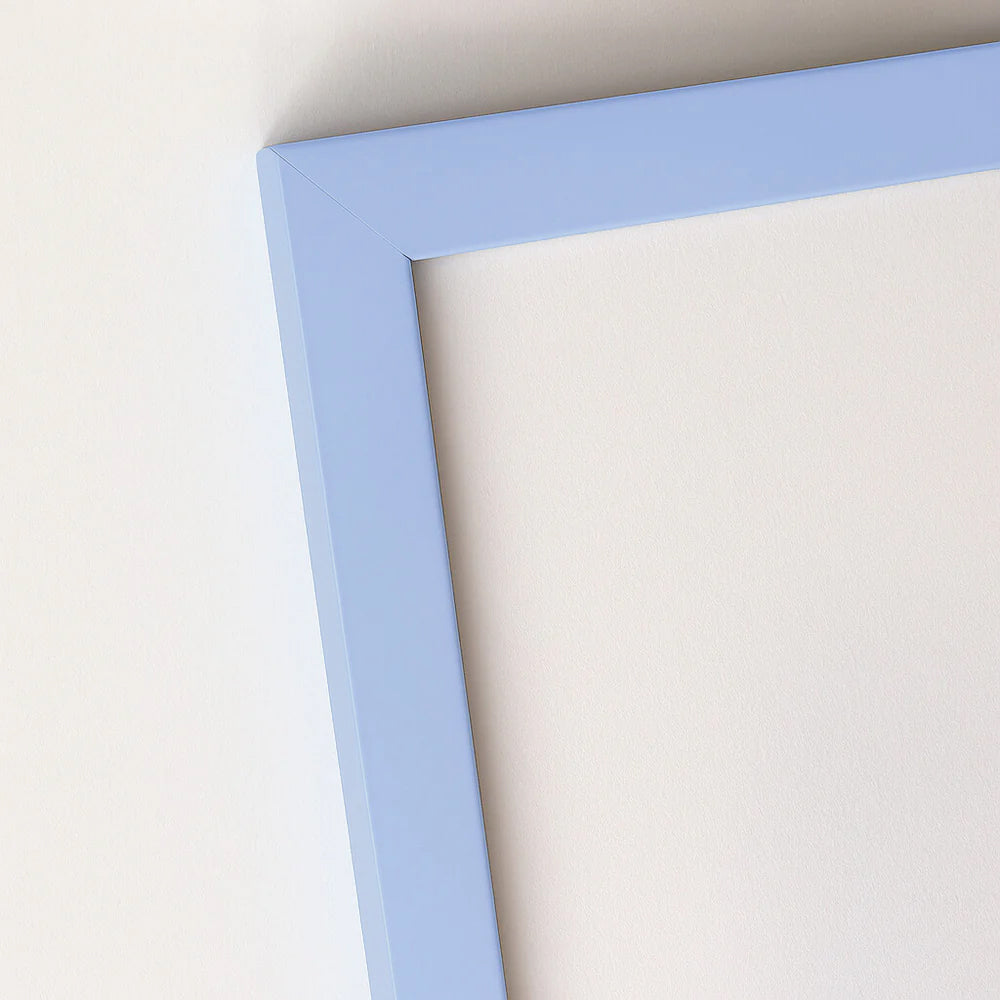
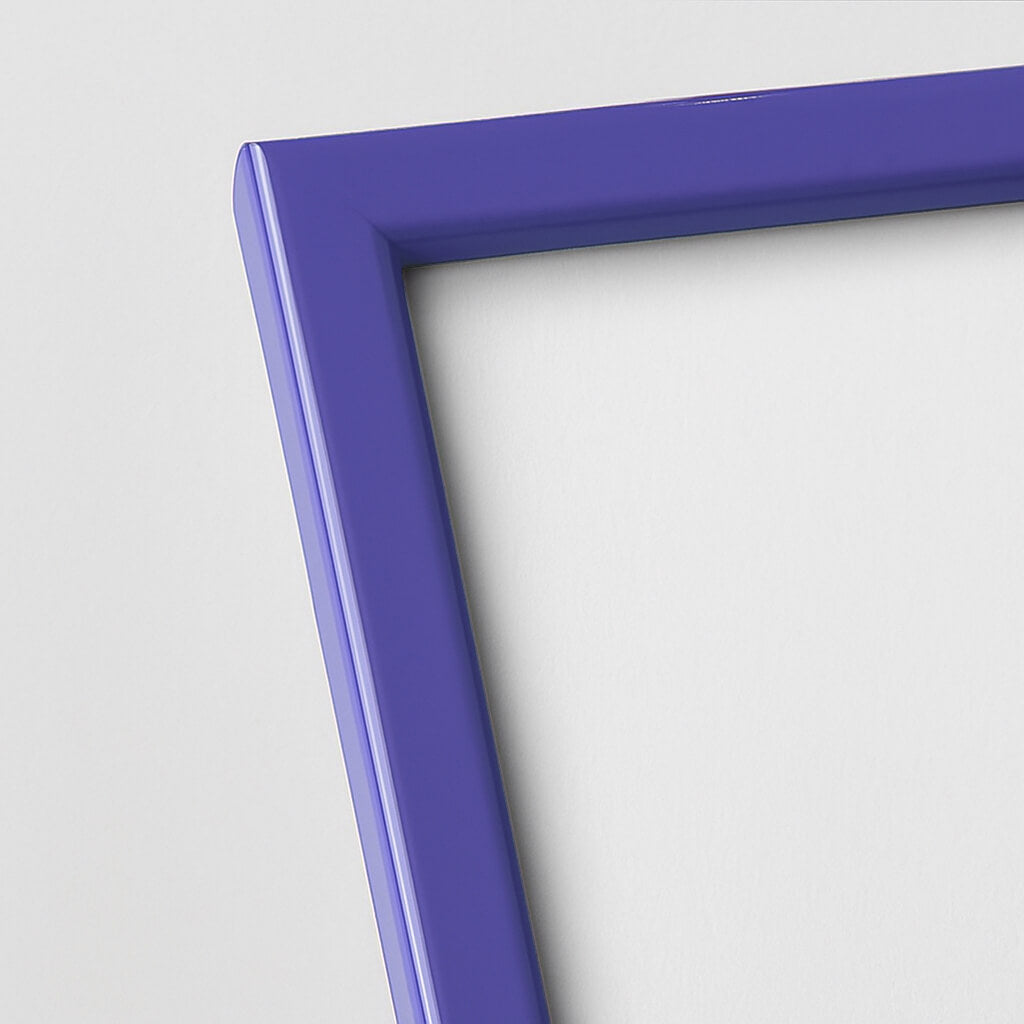
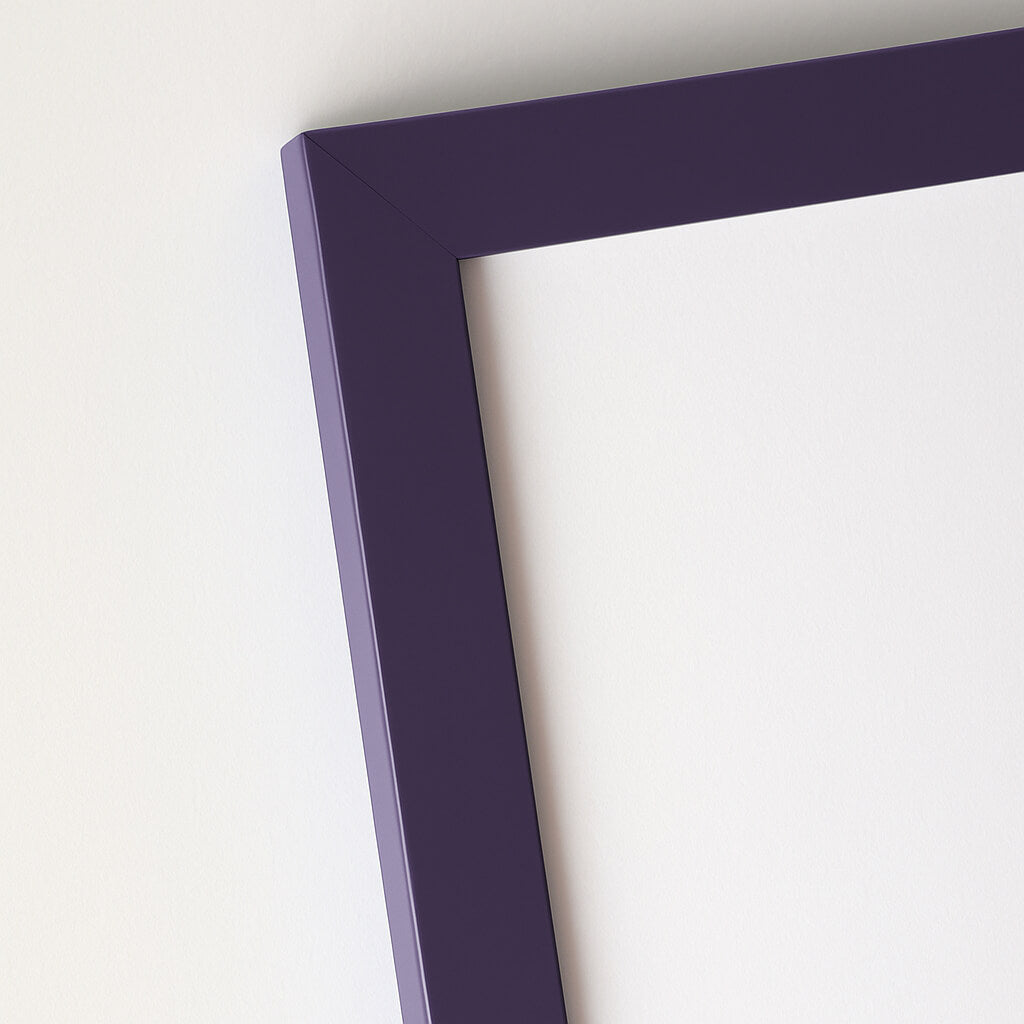
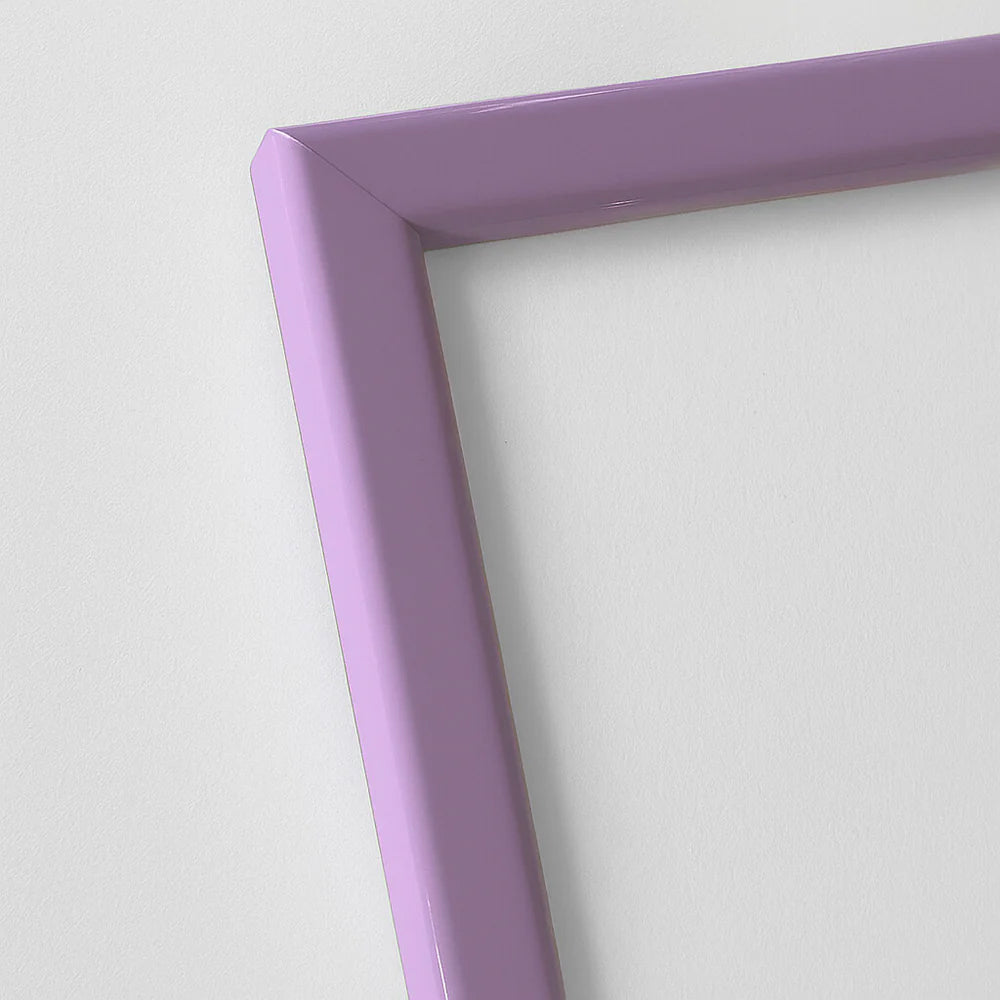
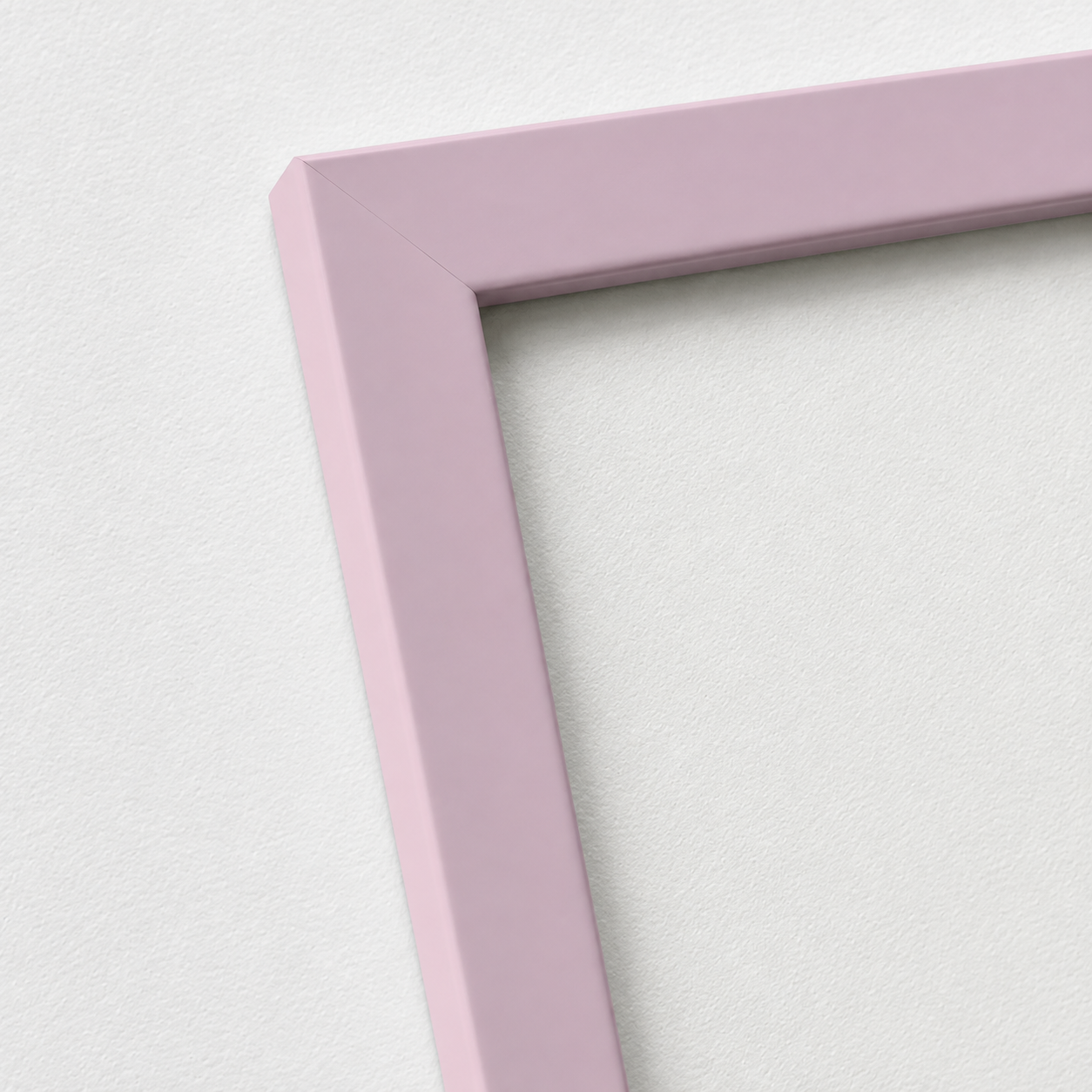
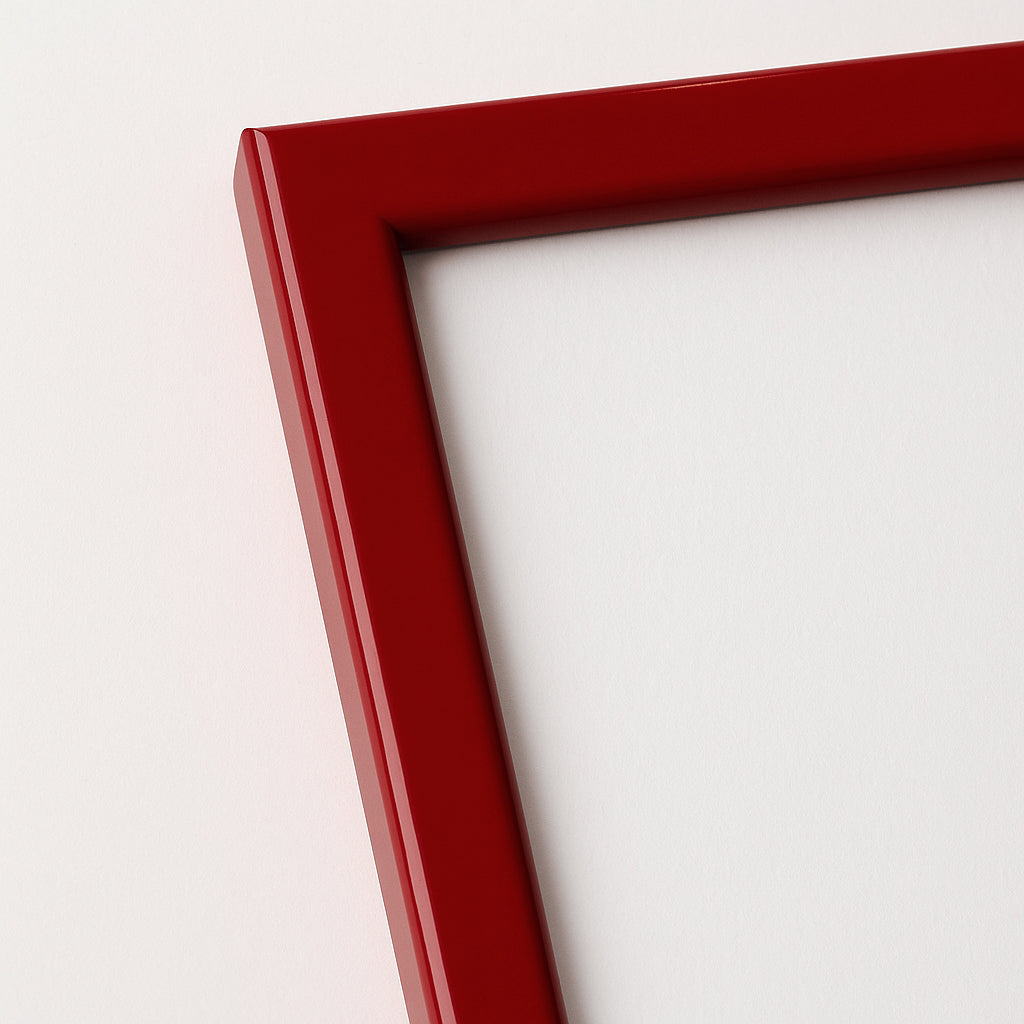
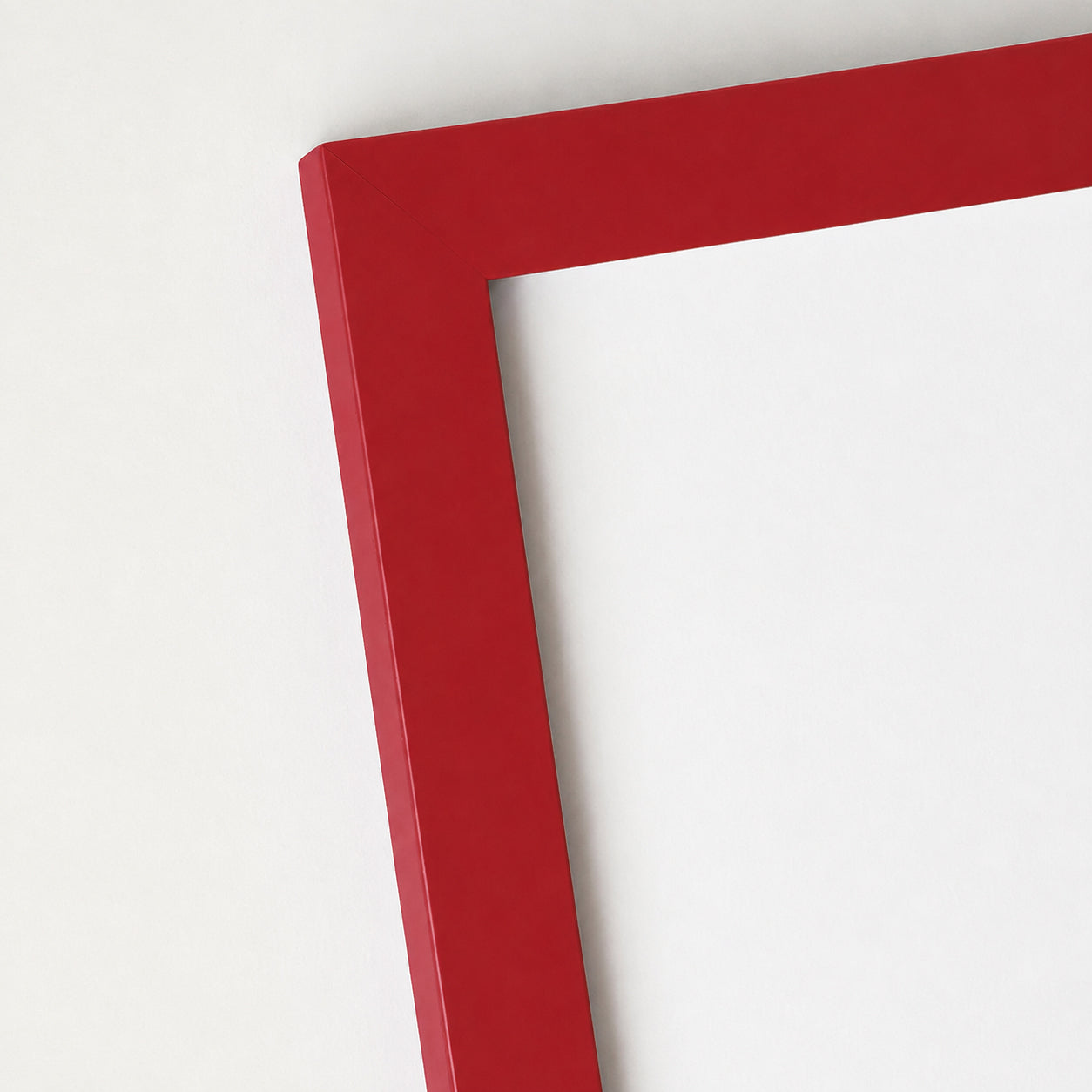
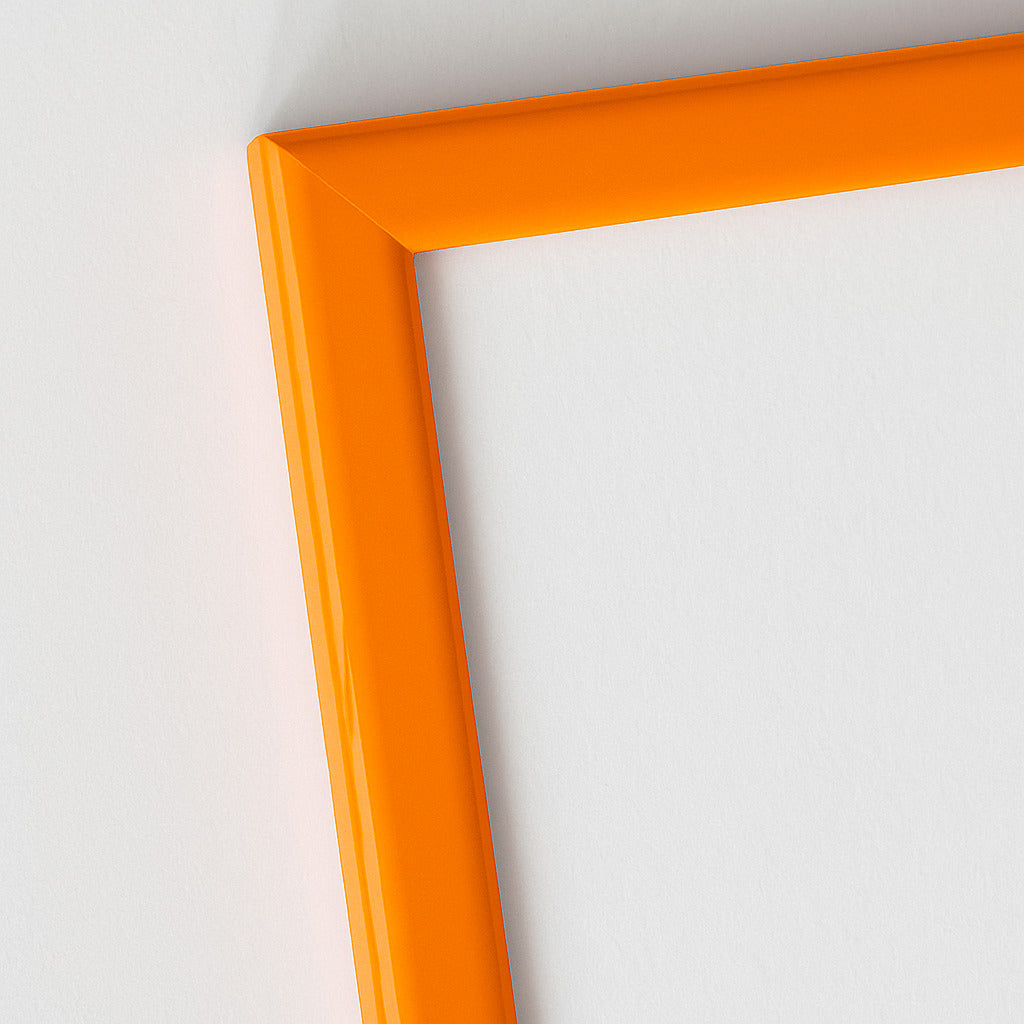
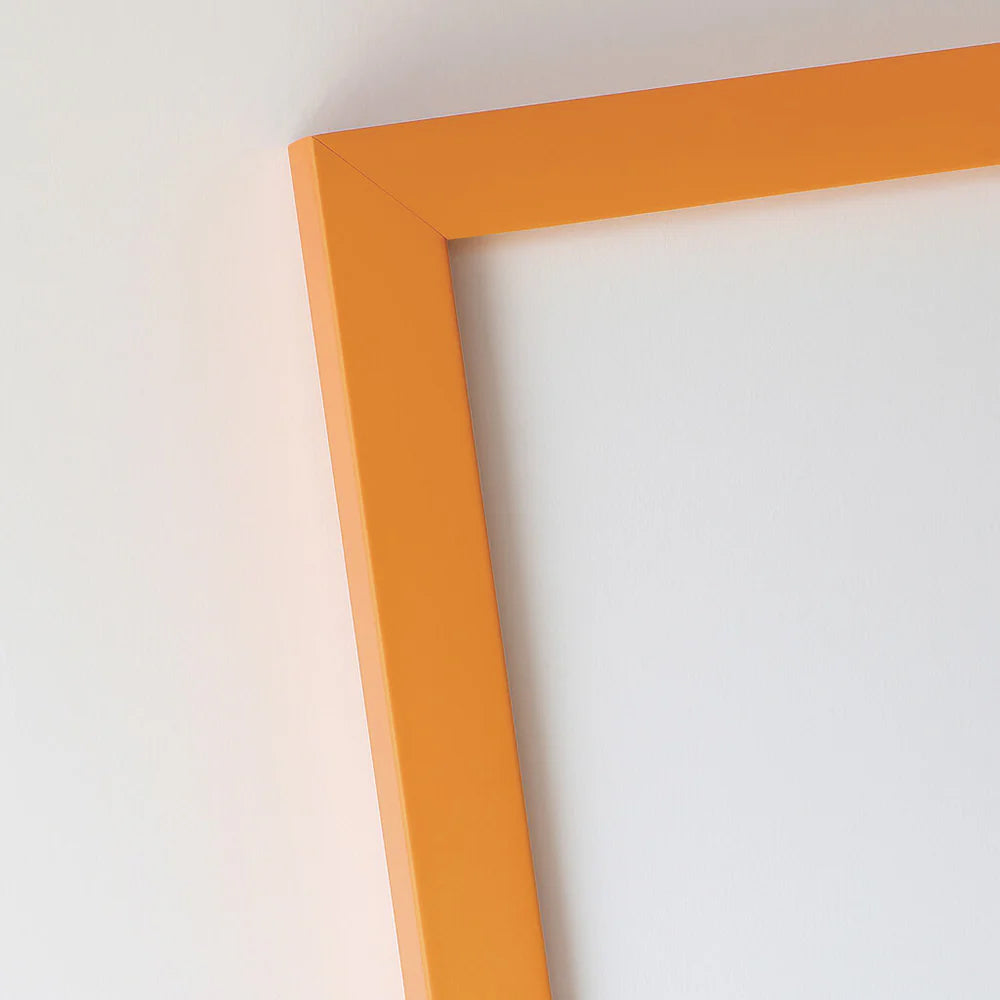
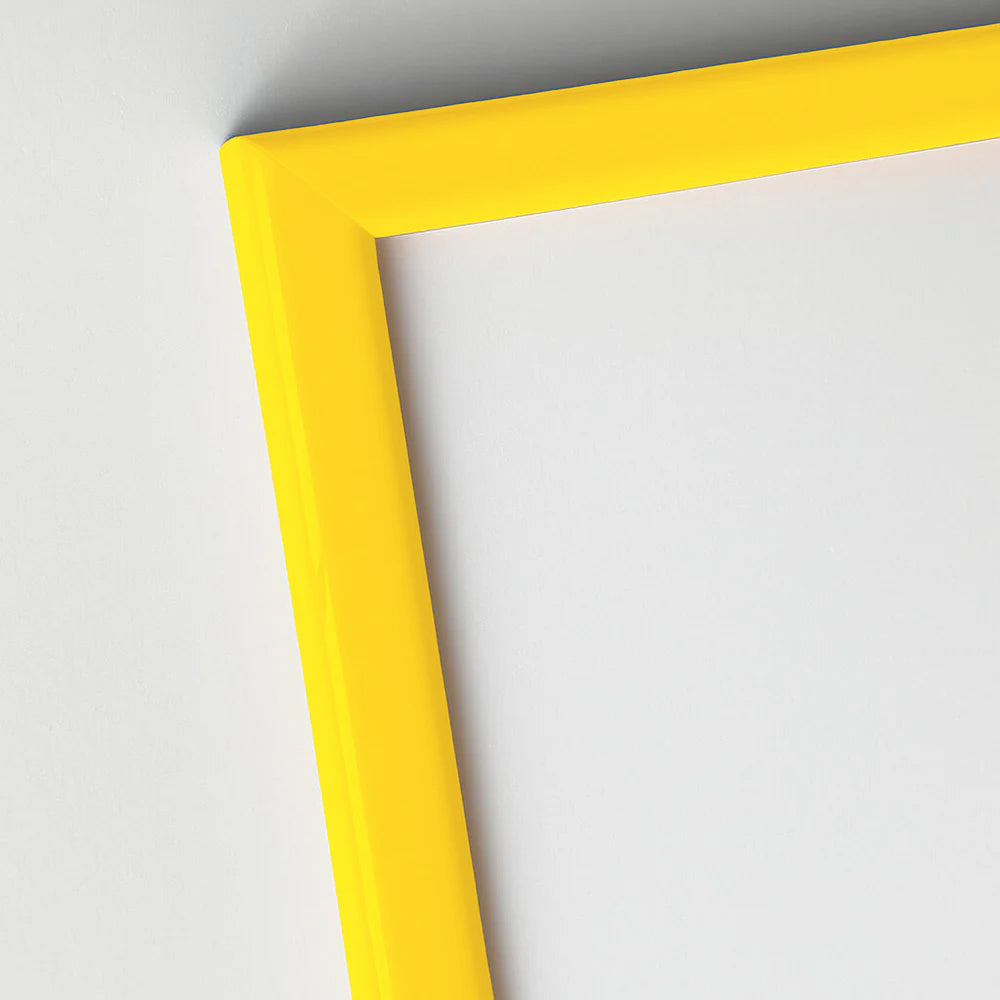
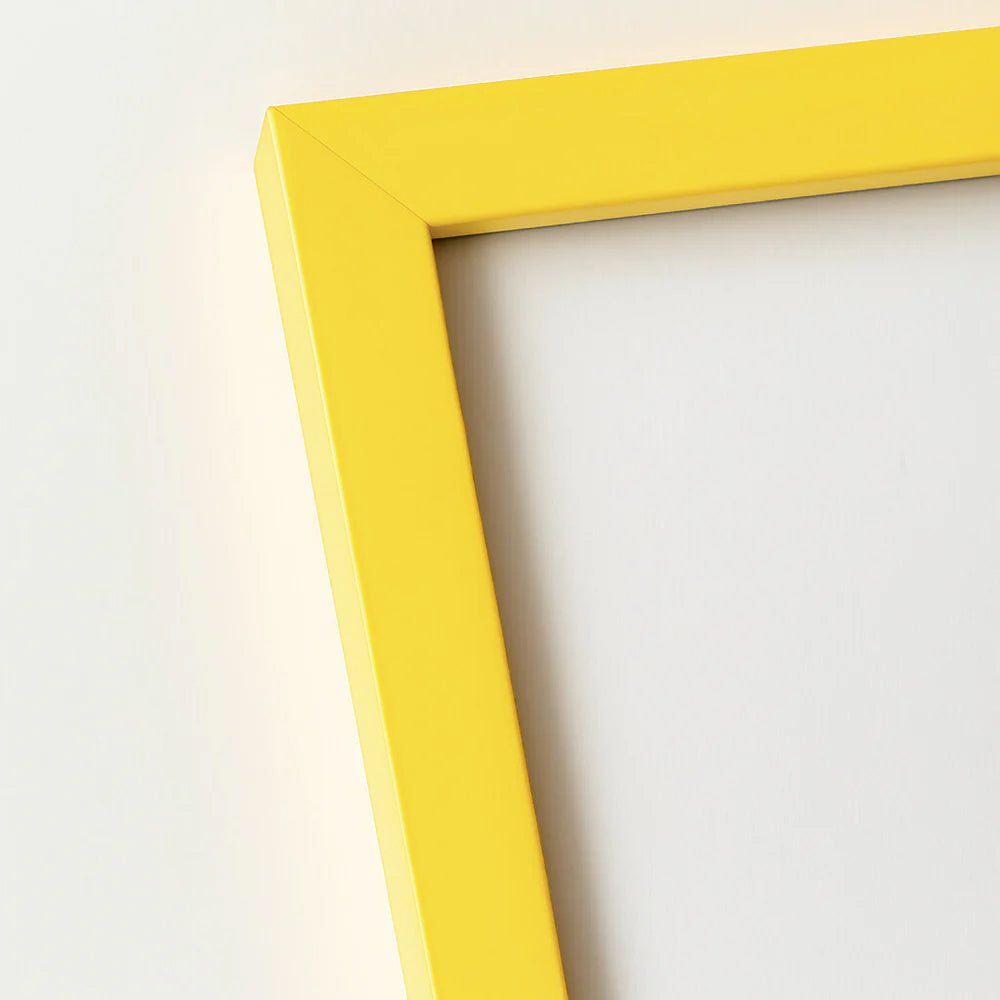
Upload an image of your artwork to our frame designer and switch between wood types, colours, profiles and passepartouts. The preview updates with every change, so you can see whether a graphic print looks best in a black profile or a drawing gains warmth from a light wood.
A 13x17 picture frame can be used upright or landscape. It also makes a thoughtful gift when a card or small print deserves more than a spot on the noticeboard.
Recently seen
13x17 frames with
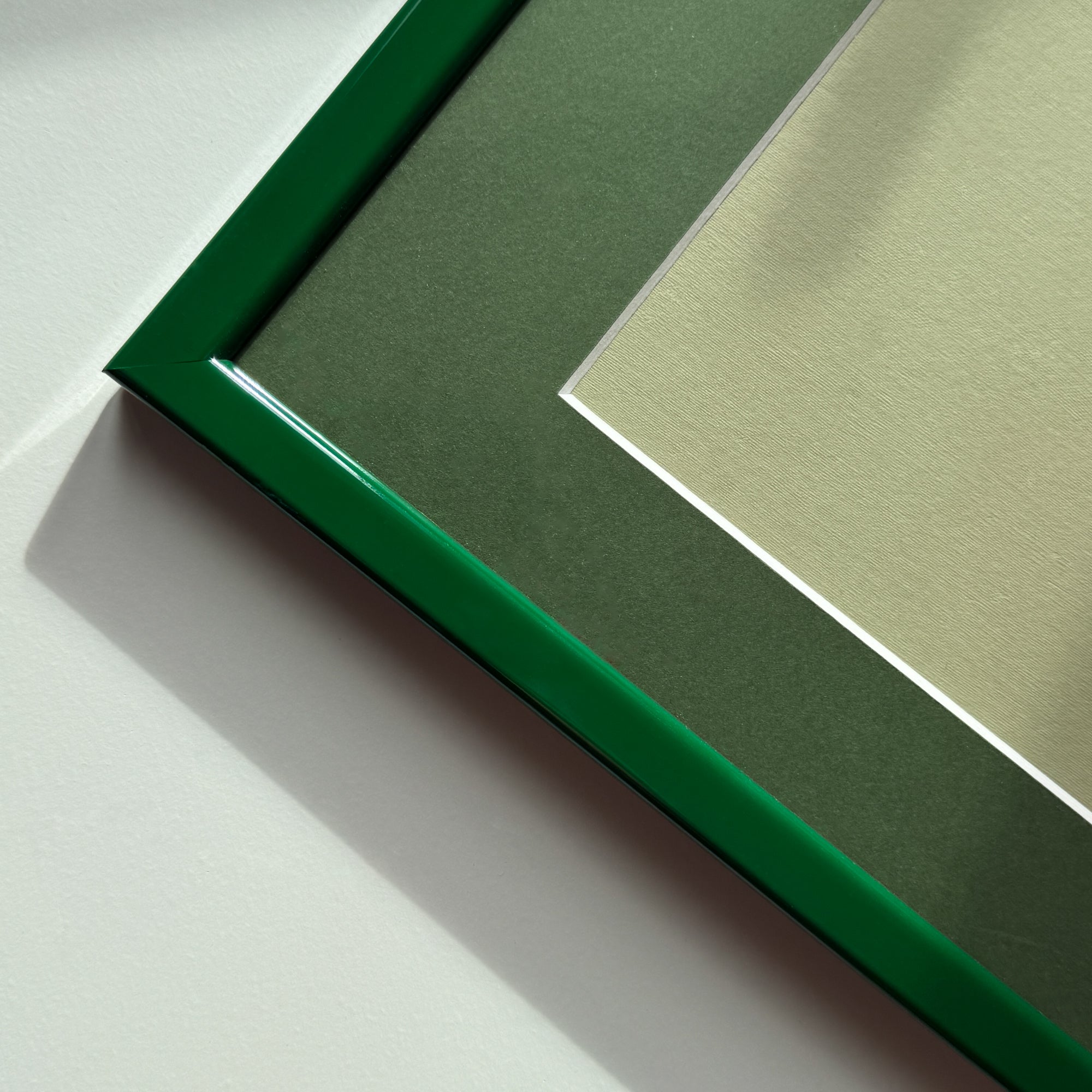
Passepartout
A 10×13 cm photo or print fits nicely in a 13x17 frame with a passepartout. The border is approx. 1.5 cm at the sides and 2 cm at the top and bottom, giving a light, balanced look. The passepartout is made from 1.5 mm thick board and creates space between the picture and the frame.
If you have a 13×17 cm picture that needs a passepartout, choose a larger frame. In an 18×24 cm frame, the border is approx. 2.5 cm at the sides and 3.5 cm at the top and bottom, in a 20×25 cm frame approx. 3.5 and 4 cm, and in a 24×30 cm frame approx. 5.5 and 6.5 cm. You can also choose a made-to-measure frame.
The passepartout is available in 20 colours. Enter the dimensions of your picture and we cut the opening 10 mm smaller in both width and height. The passepartout then overlaps the picture by 5 mm on each side, and the picture can be taped to the back.
Select a frame above to see it in the various passepartout colours.
Glass for your 13x17 frame
Which should you choose?
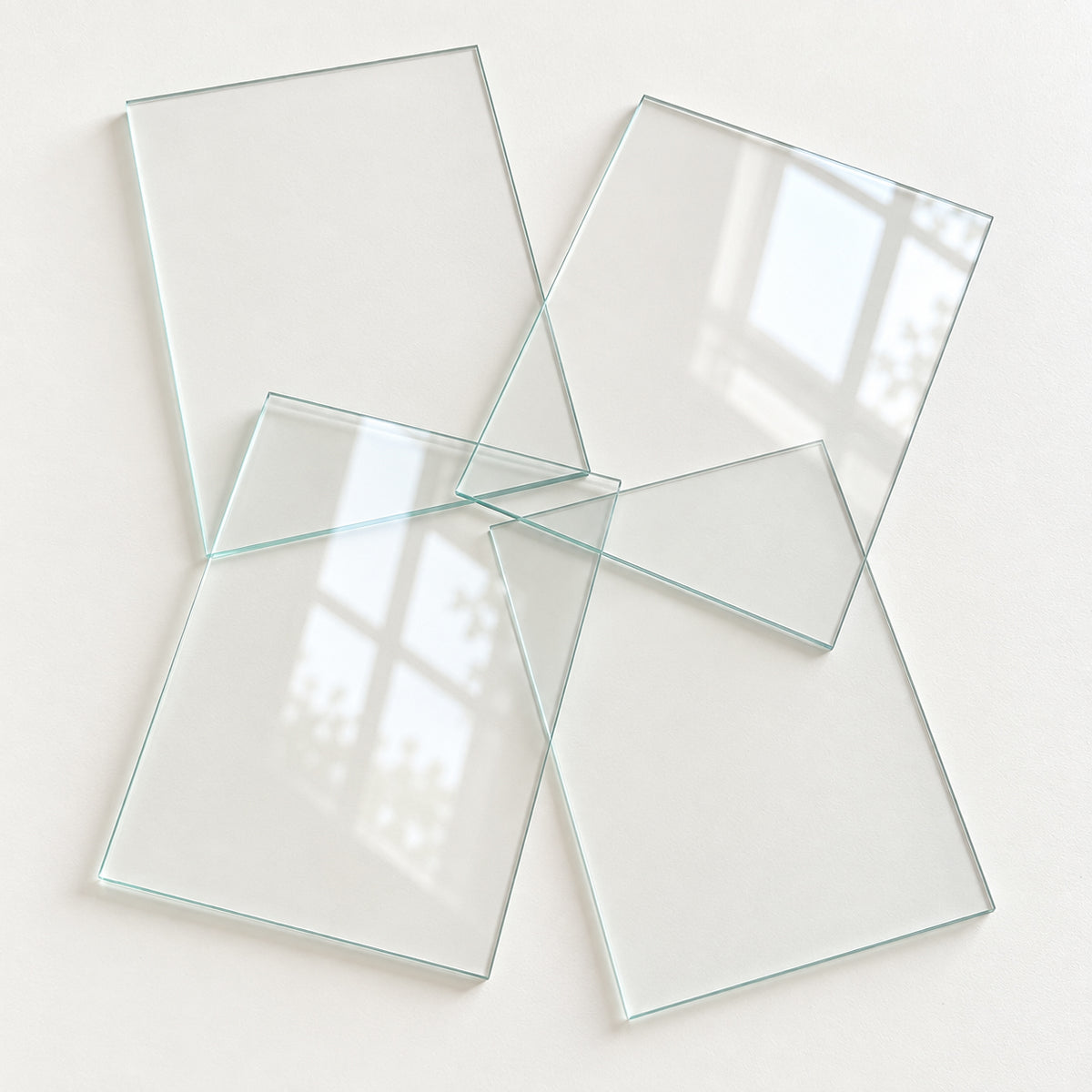
Small art prints and cards often have fine lines and details that invite a closer look. For a 13×17 cm frame, the clarity and reflections of the glass therefore matter more than its weight. You can choose from four types of glass.
Standard glass is an affordable choice that reproduces colours and details clearly. It is more scratch-resistant than acrylic glass, but reflections from windows and lamps are visible, and the glass can break if knocked or dropped.
Acrylic glass is light and shatter-resistant, which makes it a good choice for a child’s room or a shelf where the frame might be knocked over. It reflects light like standard glass and scratches more easily, so wipe it with a soft cloth. Remove the protective film from both sides before framing.
Non-reflective glass has a matt surface that reduces reflections. Fine lines and colours may look slightly softer, particularly when the passepartout creates a gap between glass and artwork. Reflections do not disappear entirely.
Museum glass offers high clarity, fewer reflections and UV protection that helps limit fading, while preserving detail without a matt effect. It costs more, and faint reflections may still occur. Even with museum glass, do not place the frame in direct sunlight.
Shipping of 13x17 frames worldwide
FedEx or GLS
We ship your 13×17 cm frame by GLS or FedEx to addresses worldwide. In Sweden, Germany, Belgium and Poland, you can also collect it from a GLS parcel shop.
Real glass makes shipping significantly more expensive than acrylic glass, because glass weighs more and must be handled with extra care in transit. This increases both our shipping costs and the risk of damage.
Every frame is packed with care so that it is well protected on the way, and the vast majority of frames with glass arrive safely.
13x17 frames with or without
Backing paper
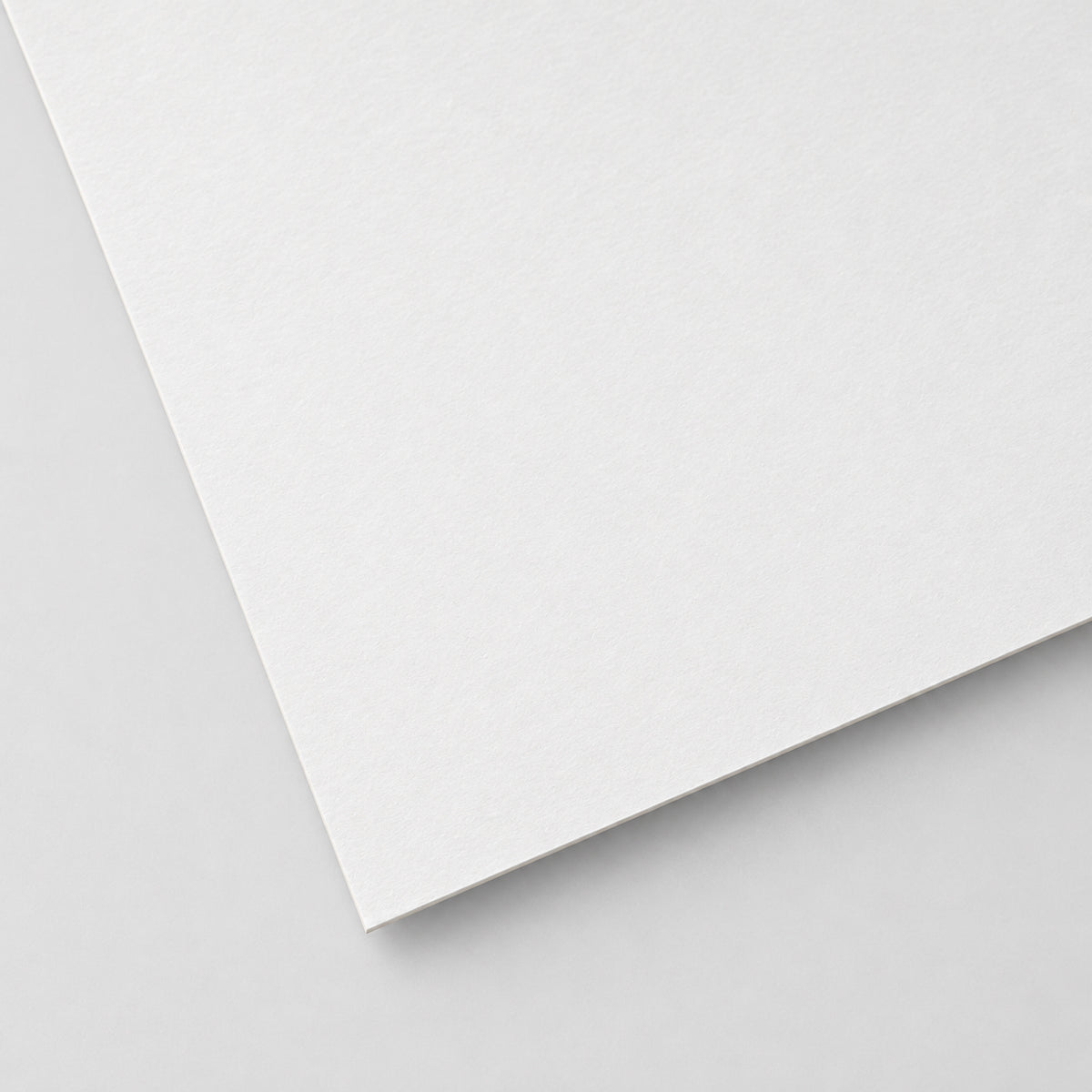
Your frame is supplied without backing paper as standard, as most customers manage without it. If you would like it, you can add 1 mm thick backing paper in a subtle off-white with a fine texture.
Backing paper makes it possible to frame pictures smaller than 13×17 cm with a visible background. It shows off a hand-printed card or a sketch with decorative or hand-torn edges, for example, so the whole sheet is included.
The paper also sits as an extra layer between the artwork and the backing board. For delicate art, both the backing paper and the mounting materials should be acid-free.

Assembling and hanging
13x17 frames
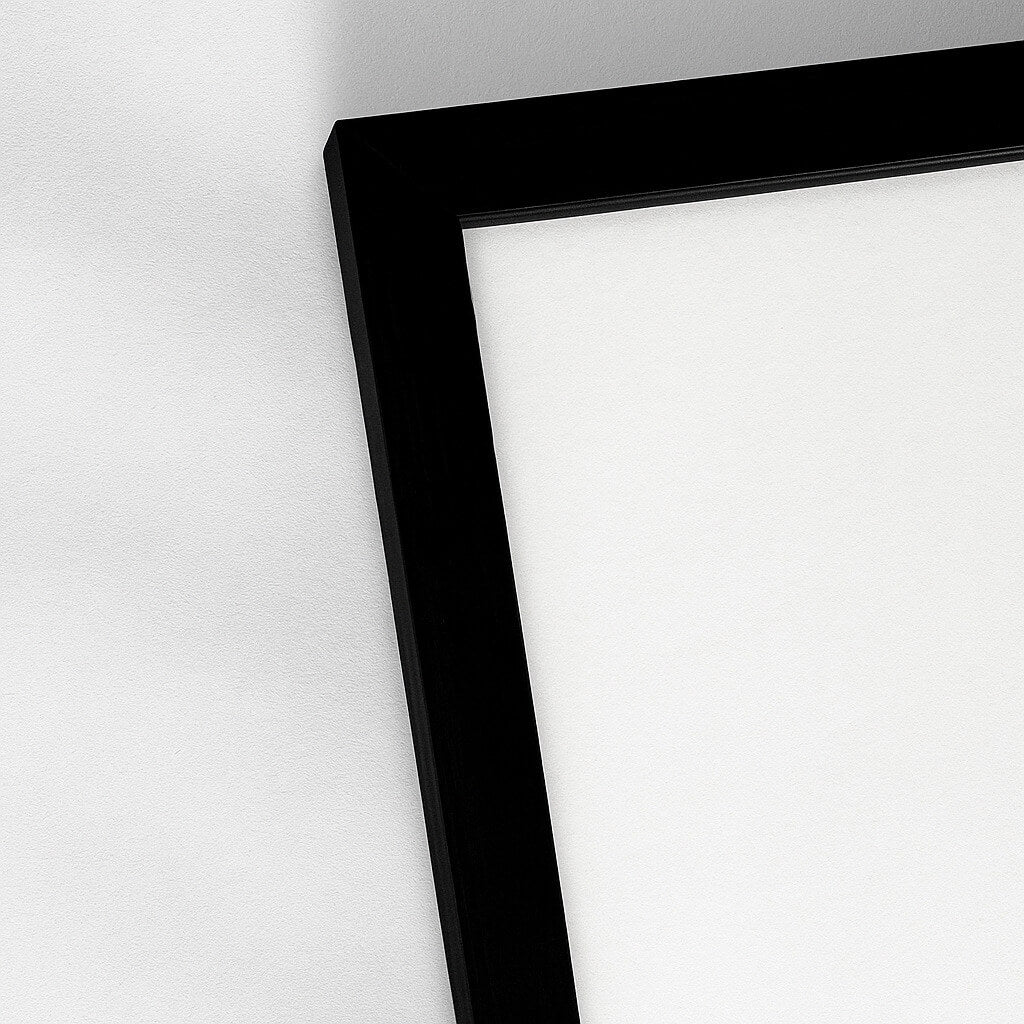
Place the frame face down on a soft surface and bend up the black metal tabs on the back. You can then lift out the hardboard backing.
Remove any dust from the inside of the glass with a soft, dry cloth. If the frame has acrylic glass, remove the protective film from both sides. Insert your picture, replace the backing and bend the tabs back in.
The frame has both a support stand and a hanging bracket, so it can stand on a desk or hang on the wall. To hang it, tilt the bracket out slightly so it can hook onto a screw or nail. Use a fixing that suits your wall type and can carry the weight of the frame.