



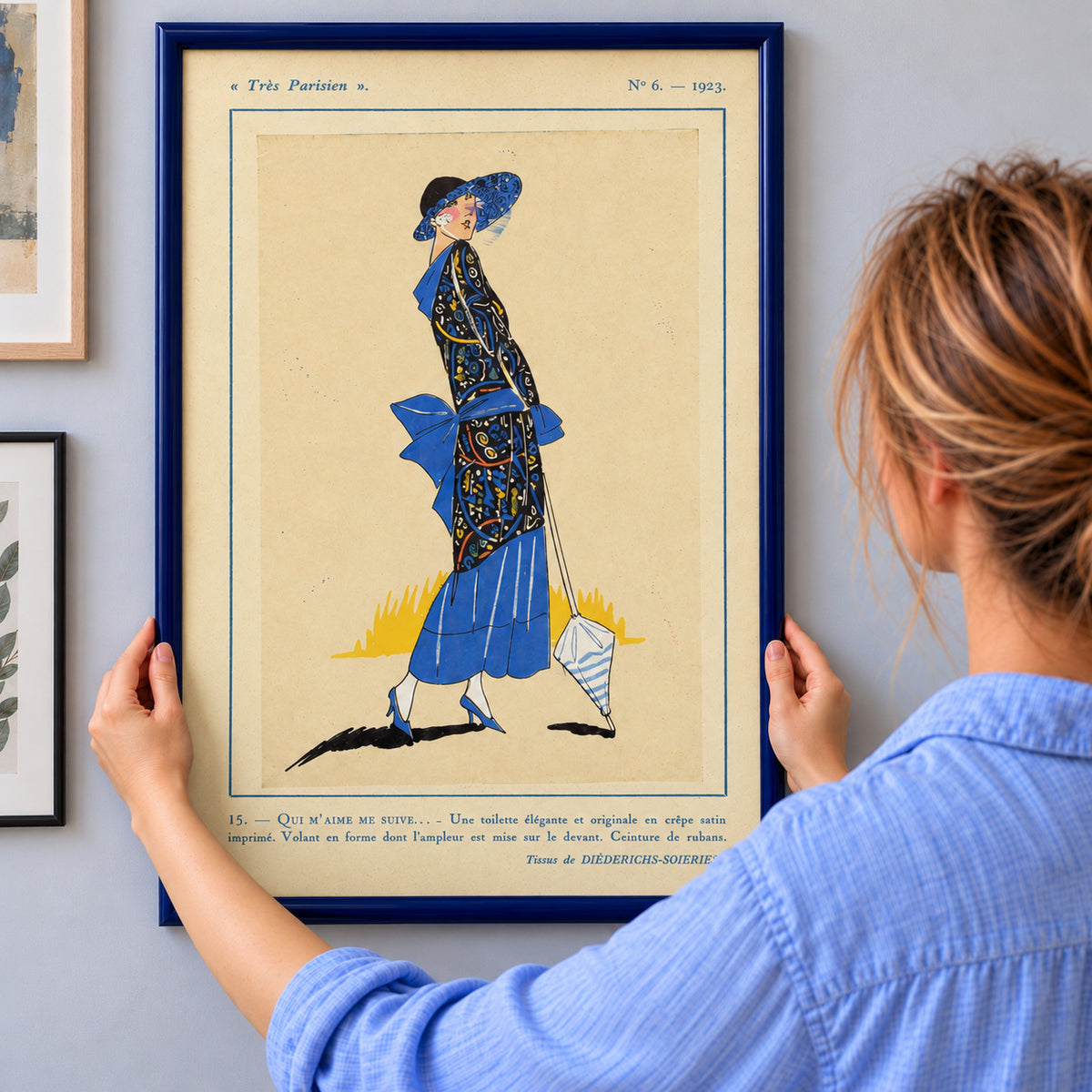
For slender artwork
See the proportions on the wall
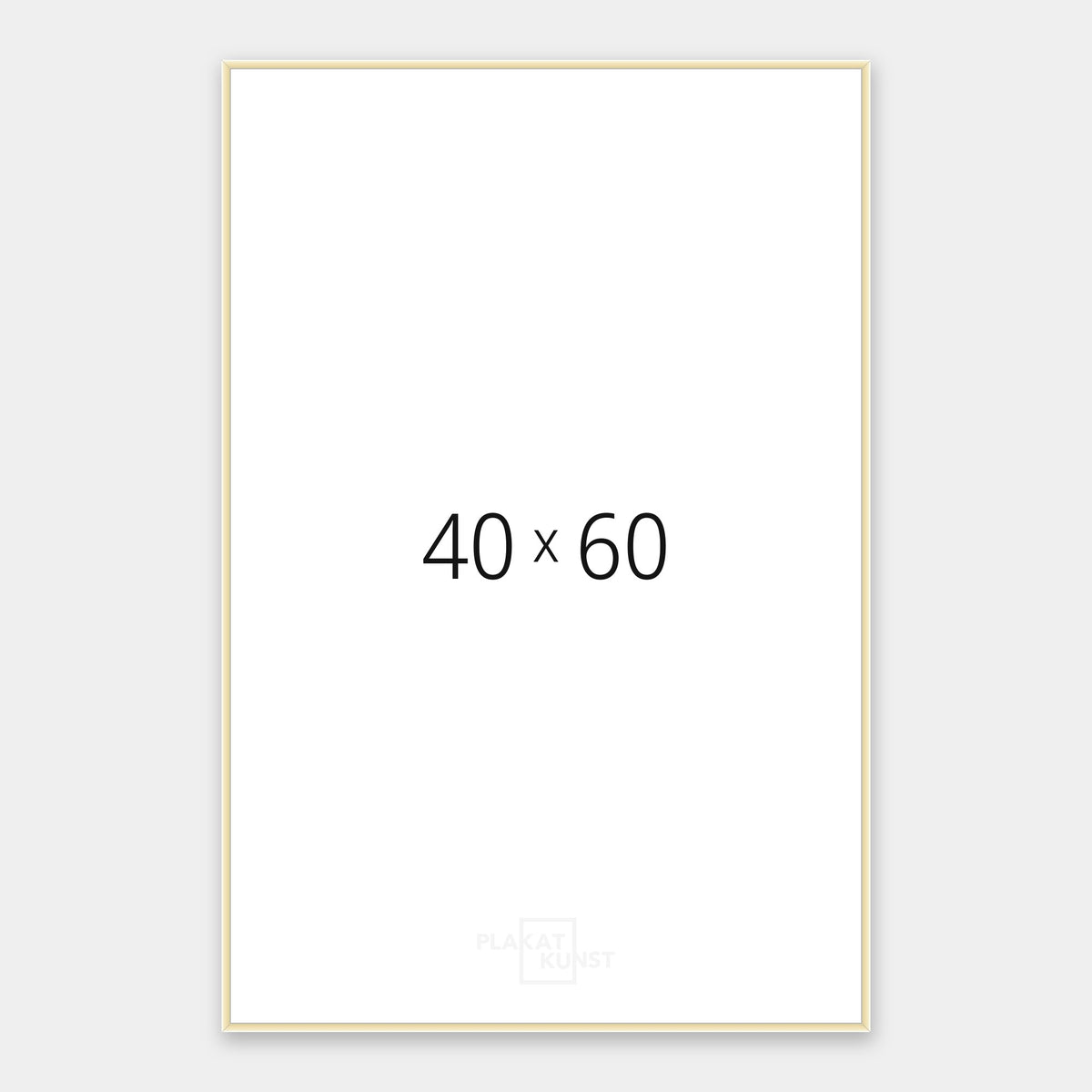
A 40x60 frame has a distinctly elongated shape. In portrait, it suits narrow sections of wall, for example between two windows, beside a door or along a staircase. Hung landscape, it can take a seascape or cityscape above a bench or a low bookcase.
Many people know the 2:3 ratio from camera sensors, and 40×60 cm is a common size for photo enlargements. Posters with tall, slender compositions, such as botanical prints or typographic posters, also come into their own in this format.
In the frame designer, upload your artwork and see it with different wood types, colours and profiles. Try how a passepartout changes the balance between artwork and frame, and compare combinations in the preview, which updates as you go.
Recently seen
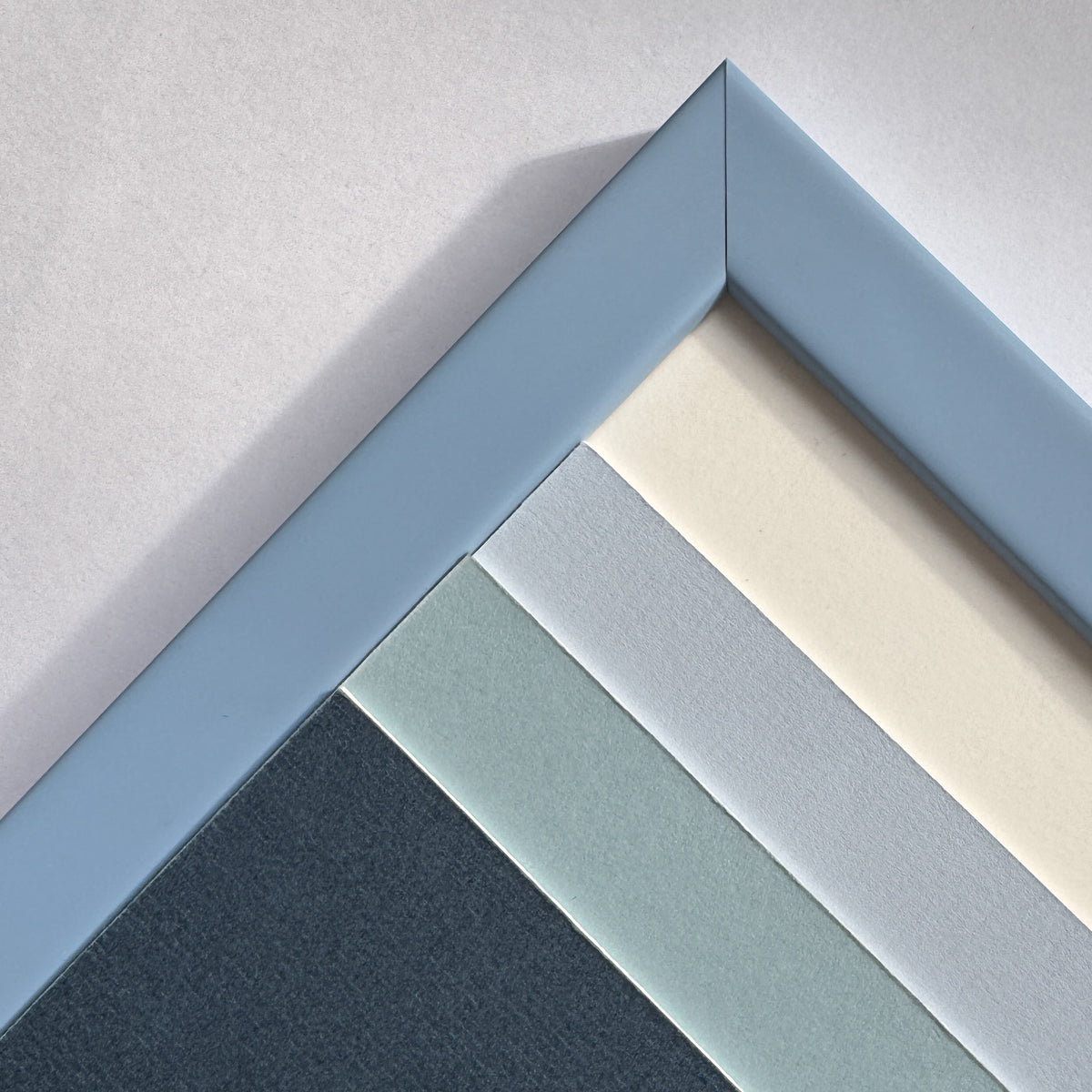
40x60 frames with
Passepartout
A 30×45 cm photo has the same proportions as a 40x60 frame and, with a passepartout, gets approx. 5 cm at the sides and 7.5 cm at the top and bottom. An A3 print gets approx. 5 cm at the sides and 9 cm at the top and bottom, while an A3+ print (32.9×48.3 cm) gets a narrower border of approx. 3.5 and 6 cm.
The passepartout is made from 1.5 mm thick board and comes in 20 colours. Enter the size of your picture, and the opening is automatically made 10 mm smaller in width and height. The passepartout then overlaps the picture by 5 mm on all sides, and you can tape the picture to the back of the passepartout.
To frame a 40×60 cm picture with a passepartout, you need a larger frame. A 50×70 cm frame gives approx. 5 cm all round, and a 60×80 cm frame gives approx. 10 cm all round. You can also choose a made-to-measure frame.
Select a 40x60 frame above to see it in the 20 passepartout colours.
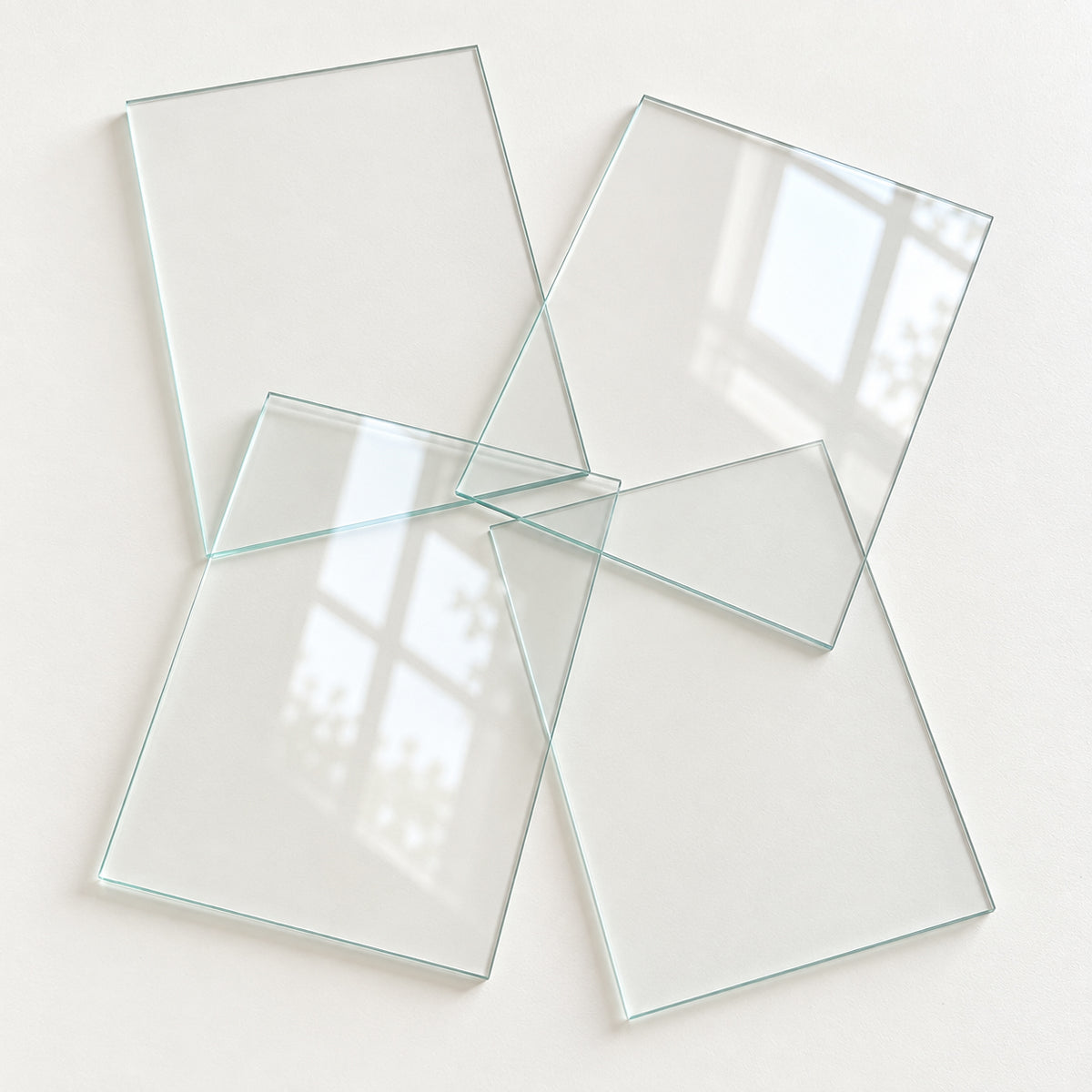
Should your 40x60 frame have
Real glass?
A 40x60 frame has a large glazed area, so weight and reflections are more noticeable than in smaller sizes. If the frame hangs in a hallway or on a staircase where people pass close by, safety matters too. There are four types of glass to choose from.
Acrylic glass is an obvious choice at this size because it is light and shatter-resistant. The frame is easier to hang and less vulnerable if it gets knocked. Acrylic reflects light like standard glass and scratches more easily, so clean it with a soft cloth and remember to remove the protective film from both sides.
Standard glass gives clear colours and sharp details at a reasonable price and is more scratch-resistant than acrylic. However, it reflects windows and lamps, weighs more and can break if knocked or dropped.
Non-reflective glass reduces reflections with its matt surface, which helps when light falls at an angle across a large area. Colours and details may look slightly softer, especially with a passepartout, and not all reflections are removed.
Museum glass offers high clarity, fewer reflections and UV protection that helps limit fading, without the matt effect. It is a good choice for a photograph you want to preserve, but it costs more, and faint reflections may still be visible. Avoid direct sunlight whatever the glass.
Shipping of 40x60 frames worldwide
FedEx or GLS
Your 40×60 cm frame is shipped worldwide with GLS or FedEx. GLS delivers to parcel shops in Sweden, Germany, Belgium and Poland.
Choosing real glass instead of acrylic glass increases the shipping price significantly. The glass weighs more and needs extra care in transit, which means higher shipping costs and a greater risk of damage.
We pack the frame carefully, and the vast majority of our frames with glass arrive undamaged.
40x60 frames with or without
Backing paper
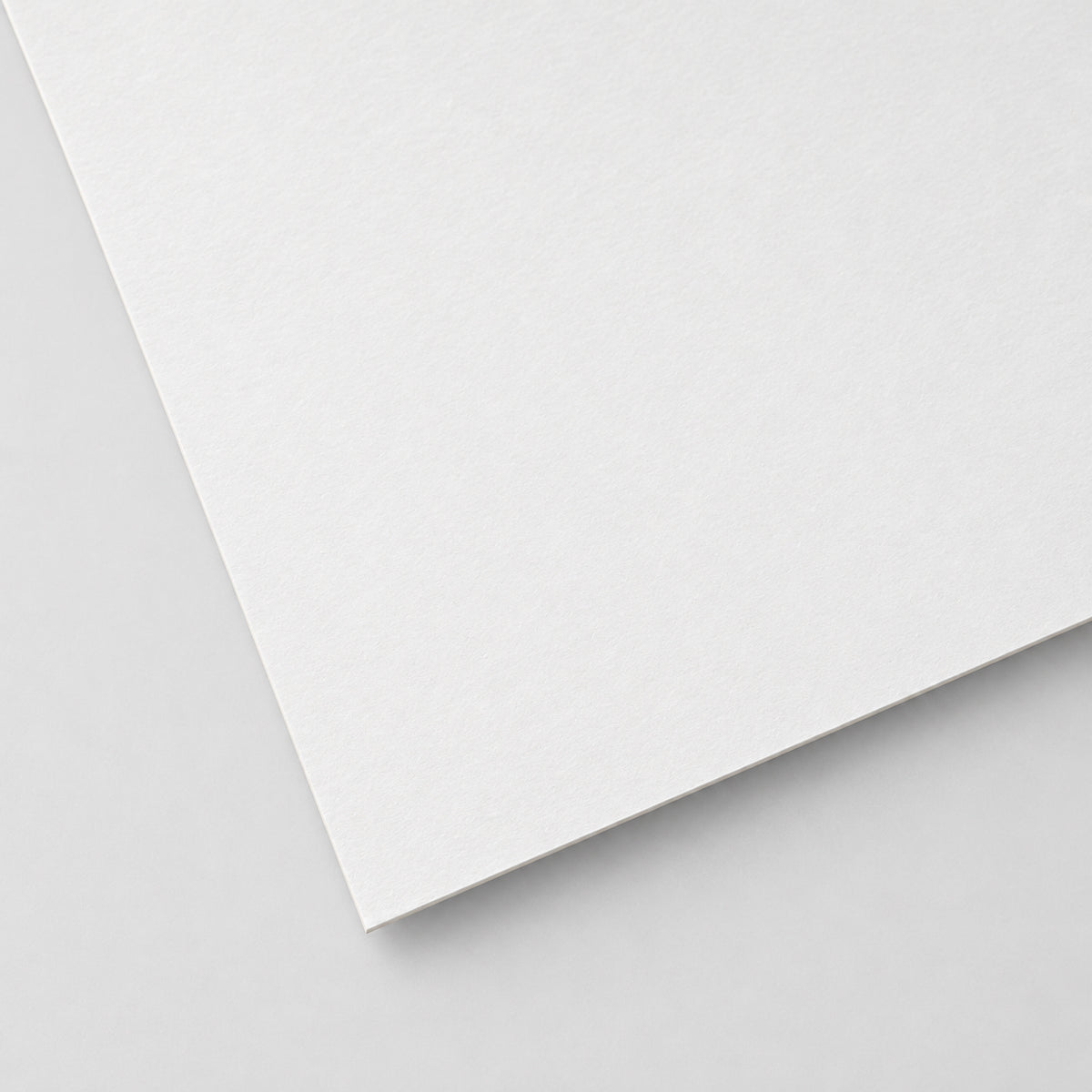
As standard, your 40x60 frame comes without backing paper, as most people frame artwork that fills the whole frame. If you need it, you can add 1 mm thick backing paper with a fine texture in a subtle off-white shade.
Backing paper is useful if you want to show a smaller work on a light background, creating space around it without a passepartout. This applies, for example, to an ink or charcoal drawing on a sheet with hand-torn edges, or a piece of calligraphy where the edge of the paper is part of the look.
The paper also adds an extra layer between the artwork and the backing board. For delicate work, both the backing paper and the mounting materials should be acid-free and suitable for conservation.
Mounting and hanging
40x60 frames
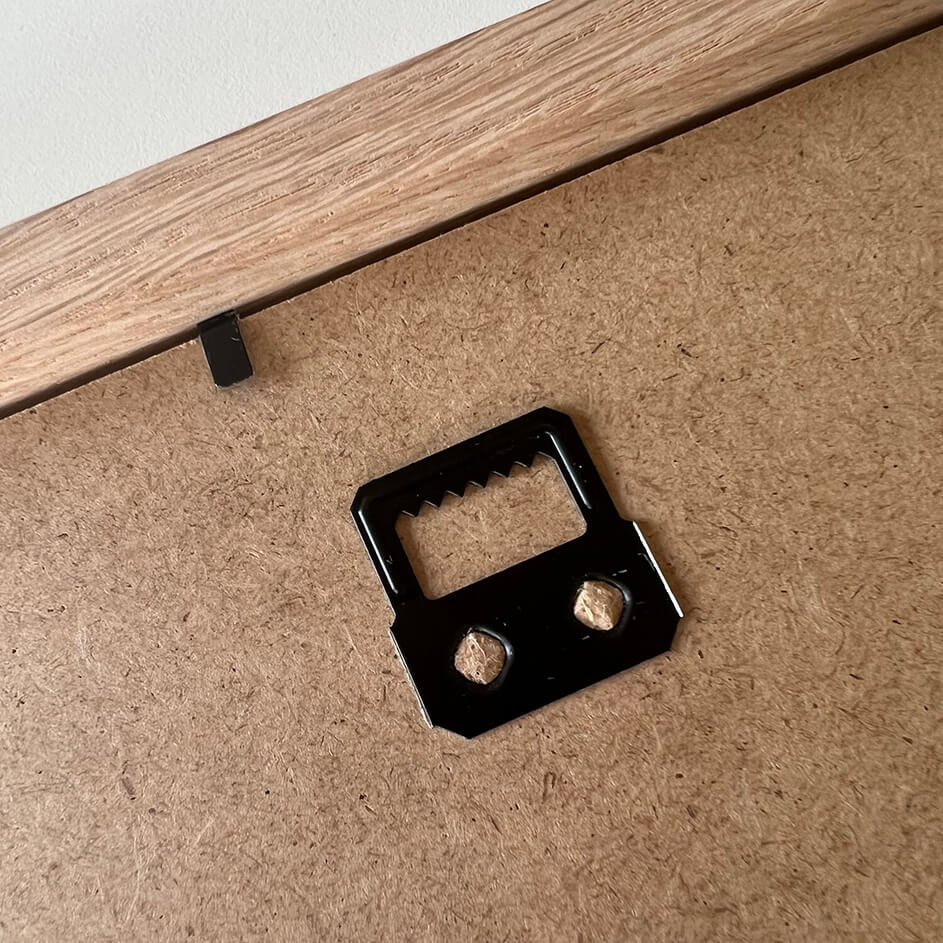
Leave the frame face down on a clean surface while you bend up the black tabs on the back and lift out the hardboard backing.
Wipe the inside of the glass with a soft, dry cloth. If the frame has acrylic glass, remove the protective film from both sides. Insert your picture, replace the backing and bend the tabs back so it is held in place.
Tilt the hanging bracket on the backing board out slightly so it can hook onto a screw or nail. Choose a fixing that suits your wall type and can carry the weight of the frame. We do not recommend adhesive nails for a 40x60 frame. A spirit level is a good idea, as even a slight tilt shows clearly along the long sides.