



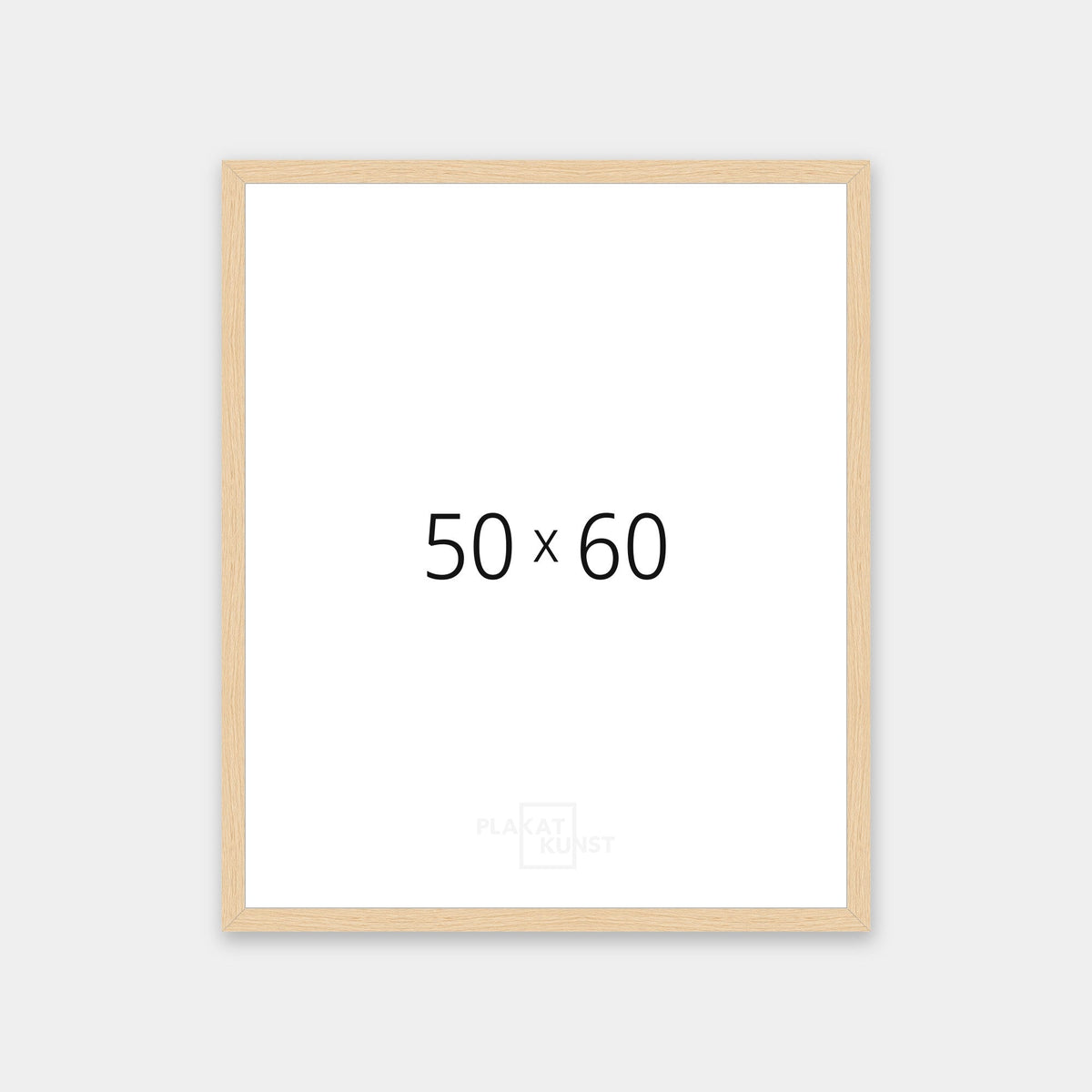

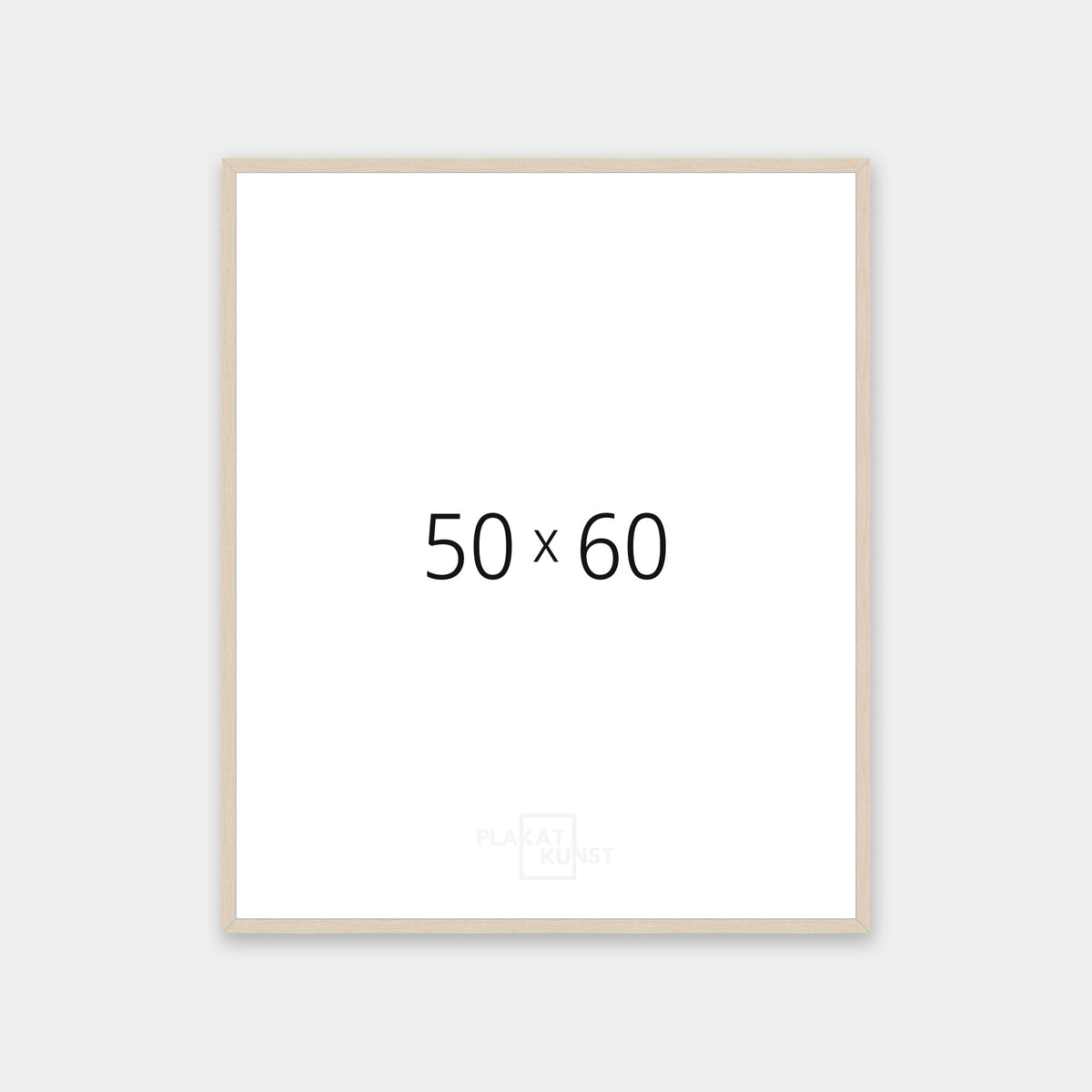

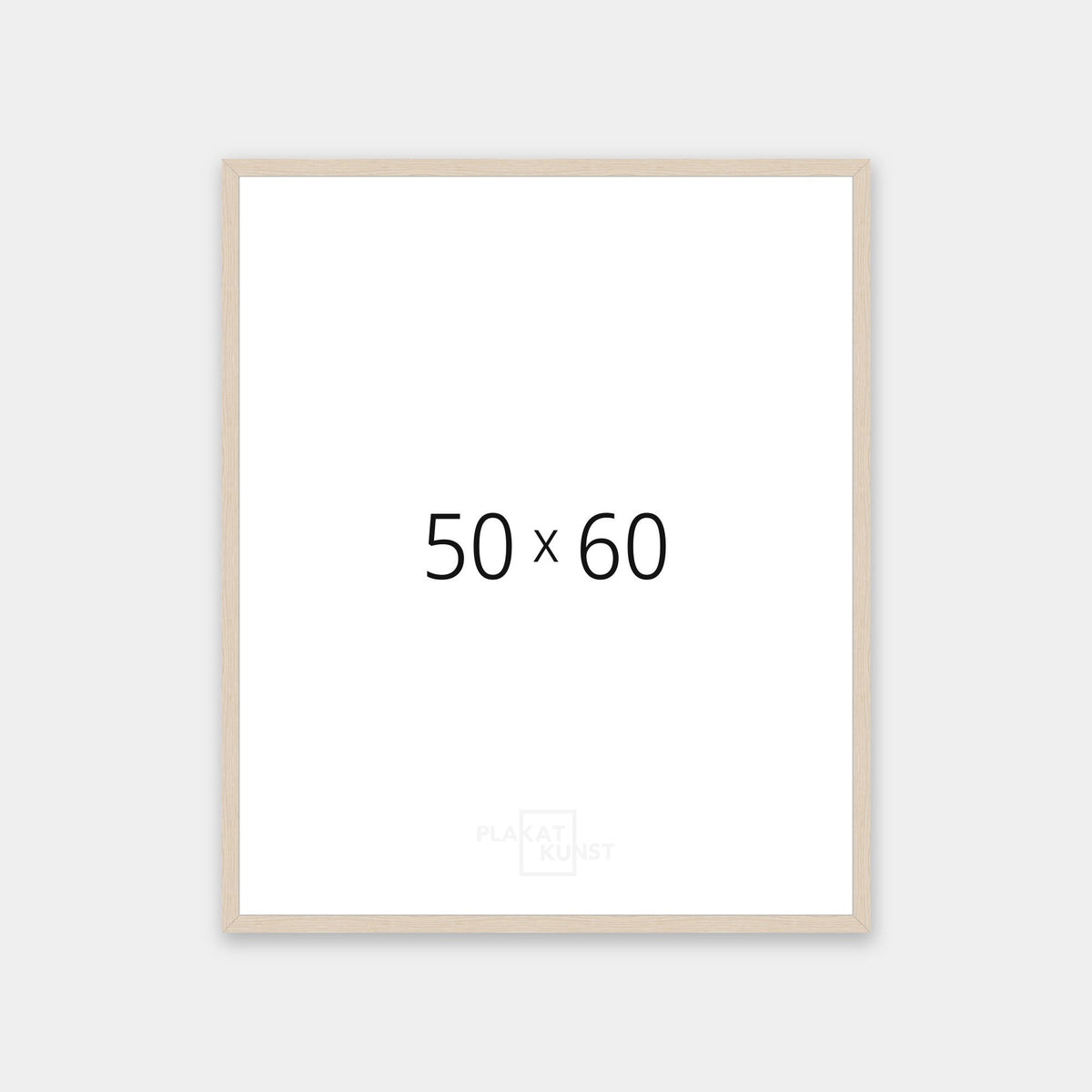

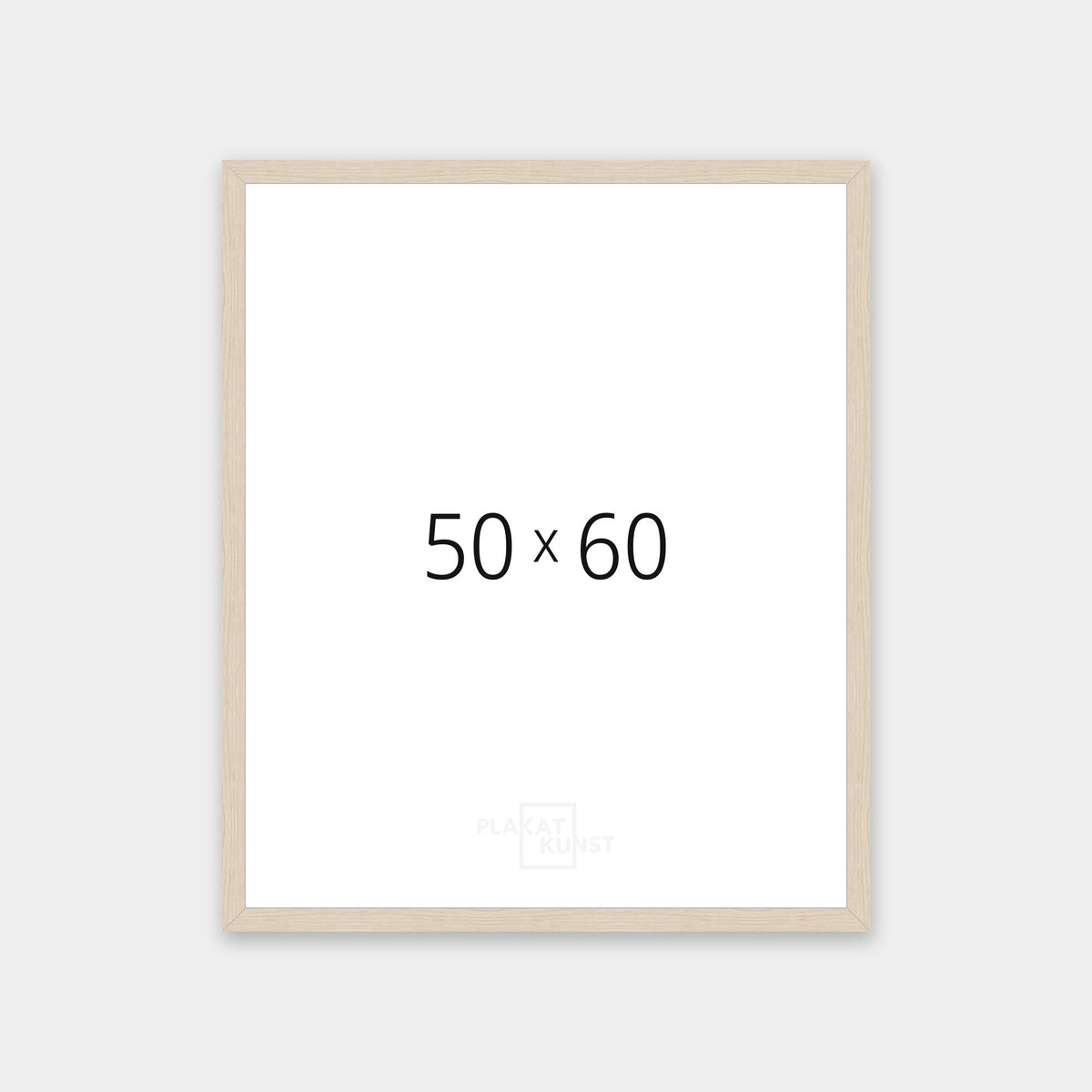

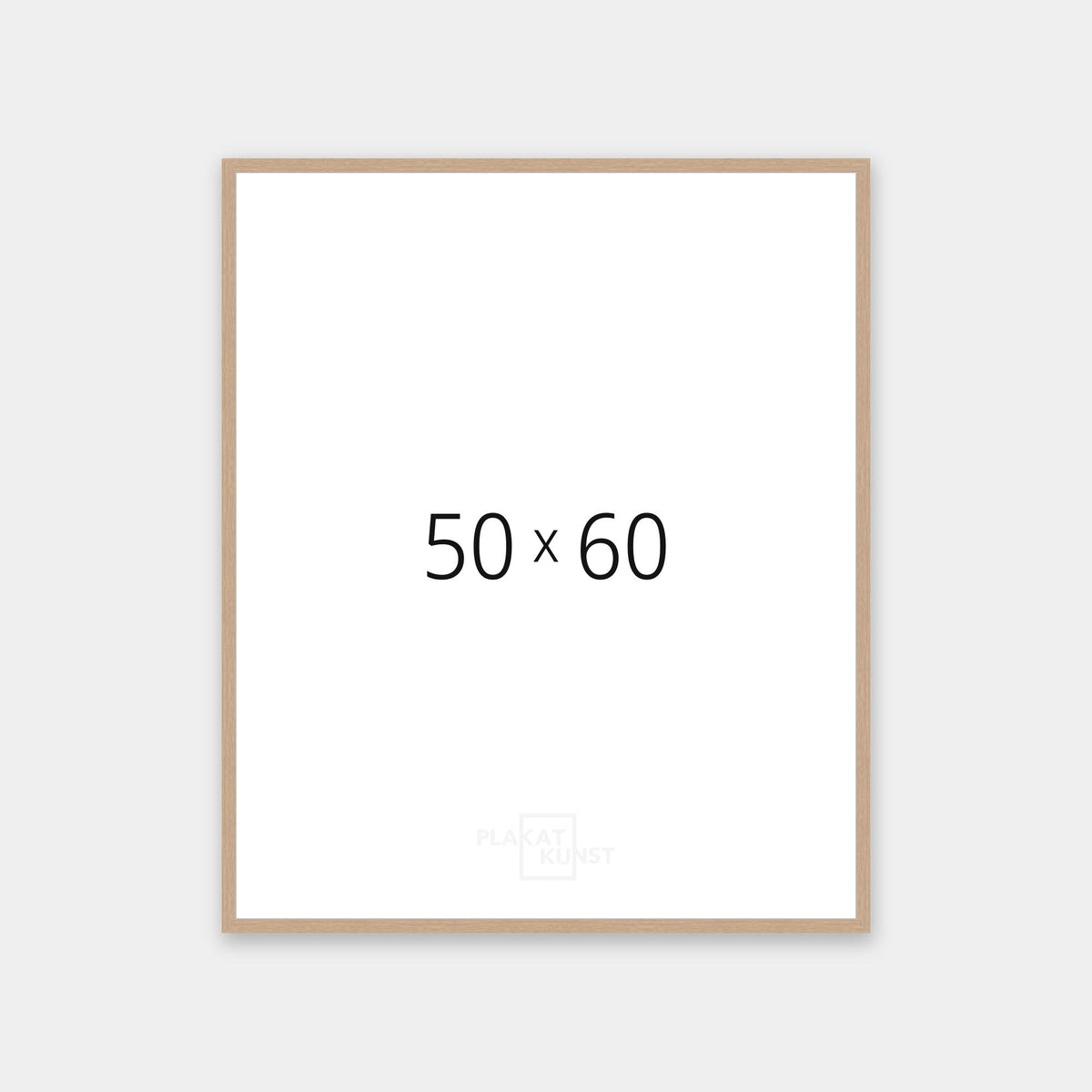

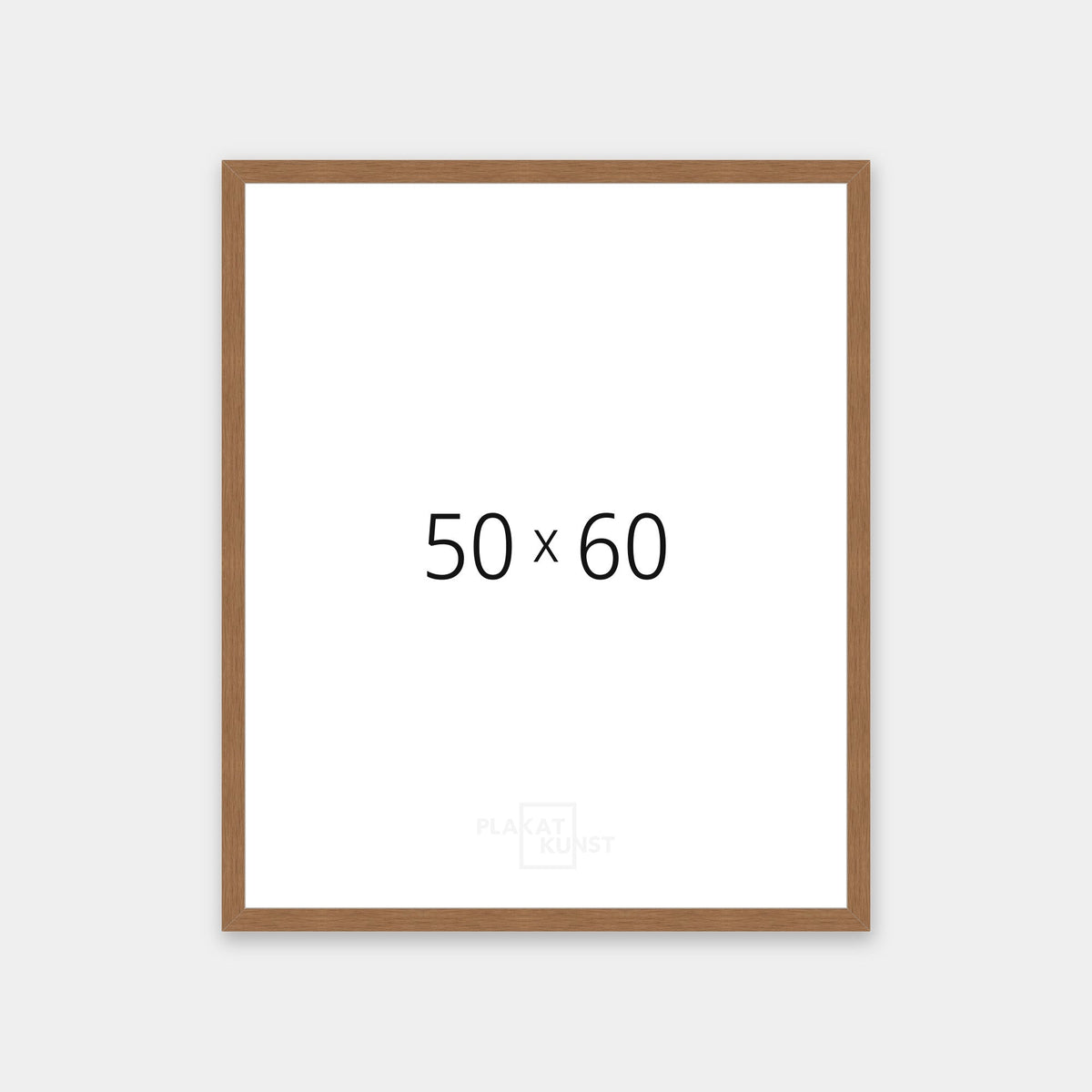
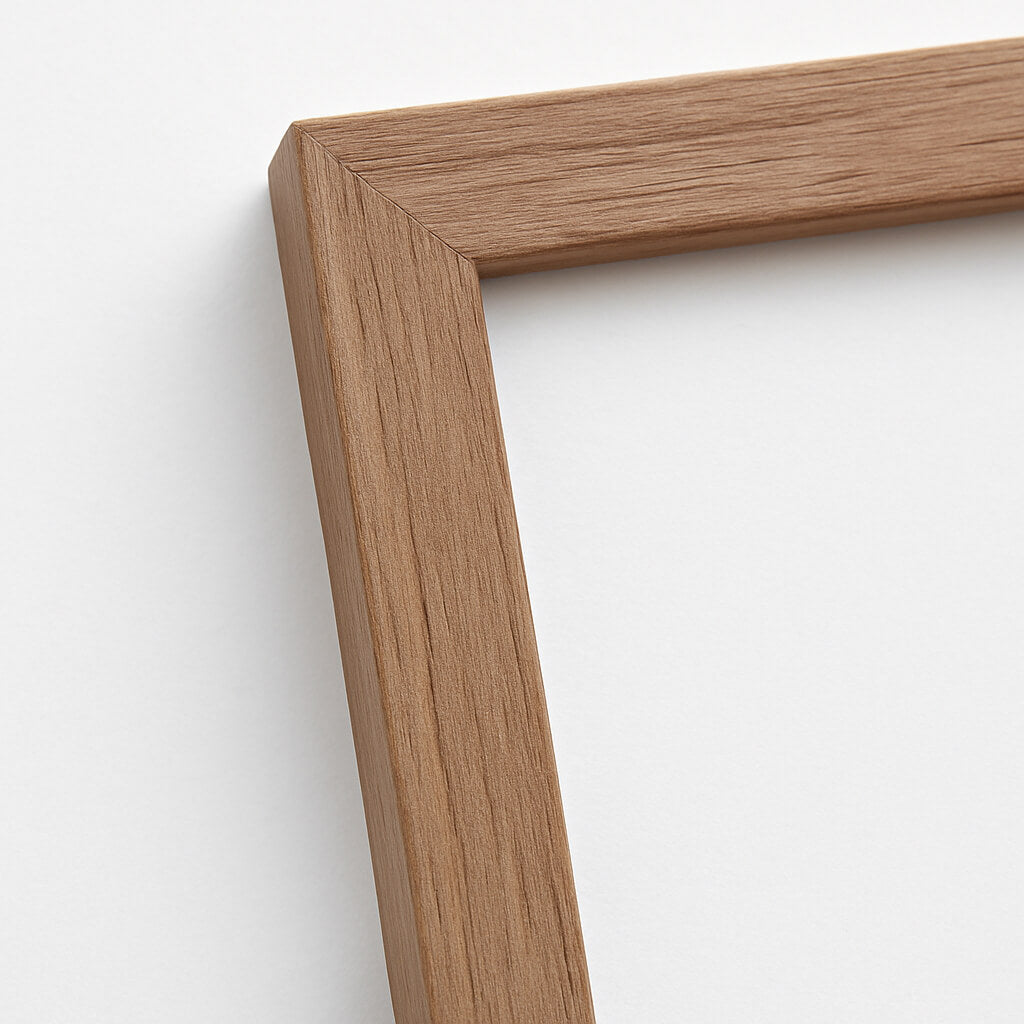
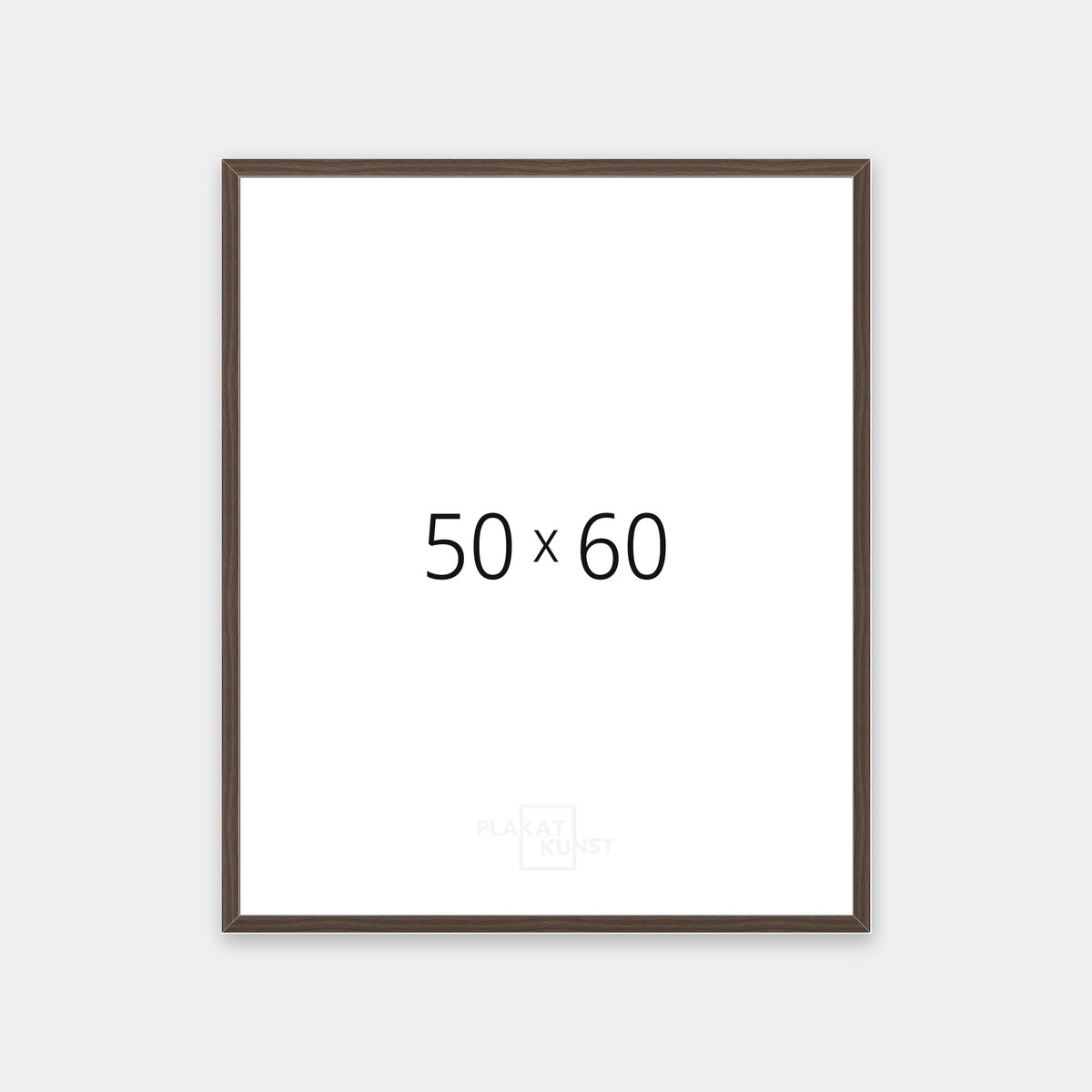


























Room for artwork and border
Find the proportions
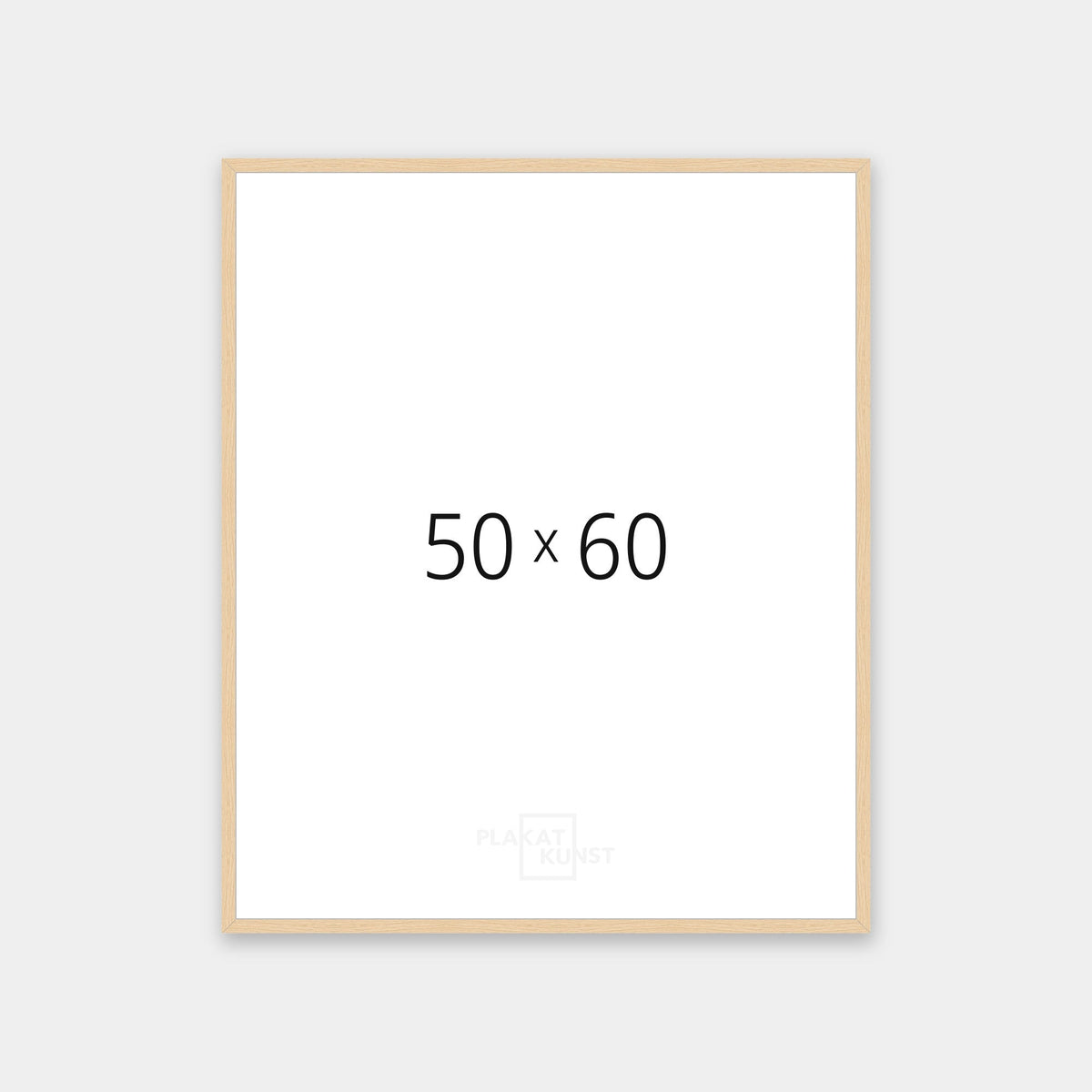
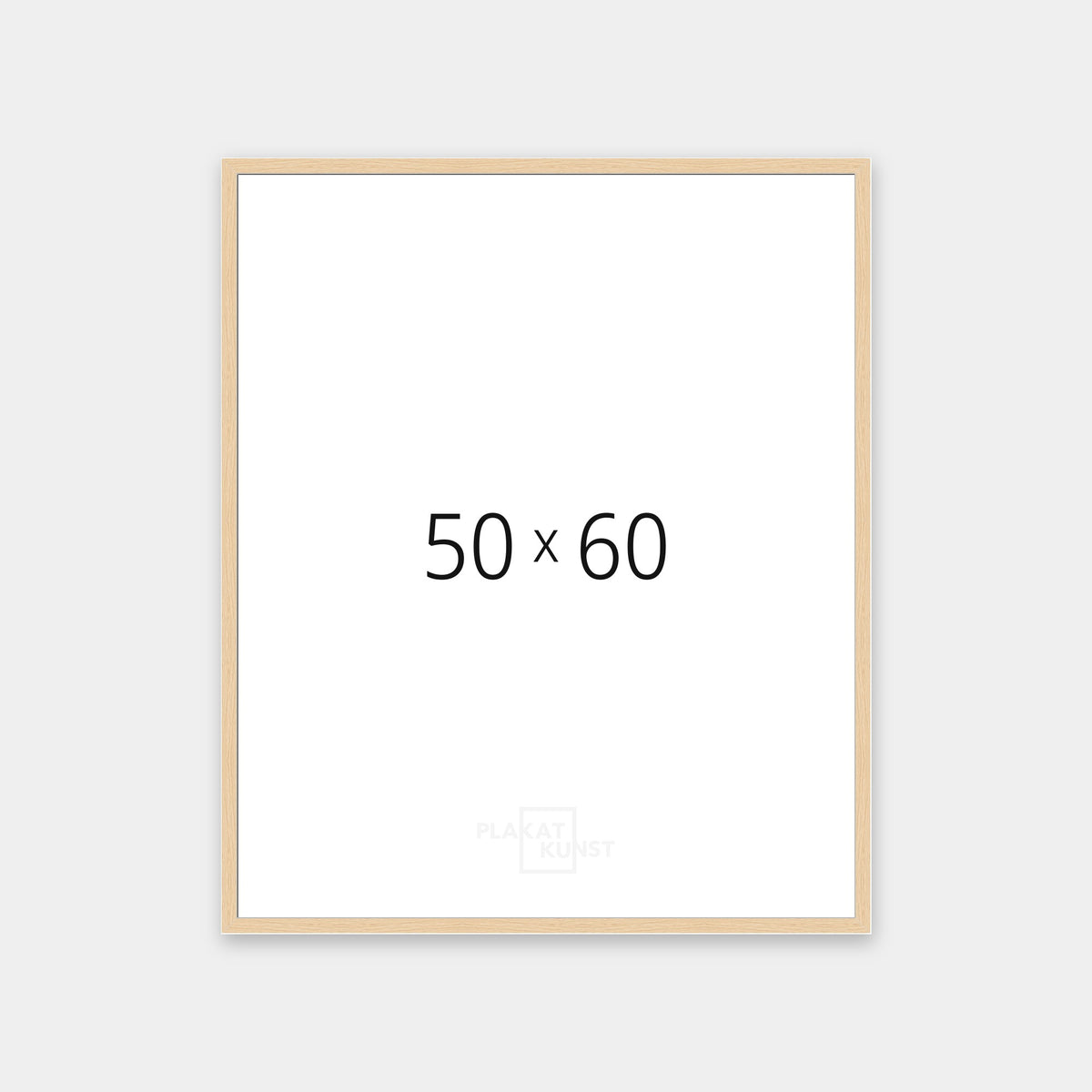
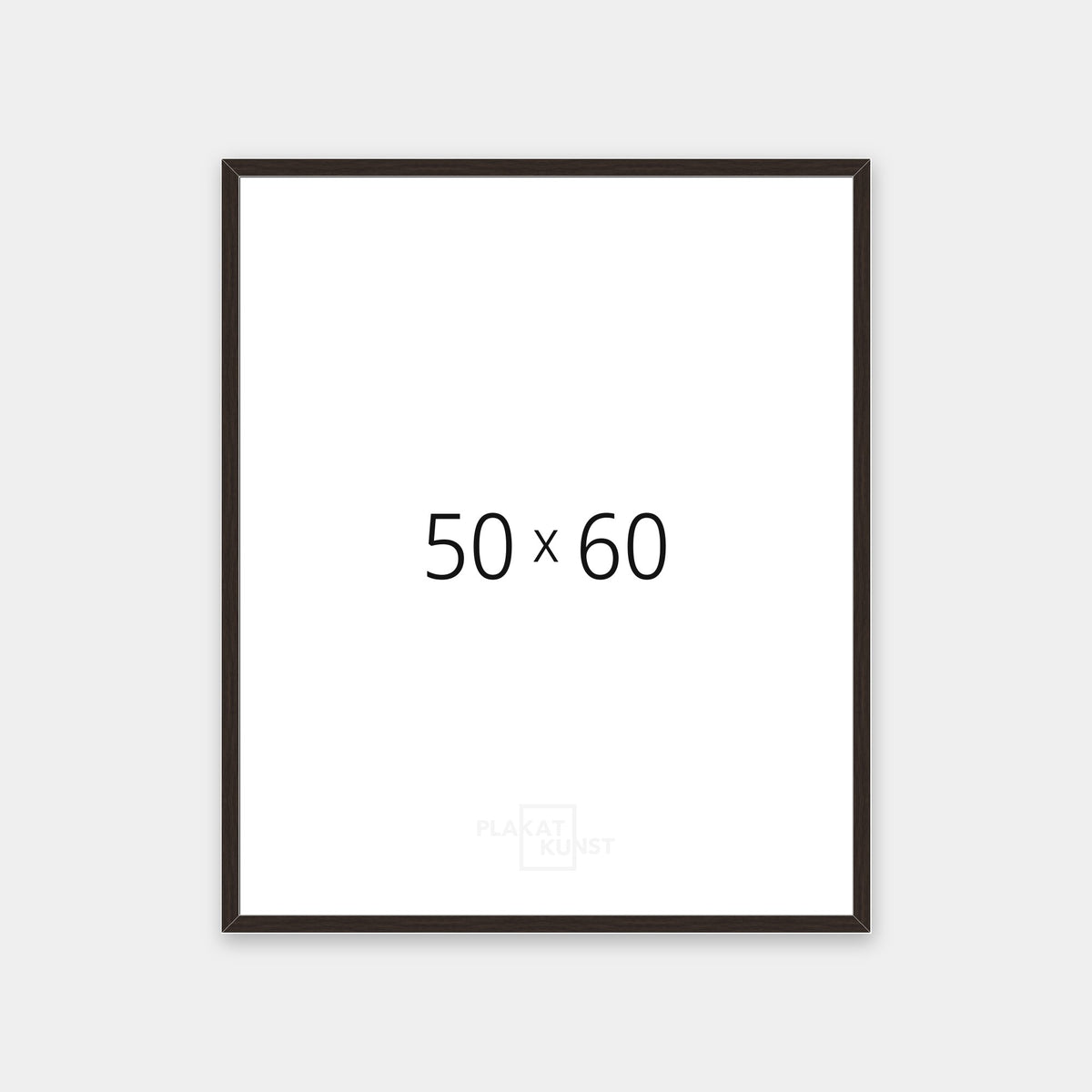
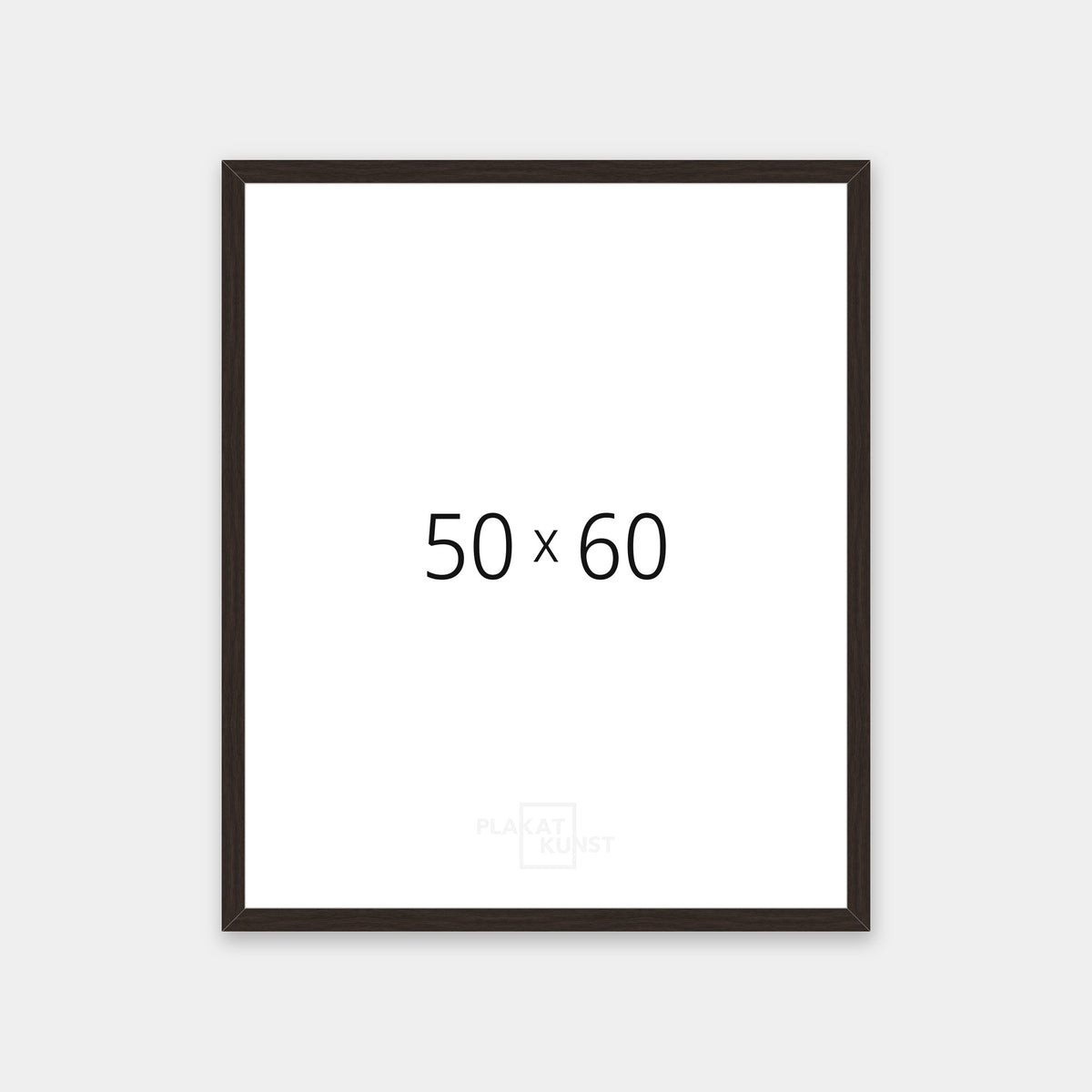
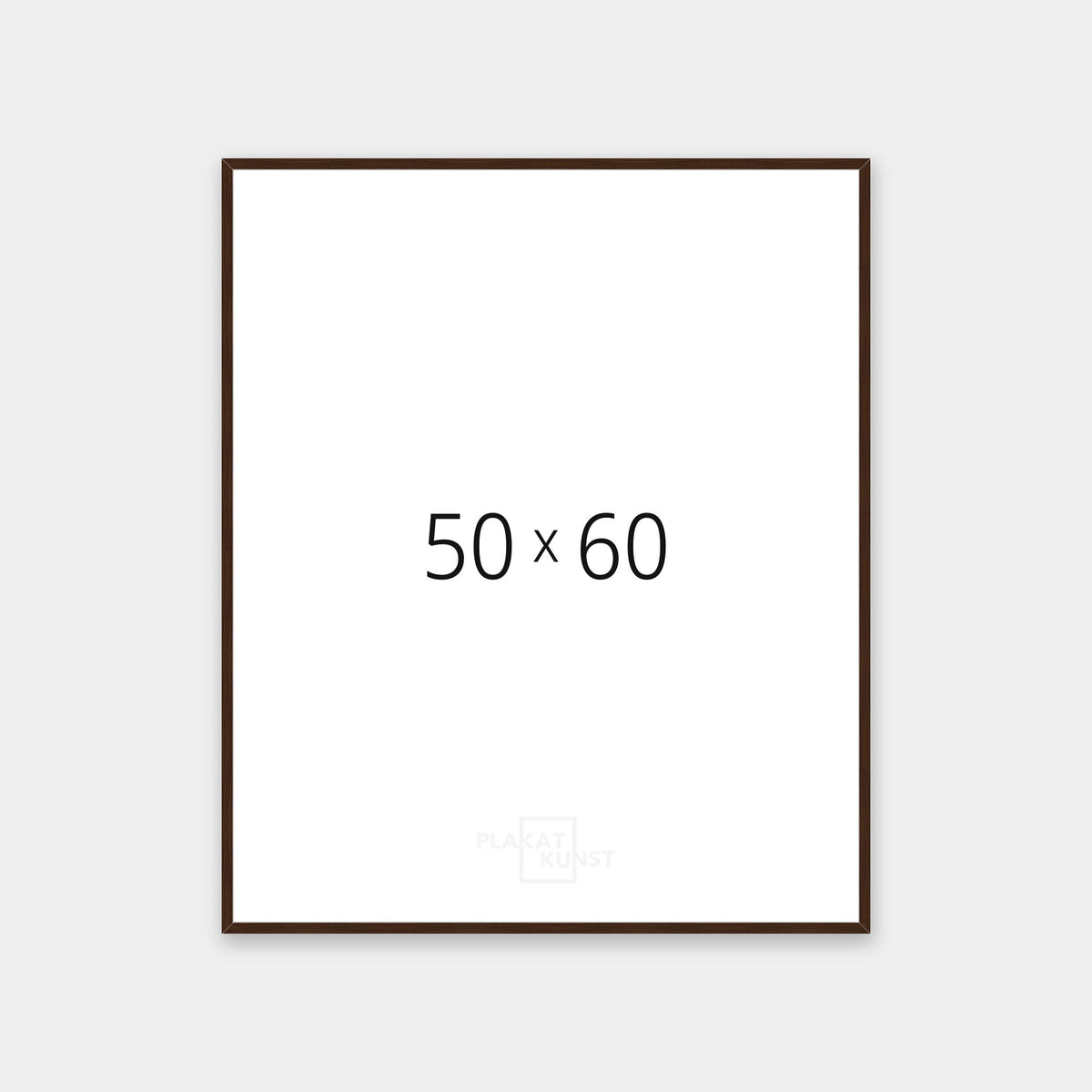
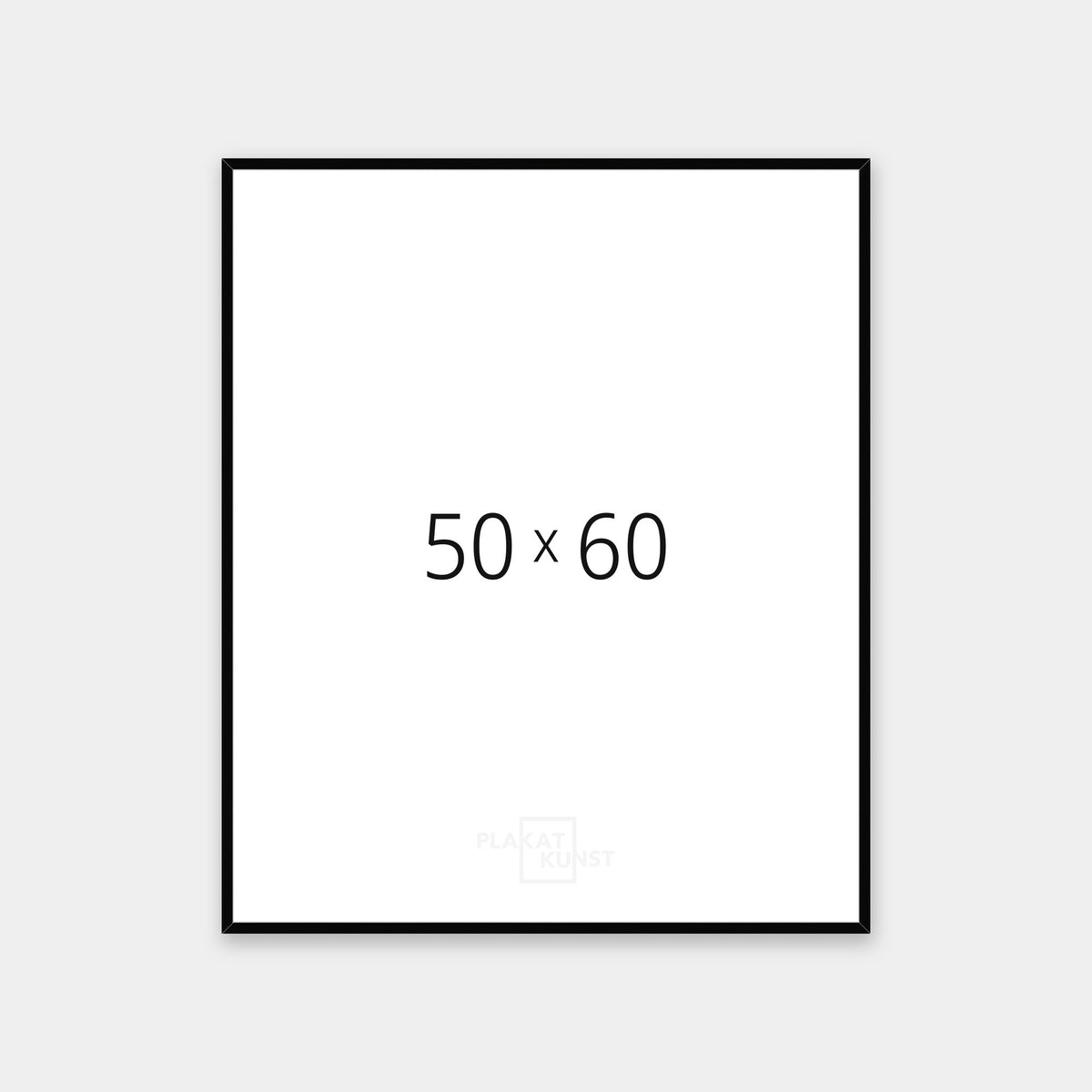
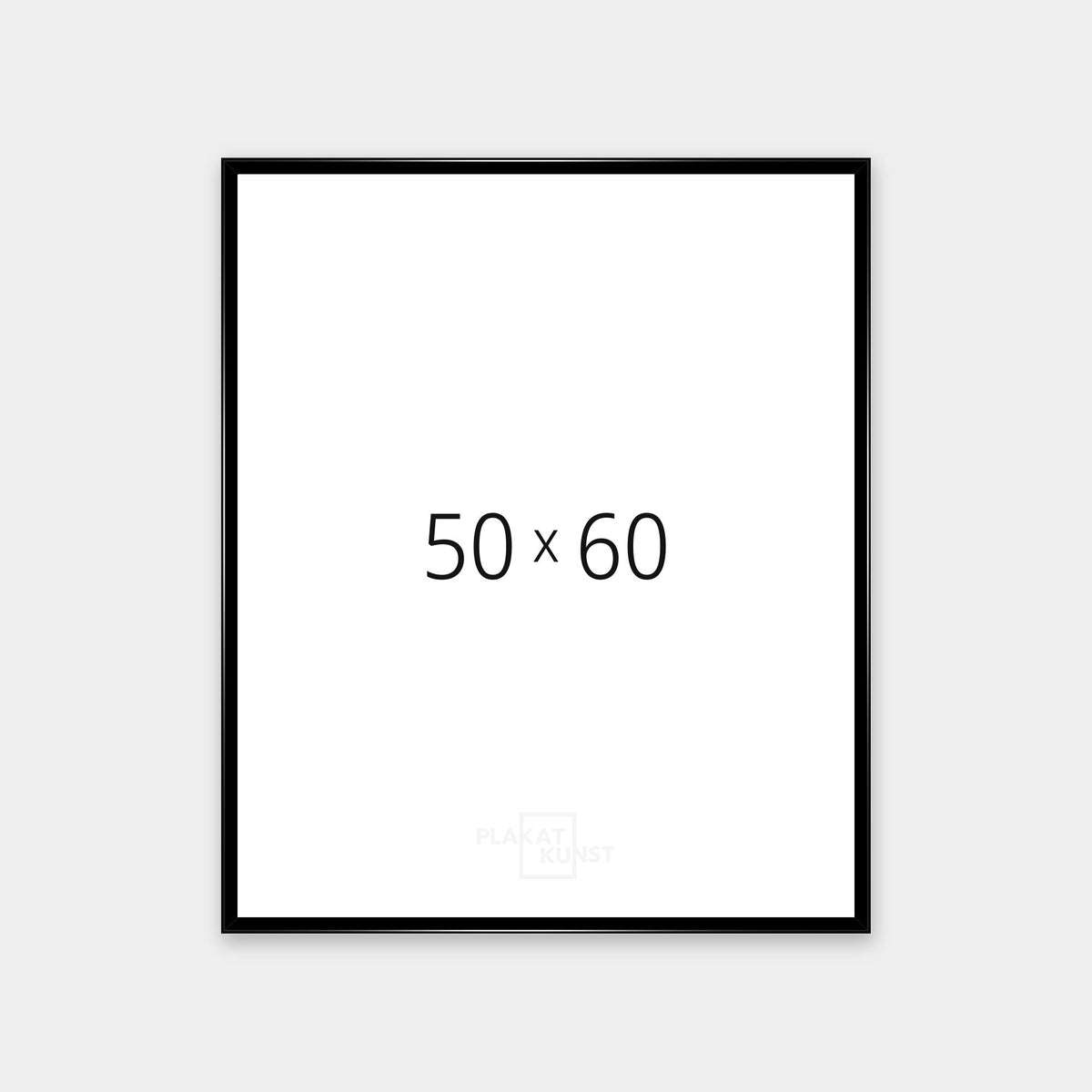
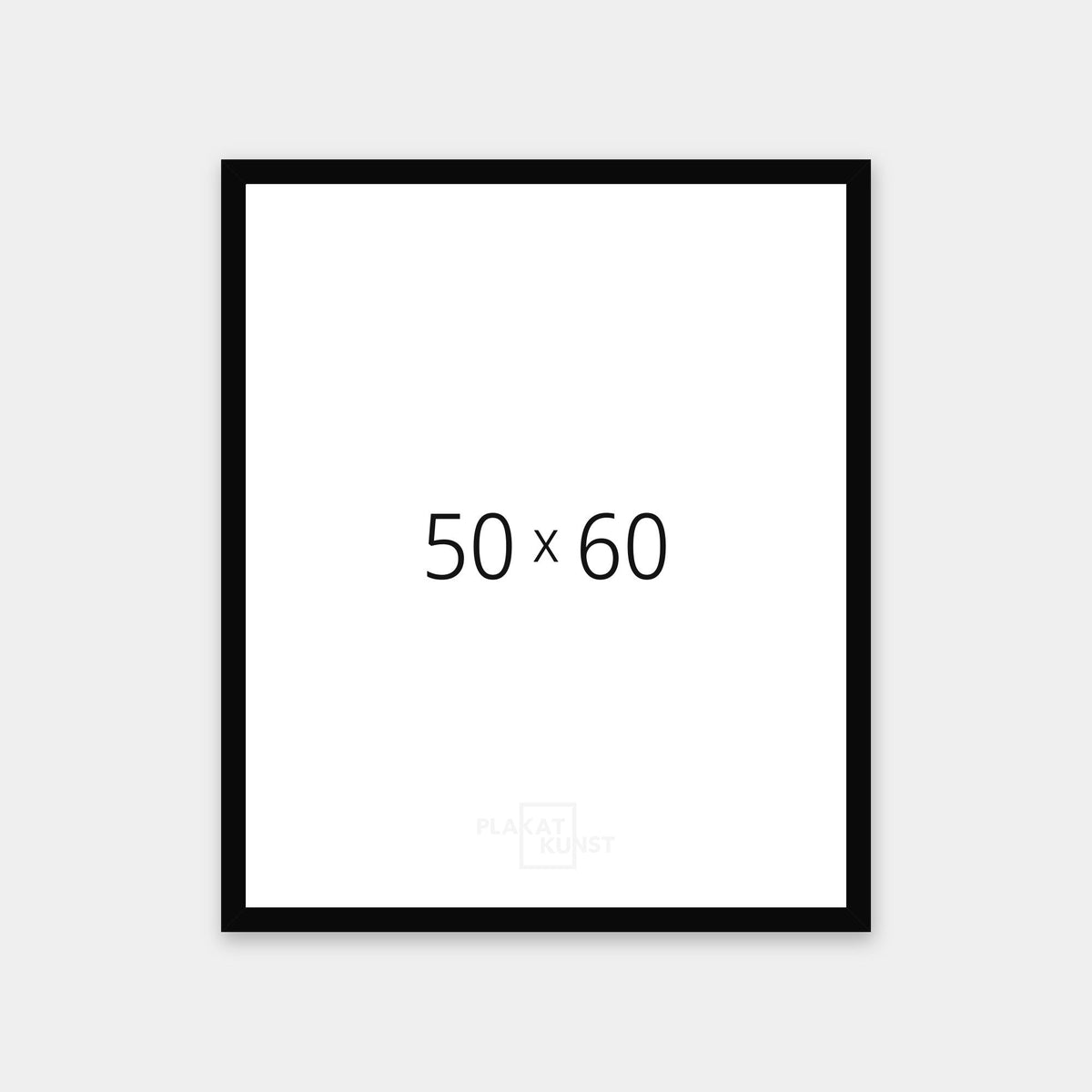
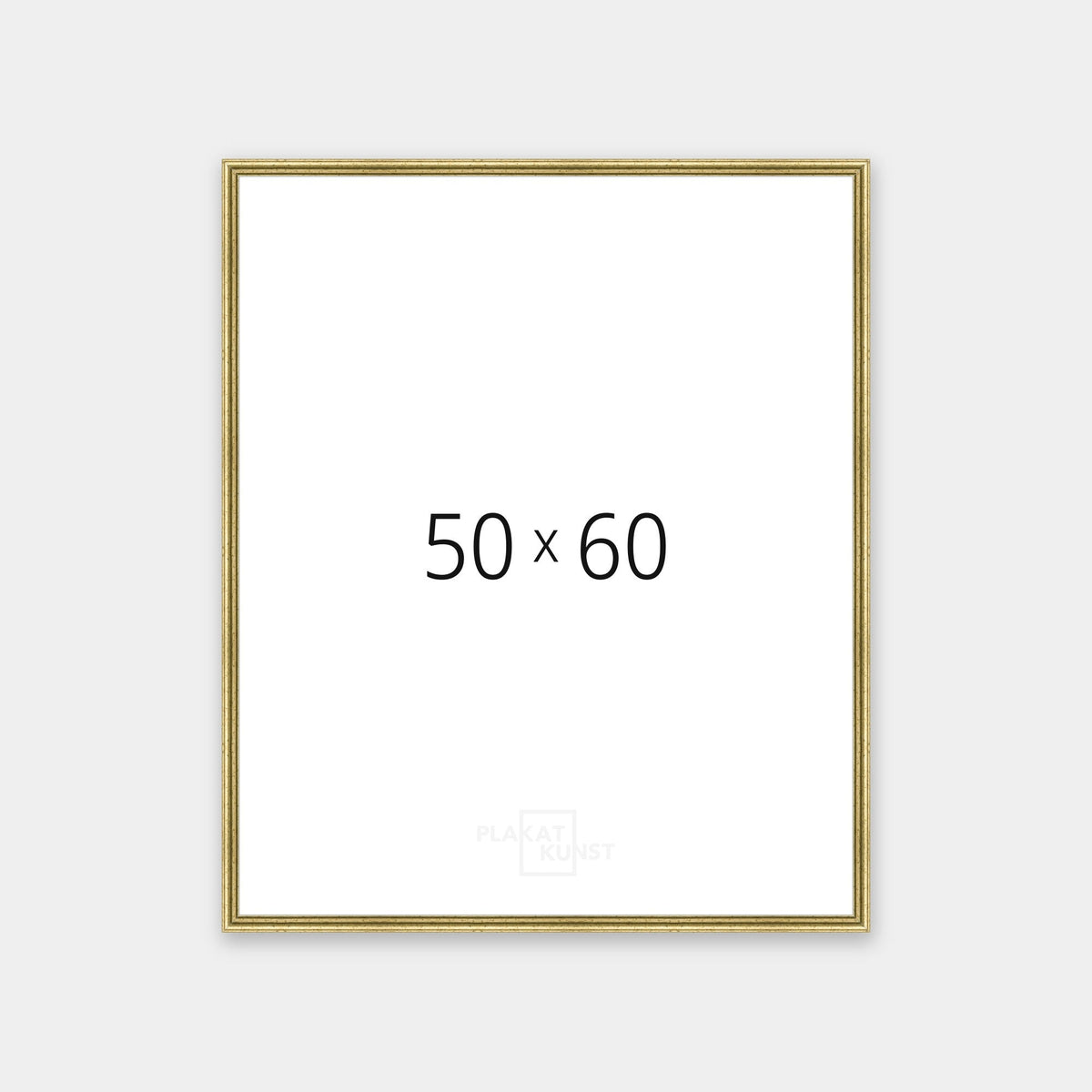
At 50×60 cm, this format is almost square, but only almost. The slight difference between width and height gives a calm, balanced look that suits art prints, abstract motifs and paintings on paper. The frame can be used portrait or landscape.
Many people choose a 50x60 frame because it leaves room for a wide passepartout around a smaller work. A 30×40 cm piece gets the kind of space you see in exhibitions, and the result is large enough to anchor a wall above a dining table or a sideboard.
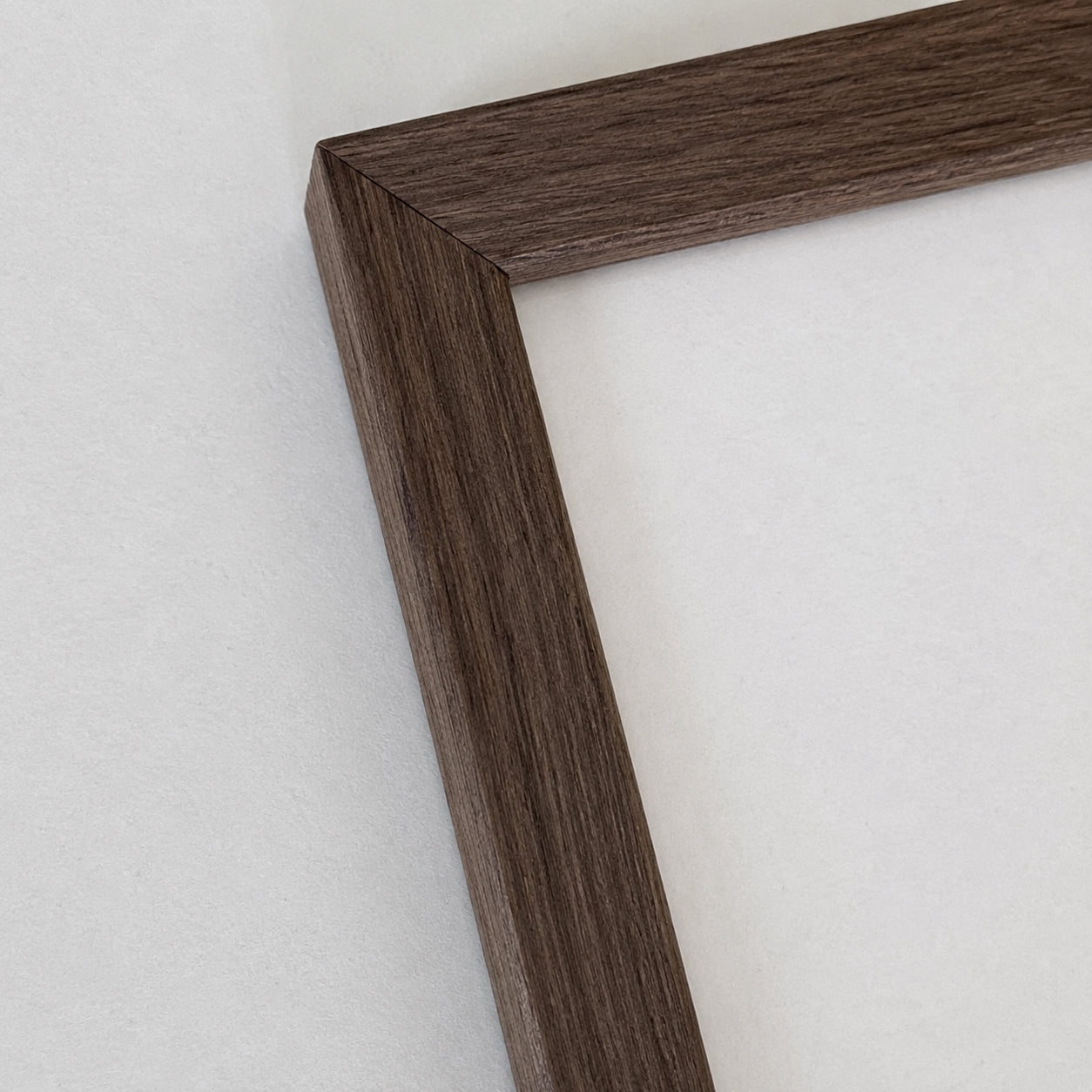
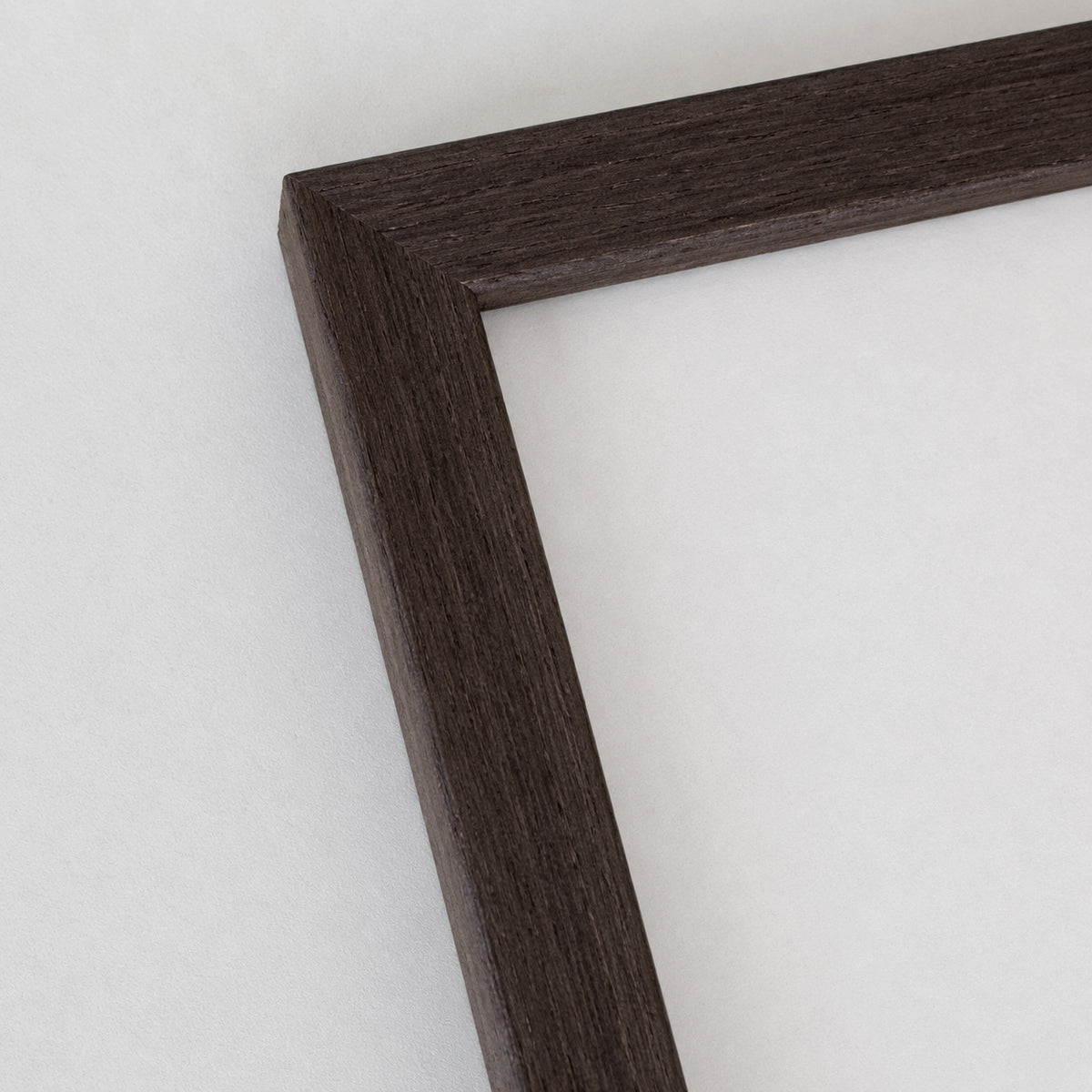
Upload an image of your work to the frame designer and see it with different wood types, colours and profiles. Try passepartouts in different colours too, and see at once how the interplay between artwork, border and frame changes.
Recently seen
50x60 frames with
Passepartout
In a 50x60 frame with a passepartout, a 40×50 cm picture gets an even border of approx. 5 cm all round. A 30×40 cm print gets approx. 10 cm on all sides for a classic gallery look, and an A3+ print (32.9×48.3 cm) gets approx. 8.5 cm at the sides and 6 cm at the top and bottom.
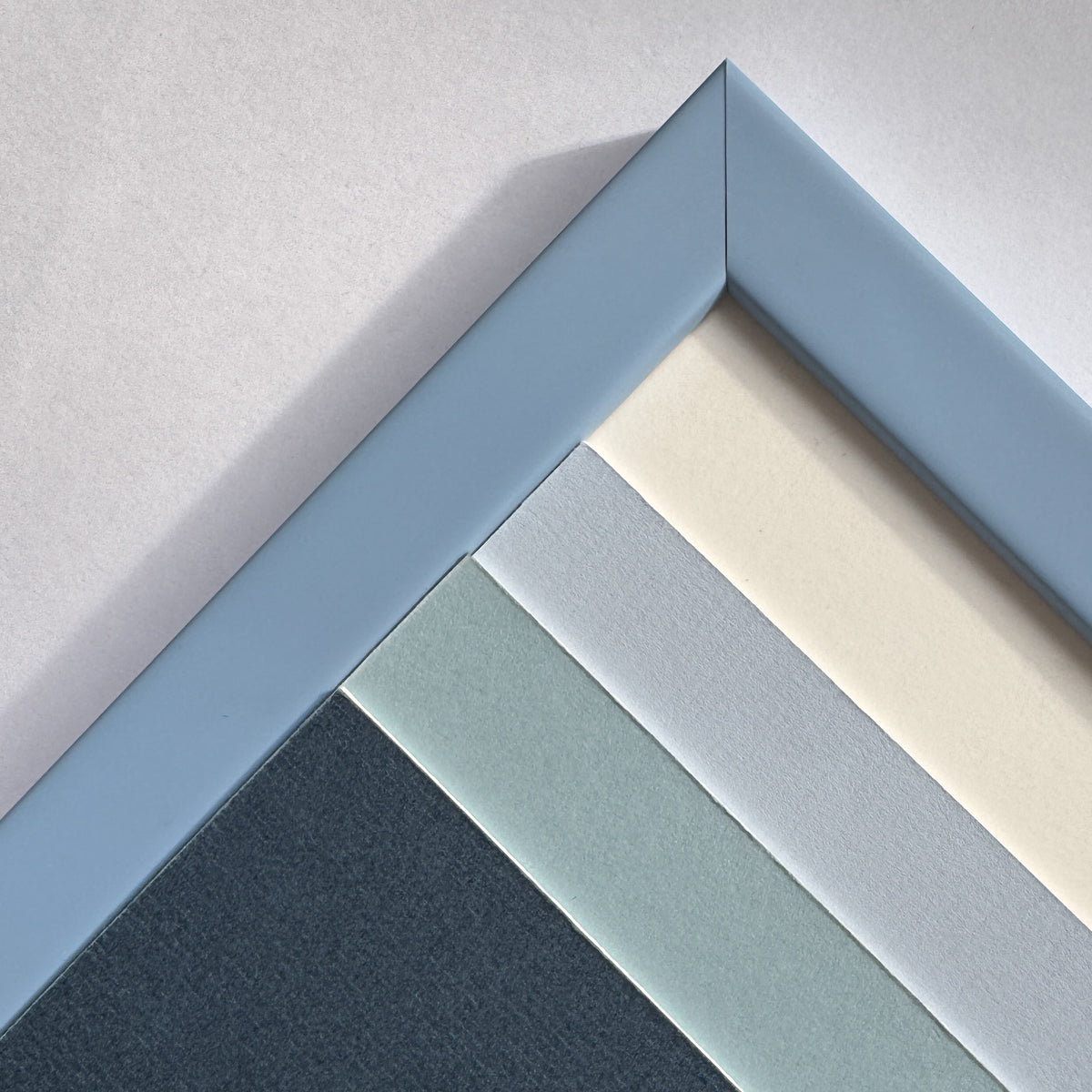
Our passepartouts are made from 1.5 mm thick board in 20 colours. Enter the size of your picture, and the opening is automatically cut 10 mm smaller in width and height. The passepartout then overlaps the picture by 5 mm all round, and the picture can be taped to the back of the passepartout.
If your picture itself measures 50×60 cm, choose a larger frame to make room for a passepartout. A 60×80 cm frame gives approx. 5 cm at the sides and 10 cm at the top and bottom, while a 70×70 cm frame gives approx. 10 cm at the sides and 5 cm at the top and bottom. Alternatively, choose a made-to-measure frame.
Select a frame above to see how it looks with the passepartout colours.
Should your 50x60 frame have
Real glass?
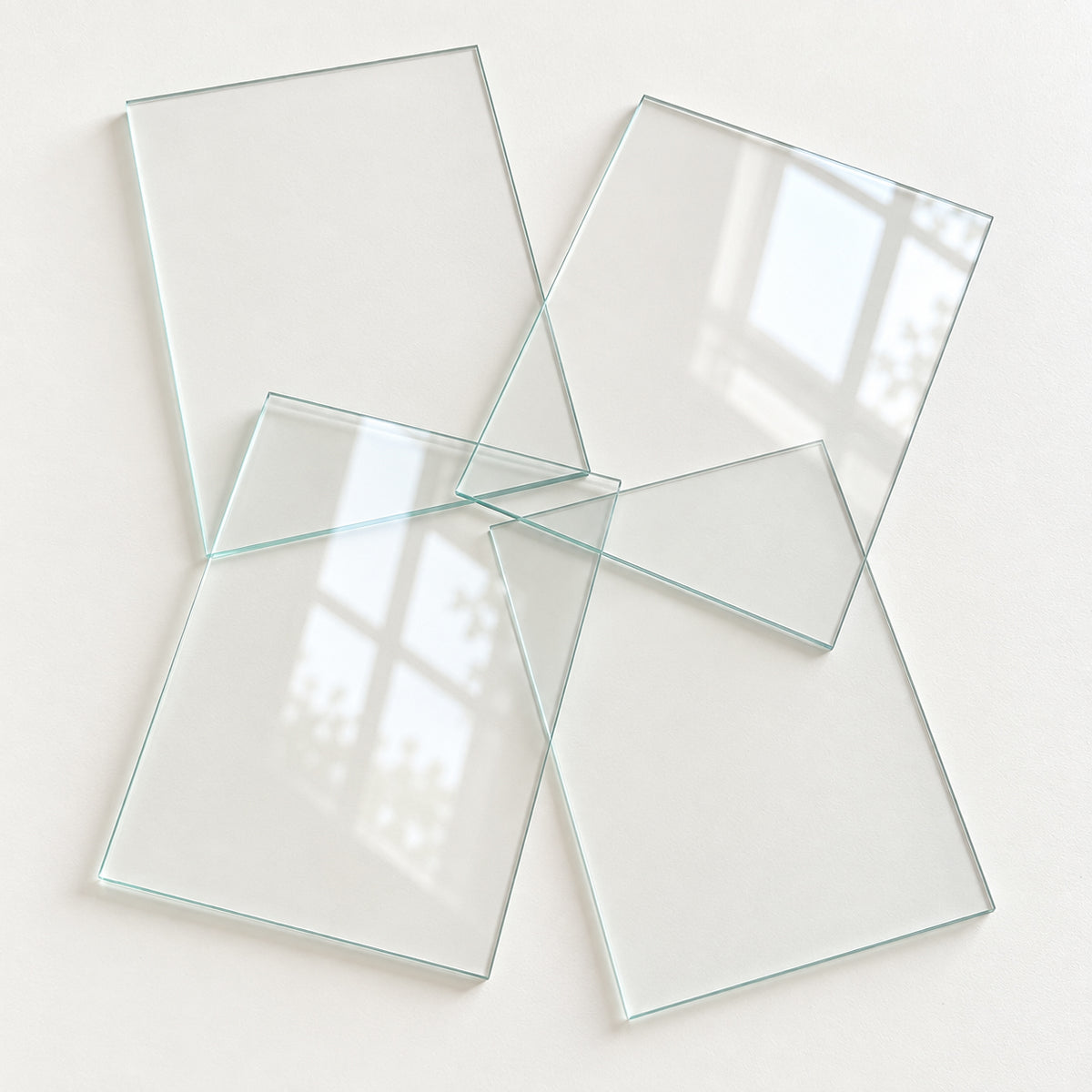
At 50×60 cm, the glass weighs quite a lot, and the surface is large enough to catch light from windows and lamps easily. If you are framing an original work on paper, protection from light matters too. You can choose from four types of glass.
Museum glass is an obvious choice for a watercolour, a gouache or another original work on paper. It offers high clarity, fewer reflections and UV protection that helps limit fading, without the matt effect of non-reflective glass. It costs more, and faint reflections may still occur. Even with museum glass, the work should not hang in direct sunlight.
Non-reflective glass has a matt surface that reduces reflections but does not remove them entirely. A wide passepartout increases the distance between glass and artwork, which can make colours and details look slightly softer.
Standard glass shows colours clearly, resists scratches and costs less. However, it reflects its surroundings, adds to the weight of the frame and can break if knocked or dropped.
Acrylic glass makes the frame much lighter and is shatter-resistant, so hanging is easier. It reflects light like standard glass and scratches more easily, so clean it with a soft cloth. Remove the protective film from both sides before framing.
Shipping of 50x60 frames worldwide
FedEx or GLS
We send 50×60 cm frames worldwide by GLS or FedEx. GLS can also deliver to a parcel shop near you in Sweden, Germany, Belgium and Poland.
Real glass instead of acrylic glass makes shipping noticeably more expensive. Glass is heavy and must be handled carefully throughout transport, which increases both our shipping costs and the risk of damage.
We pack the frame securely and carefully, which is why the vast majority of our frames with glass arrive intact.
50x60 frames with or without
Backing paper
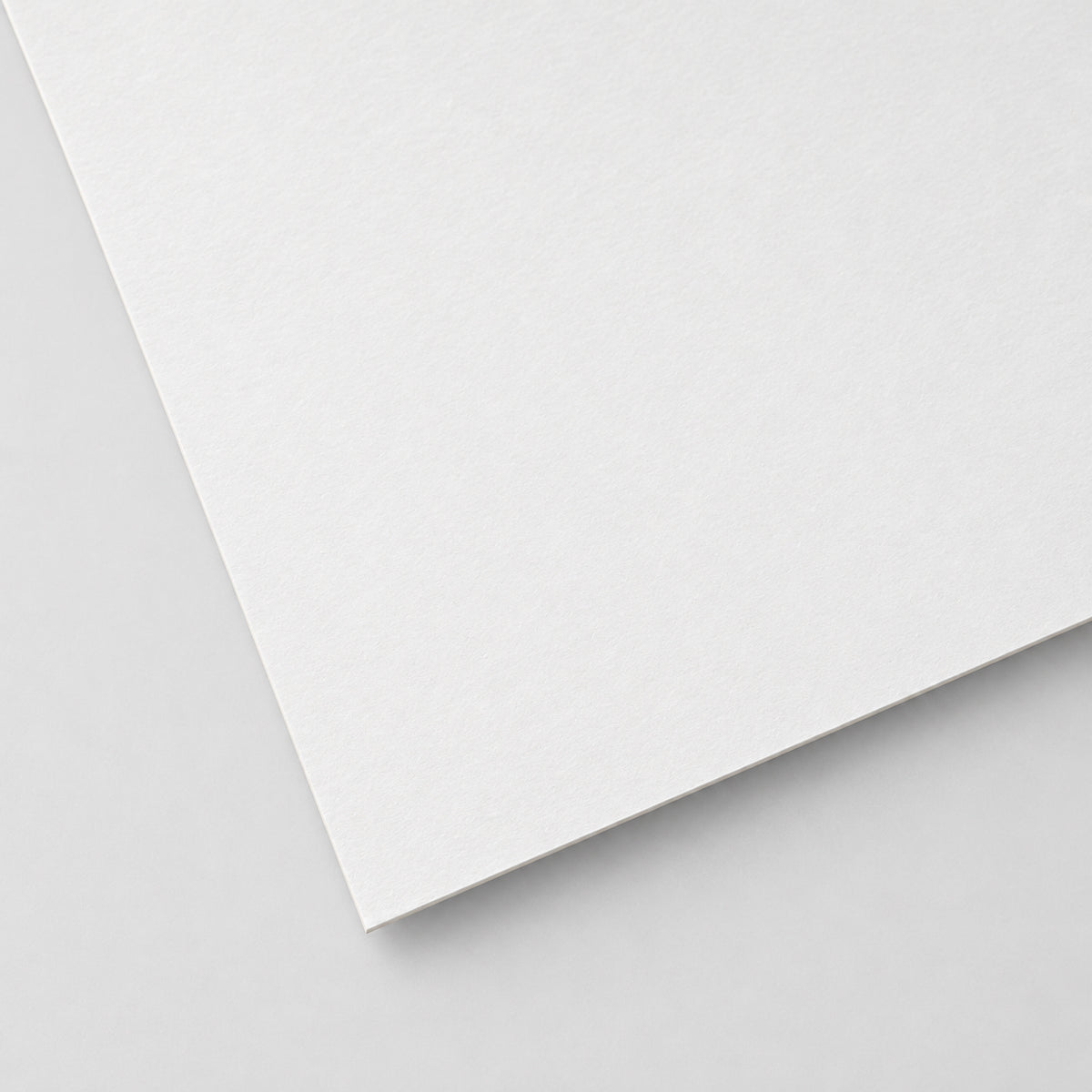
We supply your 50x60 frame without backing paper unless you add it. Most people do not need it, but it is available as 1 mm thick paper in a subtle off-white shade with a fine texture.
Backing paper is a good solution if you want to show a painting or a print on paper in its entirety. The work is placed on top of the paper so that its decorative or hand-torn edges stay visible, with a calm background around it even though it is smaller than the frame.
The paper also adds an extra layer against the backing board. For original and delicate work, both the backing paper and the mounting materials should be acid-free and suitable for conservation.

How to hang your
50x60 frame
Carefully bend up the black tabs on the back of the frame and lift out the hardboard backing. It is easiest to work at a table where the whole frame can lie flat.
Wipe any dust from the inside of the glass with a soft, dry cloth. If you have chosen acrylic glass, remove the protective film from both sides. Insert the picture, put the backing back and bend the tabs down again.
Tilt the hanging bracket on the backing board out slightly so it can hook onto a screw or nail. A 50x60 frame is heavy, especially with real glass, so choose a fixing that suits your wall type and can carry the weight. We do not recommend adhesive nails for a 50x60 frame.